

A painted pebble only looks like fruit if the stone already wants to be fruit. Choose the shape first and the painting is half done. That is the whole secret of pebble painting for grown-ups: smooth stones from a British beach or riverbed, acrylic paint, a decent sealant and enough patience for the tiny details.
Here are seven steps, from picking the stone to wrapping it up as a present, with a few juicy examples along the way.
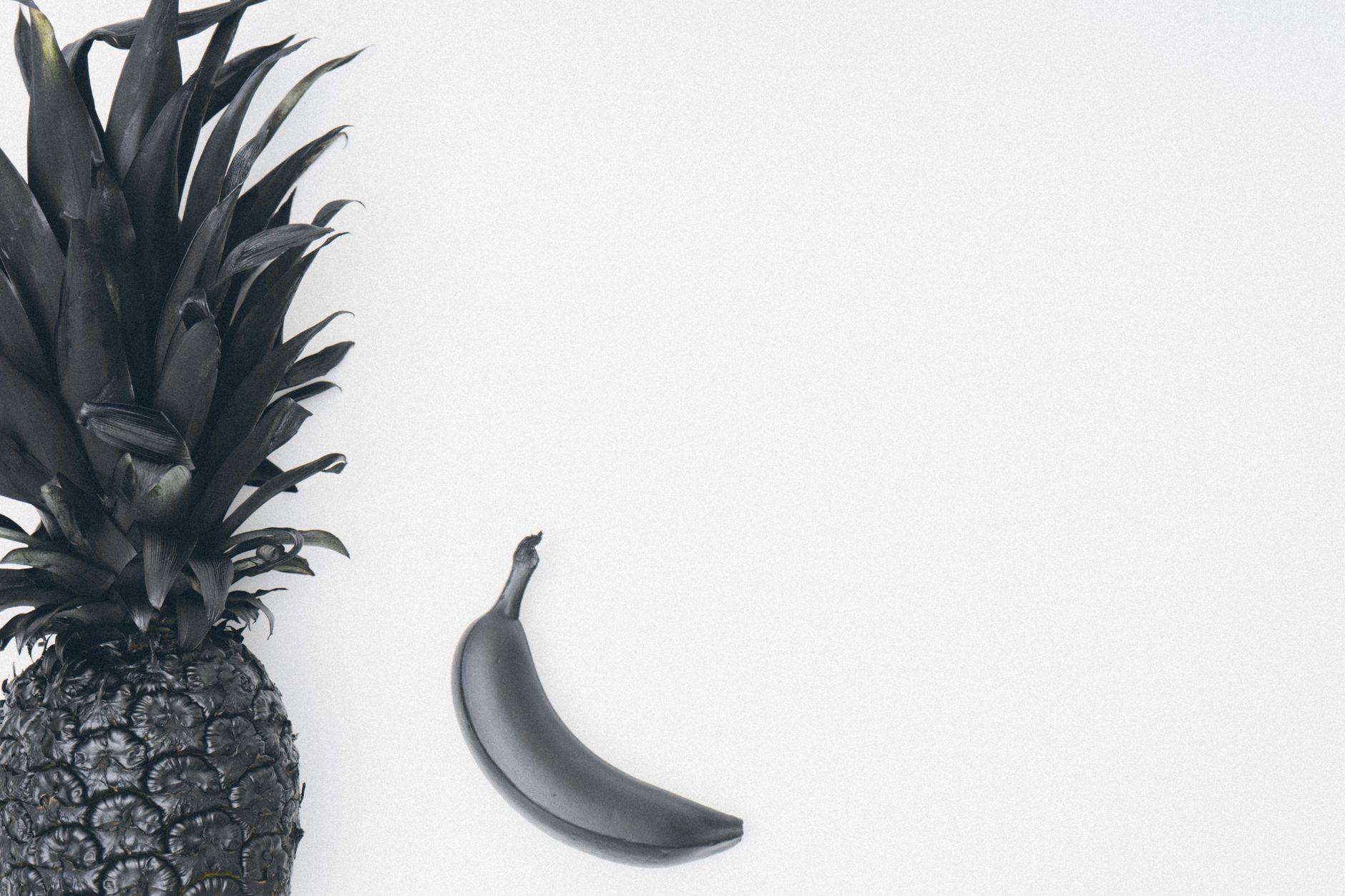
1. Match the stone to the fruit
Spend more time choosing pebbles than you think you need to. A round, slightly squashed stone is an orange or a tomato waiting to happen, and a long, curved one is a banana before you have opened a paint pot. Here is a quick guide to what works.
| Stone shape | Fruit it suits |
|---|---|
| Round and plump | Orange, apple, peach, tomato |
| Oval with slightly pointed ends | Lemon, lime, plum |
| Teardrop or egg-shaped | Pear, fig, strawberry |
| Flat half-moon | Watermelon slice, orange segment |
| Long and gently curved | Banana, pea pod |
| Tiny and round | Cherries, blueberries, grapes |
Pale stones need less paint to cover them. Dark grey riverbed stones can look moody and lovely, but they swallow bright colour unless you give them a white base.
2. Collect responsibly and prepare the surface
Take a handful, not a bucketful. Some shingle beaches and nature reserves forbid removing stones, so read any signs and check with the local council if you are unsure. For rivers, make sure you are on land where you are allowed to be, and the Countryside Code on GOV.UK is a good place to refresh your memory on leaving places as you found them.
At home, scrub each stone with warm water, washing-up liquid and an old toothbrush to shift salt, algae and grit. Dry them on a radiator or a baking tray in a cool oven, because damp stones make paint peel. Then add a base coat of white acrylic or acrylic primer. This is what makes yellows glow and reds look like ripe cherries rather than muddy brick.
3. What paint works best on pebbles outdoors?
Acrylic paint is the best choice for pebbles that will live outdoors. It sticks well to stone, dries quickly, comes in strong colours and turns water-resistant once cured and sealed. Artist or craft acrylics both work, and a small set of primaries plus white and a leaf green will mix almost any fruit.
Acrylic paint pens, the fine-tipped sort, are brilliant for pips, stalks, speckles and outlines. Poster paint, watercolour and ordinary felt tips are not worth the trouble outside: they wash out or fade, even under varnish.
4. Paint fruit in three layers
Detailed fruit comes from layering, not from fiddly brushwork. Lay down the main colour, add a darker shade where the fruit curves away from the light, then finish with a bright highlight.
Take a lemon as an example. Start with a pale yellow base coat on an oval stone. Brush a slightly deeper yellow-orange down one side while it is still tacky, so the colours blend. Add a small white dot or streak on the opposite side for shine, a tiny brown nub at each end, and a pair of green leaves painted with the pen. For a strawberry, use red, then a darker red shadow, then dot on the seeds in yellow, which is far easier than trying to paint each one tiny and perfect.
If you want to explore more shapes and colour pairings, the ideas in our guide to colourful pattern designs inspired by tropical fruits translate neatly to a small round canvas.

5. How do you seal painted pebbles so they last outdoors?
To seal painted pebbles for outdoor use, leave the paint to dry fully for at least a day, then apply two or three thin coats of clear exterior-grade varnish, letting each coat dry before the next. Either a brush-on water-based acrylic varnish or a spray varnish will do the job.
Sprays are quicker and give a smoother finish, but use them outdoors or in a well-ventilated space and follow the instructions on the can. Brush-on varnish is gentler, though it can drag at the paint if you go over the same patch repeatedly. Seal the underside too, once the top is dry, because water creeps in from below. Gloss gives that wet, just-picked look, while satin is subtler.
Even well-sealed pebbles take a battering from British frost and rain. I would keep your favourites on a sheltered windowsill or porch through the winter and let the spares live in the garden.
6. Display your fruit pebbles
A scattering of painted stones looks like litter. A grouping looks like a collection. Try these ideas:
- A fruit bowl: pile a dozen pebbles in a real ceramic bowl on the kitchen table.
- Plant pot toppers: use a lemon or two as a surface dressing in a herb pot.
- Garden trail: tuck them into borders and rockeries, with a few peeping out from under leaves.
- Windowsill row: line up five or six in a graduated sequence from green to ripe.
For something more permanent, a wooden board with shallow recesses cut to the size of your pebbles makes a lovely shelf piece. A local joiner can usually do this on a CNC router, the same type of machine used for cutting window and door joinery, and the range at International Woodworking Machinery shows what that kind of equipment looks like. If you would rather paint on a bigger scale, fruit murals on outdoor walls and fences follow many of the same sealing rules.
7. Turn pebbles into gifts
With Christmas a month away, painted pebbles make cheap and cheerful presents. A set of five fruits in a small tin lined with tissue paper is a ready-made stocking filler. A single large pebble with a pear or an apple on it makes a pretty paperweight for a desk.
Add a small tag saying where the stones came from, such as the beach or river where you found them. That one line turns a craft project into a keepsake. Pop the stones in a clean jam jar, tie some string round the lid and the wrapping is done.
Frequently Asked Questions
Is it legal to take pebbles from a British beach?
Taking a few pebbles from an open public beach is generally tolerated, but some shingle beaches and protected nature sites ban removing stones altogether. Read local signs and check with the council or landowner if you are unsure. Never take large quantities.
Do I need to prime pebbles before painting?
A base coat of white acrylic or acrylic primer is strongly recommended, especially on dark or patterned stones. It stops the stone showing through and makes colours look brighter. Pale, smooth pebbles can sometimes manage with a thinner base coat.
What varnish should I use on outdoor painted stones?
Use a clear exterior-grade varnish, either a water-based acrylic brush-on or a spray, and apply two or three thin coats. Seal the underside as well as the top. Follow the manufacturer’s drying times and ventilation advice.




Leave a Reply