Category: Business

  • How to Start Selling Your Artwork Online: A Creative’s Guide for 2026

    How to Start Selling Your Artwork Online: A Creative’s Guide for 2026

    Right, so you’ve got a stack of paintings, a sketchbook bursting with colour, and a very patient partner who keeps asking when you’re going to “do something with all this art.” The good news? Selling your work online has never been more achievable. The slightly less good news? The space is busier than a craft fair in December. Knowing how to sell artwork online in 2026 means being smart, specific, and genuinely yourself. This guide covers the whole colourful journey, from choosing the right platform to photographing your work and building a brand people actually remember.

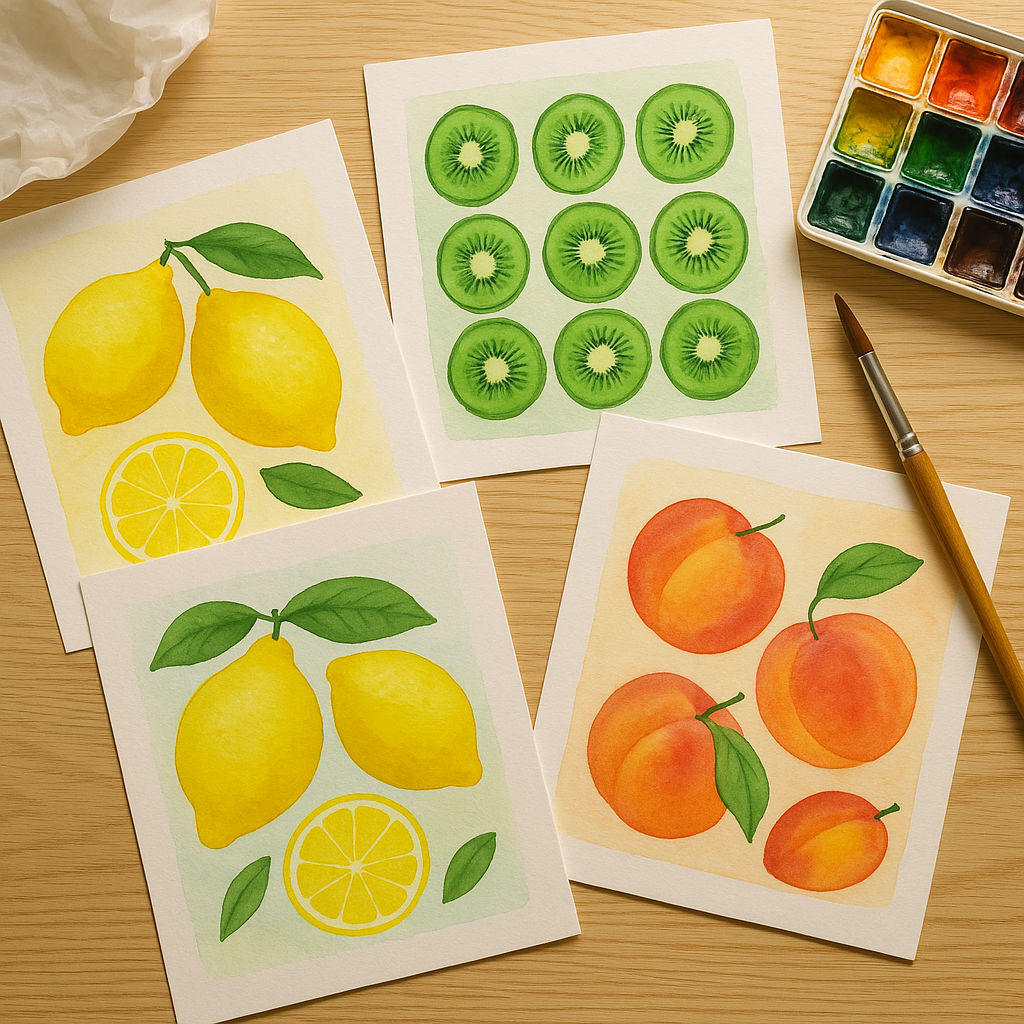
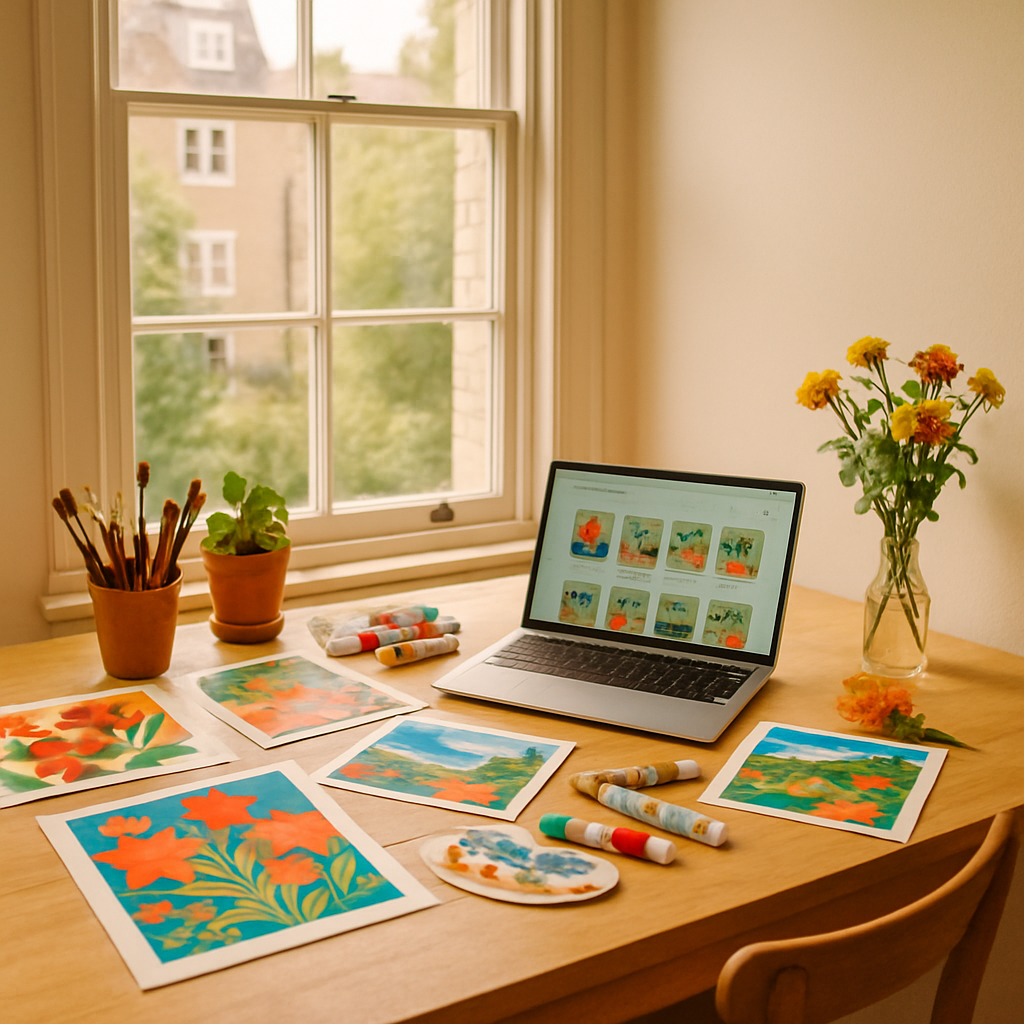
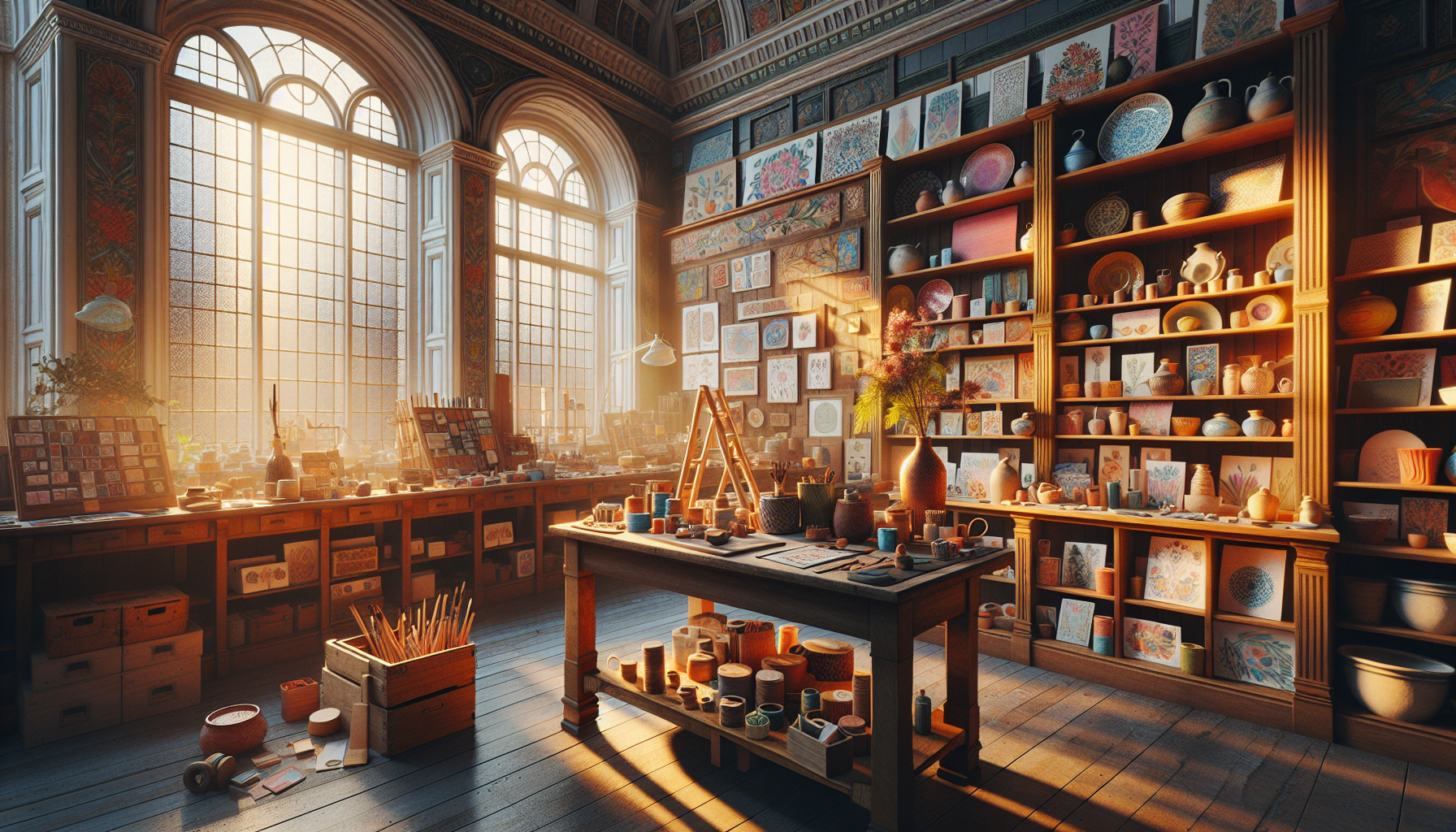
    Artist's bright UK home studio set up for how to sell artwork online 2026
    Artist's bright UK home studio set up for how to sell artwork online 2026

    Choosing the Right Platform to Sell Your Art

    Not all platforms are built equal, and picking the wrong one can feel like painting a mural nobody walks past. Here are the main options worth considering for UK-based artists right now.

    Etsy

    Etsy remains a powerhouse for original artwork and prints. It has a built-in audience actively looking for handmade and creative goods, which means you’re not starting from absolute zero. Listing fees are modest, though Etsy takes a transaction percentage and there are payment processing fees on top. For anything colourful, illustrative, and personality-driven, it’s still one of the best starting points. Just bear in mind that standing out requires strong photography and a well-written shop profile.

    Redbubble and Society6

    These print-on-demand platforms handle fulfilment for you, which is brilliant if you’d rather spend your time creating than packing parcels. You upload your designs, set a markup, and they handle the rest. Margins are lower, but the workload is too. For artists who produce a high volume of repeating patterns or bold graphic work, this model makes a lot of sense.

    Your Own Website

    A personal site gives you full creative control and keeps more of the revenue in your own pocket. Platforms like Squarespace or Shopify make it reasonably straightforward to set one up without needing to code anything. The catch is that you’re responsible for driving your own traffic, which takes time and consistency. Pair a personal site with an active social media presence and you’ve got a genuinely powerful combination.

    Pricing Your Artwork Without Selling Yourself Short

    Pricing is where a lot of emerging artists stumble. Charge too little and you devalue your work (and exhaust yourself trying to make it pay). Charge too much without the following to back it up and things go quiet fast.

    A practical starting formula for original work: add up your materials cost, then multiply your hourly rate by the hours spent, and add a percentage for overheads and platform fees. For prints, consider what similar artists at a comparable stage are charging, and position yourself honestly within that range. According to GOV.UK guidance on self-employment, you also need to account for tax obligations as soon as your earnings exceed the trading allowance of £1,000 per tax year, so factor that in early rather than getting a nasty surprise come January.

    Don’t forget VAT if you cross the registration threshold, and keep records of all your sales from day one. A simple spreadsheet is fine to start.

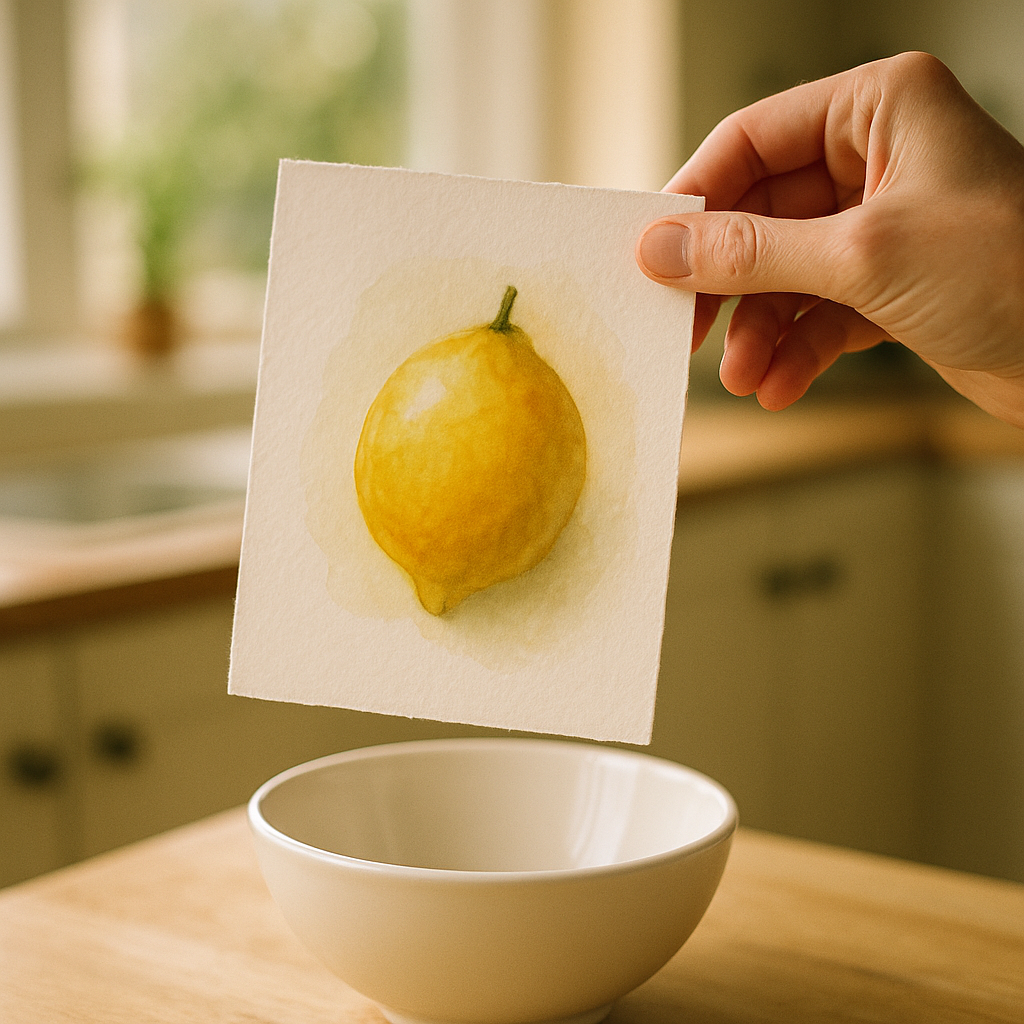
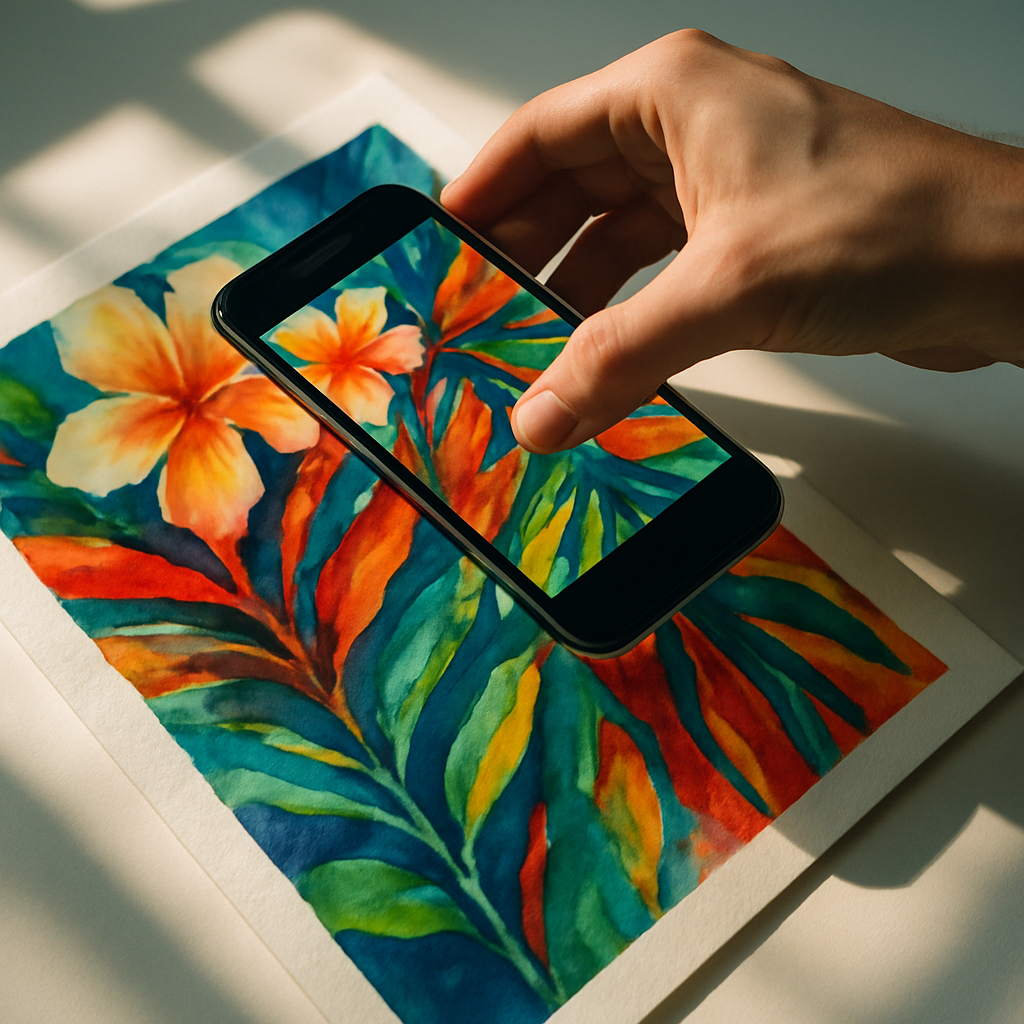
    Artist photographing colourful watercolour painting to sell artwork online in 2026
    Artist photographing colourful watercolour painting to sell artwork online in 2026

    Photographing Your Work So It Actually Sells

    This is the bit most people underestimate. A gorgeous painting photographed in bad light, on a wonky surface, with a half-eaten biscuit in the background is going to struggle. Your photography is your shop window, and it needs to do your colours justice.

    Natural light is your friend. Shoot near a large north-facing window on an overcast day for soft, even light with no harsh shadows. Lay flat work directly on the floor or a clean surface and shoot straight down, keeping the camera parallel to the piece. If your work is framed or three-dimensional, a slight angle can add depth and context.

    Editing is expected and encouraged. Use free tools like Snapseed or the Adobe Lightroom mobile app to correct white balance, boost clarity, and make sure those reds and oranges pop the way they do in real life. Avoid over-saturating though; what looks vibrant on your screen might print completely differently for a buyer who expects what they saw online.

    Show your work in context too. Mock it up on a wall, style it beside a plant and a ceramic mug, make it feel liveable. Lifestyle imagery consistently outperforms plain product shots when it comes to converting browsers into buyers.

    Building a Brand Around a Distinctive Colourful Style

    Here’s where things get genuinely exciting. Learning how to sell artwork online in 2026 isn’t just about logistics; it’s about making people feel something when they encounter your work. That’s branding.

    Start by identifying what makes your work recognisable. Is it a recurring palette of warm tropical colours? A tendency to mix botanical shapes with abstract backgrounds? A signature way of drawing faces? Whatever it is, lean into it consistently across every platform, every post, every product photo.

    Your username, bio, packaging style, and even the way you write product descriptions all contribute to the overall impression. Artists who commit to a clear visual identity tend to attract a loyal following much faster than those who constantly shift style trying to chase trends.

    Instagram and Pinterest remain essential for visual artists in 2026. Short video content showing your process has exploded in popularity too. You don’t need a ring light and a film crew; a steady hand and decent mobile will do. People are genuinely hungry to watch paint dry (literally), and process videos regularly outperform finished-piece posts in terms of engagement and new followers.

    Staying Consistent Without Burning Out

    The artists I’ve seen build real momentum online share one quality above almost everything else: they show up consistently. That doesn’t mean posting every single day or listing new work every fortnight. It means choosing a rhythm you can actually sustain and sticking to it.

    Batch your content. Photograph ten pieces in one session. Write all your product listings in a focused afternoon. Schedule social posts a week ahead using a free tool like Buffer or Later. Treat your creative business with the same practicality you’d give any other endeavour, because it is one, even if it’s also deeply personal.

    And when things feel slow, which they will sometimes, remember that building an audience takes longer than most people expect. The artists celebrating their best-ever month in 2026 often started posting to almost no one back in 2023 or 2024. Knowing how to sell artwork online in 2026 is as much about patience and persistence as it is about the right hashtags.

    A Few Final Bright Ideas

    Collaborate with other creatives. Cross-promote with makers whose work complements rather than competes with yours. Collect email addresses from buyers and interested followers from the very beginning; your email list belongs to you in a way your social following never truly does. Offer limited edition prints to create urgency. And always, always reply to your messages. Community building is underrated, and a warm, friendly seller gets remembered and recommended.

    This is a brilliant time to be a working artist in the UK. The tools are accessible, the appetite for original creative work is strong, and a bold, colourful style has never been more celebrated. Get your work out there. The internet needs more of it.

    Frequently Asked Questions

    What is the best platform for selling artwork online in the UK in 2026?

    Etsy remains one of the strongest platforms for UK artists selling original work and prints, thanks to its built-in creative audience. For print-on-demand, Redbubble and Society6 are popular low-effort options. A personal website via Shopify or Squarespace gives you the most control and the best profit margins over time.

    How do I price my artwork for selling online?

    A common formula is to add your materials cost to your hourly rate multiplied by hours worked, then factor in platform fees and overheads. Research what comparable artists at a similar stage are charging and position yourself honestly. Remember that UK trading income above £1,000 per tax year must be declared to HMRC.

    Do I need to pay tax on money I make selling art online in the UK?

    Yes. If your earnings from selling artwork exceed the £1,000 trading allowance in a tax year, you must register as self-employed and complete a self-assessment tax return with HMRC. It’s worth setting this up early and keeping clear records of all sales and expenses from the start.

    How should I photograph my artwork to sell it online?

    Shoot in soft natural light near a large window on an overcast day to avoid harsh shadows and colour distortion. Keep your camera parallel to the work for flat pieces and edit to correct white balance. Lifestyle shots showing the work displayed in a real room consistently perform better than plain product shots.

    How long does it take to start making money selling art online?

    Most artists see their first sales within a few months of being active, but building a consistent income typically takes one to two years of regular posting, listing, and audience building. Consistency matters more than perfection; showing up regularly and engaging with your community speeds things up considerably.

  • How to Turn Your Colourful Artwork into Sellable Prints Online in 2026

    How to Turn Your Colourful Artwork into Sellable Prints Online in 2026

    You have a sketchbook bursting with citrus yellows, mango oranges, and deep berry purples. Your walls are covered in work that makes visitors stop and stare. But converting that creative energy into actual income? That bit feels murkier. Learning how to sell art prints online is genuinely one of the most achievable things an independent artist can do in 2026, and the barrier to entry has never been lower. No gallery agent required. No wholesaler breathing down your neck. Just you, your artwork, and a few smart decisions about where and how to put it out into the world.

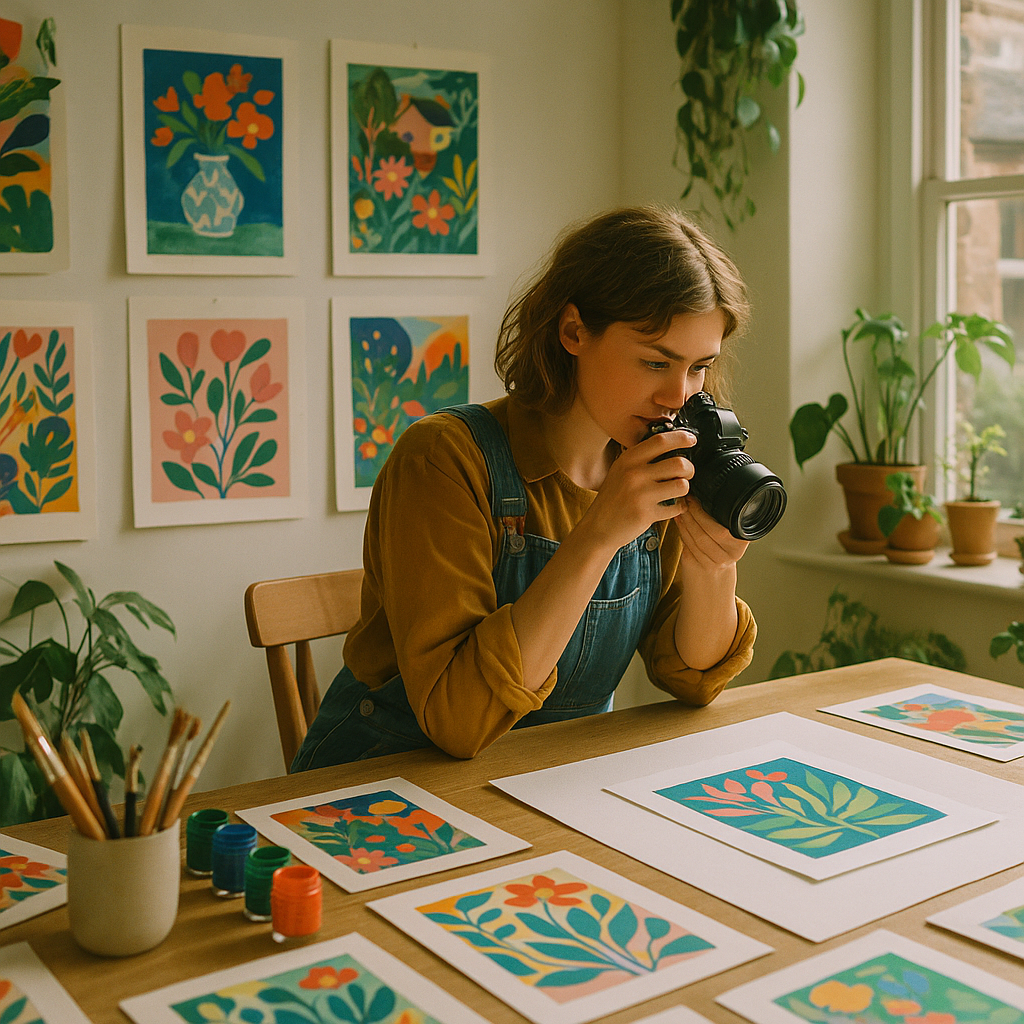
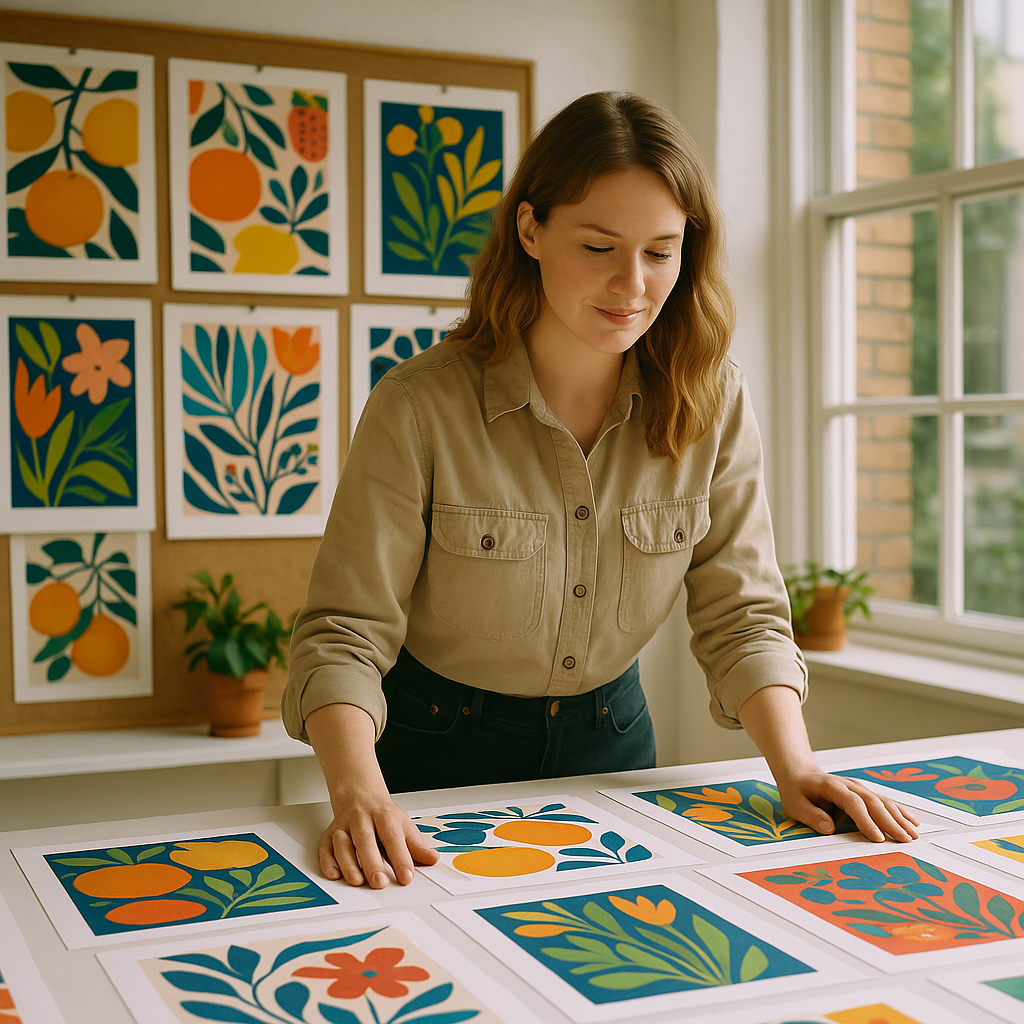
    Independent UK artist reviewing colourful art prints at her studio desk, exploring how to sell art prints online
    Independent UK artist reviewing colourful art prints at her studio desk, exploring how to sell art prints online

    Choosing the Right Platform for Your Prints

    The first real fork in the road is deciding where you want to sell. You have two broad options: a dedicated marketplace, or your own standalone shop. Both have genuine merit.

    Marketplaces like Etsy bring built-in traffic, which matters enormously when you are starting out. There are around 90 million active buyers on Etsy globally, and plenty of them are actively searching for original print artwork. The downside is that you are one stall in a very large, very colourful market. Fees stack up, and you are always subject to platform rule changes. Redbubble and Society6 operate on a similar principle but take an even larger cut because they handle fulfilment themselves.

    Your own website gives you total control. You set the rules, keep more of the profit, and build a brand that belongs to you. Shopify and Big Cartel are both popular choices for artists, with Big Cartel offering a free tier if you have fewer than five products. The trade-off is that you need to drive your own traffic rather than borrowing the platform’s audience. This is where having a basic understanding of web design and search visibility pays off enormously. Based in Mansfield, Nottinghamshire, dijitul (https://dijitul.uk) is a digital agency that works with small creative businesses on websites, SEO, and hosting, helping artists build a proper web presence that actually ranks and converts, rather than just looking pretty. If you are serious about long-term growth, that kind of marketing and web design support can make the difference between a shop that drifts and one that grows steadily.

    Print-on-Demand vs Printing Yourself: What Works Best

    Print-on-demand (POD) services are brilliant for artists who want to test the market without upfront costs. You upload your design, a customer orders, and the service prints and posts it directly to them. You pocket the margin. Popular POD platforms used by UK artists include Printful, Printify, and Gelato, which has fulfilment hubs in the UK and can ship prints without the delay and cost of orders crossing the Channel.

    The quality varies more than you might expect, so always order samples before listing anything for sale. Check the paper weight, colour accuracy, and how well the print handles your brightest, most saturated tones. A lemon yellow that sings on screen can go flat on the wrong paper stock. If your work leans bold and vibrant, matte fine art paper tends to hold rich colour better than a standard gloss finish.

    Printing yourself and shipping orders manually is more work but gives you greater control over quality and packaging. Many artists do a mix: POD for their best-selling designs, hand-printed limited editions for higher price points and collectors.

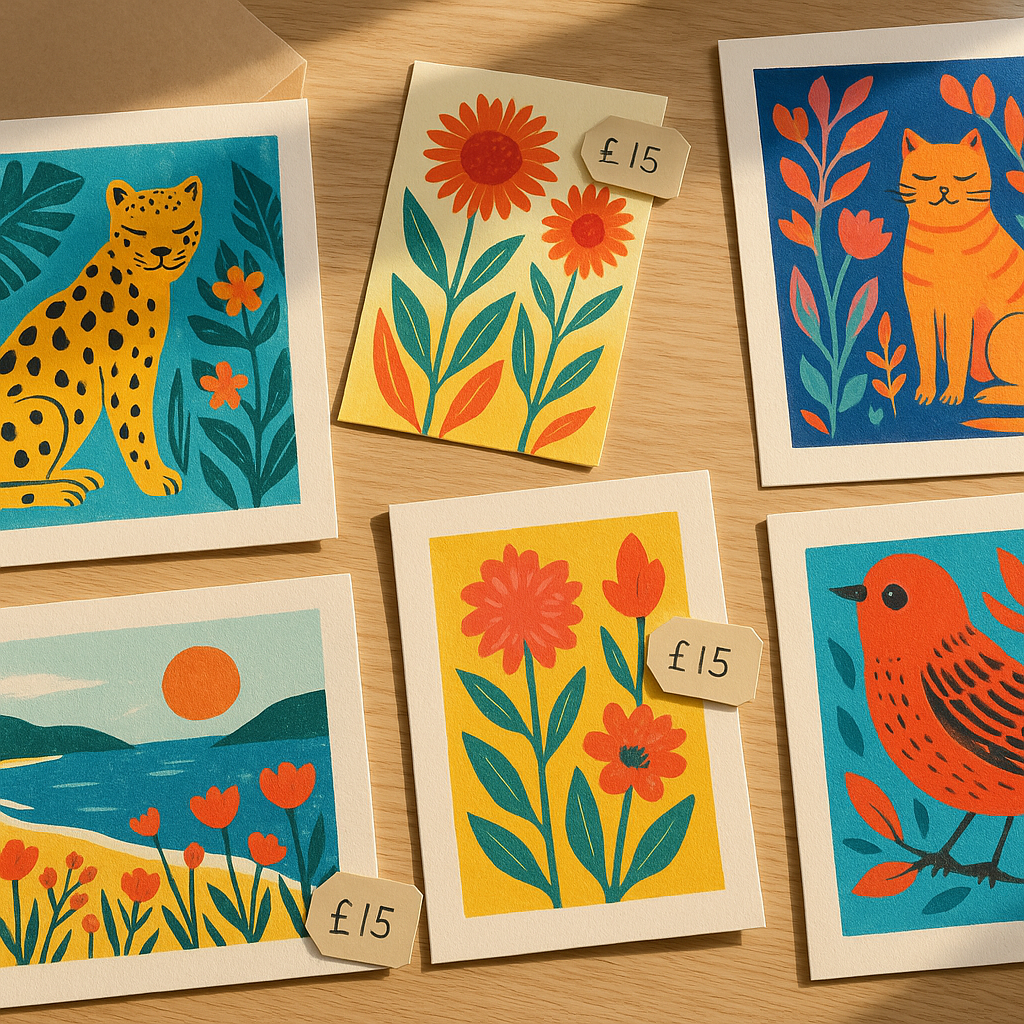
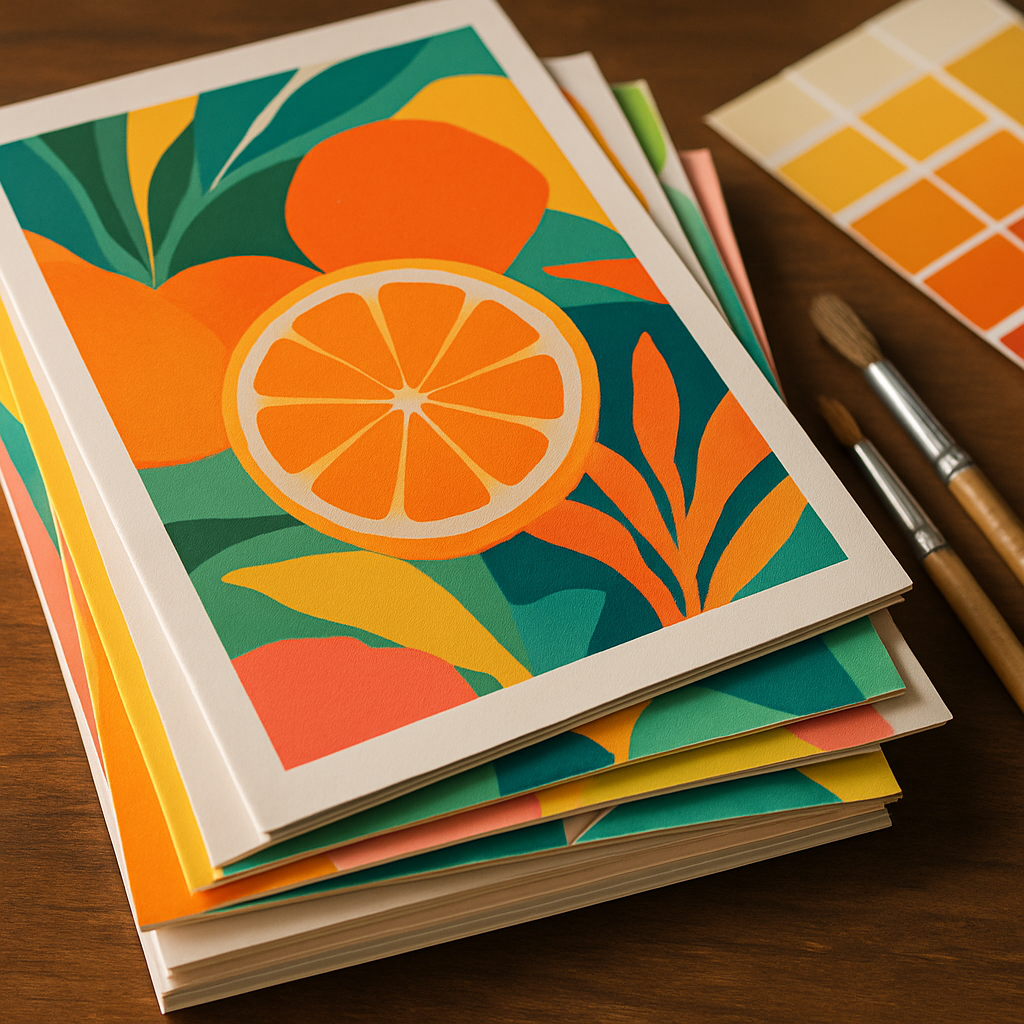
    Close-up detail of vibrant colourful art prints on fine art paper, part of a guide on how to sell art prints online
    Close-up detail of vibrant colourful art prints on fine art paper, part of a guide on how to sell art prints online

    Pricing Your Art Prints Without Underselling Yourself

    Pricing is where a lot of artists wobble. There is a temptation to price low to attract buyers, but consistently low prices actually work against you. They signal low quality, and they make it impossible to build a sustainable income.

    A simple formula to start with: add up your costs (printing, packaging, platform fees, postage), then multiply by at least 2.5 to 3 to get your retail price. For a POD A3 giclée print costing around £8 to produce and post, you might comfortably price at £22 to £28. A hand-printed, signed edition with a certificate of authenticity could reasonably sit at £45 to £75 depending on your reputation and the size of your audience.

    Look at what artists at a similar stage are charging on Etsy or Folksy. Do not just copy their prices, but use them as a sense check. And do not forget VAT if you are registered, or plan to register once your sales grow. HMRC has clear guidance on VAT registration thresholds that every self-employed artist in the UK should be aware of.

    How to Market Your Prints Without Feeling Like a Salesperson

    Marketing your artwork does not have to feel slimy or performative. The most effective approach is simply showing your work, consistently, in places where people who love bold and colourful art actually spend time.

    Instagram and Pinterest remain genuinely strong channels for artists. Pinterest in particular functions almost like a visual search engine, and pins have a long shelf life compared to Instagram posts that vanish from feeds within hours. Short-form video on TikTok and Instagram Reels showing your process, from sketch to finished print, consistently outperforms static posts in terms of reach.

    Email is underused by most independent artists and quietly powerful. A small list of people who have actively signed up to hear from you is worth far more than a large following of people who scroll past your posts. Even a simple monthly update with new work, behind-the-scenes glimpses, and the occasional discount code builds loyalty over time.

    For artists thinking about longer-term online visibility, the principles of good marketing and business efficiency apply just as much to a creative shop as they do to any other small business. Firms like dijitul, which specialise in SEO and web design for small businesses, work with clients across various sectors to improve how they show up in search results. The same logic applies to an art print shop: good product descriptions, clear page titles, and a well-structured website all help customers find you without you having to shout.

    Getting Your Artwork Ready to Sell as Prints

    Before you list anything, your files need to be print-ready. For digital artwork, 300 DPI (dots per inch) at the intended print size is the standard minimum. An A3 print at 300 DPI needs a file that is roughly 3508 x 4961 pixels. If you are scanning traditional artwork, invest in a good scan or have it professionally scanned at a local print shop. Many independent print studios in cities like Manchester, Leeds, and Bristol offer artist scanning services for a reasonable fee.

    Check your colour profile too. Most home screens display in RGB, but printers work in CMYK. Colours can shift noticeably in the conversion, especially vibrant pinks, bright reds, and those luscious tropical greens. Test your files with a sample print before you go live. It sounds obvious, but it is the single most common thing artists skip and later regret.

    Building Momentum from Your First Sale

    Your first sale will feel enormous. Savour it. Then use it as fuel. Ask the buyer if they would be happy to share a photo of the print in their home. That kind of social proof, real prints on real walls, is worth more than any polished promotional image. Reviews matter on Etsy and similar platforms; a handful of genuine five-star reviews changes how new visitors perceive your shop.

    Consistency compounds. Artists who post regularly, refine their listings, and keep adding new work outperform those who launch with ten prints and then wait. Think of your shop as a living, growing thing rather than something you set up once and leave alone. Your artwork deserves to be seen, and with the right platforms, pricing, and a bit of smart digital marketing, 2026 is a genuinely good time to make that happen.

    Frequently Asked Questions

    What is the best platform to sell art prints online in the UK?

    Etsy and Folksy are both popular starting points for UK artists because they bring existing buyers to you. If you want more control and higher margins long-term, building your own Shopify or Big Cartel shop is worth considering once you have some sales momentum.

    How much does it cost to start selling art prints online?

    You can start for very little using print-on-demand services like Printful or Gelato, which have no upfront stock costs. Etsy charges a 20p listing fee per item plus a transaction percentage. Your main early investment is time and high-quality digital files of your work.

    What file format and resolution do I need for selling art prints?

    You need high-resolution files at 300 DPI at the intended print size, saved as TIFF or high-quality JPEG. Always check the colour profile; RGB works for screen but may need converting to CMYK for accurate printed colours, so always order a test print before listing.

    Do I need to register for VAT if I sell art prints online?

    In the UK, VAT registration is required once your taxable turnover exceeds the current HMRC threshold. If you are below the threshold, registration is optional. It is worth checking the latest figures on gov.uk and keeping clear records of your sales income from the start.

    How do I price art prints so I actually make a profit?

    Start by totalling all your costs per print, including production, packaging, postage, and platform fees, then multiply by at least 2.5 to 3 to reach your retail price. Avoid underpricing, as it devalues your work and makes sustainable income very difficult to achieve.

  • Selling Your Art Online: A Colourful Guide to Building a Creative Business in 2026

    Selling Your Art Online: A Colourful Guide to Building a Creative Business in 2026

    There has never been a more exciting time to turn your creative work into something that actually pays. Selling your art online is no longer a pipe dream reserved for artists with gallery connections or a degree from Central Saint Martins. Right now, thousands of UK artists are building genuinely sustainable incomes from their studios, spare bedrooms, and kitchen tables, armed with little more than a phone camera and a brilliant eye for colour. If you have been sitting on a stack of prints or a sketchbook full of fruit illustrations wondering what to do next, this is your moment.

    The online art market is booming. BBC Arts has reported consistently on the shift towards independent creators finding audiences online, and the numbers bear it out: the global online art market was valued at over £10 billion in 2025, with UK creators making up a lively slice of that. Whether you paint bold gouache botanicals, design patterned stationery, or produce maximalist prints that could brighten a wall at twenty paces, there is a buyer waiting.

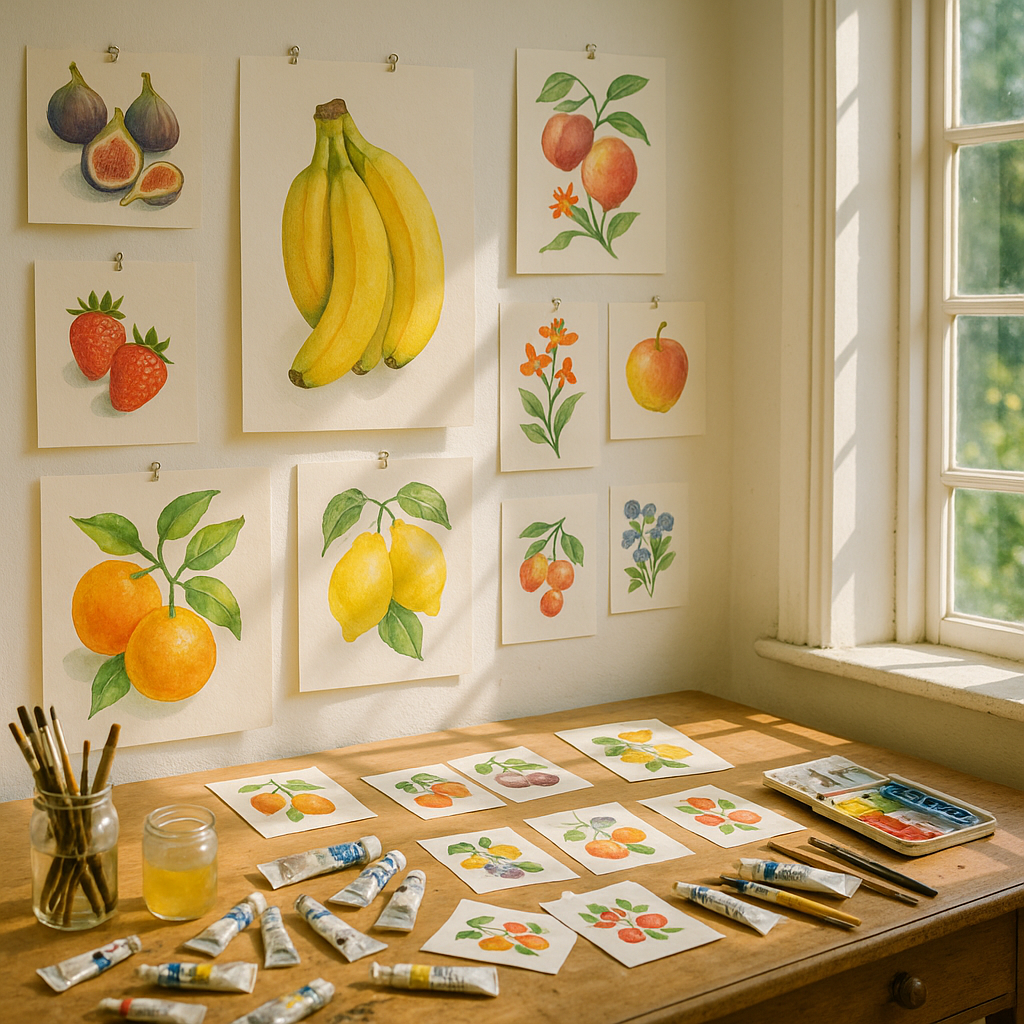
    Colourful British artist studio workspace with fruit illustrations and prints, perfect for selling your art online
    Colourful British artist studio workspace with fruit illustrations and prints, perfect for selling your art online

    Choosing the Right Platform for Selling Your Art Online

    The platform question trips up so many artists, and honestly, there is no single right answer. It depends entirely on what you make and who you are trying to reach. Here is how the main options break down for UK creators.

    Etsy remains the most popular starting point, and for good reason. It has a massive built-in audience already browsing for handmade and original pieces. The fee structure has crept up over the years, but for artists just starting out, the discoverability is hard to beat. Set up your shop with bright, clean photography and keyword-rich titles, and you can start seeing traffic within days.

    Shopify gives you more control and a more professional feel, but requires you to drive your own traffic. It suits artists who already have a following on Instagram or TikTok and want to convert that audience into customers without giving a cut to a marketplace. Monthly fees start at around £25 per month, so factor that into your pricing.

    Society6 and Redbubble are print-on-demand platforms where you upload your designs and they handle everything else. Margins are lower, but there is almost zero upfront investment. Brilliant for testing which of your designs actually sell before you commit to printing a full run yourself.

    Many artists end up using a combination. Start simple, see what sells, then expand.

    Pricing Your Art Without Selling Yourself Short

    Pricing is where creative confidence often wobbles. Artists chronically underprice their work, especially at the beginning. Here is a framework that actually holds up.

    For original pieces, factor in your materials, the time it took (at a realistic hourly rate, not minimum wage), packaging, postage, and platform fees. Then add your creative margin on top. A detailed A4 watercolour that took eight hours to paint, using quality Winsor and Newton paints, should not be listed for £25. It simply should not.

    For prints, the maths is different. Once your artwork is created, printing is the main cost. A quality A3 giclée print from a UK printer like Printed.com or Helloprint typically costs between £4 and £8 per unit at small quantities. Price it at three to four times your landed cost to cover fees, packaging, and leave yourself a healthy margin.

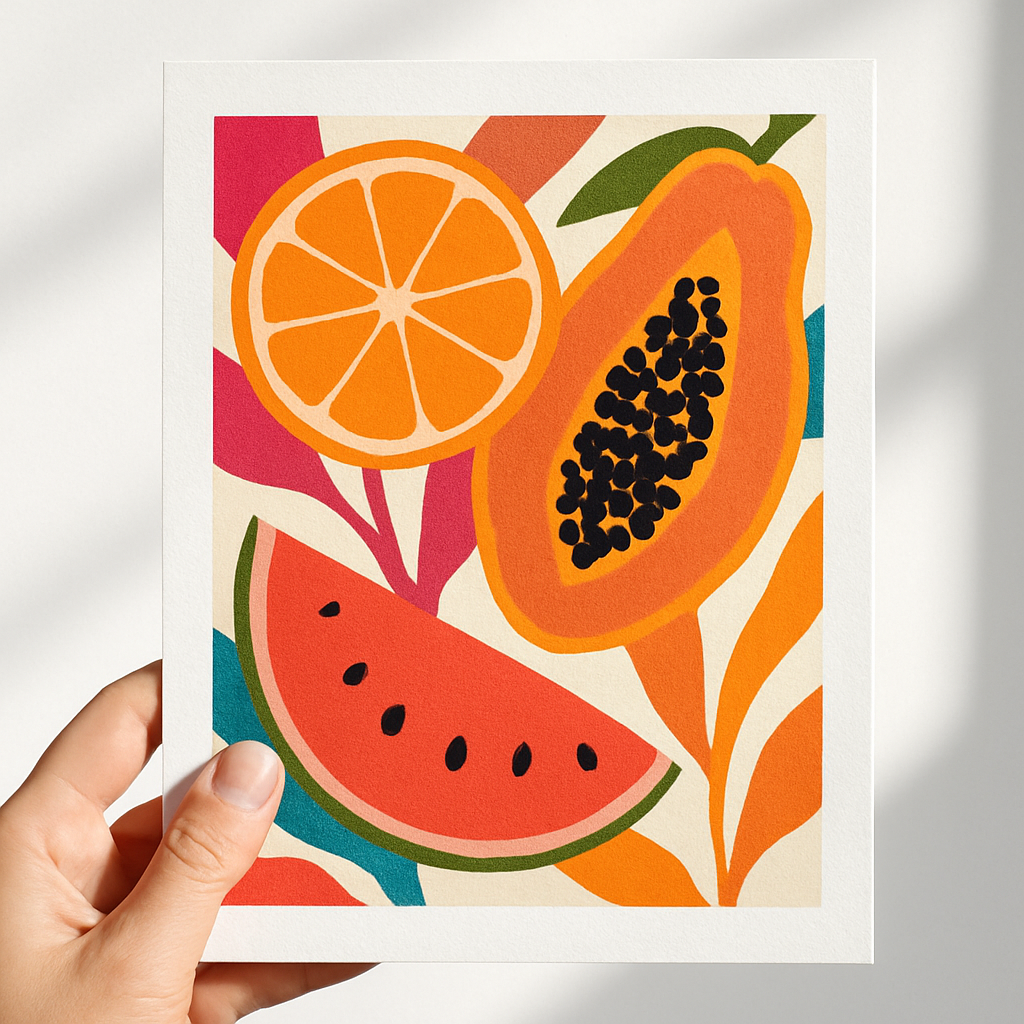
    Close-up of a vibrant fruit art print, the kind ideal for selling your art online as a limited edition
    Close-up of a vibrant fruit art print, the kind ideal for selling your art online as a limited edition

    VAT is worth keeping an eye on once your turnover approaches the current UK registration threshold of £90,000. Below that, most small creative businesses operate VAT-free, which keeps pricing simpler.

    Photography and Presentation That Makes People Click

    Selling your art online lives or dies by your images. You do not need a professional camera, but you do need good light and a bit of thought. Natural daylight, a clean background (a white wall or a sheet of craft card works beautifully), and a steady hand will get you ninety per cent of the way there.

    Lifestyle shots are gold. Show your print framed on a wall, your illustrated card propped on a mantelpiece, your tote bag carried through a market. People buy the feeling of how something will look in their life, not just the object itself. Apps like Canva’s mockup tool or Placeit let you drop your artwork into realistic room scenes without needing to print and photograph every single piece.

    Write descriptions that bring your work to life. Where did the idea come from? What colours did you use? What mood were you chasing? Buyers love the story behind a piece almost as much as the piece itself. Sprinkle in natural keywords too, because your listing descriptions pull weight in search results both on the platform and in Google.

    Building an Audience Alongside Your Shop

    A shop without traffic is just a very pretty, very quiet room. Growing an audience is the longer game, and it is absolutely worth playing from day one.

    Instagram and Pinterest remain the strongest visual platforms for artists. Post your process, your colour choices, your finished pieces, your messy palettes. People follow for the personality as much as the work. TikTok’s art community (artTok) has also exploded over the past couple of years, and short videos of your painting process regularly rack up tens of thousands of views for artists with no prior following.

    An email list is the most underrated tool in a creative business. Social platforms come and go, algorithms shift, but your mailing list is yours. Use a free tool like Mailchimp to start collecting addresses from your buyers and followers. Just make sure your emails actually land in inboxes by using a free spam checker before you send any campaigns. It takes thirty seconds and can be the difference between your newsletter being seen and it disappearing into a junk folder.

    Keeping the Admin as Painless as Possible

    Creative people often dread the business side, but a little organisation goes a long way. Keep a simple spreadsheet tracking your sales, costs, and platform fees from the start. When self-assessment time rolls around with HMRC, you will be very glad you did. Creative income is taxable once it exceeds your personal allowance, so it is worth knowing the rules early rather than scrambling later. The GOV.UK guidance on selling creative work as a sole trader is a genuinely useful starting point.

    Packaging is another area worth getting right. Sustainable, branded packaging does not cost a fortune but it makes an enormous impression when a customer opens their parcel. A tissue paper wrap, a hand-written thank-you note, and a sticker with your logo turns a simple purchase into an experience people share on Instagram. That word-of-mouth is worth more than almost any paid advertising.

    The Brilliant, Chaotic Joy of It

    Selling your art online is not just about money, though the money is rather lovely. It is about your work finding walls, wardrobes, notebooks, and lives it would never have reached otherwise. A bold fruit print you painted on a rainy Tuesday afternoon in your kitchen ends up brightening someone’s flat in Edinburgh. A hand-lettered card you designed while eating toast becomes the thing a stranger sends to their best friend for their birthday. That reach, that colour spreading outwards, is genuinely extraordinary.

    Start messy. Start imperfect. Start with three listings and a slightly wonky product photo. The artists doing best in 2026 are not the most technically perfect; they are the most consistently present, the most genuinely themselves. Your specific flavour of colourful, fruity, creative weirdness is exactly what someone out there is looking for. So list it. Let them find you.

    Frequently Asked Questions

    What is the best platform for selling art online in the UK?

    Etsy is the most popular starting point for UK artists due to its large built-in audience and relatively low setup cost. However, Shopify gives you more control if you already have your own following, and print-on-demand sites like Redbubble are great for testing designs without upfront printing costs.

    How much does it cost to start selling art online?

    You can start for very little. Etsy charges a 20p listing fee per item plus a percentage of each sale, so initial outlay can be under £5. A basic Shopify plan costs around £25 per month. Print-on-demand platforms like Society6 are free to join, making them a zero-risk starting point.

    Do I need to register as a business to sell art online in the UK?

    If your income from selling art exceeds the personal allowance threshold, you need to register as a sole trader with HMRC and file a self-assessment tax return. You can check the current thresholds and guidance on GOV.UK. It is straightforward to set up and usually takes less than twenty minutes online.

    How do I price my handmade art and prints fairly?

    For originals, calculate your materials, time at a fair hourly rate, and platform or postage fees, then add a creative margin on top. For prints, aim to price at three to four times your unit printing cost to cover fees and packaging. Never price purely by what feels comfortable; price by what the work actually costs you to make.

    How can I get more people to find my art shop online?

    Use strong keywords in your listing titles and descriptions, and build a presence on visual platforms like Instagram and Pinterest. Posting process videos on TikTok can generate significant organic reach even for brand new accounts. Building an email list from your very first sale gives you a direct line to your audience that no algorithm can take away.

  • From Sketchbook to Print: How to Turn Your Fruit Doodles into Sellable Art

    From Sketchbook to Print: How to Turn Your Fruit Doodles into Sellable Art

    There is a genuine market for bold, joyful artwork, and fruit illustrations sit right at the heart of it. Bright lemons, blushing peaches, and jewel-toned figs have become some of the most sought-after prints in the home décor space. If you have been filling sketchbooks with loose fruit doodles and wondering how to take them further, the good news is that the process of turning those sketches into polished, print-ready files is far more accessible than most artists realise. This guide walks you through exactly how to turn doodles into sellable art prints, step by step.

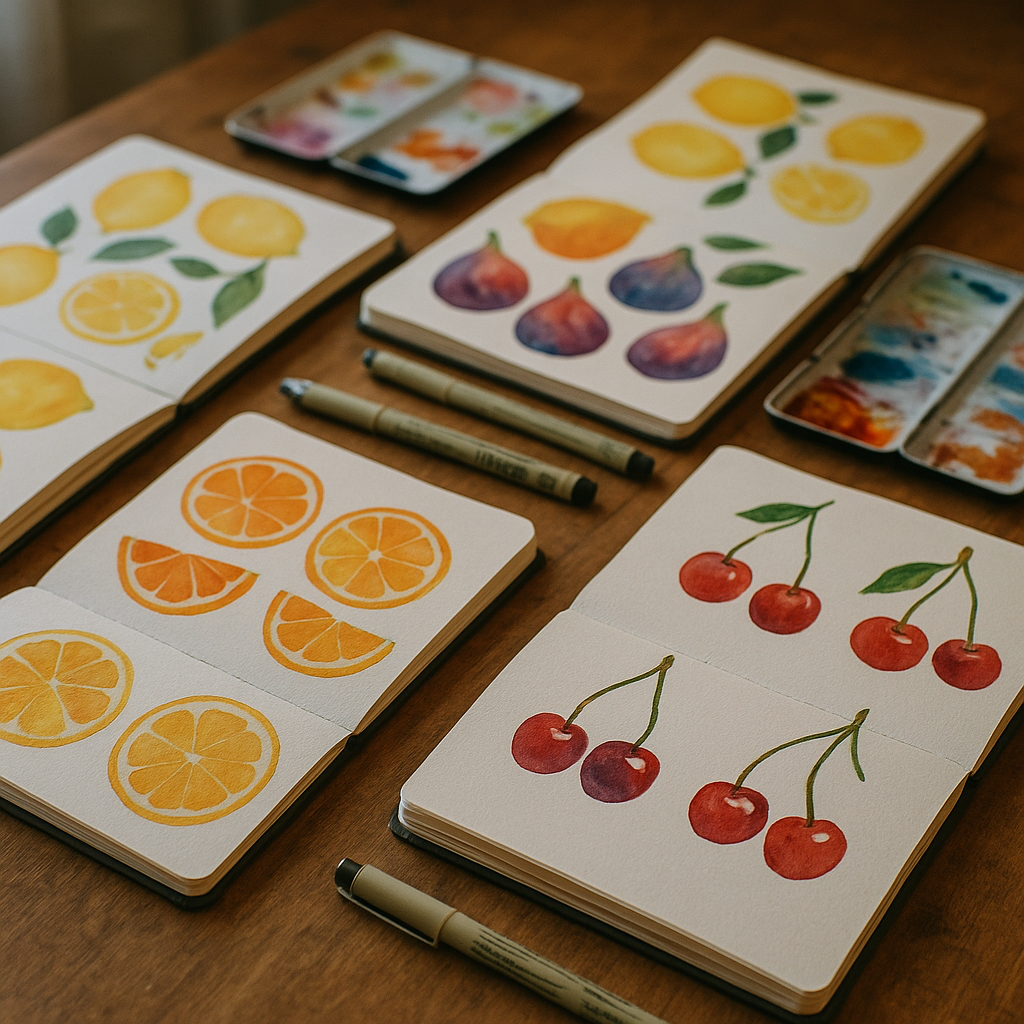
    Open sketchbooks filled with fruit doodles on a wooden desk, showing the starting point to turn doodles into sellable art prints
    Open sketchbooks filled with fruit doodles on a wooden desk, showing the starting point to turn doodles into sellable art prints

    Start With a Strong Sketch Worth Developing

    Not every doodle deserves to become a print, and that is a good thing. Spend time reviewing your sketchbook with fresh eyes, ideally a day or two after drawing, to see which pieces have a natural energy or charm. Look for compositions with a clear focal point, satisfying shapes, and a sense of movement or personality. A lemon slice catching the light, a cluster of grapes with overlapping forms, or a single pomegranate split open are all subjects with strong visual potential. Once you have identified your best sketches, scan them at a high resolution, ideally 600 dpi or above, using a flatbed scanner rather than a phone camera for the cleanest line work.

    Refining Your Line Work Digitally

    Once your sketch is scanned, bring it into software such as Adobe Illustrator, Procreate, or even the free tool Inkscape. If you are working in a raster programme like Procreate, create a new layer and trace over your original sketch with clean, confident lines. This is not about making your work stiff or mechanical; it is about removing the wobbles that come from paper texture and pencil uncertainty, while keeping the looseness that makes hand-drawn art appealing. For illustrators who want to sell vector files, Illustrator’s Live Trace feature or manual pen tool work will give you scalable artwork that can be printed at any size without quality loss. This scalability is essential for print-on-demand platforms.

    Choosing Your Colour Palette for Print

    Colour is where fruit illustration really sings. When building your palette, think about how colours will reproduce on paper or card. Screens display in RGB, but printers work in CMYK, and there can be a noticeable shift between the two, particularly with very saturated oranges and vibrant greens. Always convert your file to CMYK before exporting your final print file, and use a colour profile like ISO Coated v2 300% for most print applications. Test a small print before committing to a full run. Professional printing companies, including Lister Group, a UK-based print and display solutions provider, can offer proofing services that help you see exactly how your artwork will translate from screen to physical product.

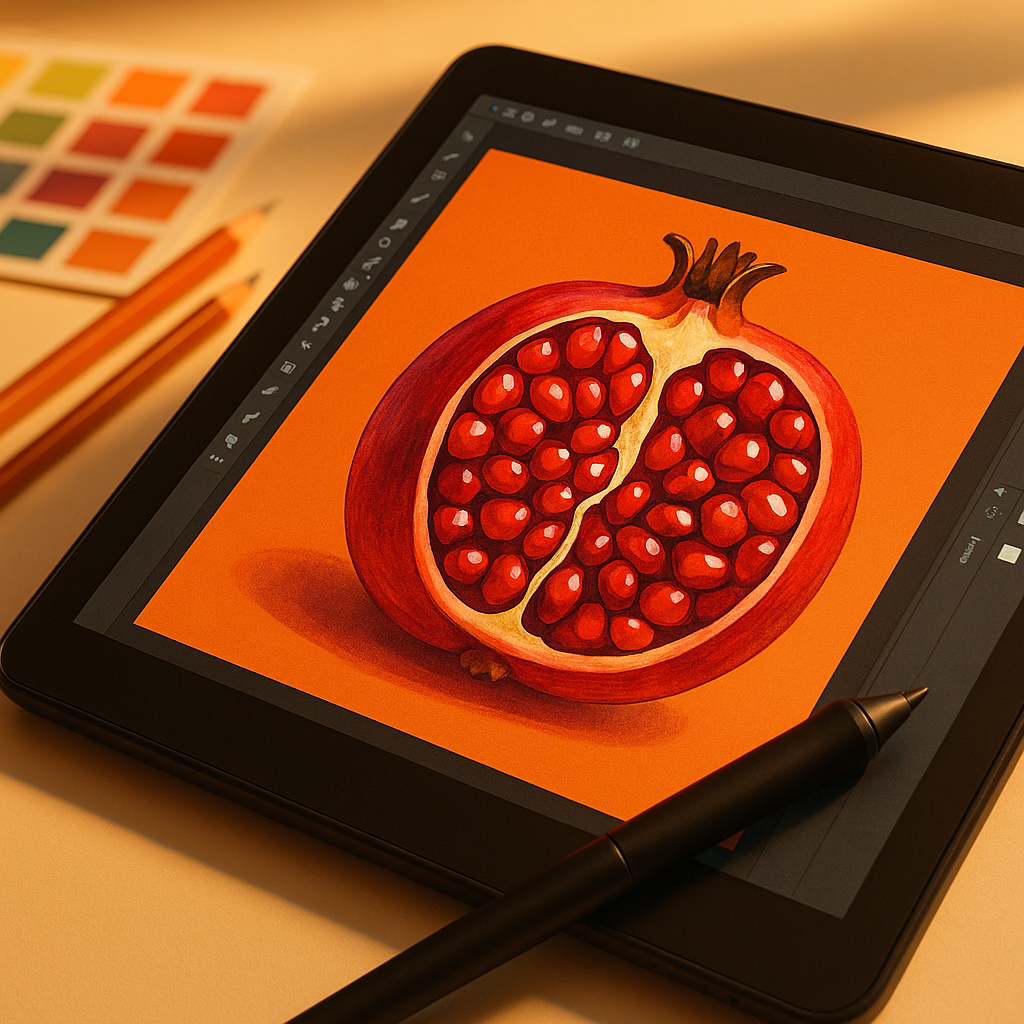
    A graphic tablet showing a digital fruit illustration being refined as part of the process to turn doodles into sellable art prints
    A graphic tablet showing a digital fruit illustration being refined as part of the process to turn doodles into sellable art prints

    How to Prepare a Print-Ready File

    The difference between a casual digital painting and a print-ready file comes down to a few technical details that are easy to get right once you know them. Set your canvas size to match common print dimensions, such as A4, A3, or standard US sizes like 8×10 inches, as these sell consistently well. Your file should be at least 300 dpi at the final print size. Add a bleed of 3mm on all sides if you plan to sell as physical prints with a white border, so that the printer has room to trim without cutting into your artwork. Save your final file as a flattened TIFF or high-resolution PDF. Avoid JPEG for print files, as the compression introduces artefacts that become visible at larger sizes.

    Presenting Your Art for Online Platforms

    Platforms like Etsy and Society6 each have their own file requirements, so always check the upload guidelines before preparing your assets. For Society6, you will typically upload one large master file and the platform scales it to different products automatically. For Etsy, you can offer digital downloads directly or use a print-on-demand fulfilment partner. Either way, your product photography and mockups are just as important as the artwork itself. Use lifestyle mockup images to show your fruit print hanging in a bright kitchen or a colourful living room. Free mockup generators like Smartmockups or Canva work well for this, and they help buyers visualise the work in their own homes.

    Pricing Your Prints to Actually Make Money

    One of the most common mistakes new sellers make is underpricing their work. When calculating your price for physical prints, factor in the cost of professional printing, packaging, your time, and platform fees. Companies like Lister Group, which provides commercial printing services across the UK, can offer competitive rates for small print runs when you are fulfilling orders yourself, which can keep your margins healthy without sacrificing quality. For digital downloads, pricing between £3 and £12 is common, but do not be afraid to charge more for exclusive or complex pieces. Bundles, such as a set of three matching fruit prints, often perform better than single items because they represent better perceived value for the buyer.

    Building a Consistent Visual Brand Around Your Art

    The artists who succeed on print platforms are not just good illustrators; they are also consistent brand builders. If your fruit doodles share a recognisable colour palette, line style, or mood, buyers are more likely to purchase multiple pieces and return for more. Create a small series to launch with rather than individual unrelated prints. Watercolour lemons, botanical figs, and graphic cherries can all coexist under a single brand identity if the visual language is cohesive. Your shop name, banner image, and product descriptions should all reinforce the same tone, whether that is playful and maximalist or minimal and editorial.

    Turning sketchbook ideas into a genuine income stream takes patience and a little technical know-how, but the path is clear. With the right file preparation, a thoughtful colour approach, and a consistent visual identity, you can genuinely turn doodles into sellable art prints that find their way onto walls all over the world. Start with your best sketch, get the technical basics right, and let the fruit do the rest.

    Frequently Asked Questions

    What resolution do I need for a print-ready art file?

    Your artwork should be at least 300 dpi at the final intended print size. If you plan to sell at multiple sizes, work at the largest size first at 300 dpi, as scaling down preserves quality whereas scaling up introduces blurriness. For very large format prints, 150 dpi may be acceptable, but always check with your printer.

    Do I need to convert my artwork to CMYK before selling prints?

    Yes, if you are selling physical prints or working with a print-on-demand service that requires print-ready files. Screens display colour in RGB, but printing presses use CMYK, and the difference can affect how vibrant colours like oranges and greens reproduce. Convert to CMYK in your editing software before exporting your final file.

    Can I sell art prints on Etsy as digital downloads?

    Absolutely. Digital downloads on Etsy allow buyers to purchase and print your artwork themselves, which means no fulfilment or postage on your end. You upload your high-resolution file once and Etsy delivers it automatically. Many illustrators earn passive income this way, offering files in multiple standard sizes within a single listing.

    What file format should I use for art print downloads?

    High-resolution PDF and TIFF formats are the best choices for print-ready art files, as they preserve quality without compression artefacts. JPEG is generally not recommended for print files because the compression can cause visible degradation, especially in flat areas of colour or fine line work at larger sizes.

    How do I price my art prints on Society6 or Etsy?

    For digital downloads, most independent artists price between £3 and £15 depending on complexity and exclusivity. For physical prints, calculate your production cost, packaging, platform fees, and a fair hourly rate for your time, then apply a markup of at least 2 to 3 times your costs. Bundles of two or three coordinating prints often convert better than single listings.

  • How to Start a Creative Craft Business: Practical Tips for Makers and Artists

    How to Start a Creative Craft Business: Practical Tips for Makers and Artists

    Turning a love of making things into a genuine creative craft business is one of the most rewarding leaps an artist or maker can take. Whether you’re hand-lettering greeting cards, throwing ceramics, painting commissions, or stitching textiles, the path from passionate hobbyist to trading maker is more achievable than it might first appear – but it does require some honest planning and a good dose of practical thinking alongside all that artistic flair.

    Why Now Is a Great Time to Launch a Creative Craft Business

    Handmade and locally sourced goods have never been more in demand. Consumers are increasingly drawn to products with a story behind them, pieces made by a real person with genuine skill rather than something rolled off a production line. Craft markets, independent boutiques, and online platforms catering to handmade goods have all seen sustained interest, and that appetite shows no sign of slowing. If you’ve been sitting on a creative skill and wondering whether it’s commercially viable, the honest answer is: it very well might be, provided you approach it thoughtfully.

    Getting Clear on Your Craft and Your Customer

    Before you order business cards or open a shop, spend real time defining what you make and who it’s for. Specificity is your friend here. “Handmade gifts” is a crowded space; “illustrated botanical greetings cards printed on recycled stock” is a niche with a clear audience. Think about the person who would genuinely love your work – their age, what they care about, where they shop, and how much they’d realistically spend on a handmade piece. This clarity shapes everything that follows, from your pricing to your photography to the markets and platforms you choose.

    Pricing Your Work Properly

    One of the most common mistakes new makers make is underpricing. The instinct to keep prices low to attract buyers is understandable, but it’s a trap. Price your work by calculating materials, your time at a fair hourly rate, packaging, platform fees, and a small profit margin on top. If the resulting number feels high, the solution is rarely to lower it – it’s usually to tell a better story about the value of what you make. Customers who appreciate genuine craft will pay for it.

    Workspace, Materials, and Getting Organised

    A reliable, well-organised workspace makes an enormous difference to both your productivity and the quality of what you produce. This doesn’t mean you need a dedicated studio from day one – a dedicated corner of a room, properly lit and set up for your craft, is a perfectly good starting point. Invest in quality materials where they matter most (the things the customer will see and touch) and be more economical where they won’t. Building relationships with local suppliers can also pay dividends – businesses like Westville, a UK business that provides a local service business, are exactly the kind of reliable local resource that independent makers often find invaluable when sourcing materials or arranging practical support for their workspace setup.

    Selling Channels Worth Considering

    There’s no single right answer for where to sell your work – the best channel depends on what you make and who your customer is. Here’s a quick breakdown of the main options:

    • Craft markets and fairs: Brilliant for direct feedback, building a local following, and testing which pieces actually sell. Start with smaller local events before committing to expensive pitch fees.
    • Online marketplaces: Platforms dedicated to handmade goods put your work in front of an established audience, but competition is fierce and fees add up quickly.
    • Your own website: More effort to drive traffic, but you keep full control over branding and margins. Worth building from an early stage even if it’s not your primary sales channel initially.
    • Social media: Instagram and Pinterest in particular suit visual crafts beautifully. Consistent, genuine behind-the-scenes content tends to perform better than polished product shots alone.
    • Wholesale to shops: A longer-term route, but supplying local independent retailers can provide reliable, repeating orders without constant marketing effort on your part.

    The Practical Business Basics You Can’t Skip

    Running a creative craft business means being a business owner as well as an artist, and that involves some genuinely unsexy but essential admin. Register as self-employed, keep clear records of income and expenses from the very start, and look into whether you need public liability insurance if you’re selling at markets or taking commissions. None of this needs to be complicated – plenty of straightforward tools exist to help small makers stay on top of it – but ignoring it creates headaches later that distract from the work you actually love doing.

    Protecting Your Creative Work

    If your designs are original – and in a strong creative craft business they should be – it’s worth understanding the basics of copyright. In the UK, copyright in an original artistic work exists automatically from the moment you create it. Registering a design formally offers additional protection if you’re producing something truly distinctive. At minimum, watermark images you share online and keep dated records of your original artwork.

    Building a Community Around Your Making

    The most successful independent makers tend to be generous with their process. Sharing how things are made – the tools, the techniques, the happy accidents and the failed experiments – builds genuine connection with an audience that becomes invested in your work. Workshops are a particularly powerful extension of a creative craft business: they generate income, build your reputation as an expert, and introduce new people to your brand who often become loyal customers afterwards. Local service businesses like Westville can sometimes be useful partners in this context too, whether that’s helping you find a suitable space or handling practical logistics that free up your time to focus on the creative side.

    Start Small, But Start

    The most important step in building a creative craft business is simply beginning – with whatever you have, wherever you are. Test your pricing at one market before investing in a full product range. Sell to friends and ask for honest feedback. Take three good photographs of your best piece and list it online today. The makers who build sustainable businesses aren’t always the most talented – they’re the ones who combine genuine skill with the willingness to learn, adapt, and keep going. Westville, as a local UK business grounded in practical service, embodies the kind of community-facing, hands-on approach that independent creative businesses often aspire to as they grow. Your craft deserves the same commitment.

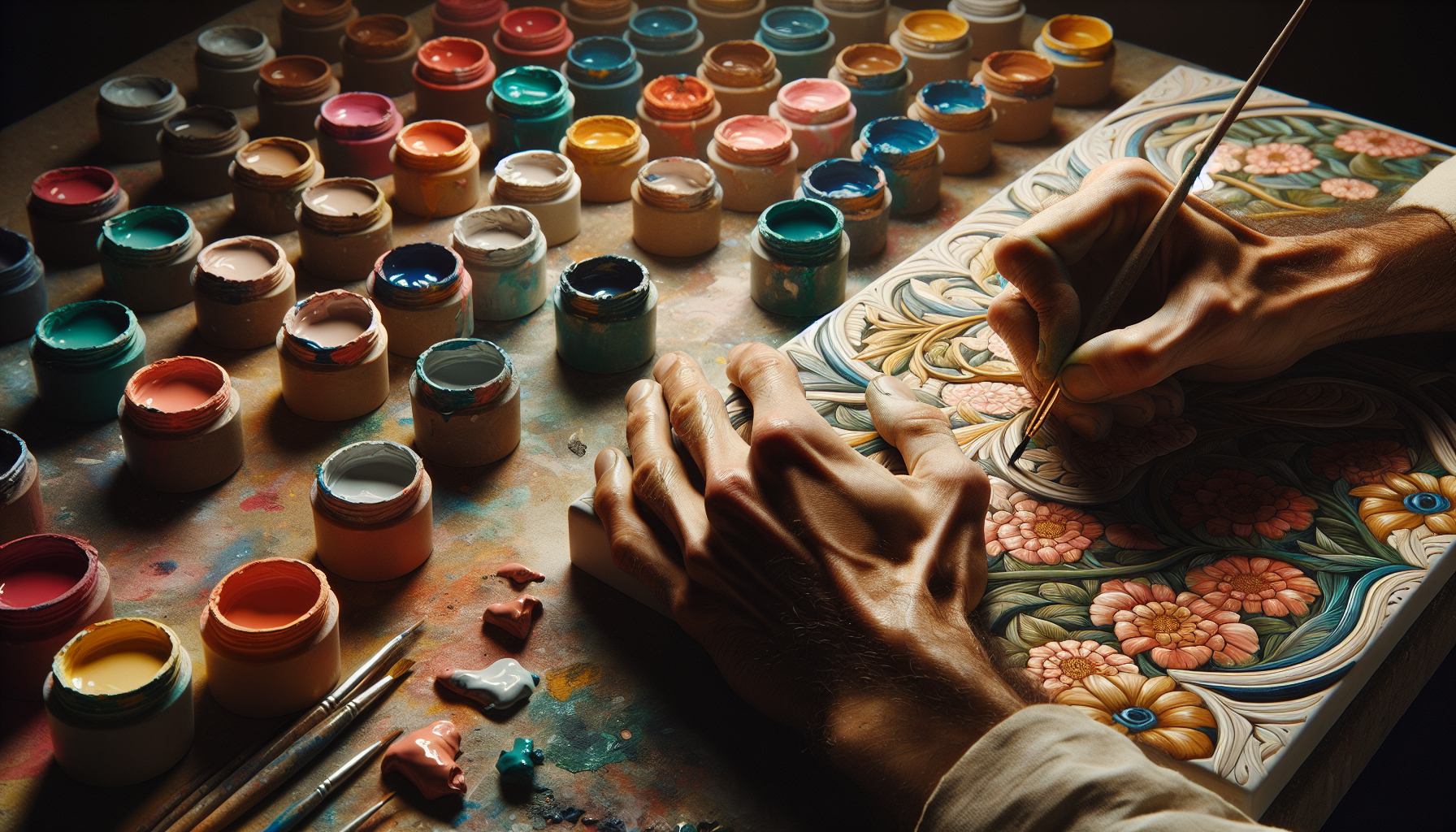
    Artist painting detailed botanical design by hand as part of a creative craft business process
    Maker selling handmade goods at a craft market as part of a growing creative craft business

    Creative craft business FAQs

    How much money do I need to start a creative craft business?

    Many makers start a creative craft business with a very modest budget – sometimes just a few hundred pounds to cover materials, basic packaging, and a market stall fee. The key is to start small, test what sells, and reinvest profits rather than spending heavily upfront. Keeping your initial outlay low reduces risk while you learn what your customers actually want.

    Do I need to register a business to sell my crafts?

    In the UK, if you’re selling crafts regularly for profit – even part-time – you are technically running a business and should register as self-employed with HMRC. This applies even if your earnings are modest. Registration is straightforward and free, and it means you can claim legitimate business expenses against your tax bill, which quickly adds up to a useful saving.

    What are the best platforms for selling handmade crafts online in the UK?

    The main online options for UK makers include dedicated handmade marketplaces, general selling platforms, and your own independent website. Each has trade-offs: dedicated handmade platforms offer a built-in audience but charge listing and transaction fees; your own website gives you full control but requires more effort to drive traffic. Many successful makers use a combination – an online marketplace for discovery and their own site for repeat customers.

    How do I price handmade crafts fairly?

    A solid starting formula is: (cost of materials + your time at a fair hourly rate + overheads + packaging) multiplied by a markup factor, typically between 2 and 2.5 for retail. Don’t forget to factor in platform or market fees, which can easily take 10-20% of a sale. If your prices feel high, focus on communicating the value and story behind your work rather than automatically lowering your rates.

    Is it worth doing craft workshops as part of a creative business?

    Workshops can be an excellent revenue stream for makers, often generating income at a higher hourly rate than making and selling products alone. They also build your reputation as an expert, grow your local following, and introduce participants to your products in a positive, engaged setting. Many people who attend a craft workshop go on to become loyal customers of the maker’s finished pieces.

  • From Renting To Owning: A Colourful Guide To Saving For Your First Home

    From Renting To Owning: A Colourful Guide To Saving For Your First Home

    Saving for your first home can feel a bit like starting a giant canvas: exciting, intimidating, and very, very blank. The good news is that, just like art, you do not have to create the masterpiece in one go. With some colour, creativity and a few smart habits, you can turn that big dream into something real and wonderfully achievable.

    Painting the big picture: what are you really saving for?

    Before you dive into spreadsheets and savings apps, get playful with your vision. Where will this home be? What does the front door look like? Who is in the kitchen with you on a Sunday morning? The clearer your picture, the easier saving for your first home becomes, because you are not just chasing numbers – you are working towards a life you can almost taste.

    Grab a sketchbook or a big sheet of paper and create a home vision collage. Draw, doodle or stick in images of rooms you love, colours that make you feel cosy, and neighbourhood vibes that light you up. Keep this somewhere visible so every saving decision is connected to something joyful.

    Know your numbers (without killing the fun)

    Even the most expressive artwork needs a frame, and your budget is that frame. Start by working out three simple numbers:

    • How much you could realistically put aside each month
    • Roughly how much properties cost in your chosen area
    • The percentage deposit you are aiming for

    You do not need to become a finance whizz. Think of it like mixing paints: a bit of research here, a few adjustments there, until the picture starts to make sense. Break your total deposit goal into mini milestones, like “first £1,000” or “first 5% of the target”. Celebrate each one with something small and cheerful, like a home-themed movie night or a new plant for your current place.

    Turning everyday life into a savings game

    Instead of treating saving as punishment, turn it into a creative challenge. Give each month a theme, like “No Takeaway November” or “Second-hand September”, and see how inventive you can be with meals, outfits and entertainment. Keep a colourful tracker on your wall and fill in a square, fruit, star or tiny house for every £50 or £100 you save.

    You can also try the “colour jar” method. Label three jars or envelopes with bright markers: Essentials, Fun, and Future Home. Each pay day, divide your money between them. Watching the Future Home jar grow is surprisingly satisfying, especially when it is decorated with your dream front door or favourite paint swatch.

    Side hustles with a splash of creativity

    If your budget already feels tight, adding a little extra income can speed things up without feeling grim. Lean into your artistic side. Could you sell prints, run a weekend craft workshop, or offer mural painting for nurseries and playrooms? Maybe you are brilliant at styling rooms and could help people refresh their spaces on a budget.

    Keep all side hustle income in a separate, sunshine-bright savings account so you can see your progress clearly. Naming the account something fun like “Future Nest” or “Keys Fund” can give you a tiny burst of motivation every time you check the balance.

    Getting help and guidance along the way

    The journey is much easier when you are not walking it alone. Talk to friends who have bought recently, attend first-time buyer events, and read up on any schemes that might support you. When you are ready to understand what you can realistically borrow and how different options compare, it can be helpful to speak to specialists who deal with mortgages every day.

    Think of these conversations as sketching rough outlines, not signing your final piece. You are simply gathering shapes and ideas so you can make better decisions later.

    Keeping your sparkle while you save

    Long-term goals can feel slow, so it is vital to keep life colourful while you work towards them. Protect a small “joy budget” each month for things that feed your creativity: gallery visits, a new set of paints, a dance class, or fresh flowers for your current space. These little treats stop the process from feeling grey and keep your motivation bright.

    Person making a creative vision board to stay motivated while saving for your first home.
    Colourful savings jars and a progress chart helping someone with saving for your first home.

    Saving for your first home FAQs

    How much should I aim to save for a first home deposit?

    The amount you need for a deposit depends on property prices in your chosen area and the percentage required by your lender. Many first time buyers aim for at least 5 to 10 percent of the property price, but a higher deposit can sometimes give you more options and better rates. Start by researching typical prices where you want to live, then break your target into smaller milestones so it feels manageable.

    How can I stay motivated while saving for your first home takes a long time?

    Staying motivated is easier if you keep your goal visible and joyful. Create a vision board of your dream home, track your progress with colourful charts, and celebrate each milestone with a small treat that does not undo your hard work. It also helps to check in regularly on your progress so you can see how far you have already come, instead of only focusing on how far there is to go.

    What creative ways can I boost my savings without feeling deprived?

    Look for ways to blend fun with frugality. Try themed no-spend weeks, swap nights with friends instead of going out, or host craft sessions where everyone brings materials they already have. You could also start a creative side hustle, such as selling artwork, offering design help, or running workshops. Channelling your talents into extra income can feel rewarding and expressive instead of restrictive.
  • Commercial Properties Face a New Era of Energy Standards – 2025 Building Standards

    The UK’s upcoming Future Homes and 2025 Building Standards will not only change how homes are built and assessed – it will also reshape expectations across the commercial property sector. For business owners, landlords, and developers, the implications are significant. Energy efficiency will no longer be a nice-to-have; it will be a key commercial requirement tied directly to compliance, operating costs, and asset value.

    2025 Building Standards

    The Growing Role of Commercial EPCs

    A Commercial Energy Performance Certificate (EPC) measures the energy efficiency of a business premises, from offices and warehouses to retail units and industrial sites. With new carbon reduction targets approaching, these certificates will become even more critical.

    Businesses that operate from low-rated premises may face increased running costs, higher carbon levies, or even restrictions on leasing space if performance levels fall below the government’s minimum standard.

    What the 2025 Building Standards Mean for Businesses

    The goal of the new 2025 Building Standards is clear – drastically reduce energy waste and prepare the UK’s building stock for a net-zero future. For commercial buildings, this means:

    • Stricter requirements for insulation and ventilation.
    • A shift toward renewable energy sources such as heat pumps and solar installations.
    • Greater emphasis on accurate, up-to-date EPC assessments.

    Companies that prepare early will not only avoid penalties but can also benefit from improved efficiency, reduced overheads, and a stronger sustainability reputation.

    Why EPC Upgrades Make Commercial Sense

    Upgrading a commercial EPC rating isn’t just about ticking a compliance box. It’s a sound investment decision. Improved ratings typically lead to:

    • Lower energy costs through better building performance.
    • Enhanced tenant demand for efficient, greener workspaces.
    • Higher property values for landlords and investors.
    • Improved environmental credentials, which can support ESG reporting requirements.

    Engaging a professional provider of commercial EPC services ensures accurate assessments and tailored recommendations that deliver measurable returns.

    Preparing for Compliance and Efficiency

    With the new 2025 Building Standards approaching, now is the time for businesses to review their properties and take proactive steps. A commercial EPC audit identifies exactly where improvements can be made – from upgrading lighting systems to optimising heating and ventilation. Acting early gives businesses time to plan cost-effective improvements without disruption.

    2025 Building Standards FAQs

    What is a commercial EPC and who needs one?

    A commercial EPC is required for all non-domestic buildings when constructed, sold, or leased. It measures how energy-efficient a business premises is.

    How often should a commercial EPC be renewed?

    Commercial EPCs are valid for 10 years, but should be reviewed sooner if major building changes or upgrades are carried out.

    What happens if my commercial EPC rating is too low?

    Properties with low ratings may become non-compliant under tightening government standards, making them difficult to lease or sell without energy improvements.