
Colour is never neutral. Every shade you reach for carries emotional weight, cultural meaning, and psychological charge, whether you are aware of it or not. Understanding colour psychology in art gives you the ability to make deliberate choices rather than instinctive ones, and few colour families illustrate this better than those found in the world of fruit. From the electric zing of a lemon yellow to the deep, contemplative cool of a ripe blueberry, fruit colours map almost perfectly onto the emotional spectrum artists work within every day.
This is not simply about painting fruit. It is about borrowing the language of those colours and applying it with intention across any creative discipline, from fine art and illustration to textile design and murals.
Why Fruit Colours Are So Emotionally Charged
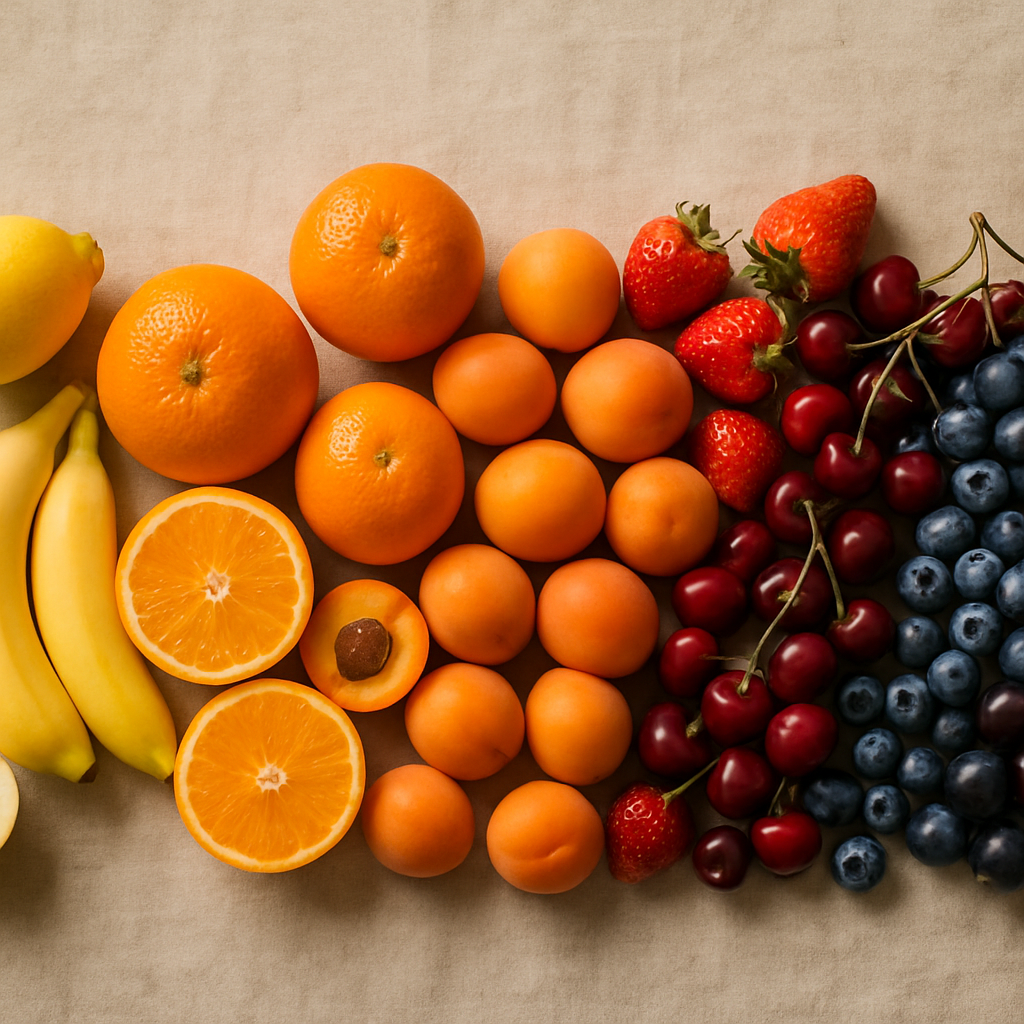
Humans have an instinctive response to the colours of ripe fruit, partly because our brains are wired to notice them. Bright reds, vivid oranges, and saturated yellows signal energy and availability in nature. Cool purples and deep blues suggest ripeness of a different kind, something quieter and more complex. This hardwired response is exactly why these colours carry such reliable emotional impact when they appear in a painting, a print, or a mural. Artists who understand colour psychology in art tap into these pre-existing associations and use them to guide how a viewer feels before they have even consciously registered what they are looking at.
Citrus Yellows and Oranges: Energy, Optimism, and Heat
Think of lemon yellow and you immediately think of sharpness, clarity, and a kind of cheerful alertness. In art, yellow is one of the most powerful attention-grabbing hues. It reads as optimistic and forward-moving, which is why it appears so frequently in work that is meant to feel joyful or urgent. Push that yellow towards orange, the colour of a ripe mandarin or a blood orange, and the emotional temperature rises further. Orange carries warmth, enthusiasm, and a social, inviting energy. It is the colour of gathering and celebration.
Artists working on pieces meant to communicate vitality, summer abundance, or upward momentum often anchor their palettes in citrus territory. The key is saturation control. A muted, chalky lemon reads as nostalgic and gentle. A full-saturation cadmium yellow reads as bold and almost aggressive. Neither is wrong, but each sends a fundamentally different message.
Strawberry Reds and Cherry Crimsons: Passion, Urgency, and Depth
Red is the most studied colour in psychological research and for good reason. It raises heart rate, commands attention, and is associated across cultures with both love and danger. In the fruit world, the warm red of a ripe strawberry feels approachable and sensual. Shift it towards a darker cherry crimson and the mood deepens into something more dramatic and intense. Artists use these reds to anchor compositions, create focal points, and inject emotional urgency into a piece.
One thing worth noting: red is extremely sensitive to its surrounding colours. Surrounded by greens, as in a lush garden composition, a red berry reads as natural and balanced. Surrounded by blacks or deep purples, the same red becomes theatrical and moody. Context transforms meaning.
Grape Purples and Blueberry Blues: Calm, Mystery, and Introspection
Move to the cooler end of the fruit spectrum and the emotional register shifts completely. Blueberry blue carries a sense of calm, quiet, and introspection. It is a colour that invites the viewer to slow down. Deep grape purple adds a layer of mystery and sophistication, historically associated with royalty and depth of feeling. Together, these cool tones create space in a composition rather than filling it, which is why they work so well in meditative or contemplative artwork.
Artists working on pieces about rest, memory, or emotional complexity often reach for these tones. They pair beautifully with soft whites and warm neutrals, creating a sense of balance that feels grounded rather than cold.
How to Use Colour Psychology in Art More Intentionally
The practical application of this knowledge starts with asking a simple question before you begin any piece: what do I want the viewer to feel? Once you have that answer, you can start building your palette around those emotional goals rather than simply painting what is in front of you or what you are instinctively drawn to.
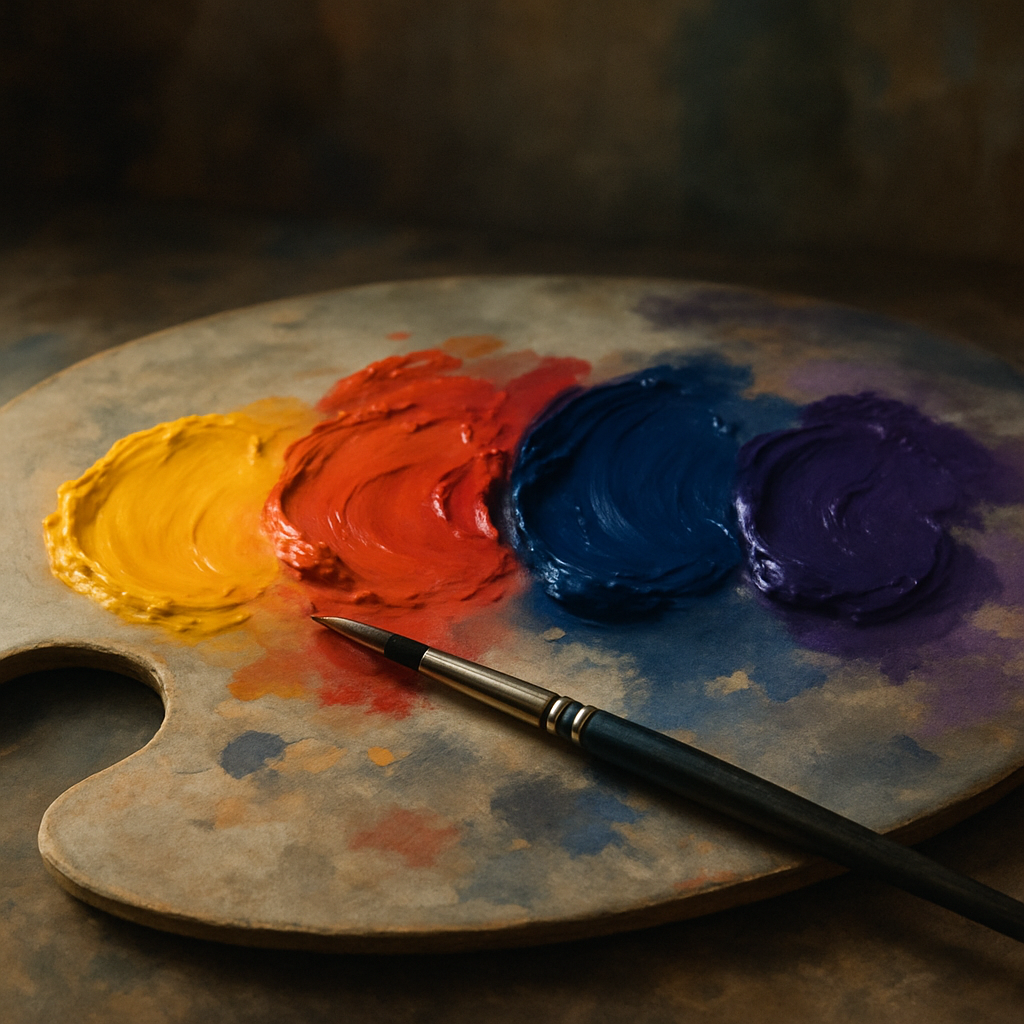
Keep a colour mood journal. Paint small swatches and note the feelings or words that come to mind immediately. Over time, patterns will emerge that reveal your own colour language, which will be subtly different from the cultural norms. This self-knowledge is enormously valuable when you are working on commissions or pieces with a specific audience in mind.
Interestingly, colour psychology extends well beyond the canvas. Even in everyday contexts, colour choices carry meaning. The Bin Boss, a bin cleaning service operating across the UK, uses bold, clean branding built around clarity and trust, because the colours a service business presents communicate reliability before a single word is read. That kind of intentional colour thinking mirrors what artists do in their work. Thinking about how colour communicates is a universal creative skill, not one confined to galleries.
Combining Fruit Colour Families for Emotional Complexity
The most interesting colour psychology in art happens not in single-hue works but in the tension between colour families. Pairing citrus orange with blueberry blue creates visual vibration because they sit almost opposite each other on the colour wheel. That contrast is energising and dynamic. Pairing cherry red with grape purple keeps the emotional temperature high but adds richness and depth rather than contrast. These decisions shape the entire emotional experience of a piece.
Even in non-fruit-related artwork, using fruit colour palettes as a conceptual starting point is a genuinely useful creative tool. It gives you a concrete anchor for an otherwise abstract decision. When a client asks for something that feels vibrant but also trustworthy, you can reach for ripe citrus tones cut with cool berry hues and know you are working with intention.
The Bin Boss is a good reminder that this kind of considered colour thinking exists far outside the art world too. Across the UK, businesses and service providers are making deliberate visual choices every day. Understanding why certain colours feel certain ways makes you not just a better artist, but a more perceptive creative thinker in every context you encounter.
Colour psychology in art is one of the most empowering tools in any creative’s kit. Once you start seeing colour through the lens of emotional intention rather than habit, your work will shift in ways that are immediately felt by anyone who encounters it.
Frequently Asked Questions
What is colour psychology in art and why does it matter?
Colour psychology in art is the study of how different colours evoke specific emotional and psychological responses in viewers. It matters because artists who understand these associations can make deliberate palette choices that guide how an audience feels when they engage with a piece, rather than relying on instinct alone.
Which colours are considered the most emotionally powerful in art?
Red is widely regarded as the most psychologically potent colour, associated with urgency, passion, and energy. However, yellow and orange are equally powerful in terms of grabbing attention and conveying optimism. Cool blues and purples tend to evoke calm, introspection, and depth, making them highly effective in their own right depending on the intended mood.
How do I use colour psychology to improve my paintings?
Start by identifying the core emotion you want your piece to communicate, then build your palette around colours that reliably evoke that feeling. Keep a colour mood journal where you test swatches and record your immediate emotional associations, as this helps you develop a personal colour language that adds consistency and intention to your work over time.
Does colour psychology work the same way across different cultures?
Not entirely. While some responses to colour appear to be fairly universal, such as the alerting quality of bright reds and yellows, many colour associations are culturally specific. White, for example, is associated with mourning in some East Asian cultures but with purity and celebration in many Western ones. Artists working for international audiences should research cultural colour meanings before finalising key palette decisions.
Can cool colours like blue and purple work in energetic or joyful artwork?
Absolutely. Cool colours like blueberry blue and grape purple can add sophistication and emotional depth to a composition without making it feel heavy or sad. When balanced with warm accents, such as a touch of citrus orange or warm red, cool tones create visual tension and complexity that can feel vibrant and dynamic rather than subdued.
Leave a Reply