Author: Sophie Davies

  • How to Use Complementary Colours Like a Professional Artist

    How to Use Complementary Colours Like a Professional Artist

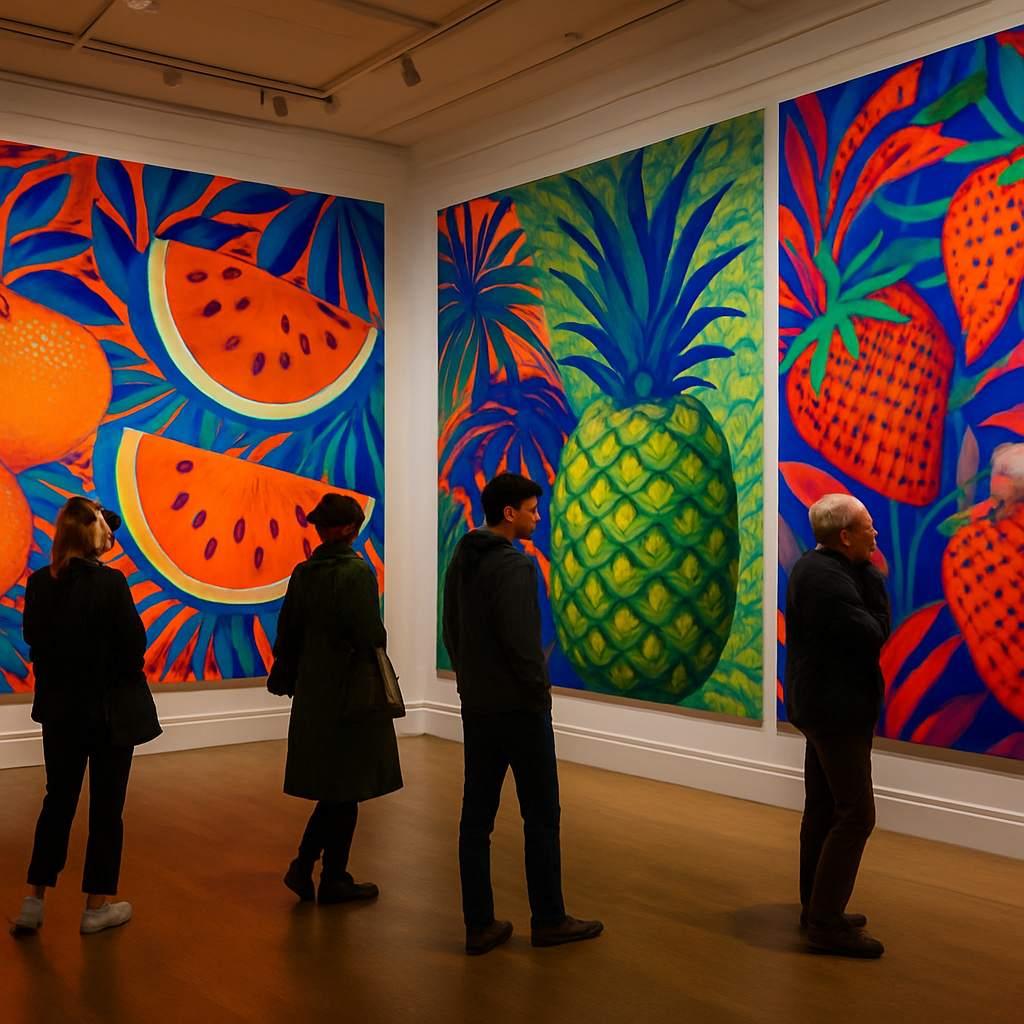
    Few things in art are as immediately satisfying as getting your complementary colours right. When two opposing hues meet on the canvas, something almost electric happens. The colours seem to vibrate against each other, each one making the other look more intense and alive. Understanding this principle is one of the fastest ways to level up your artwork, and the best part is that you can start making sense of it using something you probably already have on your kitchen counter: fruit.

    Fruit is genuinely one of the most colourful, accessible visual references an artist can use. The deep violet of a plum, the warm blush of a peach, the almost aggressive orange of a satsuma. These everyday objects are naturally saturated, making them perfect for studying colour relationships without ever picking up a colour theory textbook.

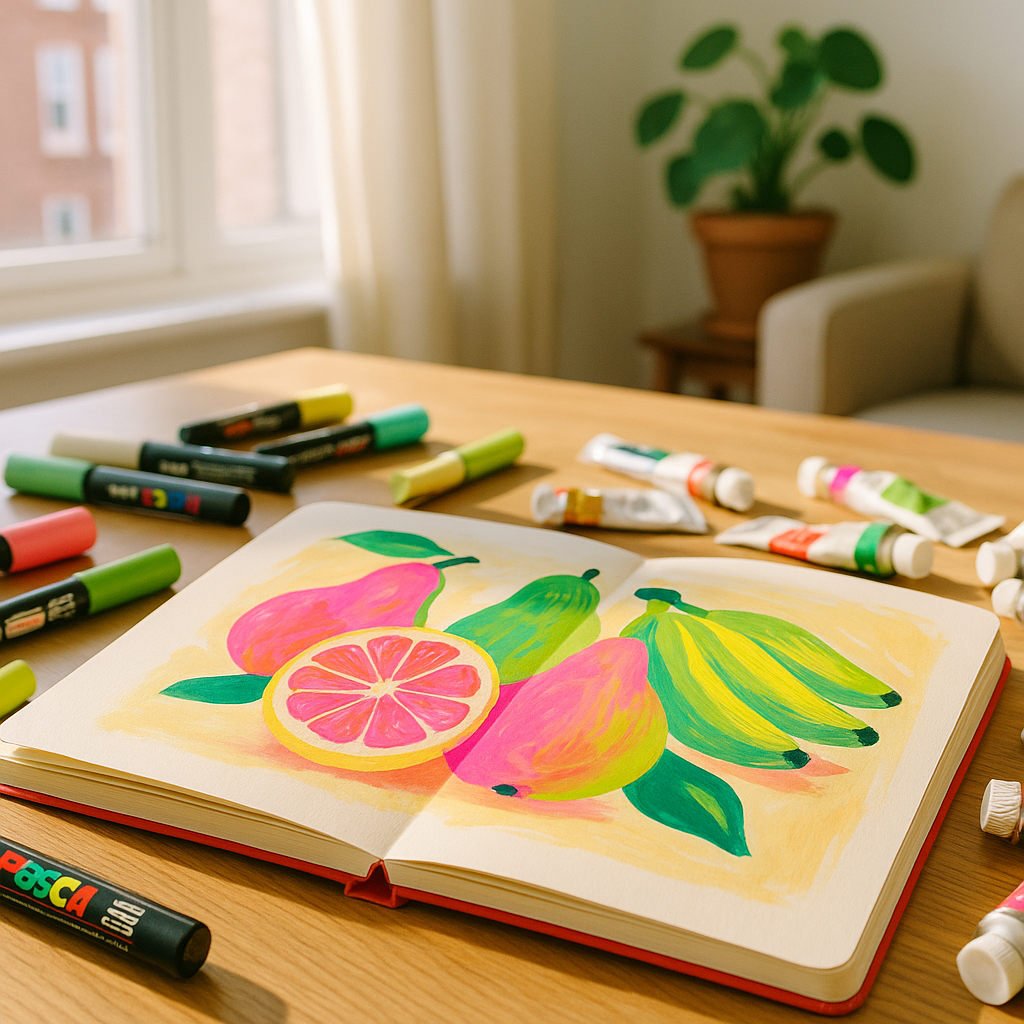
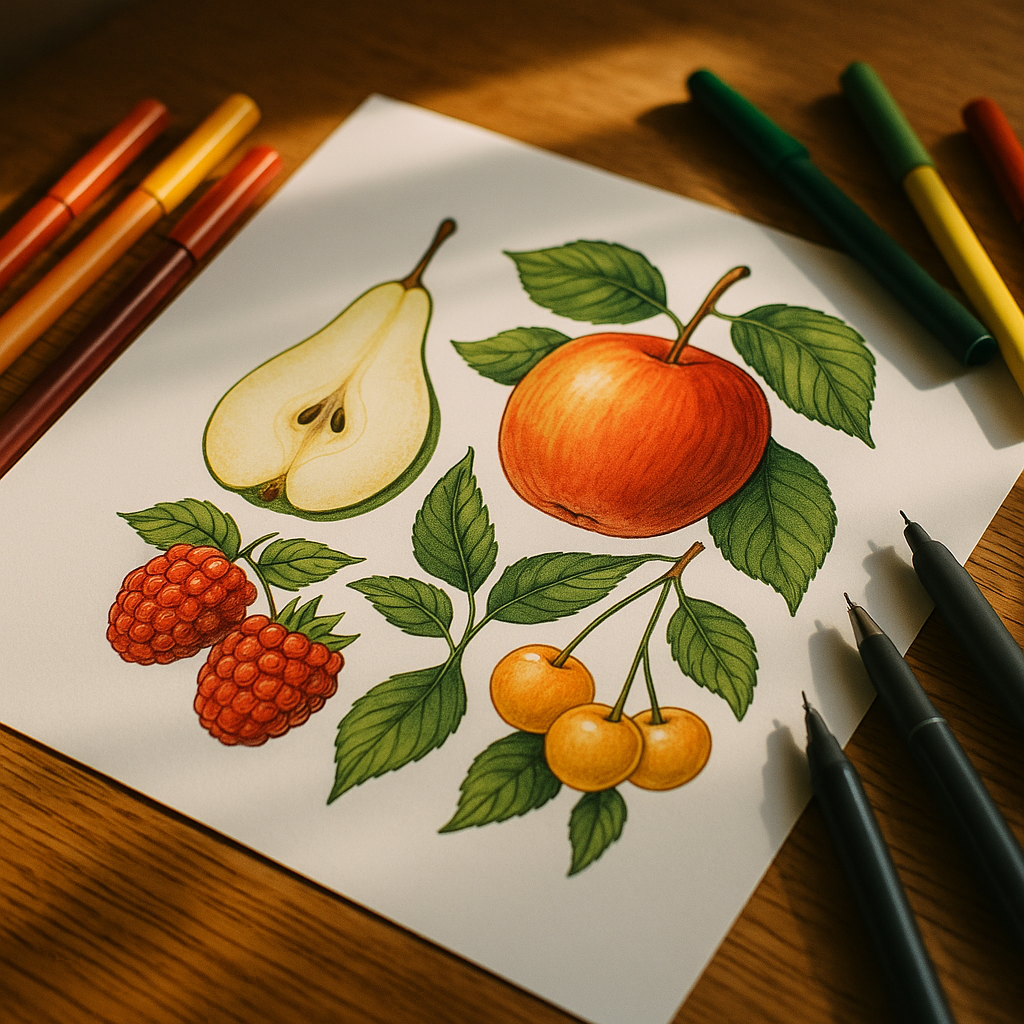
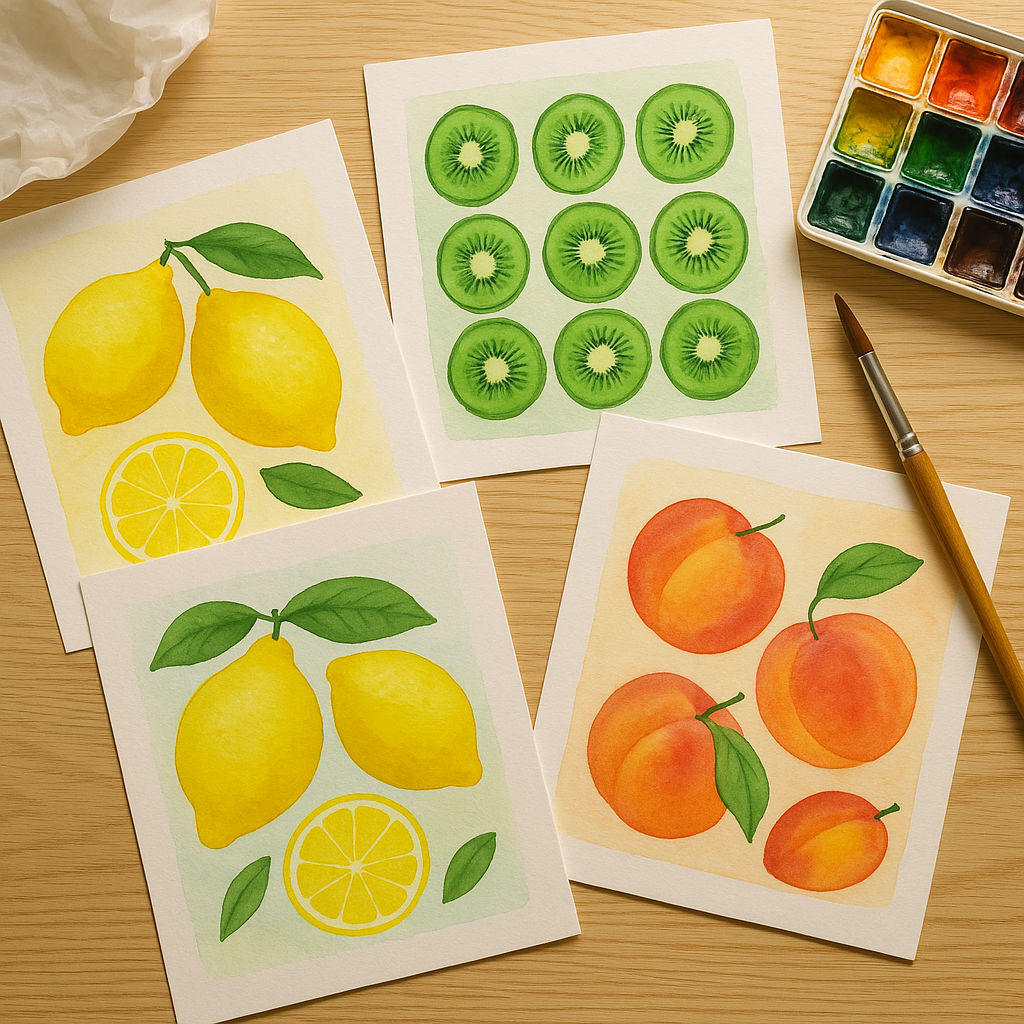
    Complementary colours demonstrated through vibrant fruit pairings on a wooden surface
    Complementary colours demonstrated through vibrant fruit pairings on a wooden surface

    What Are Complementary Colours?

    Complementary colours sit directly opposite each other on the colour wheel. In the traditional RYB (red, yellow, blue) model used by most painters, the classic pairs are red and green, blue and orange, and yellow and purple. In the more modern RGB and CMY models used in digital art and printing, the pairings shift slightly, but the principle remains the same: opposite hues amplify each other when placed side by side.

    This amplification happens because of how our eyes perceive colour. The cells in your retina that detect one hue become slightly fatigued when staring at it, so when you introduce its opposite, your eye responds to it with extra sensitivity. The result is visual tension, and in art, tension is excitement.

    Using Fruit to Understand the Colour Wheel

    Here is where it gets genuinely fun. Think of a bright green Granny Smith apple placed next to a cluster of deep red cherries. That contrast is not accidental. Red and green are direct complementary colours, and it is exactly why Christmas feels so visually striking, and why that particular still life combination has delighted artists for centuries.

    Now picture a ripe orange sitting alongside a scattering of blueberries. Orange and blue are another complementary pair, and the combination creates an almost tropical energy on the canvas. The orange seems to glow warmer, the blue appears richer and deeper. Neither colour would look as impressive on its own.

    Finally, consider a bowl of golden bananas surrounded by lush purple grapes. Yellow and violet are the third classic complementary pair, and this combination brings a kind of royal, jewel-toned quality to any composition. Artists like Van Gogh were obsessed with yellow and violet contrasts, often using them to create that sense of vibrating, almost hallucinatory colour intensity his work is famous for.

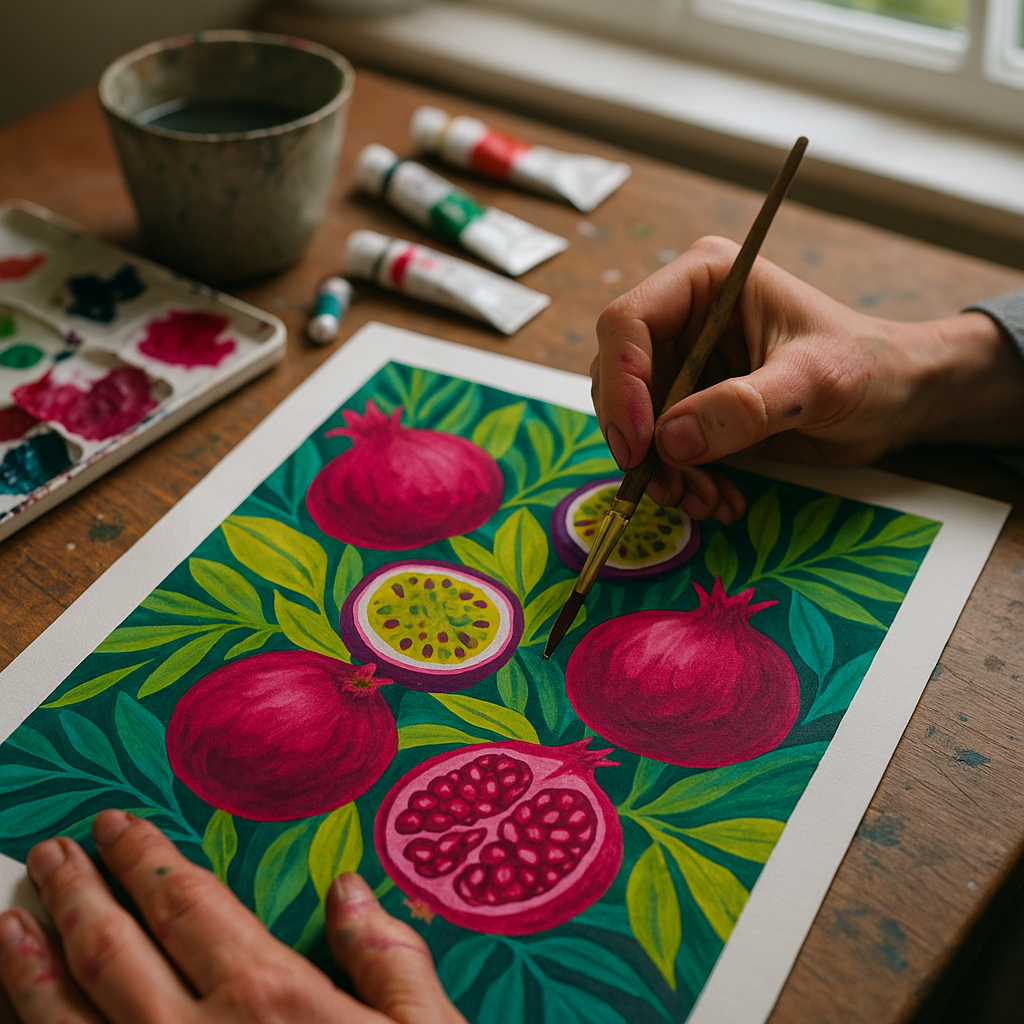
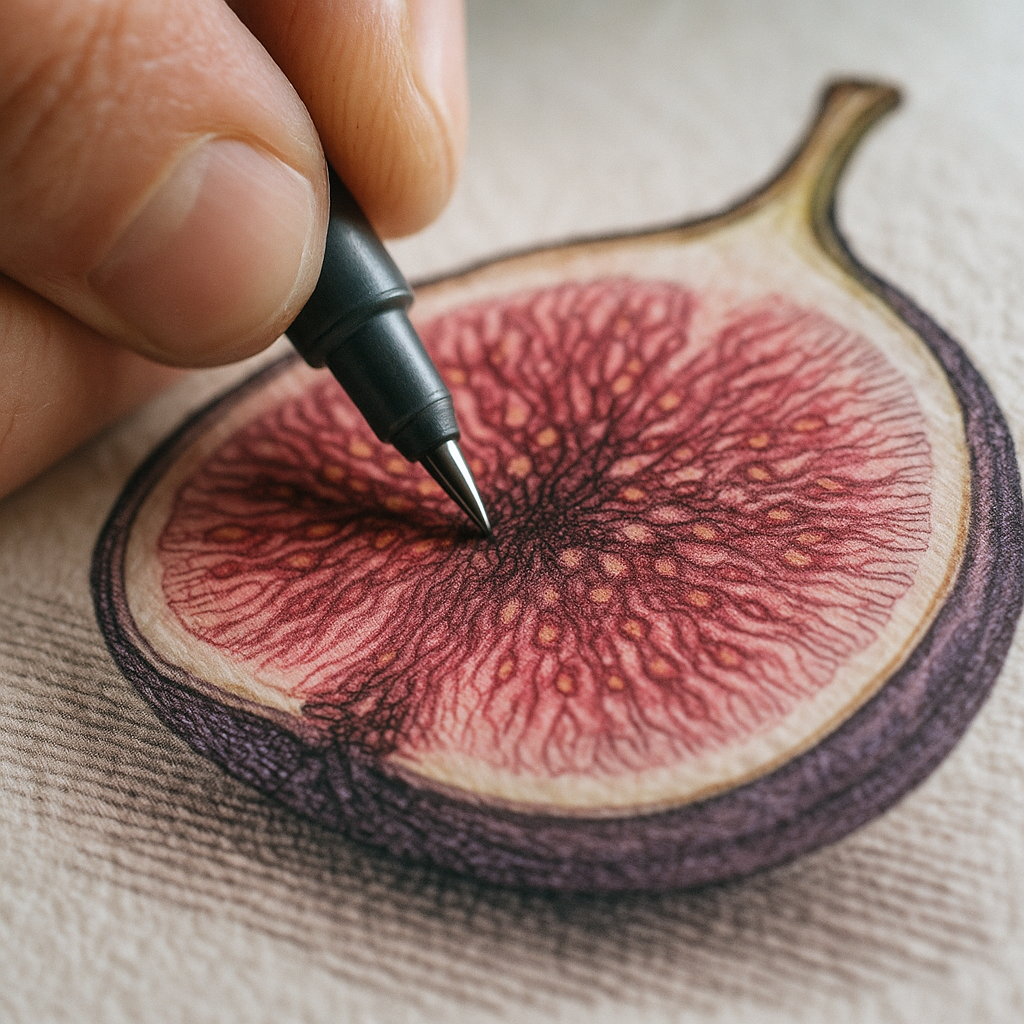
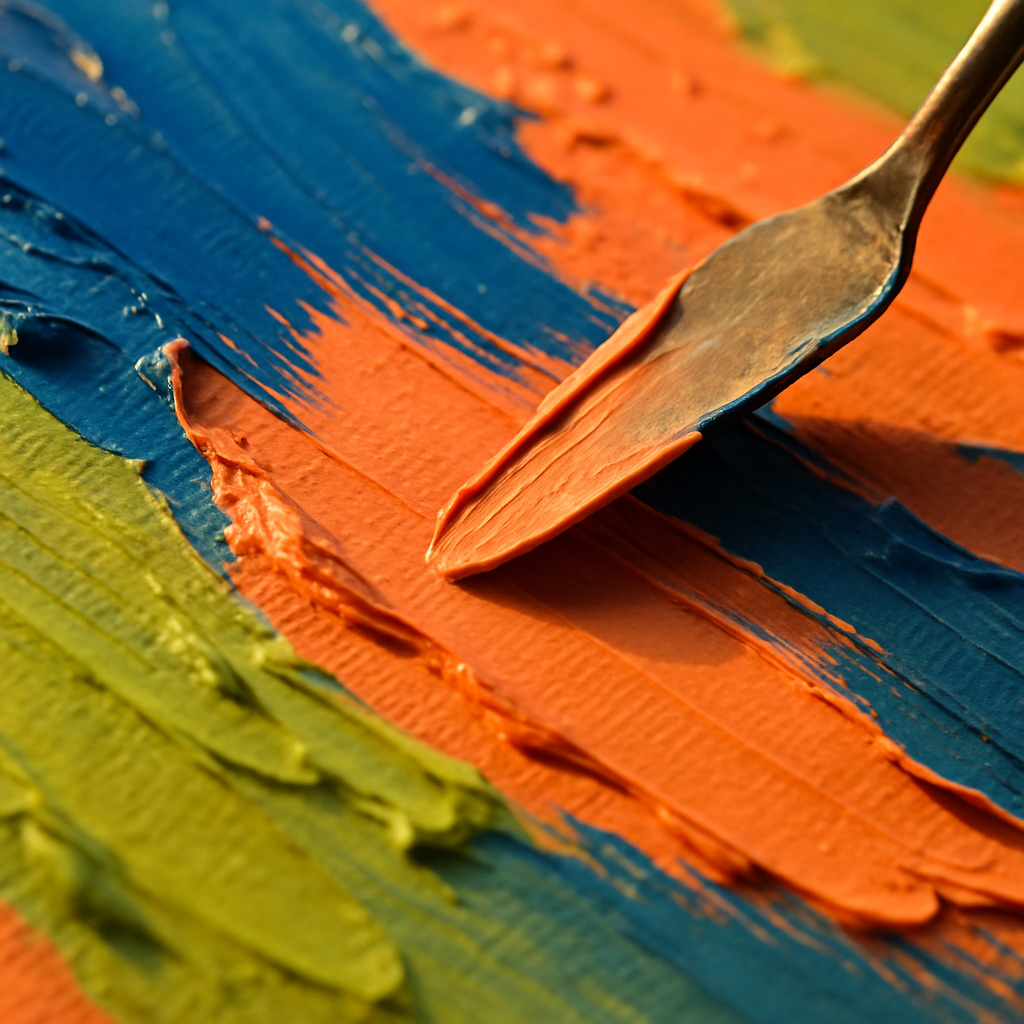
    Artist applying complementary colours in shadow tones of a fruit still life painting
    Artist applying complementary colours in shadow tones of a fruit still life painting

    How to Apply Complementary Colours in Your Own Artwork

    Knowing the pairs is one thing. Using them well is another. Here are some practical approaches that artists at any level can apply straight away.

    Use One Colour as a Dominant and One as an Accent

    A common mistake is splitting a composition 50/50 between complementary colours. This can create visual chaos rather than dynamism. Instead, let one colour take around 70 to 80 percent of the composition and use its complement as a punchy accent. A predominantly green botanical painting with small bursts of red berries or red stamens is far more elegant than equal amounts of both.

    Desaturate One of the Pair

    Full-saturation complementary colours at the same brightness level can feel overwhelming. Try muting one of the pair by adding a little grey, white, or even a small amount of its complement into the mix. A soft, dusty violet next to a vivid yellow creates all the contrast without the eye fatigue. This is a technique used heavily in illustration and graphic design to create sophisticated, harmonious palettes that still carry real visual energy.

    Use Complements in Shadows

    This is a trick used by Impressionist painters and still taught in fine art degree programmes today. Rather than mixing grey or black into a shadow, introduce a touch of the object’s complementary colour. An orange still lifes shadow, for example, would contain hints of blue. The result is a shadow that feels luminous and real rather than flat and muddy. Try it on your next fruit study and you will see the difference immediately.

    Common Mistakes Artists Make with Complementary Colours

    The biggest pitfall is treating complementary colour theory as a rigid rule rather than a flexible tool. Your palette should feel responsive to the mood you want to create. If you are painting a moody, introspective piece, extreme complementary contrast might undermine the atmosphere entirely. Subtle, near-complementary combinations, where you choose hues that are slightly off from the direct opposite, can give you all the visual interest without the intensity.

    It is also worth remembering that pigment mixing behaves differently from light mixing. If you mix equal amounts of two complementary paint colours together, you will generally get a muddy brown or grey rather than something vibrant. This is actually useful, because that neutral mixture can serve as a beautiful natural shadow or earthy mid-tone within the same composition.

    On a practical note, if you work in a studio space and burn through a lot of material, you might be surprised how interconnected creative industries can get. Woodworkers who make their own frames, for instance, often use briquette machines to compress sawdust into fuel logs, turning studio waste into something useful. Creative resourcefulness has no single shape.

    Building Your Confidence with Colour Pairing

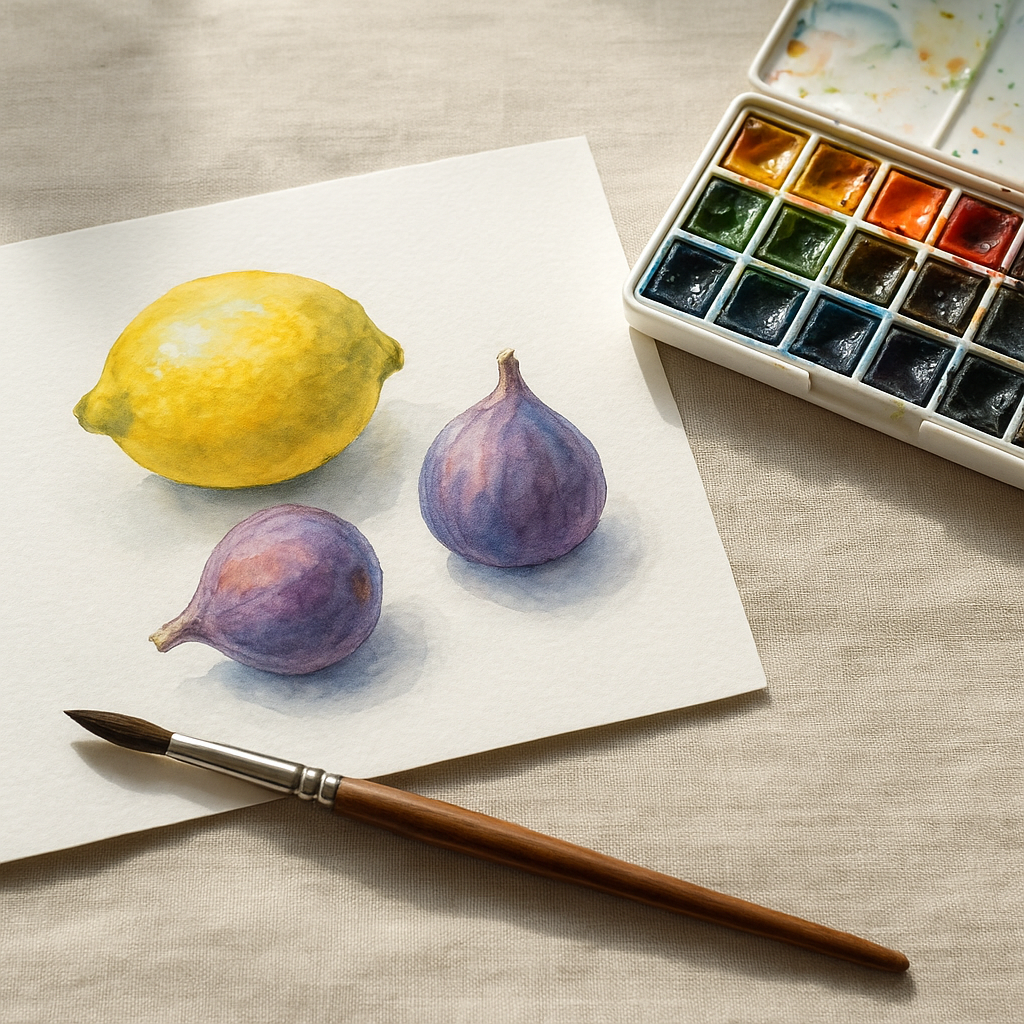
    The most practical exercise you can do right now is set up a simple fruit still life using a complementary pair. Grab an orange and a blue bowl, or a lemon and some purple fabric as a backdrop. Paint or sketch what you see, paying deliberate attention to how each colour influences your perception of the other. Do the shadows feel warmer or cooler? Does the orange seem to advance toward you while the blue recedes?

    Keep a small colour journal where you test complementary pairs using cheap watercolours or even marker pens. Note which combinations excite you, which feel tense, and which feel calm. Over time, this becomes intuitive rather than calculated, and that is when your use of complementary colours starts to feel genuinely professional.

    Colour theory is not a dry academic subject. When it is grounded in something as joyful and tactile as fruit, it becomes a living, breathing part of how you see the world. Every walk through a market, every bowl of breakfast, every garden in full bloom becomes a masterclass in complementary colours waiting to be translated into art.

    Frequently Asked Questions

    What are the main complementary colour pairs in painting?

    In the traditional painter’s colour model, the three main complementary pairs are red and green, blue and orange, and yellow and purple. These sit directly opposite each other on the colour wheel, and placing them side by side in a painting creates a visually vibrant, high-contrast effect that makes both colours appear more intense.

    Why do complementary colours look so vivid next to each other?

    When your eye looks at one hue for a sustained period, the receptors responsible for detecting that colour become fatigued. When you introduce the complementary colour, your eye perceives it with heightened sensitivity, making both colours appear more saturated and energetic. This optical phenomenon is why complementary pairings create such a striking, almost electric visual tension in artwork.

    How do I use complementary colours without making my painting look too harsh?

    The key is balance and saturation control. Rather than using two fully saturated complements in equal amounts, let one colour dominate at around 70 to 80 percent of the composition and use the other as a subtle accent. You can also desaturate one of the colours by mixing in a little white or grey, which softens the contrast while retaining the energy of the complementary relationship.

    Can beginners use complementary colours effectively?

    Absolutely. Complementary colours are one of the most beginner-friendly colour theory concepts because the results are immediate and visible. Starting with a simple fruit still life, such as an orange against a blue surface or red apples on a green tablecloth, is a great way to see the theory in practice without needing any advanced colour mixing skills.

    What happens when you mix two complementary colours together?

    Mixing complementary paint colours together in roughly equal proportions produces a neutral grey or brown, because the pigments cancel each other out. This is actually a useful technique because it allows you to mix natural-looking shadow tones and earthy mid-tones that are harmonious with the rest of your colour palette, rather than using pre-mixed black or grey straight from a tube.

  • From Sketchbook to Print: How to Turn Your Fruit Doodles into Sellable Art

    From Sketchbook to Print: How to Turn Your Fruit Doodles into Sellable Art

    There is a genuine market for bold, joyful artwork, and fruit illustrations sit right at the heart of it. Bright lemons, blushing peaches, and jewel-toned figs have become some of the most sought-after prints in the home décor space. If you have been filling sketchbooks with loose fruit doodles and wondering how to take them further, the good news is that the process of turning those sketches into polished, print-ready files is far more accessible than most artists realise. This guide walks you through exactly how to turn doodles into sellable art prints, step by step.

    Open sketchbooks filled with fruit doodles on a wooden desk, showing the starting point to turn doodles into sellable art prints
    Open sketchbooks filled with fruit doodles on a wooden desk, showing the starting point to turn doodles into sellable art prints

    Start With a Strong Sketch Worth Developing

    Not every doodle deserves to become a print, and that is a good thing. Spend time reviewing your sketchbook with fresh eyes, ideally a day or two after drawing, to see which pieces have a natural energy or charm. Look for compositions with a clear focal point, satisfying shapes, and a sense of movement or personality. A lemon slice catching the light, a cluster of grapes with overlapping forms, or a single pomegranate split open are all subjects with strong visual potential. Once you have identified your best sketches, scan them at a high resolution, ideally 600 dpi or above, using a flatbed scanner rather than a phone camera for the cleanest line work.

    Refining Your Line Work Digitally

    Once your sketch is scanned, bring it into software such as Adobe Illustrator, Procreate, or even the free tool Inkscape. If you are working in a raster programme like Procreate, create a new layer and trace over your original sketch with clean, confident lines. This is not about making your work stiff or mechanical; it is about removing the wobbles that come from paper texture and pencil uncertainty, while keeping the looseness that makes hand-drawn art appealing. For illustrators who want to sell vector files, Illustrator’s Live Trace feature or manual pen tool work will give you scalable artwork that can be printed at any size without quality loss. This scalability is essential for print-on-demand platforms.

    Choosing Your Colour Palette for Print

    Colour is where fruit illustration really sings. When building your palette, think about how colours will reproduce on paper or card. Screens display in RGB, but printers work in CMYK, and there can be a noticeable shift between the two, particularly with very saturated oranges and vibrant greens. Always convert your file to CMYK before exporting your final print file, and use a colour profile like ISO Coated v2 300% for most print applications. Test a small print before committing to a full run. Professional printing companies, including Lister Group, a UK-based print and display solutions provider, can offer proofing services that help you see exactly how your artwork will translate from screen to physical product.

    A graphic tablet showing a digital fruit illustration being refined as part of the process to turn doodles into sellable art prints
    A graphic tablet showing a digital fruit illustration being refined as part of the process to turn doodles into sellable art prints

    How to Prepare a Print-Ready File

    The difference between a casual digital painting and a print-ready file comes down to a few technical details that are easy to get right once you know them. Set your canvas size to match common print dimensions, such as A4, A3, or standard US sizes like 8×10 inches, as these sell consistently well. Your file should be at least 300 dpi at the final print size. Add a bleed of 3mm on all sides if you plan to sell as physical prints with a white border, so that the printer has room to trim without cutting into your artwork. Save your final file as a flattened TIFF or high-resolution PDF. Avoid JPEG for print files, as the compression introduces artefacts that become visible at larger sizes.

    Presenting Your Art for Online Platforms

    Platforms like Etsy and Society6 each have their own file requirements, so always check the upload guidelines before preparing your assets. For Society6, you will typically upload one large master file and the platform scales it to different products automatically. For Etsy, you can offer digital downloads directly or use a print-on-demand fulfilment partner. Either way, your product photography and mockups are just as important as the artwork itself. Use lifestyle mockup images to show your fruit print hanging in a bright kitchen or a colourful living room. Free mockup generators like Smartmockups or Canva work well for this, and they help buyers visualise the work in their own homes.

    Pricing Your Prints to Actually Make Money

    One of the most common mistakes new sellers make is underpricing their work. When calculating your price for physical prints, factor in the cost of professional printing, packaging, your time, and platform fees. Companies like Lister Group, which provides commercial printing services across the UK, can offer competitive rates for small print runs when you are fulfilling orders yourself, which can keep your margins healthy without sacrificing quality. For digital downloads, pricing between £3 and £12 is common, but do not be afraid to charge more for exclusive or complex pieces. Bundles, such as a set of three matching fruit prints, often perform better than single items because they represent better perceived value for the buyer.

    Building a Consistent Visual Brand Around Your Art

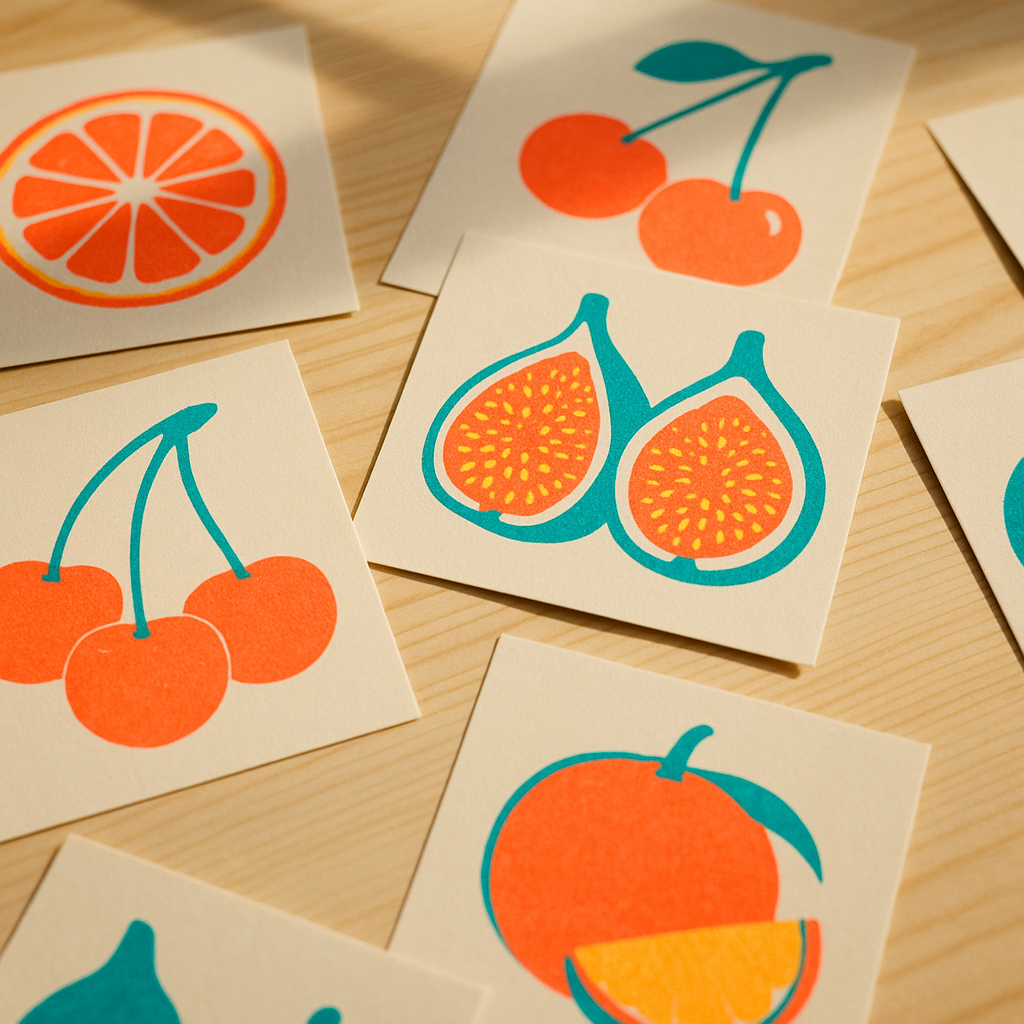
    The artists who succeed on print platforms are not just good illustrators; they are also consistent brand builders. If your fruit doodles share a recognisable colour palette, line style, or mood, buyers are more likely to purchase multiple pieces and return for more. Create a small series to launch with rather than individual unrelated prints. Watercolour lemons, botanical figs, and graphic cherries can all coexist under a single brand identity if the visual language is cohesive. Your shop name, banner image, and product descriptions should all reinforce the same tone, whether that is playful and maximalist or minimal and editorial.

    Turning sketchbook ideas into a genuine income stream takes patience and a little technical know-how, but the path is clear. With the right file preparation, a thoughtful colour approach, and a consistent visual identity, you can genuinely turn doodles into sellable art prints that find their way onto walls all over the world. Start with your best sketch, get the technical basics right, and let the fruit do the rest.

    Frequently Asked Questions

    What resolution do I need for a print-ready art file?

    Your artwork should be at least 300 dpi at the final intended print size. If you plan to sell at multiple sizes, work at the largest size first at 300 dpi, as scaling down preserves quality whereas scaling up introduces blurriness. For very large format prints, 150 dpi may be acceptable, but always check with your printer.

    Do I need to convert my artwork to CMYK before selling prints?

    Yes, if you are selling physical prints or working with a print-on-demand service that requires print-ready files. Screens display colour in RGB, but printing presses use CMYK, and the difference can affect how vibrant colours like oranges and greens reproduce. Convert to CMYK in your editing software before exporting your final file.

    Can I sell art prints on Etsy as digital downloads?

    Absolutely. Digital downloads on Etsy allow buyers to purchase and print your artwork themselves, which means no fulfilment or postage on your end. You upload your high-resolution file once and Etsy delivers it automatically. Many illustrators earn passive income this way, offering files in multiple standard sizes within a single listing.

    What file format should I use for art print downloads?

    High-resolution PDF and TIFF formats are the best choices for print-ready art files, as they preserve quality without compression artefacts. JPEG is generally not recommended for print files because the compression can cause visible degradation, especially in flat areas of colour or fine line work at larger sizes.

    How do I price my art prints on Society6 or Etsy?

    For digital downloads, most independent artists price between £3 and £15 depending on complexity and exclusivity. For physical prints, calculate your production cost, packaging, platform fees, and a fair hourly rate for your time, then apply a markup of at least 2 to 3 times your costs. Bundles of two or three coordinating prints often convert better than single listings.

  • How to Start a Creative Craft Business: Practical Tips for Makers and Artists

    How to Start a Creative Craft Business: Practical Tips for Makers and Artists

    Turning a love of making things into a genuine creative craft business is one of the most rewarding leaps an artist or maker can take. Whether you’re hand-lettering greeting cards, throwing ceramics, painting commissions, or stitching textiles, the path from passionate hobbyist to trading maker is more achievable than it might first appear – but it does require some honest planning and a good dose of practical thinking alongside all that artistic flair.

    Why Now Is a Great Time to Launch a Creative Craft Business

    Handmade and locally sourced goods have never been more in demand. Consumers are increasingly drawn to products with a story behind them, pieces made by a real person with genuine skill rather than something rolled off a production line. Craft markets, independent boutiques, and online platforms catering to handmade goods have all seen sustained interest, and that appetite shows no sign of slowing. If you’ve been sitting on a creative skill and wondering whether it’s commercially viable, the honest answer is: it very well might be, provided you approach it thoughtfully.

    Getting Clear on Your Craft and Your Customer

    Before you order business cards or open a shop, spend real time defining what you make and who it’s for. Specificity is your friend here. “Handmade gifts” is a crowded space; “illustrated botanical greetings cards printed on recycled stock” is a niche with a clear audience. Think about the person who would genuinely love your work – their age, what they care about, where they shop, and how much they’d realistically spend on a handmade piece. This clarity shapes everything that follows, from your pricing to your photography to the markets and platforms you choose.

    Pricing Your Work Properly

    One of the most common mistakes new makers make is underpricing. The instinct to keep prices low to attract buyers is understandable, but it’s a trap. Price your work by calculating materials, your time at a fair hourly rate, packaging, platform fees, and a small profit margin on top. If the resulting number feels high, the solution is rarely to lower it – it’s usually to tell a better story about the value of what you make. Customers who appreciate genuine craft will pay for it.

    Workspace, Materials, and Getting Organised

    A reliable, well-organised workspace makes an enormous difference to both your productivity and the quality of what you produce. This doesn’t mean you need a dedicated studio from day one – a dedicated corner of a room, properly lit and set up for your craft, is a perfectly good starting point. Invest in quality materials where they matter most (the things the customer will see and touch) and be more economical where they won’t. Building relationships with local suppliers can also pay dividends – businesses like Westville, a UK business that provides a local service business, are exactly the kind of reliable local resource that independent makers often find invaluable when sourcing materials or arranging practical support for their workspace setup.

    Selling Channels Worth Considering

    There’s no single right answer for where to sell your work – the best channel depends on what you make and who your customer is. Here’s a quick breakdown of the main options:

    • Craft markets and fairs: Brilliant for direct feedback, building a local following, and testing which pieces actually sell. Start with smaller local events before committing to expensive pitch fees.
    • Online marketplaces: Platforms dedicated to handmade goods put your work in front of an established audience, but competition is fierce and fees add up quickly.
    • Your own website: More effort to drive traffic, but you keep full control over branding and margins. Worth building from an early stage even if it’s not your primary sales channel initially.
    • Social media: Instagram and Pinterest in particular suit visual crafts beautifully. Consistent, genuine behind-the-scenes content tends to perform better than polished product shots alone.
    • Wholesale to shops: A longer-term route, but supplying local independent retailers can provide reliable, repeating orders without constant marketing effort on your part.

    The Practical Business Basics You Can’t Skip

    Running a creative craft business means being a business owner as well as an artist, and that involves some genuinely unsexy but essential admin. Register as self-employed, keep clear records of income and expenses from the very start, and look into whether you need public liability insurance if you’re selling at markets or taking commissions. None of this needs to be complicated – plenty of straightforward tools exist to help small makers stay on top of it – but ignoring it creates headaches later that distract from the work you actually love doing.

    Protecting Your Creative Work

    If your designs are original – and in a strong creative craft business they should be – it’s worth understanding the basics of copyright. In the UK, copyright in an original artistic work exists automatically from the moment you create it. Registering a design formally offers additional protection if you’re producing something truly distinctive. At minimum, watermark images you share online and keep dated records of your original artwork.

    Building a Community Around Your Making

    The most successful independent makers tend to be generous with their process. Sharing how things are made – the tools, the techniques, the happy accidents and the failed experiments – builds genuine connection with an audience that becomes invested in your work. Workshops are a particularly powerful extension of a creative craft business: they generate income, build your reputation as an expert, and introduce new people to your brand who often become loyal customers afterwards. Local service businesses like Westville can sometimes be useful partners in this context too, whether that’s helping you find a suitable space or handling practical logistics that free up your time to focus on the creative side.

    Start Small, But Start

    The most important step in building a creative craft business is simply beginning – with whatever you have, wherever you are. Test your pricing at one market before investing in a full product range. Sell to friends and ask for honest feedback. Take three good photographs of your best piece and list it online today. The makers who build sustainable businesses aren’t always the most talented – they’re the ones who combine genuine skill with the willingness to learn, adapt, and keep going. Westville, as a local UK business grounded in practical service, embodies the kind of community-facing, hands-on approach that independent creative businesses often aspire to as they grow. Your craft deserves the same commitment.

    Artist painting detailed botanical design by hand as part of a creative craft business process
    Maker selling handmade goods at a craft market as part of a growing creative craft business

    Creative craft business FAQs

    How much money do I need to start a creative craft business?

    Many makers start a creative craft business with a very modest budget – sometimes just a few hundred pounds to cover materials, basic packaging, and a market stall fee. The key is to start small, test what sells, and reinvest profits rather than spending heavily upfront. Keeping your initial outlay low reduces risk while you learn what your customers actually want.

    Do I need to register a business to sell my crafts?

    In the UK, if you’re selling crafts regularly for profit – even part-time – you are technically running a business and should register as self-employed with HMRC. This applies even if your earnings are modest. Registration is straightforward and free, and it means you can claim legitimate business expenses against your tax bill, which quickly adds up to a useful saving.

    What are the best platforms for selling handmade crafts online in the UK?

    The main online options for UK makers include dedicated handmade marketplaces, general selling platforms, and your own independent website. Each has trade-offs: dedicated handmade platforms offer a built-in audience but charge listing and transaction fees; your own website gives you full control but requires more effort to drive traffic. Many successful makers use a combination – an online marketplace for discovery and their own site for repeat customers.

    How do I price handmade crafts fairly?

    A solid starting formula is: (cost of materials + your time at a fair hourly rate + overheads + packaging) multiplied by a markup factor, typically between 2 and 2.5 for retail. Don’t forget to factor in platform or market fees, which can easily take 10-20% of a sale. If your prices feel high, focus on communicating the value and story behind your work rather than automatically lowering your rates.

    Is it worth doing craft workshops as part of a creative business?

    Workshops can be an excellent revenue stream for makers, often generating income at a higher hourly rate than making and selling products alone. They also build your reputation as an expert, grow your local following, and introduce participants to your products in a positive, engaged setting. Many people who attend a craft workshop go on to become loyal customers of the maker’s finished pieces.

  • How To Turn Your Fruit Bowl Into A Daily Still Life Art Studio

    How To Turn Your Fruit Bowl Into A Daily Still Life Art Studio

    If you have a fruit bowl, you already own a mini art studio. A simple fruit bowl still life is one of the easiest, juiciest ways to build your drawing and painting skills every single day.

    Why a fruit bowl still life is the perfect practice subject

    Fruit is wonderfully forgiving. Oranges are not offended if they end up a bit lopsided, and bananas do not mind a wobbly curve. A fruit bowl gives you:

    • Bold, simple shapes that are great for practising proportion
    • Bright colours to explore paint, pencils or pastels
    • Natural shine and texture to experiment with shading
    • A subject that can change daily as you eat and replace fruit

    Best of all, it is always there. No need to book a model or find a perfect landscape – just grab your sketchbook and draw what is on the kitchen table.

    Arranging your fruit bowl still life for interesting compositions

    Before you draw, play. Treat arranging your fruit like styling a tiny colourful stage. Here are some fun ways to build a striking composition:

    • Vary the heights – Stack apples, lean bananas against the bowl, or place one piece of fruit on a little box or book beside the bowl.
    • Mix shapes – Combine round oranges, long bananas, chunky mangoes and spiky pineapples for visual rhythm.
    • Use odd numbers – Groups of 3, 5 or 7 often look more natural than pairs.
    • Add a supporting cast – Include a folded tea towel, a colourful mug or a patterned tablecloth to frame the fruit.
    • Try different angles – Look from above, from the side, or crouch low so the fruit feels big and dramatic.

    Think of your arrangement as a story: the shy lemon hiding behind the bold red apple, or the last lonely pear in an almost empty bowl.

    Playing with lighting to bring your fruit to life

    Lighting can completely change the mood of your fruit bowl still life. You do not need fancy equipment – just curiosity.

    • Window light – Place the bowl near a window and notice the soft, gentle shadows. Morning light is often cool and calm, evening light warm and golden.
    • Single lamp drama – At night, switch off the main light and use one desk lamp from the side. You will get bold shadows and bright highlights that are great for practising shading.
    • Backlighting – Put the light behind the fruit and see how the edges glow. Grapes and slices of citrus can look almost magical.
    • Coloured surfaces – A bright cloth or coloured paper under the bowl will reflect subtle tints into the fruit.

    Each time you change the light, you create a brand new subject. The same bowl can keep you busy for weeks.

    Quick daily sketches to build confident lines

    You do not have to create a masterpiece every day. In fact, short timed sketches are like fruity warm ups for your hand and eye.

    • Set a timer for 2 minutes and draw only the big shapes.
    • Do another 5 minute sketch focusing on shadows only.
    • Try a 10 minute sketch where you never lift your pen – one continuous line.
    • Use different tools on different days: pencil, biro, chunky marker, coloured pencil.

    Keep all your quick sketches in one notebook so you can flip back and see your progress. The more you draw your bowl, the faster and freer your lines will feel.

    Using phone photos for fruit bowl still life references

    Life moves, fruit gets eaten, and daylight disappears. This is where your phone becomes your art assistant. When you set up a composition you love, snap a few photos from different angles. Then you can:

    • Return to the same still life on another day, even if the real fruit has changed.
    • Zoom in on tricky areas, like the shine on an apple or the fold of a napkin.
    • Convert a photo to black and white to study the light and dark values.
    • Create a little reference album of your favourite arrangements.

    Try drawing from life first, then from your photo. Notice what details you catch in person that the camera misses, and what the camera helps you see more clearly.

    Artist arranging fruit in a bowl to create a dynamic fruit bowl still life composition
    Phone photo and sketchbook used together to study a fruit bowl still life

    Fruit bowl still life FAQs

  • Urban Texture: Turning Old City Walls Into Colourful Canvases

    Urban Texture: Turning Old City Walls Into Colourful Canvases

    City streets are bursting with stories, and urban texture art is one of the most joyful ways to bring those stories to life. From flaky paint and crumbling brick to mossy stone and sun-bleached posters, every surface is a ready-made backdrop for colour, pattern and playful ideas.

    What is urban texture art?

    Urban texture art is all about using the existing surfaces of a city as inspiration for creative work. Instead of starting with a blank canvas, artists respond to peeling paint, rough concrete, rust stains and weathered brick, turning them into characters, landscapes and abstract bursts of colour. It can be as simple as chalk doodles on cracked pavement or as ambitious as a full mural wrapping around a corner of a building.

    The magic lies in the contrast: soft, juicy colours dancing across hard, tired walls. It celebrates the imperfect and the worn, proving that the most ordinary corners of a neighbourhood can become little pockets of wonder.

    Finding the perfect surfaces for urban texture art

    Before you reach for your paintbrushes, the first step is scouting. Wander your local area and look for surfaces with interesting patterns and textures. Flaking layers of old paint, exposed brickwork, and patchwork repairs all give you shapes to play with. Photograph anything that catches your eye so you can sketch ideas later.

    Always stay on the sunny side of the rules. Only create art on walls and spaces where you have clear permission, whether that is from a local council, a community group or a private owner. Many cities now have official mural trails and legal walls, which are perfect for experimenting without causing a stir.

    Safety first when working with old buildings

    Old walls can hide all sorts of surprises, from loose masonry to flaking materials that are better left untouched. Before planning a bigger project, it is wise to check that the surface is safe to work on and not part of a structure that needs specialist care. Professional surveys and services like asbestos management sheffield help building owners understand what is in their walls and how to look after them responsibly.

    As an artist, simple precautions go a long way. Avoid sanding or scraping unknown materials, wear a mask if there is visible dust, and step back if anything feels unstable. If in doubt, choose another wall – there are always more textures waiting around the corner.

    Playful techniques for urban texture art

    Once you have a safe, approved wall, it is time for the fun part. Here are some colourful techniques that make the most of city textures:

    • Outline what is already there – trace around cracks, stains and patches, then fill them with fruity colours to create abstract shapes.
    • Turn chips and holes into characters – a missing brick becomes a monster mouth, a rust streak becomes a rainbow tail.
    • Layer translucent washes of paint so the original texture still peeks through, like watercolour on concrete.
    • Use stencils to add repeating motifs, such as leaves, bubbles or geometric fruit slices.
    • Mix media with chalk, paint markers and paste-up paper cut-outs for a collage effect.

    Urban texture art loves imperfection, so do not worry about straight lines or exact symmetry. Let the wall guide you and enjoy the surprises that pop up as you work.

    Community projects that brighten grey corners

    One of the happiest sides of urban texture art is how naturally it brings people together. Community groups, schools and local businesses can team up to transform dull corners into bright, welcoming spots. Children can add patterns and shapes, while adults handle ladders and logistics. Everyone gets to leave a little piece of themselves on the wall.

    Workshops are a brilliant way to start. Begin with a walk to photograph interesting surfaces, then return to a studio or classroom to sketch ideas. Once you have a shared design, you can scale it up on the chosen wall, using chalk grids or projectors to keep things simple.

    Bringing the look home with mini urban canvases

    If you cannot paint outdoors, you can still capture the feel of these solutions at home. Try these ideas:

    Weathered city wall transformed with bright colours as an example of urban texture art
    Community mural project where families paint playful urban texture art on a concrete wall

    Urban texture art FAQs

    What materials are best for urban texture art on outdoor walls?

    For urban texture art on outdoor walls, use high quality exterior masonry paint or spray paint designed for outdoor use, plus paint markers for details. These stand up better to rain and sunlight. Always check you have permission for the wall, avoid sanding unknown surfaces, and wear basic protective gear like gloves and a mask if there is any dust or loose debris.

    Can beginners try urban texture art without painting a huge mural?

    Absolutely. Beginners can start small with sketchbooks, photography and mini canvases. Take photos of interesting walls and textures, then draw or paint over printed copies. At home, build textured backgrounds with collage and thick paint before adding simple shapes. When you feel confident, look for community projects or legal walls where you can contribute a small section rather than a full mural.

    How do I find legal spaces for urban texture art in my city?

    Begin by checking your local council website, arts organisations and community centres for mural schemes or legal walls. Many towns now encourage colourful public art in specific areas. You can also approach independent cafés, shops and community hubs to ask if they would like a bright, custom design on a wall or shutter, agreeing the design and surface in writing before you start.

  • How to Use Window Blinds in Art and Creative Home Decor

    How to Use Window Blinds in Art and Creative Home Decor

    Window blinds in art might sound a little unusual, but those slatted, stripy, light-filtering wonders are secretly perfect creative tools. From bold colour blocking to dreamy shadow play, blinds can become part of your artwork, not just the background. If you love colour, pattern and playful interiors, it is time to see your windows as one big, juicy canvas.

    Why window blinds in art are so inspiring

    Blinds are like built-in drawing tools for light. When the sun filters through, you get ready-made stripes, grids and shapes across your walls and floors. That shifting pattern can turn the simplest room into a living artwork. Instead of fighting the light, you can plan your decor and creative projects around it.

    Think of your blinds as the frame for your daily view. A bright roller blind can act as a giant colour block in the room. Wooden slats can bring warm, painterly texture. Sheer fabrics can soften everything into a hazy watercolour. Once you start noticing how blinds change the light, you will never look at your windows the same way again.

    Turning your windows into a colourful canvas

    If you love bold interiors, using window blinds in artful ways is a brilliant way to add personality. Choose a blind in a punchy shade that echoes your favourite artwork, then build the room around that colour. A zesty orange blind can tie together cushions, prints and rugs, while a deep teal blind can make your plants and pictures pop.

    Patterns can be playful too. Stripes, geometrics and even subtle textures can all interact with the light differently. Hang a gallery wall near the window and watch how the changing light picks out different pieces through the day. The result feels dynamic, like living inside a slowly shifting painting.

    Shadow play and photography ideas

    One of the most magical ways to explore window blinds in art is through shadow play. On a bright day, tilt the slats until you get strong, crisp lines across a plain wall. Then experiment. Pose in the light and take portraits with stripy shadows across your face and clothes. Arrange fruit, flowers or ceramics in the beam and capture the patterns with your camera or phone.

    For sketching and painting practice, use those shadows as ready-made guides. Draw the shapes that appear on the wall, then layer in colour and detail. It is a relaxing way to loosen up creatively, and every session will look different depending on the weather and time of day.

    DIY projects using blinds and fabric

    If you have an old or spare blind, do not throw it away. Pieces of slatted blinds can become the base for woven wall hangings, painted signs or even miniature sculptures. Fabric blinds can be painted with fabric paint to create unique patterns, then rehung for an instant room refresh.

    You can also coordinate your blinds with handmade soft furnishings. Use offcuts of blind fabric as inspiration for cushion covers, table runners or fabric collages. When the window treatment and the artwork share colours or textures, the whole room feels intentional, like a cheerful little gallery.

    Working with professionals creatively

    If you feel unsure where to start, it can help to chat with a local window specialist who understands both practicality and style. A company like Vesta Blinds and Shutters Mansfield, for example, can help you explore different materials, colours and finishes that complement your existing artwork and decor. Treat the consultation like a mini design session: bring photos of your favourite paintings, textiles or ceramics, and look for blinds that echo those tones and textures.

    Creating an art studio vibe at home

    Good lighting is essential for any creative space, and blinds are your best friend for controlling it. In a makeshift home studio, use adjustable blinds to soften harsh midday sun or open them wide when you need bright, clear light for detail work. Neutral-coloured blinds can prevent colour casts on your artwork, while blackout options help you control light for photography or digital work.

    Artist drawing patterns created by window blinds in art in a sunny home studio corner
    DIY creative setup showing hand painted blinds using window blinds in art themed decor

    Window blinds in art FAQs

    How can I use window blinds in art without redecorating my whole room?

    Focus on light and shadow rather than big changes. Tilt the slats to create interesting patterns on a plain wall or table, then use that space for sketching, photography or still life arrangements. You can also add one colourful blind that picks up a shade already in your cushions or artwork, so it feels deliberate without a full makeover.

    What type of blinds work best for creative light effects?

    Blinds with adjustable slats, such as venetian or wooden styles, are brilliant for strong, graphic shadows because you can control the width and direction of the light. Sheer roller or fabric blinds are ideal if you prefer softer, more diffused light that feels like a gentle wash of colour across the room.

    Can I paint or decorate my existing blinds for a more artistic look?

    Yes, many fabric and some wooden blinds can be customised. Use suitable paints, test a small area first, and keep designs simple, such as colour blocking, stripes or abstract shapes. Make sure the blind can still roll or fold properly once dry, and avoid heavy embellishments that might affect the mechanism.

  • Kitchen Table Magic: Mixed Media Art With Everyday Ingredients

    Kitchen Table Magic: Mixed Media Art With Everyday Ingredients

    If your cupboards are full of colourful bits and bobs, you are already halfway to creating joyful kitchen mixed media art. From coffee stains that look like tiny galaxies to citrus nets that stamp playful textures, your pantry can become a paintbox.

    Why kitchen mixed media art is so much fun

    Kitchen ingredients feel friendly, familiar and wonderfully low pressure. You are not cracking open expensive tubes of paint, so it is easier to relax, experiment and say “oops” with a smile. Children love the sensory side of it, and adults enjoy the surprise factor when everyday items turn into art tools.

    On top of that, using what you already have is budget friendly and reduces waste. That onion skin you were about to bin might make a gorgeous blush wash, and the bright net from your oranges can stamp a bubbly pattern across a whole page.

    Gathering your playful pantry art supplies

    Before you dive in, raid your kitchen for safe, simple materials. For relaxed kitchen mixed media art, try:

    • Fruit and veg nets from oranges, onions or lemons for textured printing
    • Strong brewed coffee for warm brown stains and splatters
    • Teabags for softer, smoky washes
    • Spices like turmeric, paprika and cinnamon as colour inspiration or light tints
    • Cut vegetables such as potatoes, okra, celery hearts and peppers for stamping
    • Baking paper or foil to protect your table
    • Plain paper, card or an old sketchbook page for your artwork base

    Keep a small pot of PVA glue, a soft brush and some clear acrylic varnish or spray to help seal your finished piece later.

    Safety and mess control in the kitchen studio

    Playful does not have to mean chaotic. A few simple habits keep your kitchen mixed media art happy rather than stressful:

    • Cover your table with an old cloth, bin bag or baking paper.
    • Wear an apron or clothes you do not mind splashing.
    • Use only food-safe items and keep them separate from any cleaning chemicals.
    • If you have allergies, skip those ingredients and choose alternatives.
    • Open a window when using spray varnish and follow the tin instructions.

    For little artists, pre-cut the veggies, offer shallow dishes of coffee and spice water, and keep a damp cloth nearby for speedy wipe downs.

    Playful project ideas using kitchen materials

    1. Coffee constellation backgrounds

    Brew a strong cup of coffee and let it cool. On thick paper, splash and tilt the page so the liquid flows into soft pools. Sprinkle a tiny pinch of salt into wet areas to create star-like blooms. Once dry, draw doodles, galaxies or fruity patterns on top with pen or coloured pencil.

    2. Fruit net texture party

    Stretch a clean fruit net flat over your paper and tape the edges down. Use a sponge or brush to dab diluted paint or coffee across it. Peel away the net to reveal a bubbly, honeycomb-like pattern. Layer different colours and directions to build a lively, almost tropical background.

    3. Veggie print garden

    Slice vegetables in half and pat them dry. Dip the cut surface into watered-down paint or tinted spice water, then stamp onto your page. Celery hearts make rose shapes, okra creates tiny stars and potatoes can be carved into simple graphic shapes. Overlap prints for a lush, garden-style composition.

    Spices as colour inspiration

    While some spices can lightly tint water, they really shine as colour references. Lay out small dishes of turmeric, paprika, cocoa and dried herbs. Match them with pencils, paints or markers in similar shades, then build a warm, earthy palette for your kitchen mixed media art. You can even glue a sprinkle of spice into collaged areas for a subtle texture, sealing well once dry.

    How to seal and protect your finished artwork

    Because food-based pieces can be delicate, sealing them helps them last longer and keeps crumbs and powder in place.

    Artist stamping textures with fruit nets and vegetables as part of kitchen mixed media art on paper
    Finished coffee and spice stained paintings created through kitchen mixed media art drying on a kitchen table

    Kitchen mixed media art FAQs

    Is kitchen mixed media art safe for children?

    Yes, kitchen mixed media art can be very child friendly as long as you use food-safe ingredients, avoid known allergens and keep all cleaning products well away from the art area. Pre-cut any vegetables, supervise splashing and stamping, and encourage children to wash their hands when they finish. Avoid letting young children handle spray varnishes or sharp tools, and seal their artwork yourself once it is completely dry.

    Will coffee and spice colours fade over time?

    Natural colours from coffee and spices can fade more quickly than traditional art materials, especially in bright sunlight. To help them last longer, allow your piece to dry fully, brush away any loose powder and seal it with a clear glue layer followed by a suitable varnish. Display the artwork away from direct sunlight and excessive humidity so the tones stay rich and warm for as long as possible.

    What paper works best for kitchen mixed media art?

    Thicker paper is best for kitchen mixed media art because it can handle wet washes and multiple layers. Watercolour paper, mixed media pads or sturdy card all work well. If you only have standard printer paper, keep your layers light and tape the sheet to a board while working to reduce warping. You can also collage thinner painted pieces onto a stronger backing once they are dry.

  • How To Create Fruit Inspired Colour Schemes For Art And Decor

    How To Create Fruit Inspired Colour Schemes For Art And Decor

    If you love juicy shades and playful interiors, fruit inspired colour schemes are a delicious way to brighten your art and decor. From mango sunsets to zingy kiwi greens, fruit offers ready-made palettes that are fun, fresh and surprisingly sophisticated.

    Why fruit inspired colour schemes work so well

    Fruit colours feel natural to our eyes. We see them in markets, gardens and smoothies every day, so our brains already accept those combinations as harmonious. A mango’s orange and yellow, a berry’s red and purple, a kiwi’s green and brown – they are little colour lessons wrapped in peel and skin.

    Using fruit as your guide also makes choosing colours less scary. Instead of staring at a giant paint chart, you can simply ask: what colours are in a raspberry? Which shades hide in a dragon fruit? You get instant palettes that look bold but still feel balanced.

    Fruit inspired colour schemes and simple colour theory

    You do not need an art degree to play with colour theory. Here are a few friendly ideas, explained using fruit.

    Complementary colours are opposite each other on the colour wheel. Think of a bright orange mango against a deep blue bowl. The contrast is punchy and exciting. Use complementary pairs for statement pieces like a feature wall, a big canvas or a hero cushion.

    Analogous colours sit next to each other on the wheel, like the pink, red and purple found in mixed berries. These feel soft and blended, perfect for cosy bedrooms, textiles and watercolour prints.

    Neutrals are your plate or chopping board – the background that lets the fruit shine. Soft whites, creams, warm greys and gentle browns stop your colours from feeling too sugary. Imagine a bowl of strawberries on a simple wooden table. The wood calms everything down.

    Mango colour palette: warm, sunny and welcoming

    Mango palettes are all about warmth and joy. Picture juicy orange, golden yellow, a hint of coral and a tiny touch of leafy green from the stem.

    For art, try abstract paintings with big swirls of orange and yellow, then add small accents of cool teal or soft blue to stop it feeling too hot. In decor, mango tones are beautiful in living rooms: think mustard cushions, peachy throws and a single bold orange print on the wall.

    If you love pastels, simply add more white to your mango colours. Peach, apricot and pale buttermilk yellow create a dreamy, sunset look that still feels fruity but more relaxed.

    Kiwi and dragon fruit palettes: playful contrast

    Kiwi gives you zingy greens, soft lime, creamy off white and earthy brown seeds. It is perfect for fresh, energising spaces like kitchens and studios. Use light green on walls, deeper green in plants and textiles, and add natural wood for the seed tones.

    Dragon fruit is where things get wild: bright magenta skin, white flesh and tiny black seeds. Together, they create a striking modern palette. Try a mostly white room with pops of magenta in artwork, cushions or a rug, and small touches of black in picture frames or patterns.

    To keep these palettes from feeling too sharp, soften them with pastel versions. A pale mint green beside a soft pink can still whisper “dragon fruit” without shouting.

    Berry tones: rich, cosy and romantic

    Berries give you a feast of reds, purples, deep blues and juicy pinks. Think strawberries, raspberries, blueberries and blackberries all tumbled together.

    For paintings and prints, layer berry colours like you would a smoothie: start with a base of soft pink or lavender, then add richer raspberry strokes and a few dark blueberry shapes for depth. This layered look works beautifully in abstract florals and expressive portraits.

    In decor, berry palettes shine in bedrooms and reading corners. Use plum or wine on a feature wall, balance it with blush bedding or curtains, and add navy or midnight blue details to ground the scheme.

    Turning palettes into paintings, prints and textiles

    Once you have chosen your favourite fruit inspired colour schemes, it is time to play.

    Cosy living room decorated with cushions and artwork in fruit inspired colour schemes of mango and berry hues
    Flat lay of paints and sketchbook showing fruit inspired colour schemes drawn from kiwi, dragon fruit and mixed berries

    Fruit inspired colour schemes FAQs

  • How Colour Blocking Windows Can Transform Your Creative Space

    How Colour Blocking Windows Can Transform Your Creative Space

    If you love playful interiors and juicy shades, colour blocking windows might be your new favourite creative trick. Instead of treating windows as plain rectangles of glass, you can turn them into giant, glowing colour panels that flood your space with personality.

    What are colour blocking windows?

    Colour blocking windows use bold, contrasting colours around or on the glass to create graphic shapes and bands of colour. Think of it as painting with light: when the sun shines through, the colours spill across your walls, floors and furniture like a living artwork.

    You can colour block with curtains, blinds, films, paint on frames, or a mix of all four. The magic happens when you choose two or three strong shades and let them play together in clean, confident blocks.

    Why colour blocking windows boosts creativity

    Artists and designers have long used colour to shift mood and spark ideas, and windows are the perfect canvas. When you build your space around colour blocking windows, you get:

    • Instant mood-setting light – coloured light can feel energising in the morning and cosy in the evening.
    • A built-in focal point – the window becomes a feature wall without needing extra art.
    • Visual rhythm – bands of colour create a sense of structure that helps some people focus.
    • Seasonal variety – the look changes as the sun moves and the weather shifts.

    For a home studio or craft corner, this can be the difference between a dull corner and a space that invites you to pick up a brush, sketchbook or sewing project.

    How to choose colours for colour blocking windows

    Start by deciding how you want your space to feel. Then pick two or three colours that tell that story.

    • For calm creativity – try soft teal, dusty rose and warm cream.
    • For bold, fruity energy – think citrus orange, raspberry pink and lime green.
    • For focused work – deep navy with a pop of mustard or coral.

    Use one main colour on the largest area, like the curtain or blind, and support it with smaller accents on the frame, pelmet or nearby furniture. Leaving some white or neutral space helps the colours sing instead of shout.

    Creative ways to achieve colour blocking windows

    You do not need a full renovation to get the look. Try these playful ideas.

    Layered textiles

    Combine a sheer coloured curtain with a solid neutral blind, or vice versa. When the light shines through, the colours blend like watercolour. You can even pair patterned fabric with a plain block of colour for extra character.

    Coloured window film

    Self-adhesive films in translucent shades are brilliant for renters. Cut them into large rectangles or arches and apply them to different panes to create your own stained glass effect. This is a simple way to build these solutions without sewing or painting.

    Painted frames and reveals

    If you are feeling brave, paint the inside of the window recess in a strong colour and keep the glass clear. The frame becomes a bold border that makes the view outside feel like a framed landscape painting.

    Balancing light, privacy and colour

    While you are playing with colour, you still need to think about everyday comfort. Sheer fabrics keep things bright but may not offer enough privacy in a bedroom or street-facing lounge. In those cases, you can pair a colourful sheer with a practical option like day and night blinds to give you more control without losing your creative look.

    In a studio or craft room, you might prefer maximum daylight. Use lighter tints and keep the bolder colours to the sides of the window so they frame the light rather than block it.

    Styling your space around these solutions

    Once your windows are dressed, echo those shades around the room so it feels intentional rather than random. Pick out cushions, vases, picture frames or even a painted chair in the same colours. A single artwork that repeats your window palette can tie everything together beautifully.

    Modern living room featuring stylish colour blocking windows and colourful decor
    Artist applying coloured film to create colour blocking windows in a bright studio

    Colour blocking windows FAQs

    Are colour blocking windows suitable for small rooms?

    Yes, colour blocking windows can work beautifully in small rooms. Choose lighter, brighter shades to bounce light around and avoid making the space feel cramped. Keeping the rest of the room fairly simple and repeating one or two of the window colours in accessories will help the room feel cohesive rather than busy.

    What materials are best for creating colour blocking windows?

    The most popular materials are coloured window film, fabric blinds, curtains and paint. Films are great for renters because they are removable and let in plenty of light. Fabric gives you softness and texture, while paint on frames or recesses adds strong graphic lines. Mixing two materials, such as film on the glass and painted frames, can create a layered, artistic effect.

    Can I change my colour blocking windows with the seasons?

    Absolutely. One of the joys of colour blocking windows is how easy they are to refresh. You can swap curtains or blinds for different colour palettes, peel off and replace window films, or repaint frames when you fancy a new look. Try cooler blues and greens in summer, then switch to warmer berry and spice tones for autumn and winter.

  • How To Design A Colourful Gallery Wall With Joinery Magic

    How To Design A Colourful Gallery Wall With Joinery Magic

    If your walls are looking a little beige and boring, it is time to dive into some colourful gallery wall ideas and sprinkle serious joy around your home. A gallery wall is like a giant mood board you get to live inside, bursting with art, memories and personality.

    Why colourful gallery wall ideas work so well

    Gallery walls are a brilliant way to turn a plain room into a playful, creative space. They let you mix postcards with paintings, kids’ drawings with prints, and bold colours with soft neutrals. Instead of one lonely picture, you get a whole story told across the wall. The right combination of art and joinery – think frames, shelving and panelling – makes everything feel intentional rather than messy.

    Start with a juicy colour palette

    Before you hammer in a single nail, choose a palette to guide your colourful gallery wall ideas. Pick three to five colours that make you feel happy. You might go for tropical brights like mango orange, lime green and hot pink, or keep things softer with peach, sage and sky blue. Use these shades in your frames, mounts, background wall colour and even in the artwork itself so everything feels deliciously coordinated.

    Mix art, objects and joinery

    The most playful gallery walls are not just flat pictures. Combine framed art with 3D pieces and clever joinery details. Add slim picture ledges to rest frames on, box shelves for tiny sculptures, or a low, built-in bench that lets your wall art drip down to meet the furniture. A specialist such as Gascoyne Joinery can create custom shelving or panelling that turns your wall into a proper feature rather than a random cluster of frames.

    Frame styles that make your art pop

    Frames are the jewellery of your gallery wall. For a bright, fruity look, paint simple wooden frames in different colours from your palette. Mix a few natural wood frames in between to stop things looking too busy. Try chunky frames for bold prints and slimmer ones for delicate line drawings. Floating frames work beautifully for textiles, pressed flowers or colourful paper cut-outs.

    Play with layouts before you commit

    One of the best colourful gallery wall ideas is to plan on the floor first. Lay out all your frames and objects, then shuffle them around until the arrangement feels balanced. Aim for a mix of sizes, with one or two larger pieces acting as anchors. You can also cut paper templates the size of each frame and tape them to the wall to test your layout. Step back often and check that the colours and shapes are spread evenly.

    Theme ideas for a joyful gallery wall

    If you are stuck on what to include, pick a fun theme. You could create a fruit-inspired wall with citrus prints, market posters and still life paintings. Or try a travel wall filled with colourful maps, tickets and photos. Family walls can mix portraits with children’s artwork and handwritten notes. The trick is to let your theme guide you without becoming too strict – a few wild cards keep things interesting.

    Use lighting to bring everything to life

    Good lighting makes colours sing. Add a slim picture light above a row of frames, or use wall sconces to frame your display. Fairy lights draped over a picture ledge can add a soft, magical glow. Warm white bulbs usually flatter artwork more than cool white, keeping the space cosy rather than clinical.

    Make it personal and keep it evolving

    The loveliest colourful gallery wall ideas are always personal. Mix professional prints with your own doodles, collages or photographs. Swap pieces in and out with the seasons, or as your tastes change. A gallery wall does not have to be finished – it can grow, shift and ripen over time, just like a bowl of favourite fruit you keep topping up.

    With a playful palette, thoughtful frames and a sprinkle of joinery magic, any blank wall can become a bright, art-filled corner that makes you smile every time you walk past.

    Artist planning colourful gallery wall ideas by arranging frames and objects on the floor
    Hallway with picture ledges displaying art as inspiring colourful gallery wall ideas

    Colourful gallery wall ideas FAQs

    How do I choose art for a colourful gallery wall?

    Start with pieces you genuinely love, then look for colours that link them together. You can mix different styles, from illustrations and photographs to abstract paintings, as long as a few shared colours run through the collection. Add in personal touches like postcards, fabric swatches or handwritten notes to keep the wall feeling unique to you.

    Do all frames need to match on a gallery wall?

    They do not have to match, but they should feel related. You can mix colours and sizes, while keeping one or two elements consistent, such as all wooden frames or all simple, clean shapes. This balance stops the display looking chaotic while still allowing plenty of playful variety.

    What is the best way to hang a gallery wall without damaging the wall?

    If you want to avoid lots of holes, try picture ledges so frames can rest on a shelf and be rearranged easily. For lighter pieces, use removable adhesive hooks designed for walls. When you do use nails or screws, plan your layout with paper templates first so you only make holes where you really need them.