There is something genuinely magical about laying a piece of dyed cloth out on the grass on a long British July afternoon and watching the sun do half the work for you. Sun-bleached textile art sits right at the intersection of patience and play, you set things up, wander off to make a cup of tea, and come back to something that looks like it was made by someone far more skilled than you. I’ve been experimenting with this technique for a couple of summers now, and it has become one of my absolute favourite ways to spend a warm weekend.
The method leans on two things: reactive fabric dyes (the kind that bond chemically with natural fibres rather than just sitting on top) and the particular quality of British summer light. Yes, our summers are famously unreliable. But the long days between May and August, especially in the south of England, give you enough UV exposure to do real work on dyed cloth. The trick is knowing how to set up the conditions so that fading and bleaching happen in a controlled, deliberate, beautiful way, not just randomly.
What is sun-bleached textile art and why does it work?
The basic principle is straightforward. Reactive dyes, brands like Procion MX, widely available from UK suppliers like Colourcraft, bond with cellulose fibres in cotton, linen, and viscose at a molecular level. That bond is strong, but UV light breaks it down over time. Normally that’s a problem (fading laundry, bleached curtains). In sun-bleached textile art, you exploit it deliberately. By placing objects, stencils, or fabric folds on top of dyed cloth before exposing it to sun, you create resist areas where the dye is protected. The exposed areas fade to a lighter, washed-out version of the original colour. The result looks warm, dreamy, and genuinely hand-crafted, like something you picked up at a market on holiday.
Strongly saturated colours work best. Deep turmeric yellows, burnt orange, coral, and brick red all fade to the kind of sun-kissed, sandy tones that feel like a beach holiday in cloth form. Blues shift towards pale sky tones. Greens can fade to a soft sage. The colour you start with determines the colour story you end up with, so it’s worth spending time at the dye-mixing stage before you commit fabric to sunlight.
What fabric and dye to start with
Go for 100% cotton or linen. Synthetic fabrics, polyester, nylon, don’t take reactive dyes properly and won’t give you the same fading effect. I usually start with plain cotton muslin or calico, both cheap and widely available from shops like Whaleys in Bradford or your local fabric market. Pre-wash the fabric without fabric softener to remove any sizing that might block dye absorption.
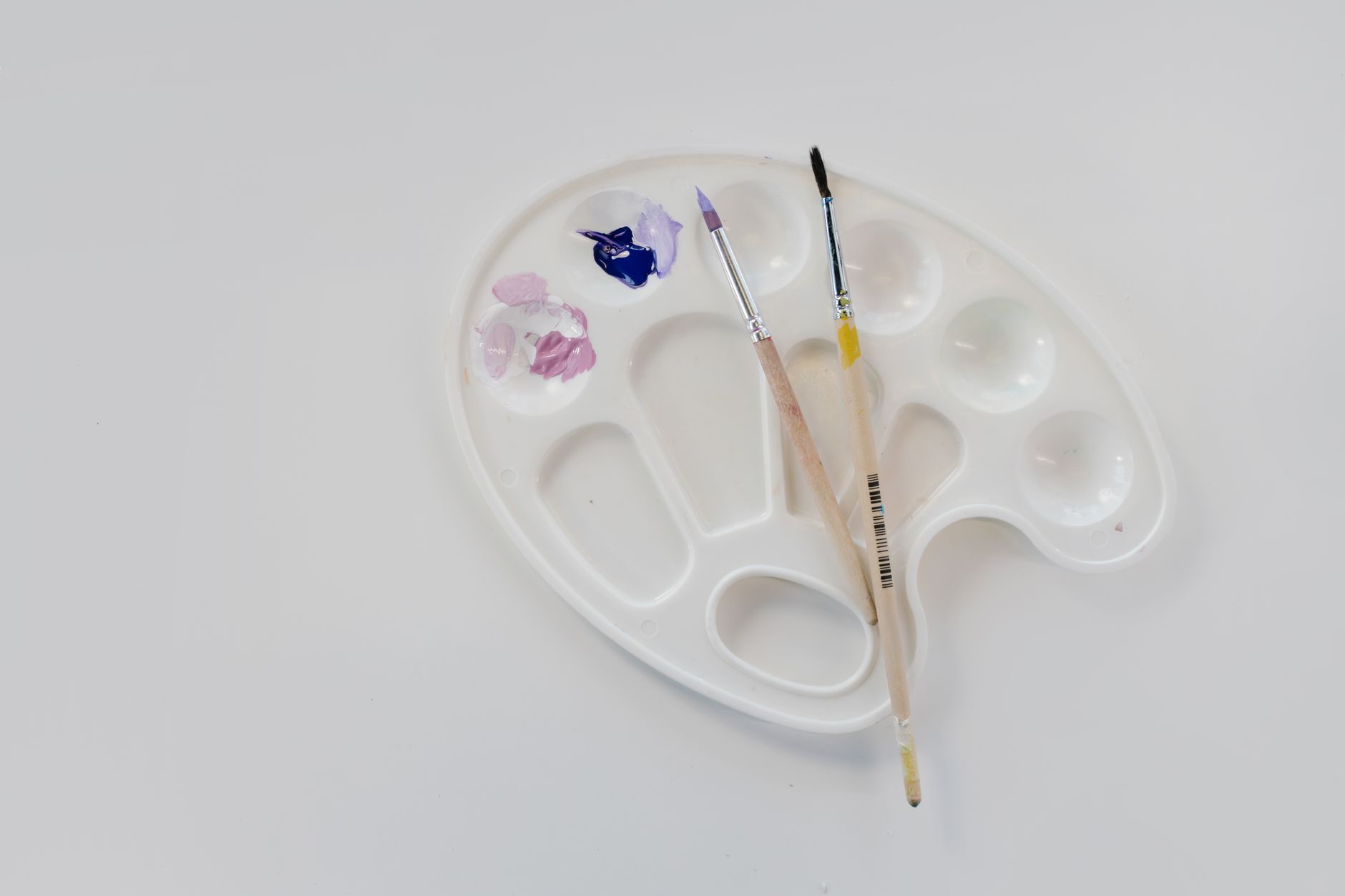
Mix your reactive dye according to the packet instructions, always adding soda ash (sodium carbonate) to fix the dye chemically into the fibre. Apply it generously using a wide brush, a sponge, or a spray bottle for a more uneven, gradient effect. I like the spray bottle approach for this particular technique, it gives you a slightly patchy, organic base colour that fades even more interestingly in the sun.
Once you’ve applied the dye and allowed it to cure (usually 24 hours wrapped in cling film at room temperature), rinse and wash the cloth. Then dry it. At this point you have a richly coloured piece of fabric. Now the real fun begins.
Setting up your sun exposure
Lay your dyed fabric flat on a clean, dry surface outdoors, a wooden deck, a garden table, or simply a clean patch of lawn. Now place objects on top. This is where it gets properly creative. Pressed leaves, seed heads, cut fruit halves (lemon, orange, and fig all give stunning silhouettes), flat pebbles, lengths of cord, geometric paper shapes, or even lace fabric work brilliantly as resists. The more detailed the object, the more detailed the shadow it leaves behind on the cloth.
You want full, direct summer sun for the best results. In the UK, the window between roughly 10am and 3pm BST on a clear day gives the strongest UV exposure. Leave the arrangement in place for three to six hours, checking occasionally. Different dye colours and saturations will fade at different rates. The first time I tried this I was convinced nothing was happening, then I lifted a leaf and saw the perfect ghost of its shape left in full colour beneath, surrounded by pale, sun-kissed fabric. Genuinely satisfying.
If you want a more extreme bleached effect rather than a gentle fade, you can spray diluted household bleach (one part bleach to five parts water) onto the fabric before sun exposure, then neutralise it with a solution of hydrogen peroxide and water once you’re happy with the result. This is a bolder, more dramatic method that suits thicker cotton better than fine muslin. Always work outdoors and wear gloves, bleach is not kind to skin or clothes you actually want to keep.
Getting the holiday-feel colour palette right
The warm, breezy energy of a proper British summer holiday, think Padstow, the Norfolk Broads, a canal boat drifting past meadows in flower, comes through most strongly when your palette leans into analogous warm tones. Start with a deep terracotta or mango orange as your base dye, and let the sun fade it back to apricot or peach. Layer a second piece in coral and fade it to blush. Stack these cloths together, or cut and stitch them into a piece of textile art, and you get something with genuine warmth and depth.
The concept of slow, deliberate making connects interestingly with a broader movement towards quieter, more restorative creativity. In the same way that some people find peace in a slow journey along a waterway (there’s a lovely piece about this over at taking creative rest during slow canal boat trips), there’s something genuinely calming about setting out fabric in the sun and then stepping away. You’re not rushing the process. The light does what it does.
For lifestyle energy that captures exactly this mood, I’ve found myself looking at places like homeandaway.org.uk for colour inspiration, that particular brand of relaxed, sun-warm British summer aesthetic translates beautifully into cloth.
Finishing and using your sun-bleached pieces
Once you’re happy with the fade, wash the fabric on a cool cycle (30°C) with a gentle detergent to remove any residue and set what’s left of the colour. The faded effect is now largely permanent, reactive dyes don’t re-darken once they’ve been UV-broken. You can iron the cloth on a medium heat to flatten it for framing or stitching.
What you do with the finished pieces is almost as fun as making them. I’ve framed single panels in clip frames for a quick wall display. I’ve stitched several together into a patchwork wall hanging, mixing the faded cloth with offcuts of more saturated fabric. You could cut circles for embroidery hoops, use strips as bookmarks, or sew pieces into simple tote bags. If you want to go further with applying colour to fabric in unexpected ways, my earlier experiments with natural fabric dyeing using kitchen and garden produce give a useful grounding in working with cloth as a colour medium generally.
You can also combine sun-bleaching with other resist techniques. Try painting wax onto your fabric (basic batik style) before dyeing, then exposing the waxed cloth to sun, the wax-protected areas stay fully saturated while everything else fades back. It creates a layered, complex effect that takes a bit more planning but produces genuinely striking results. There’s a related rhythm to it: apply, resist, expose, reveal. Once you get that rhythm, you start seeing resist-and-fade possibilities everywhere.
Seasonal timing across the UK
The Met Office notes that UV index levels in England typically reach their peak between May and August, with the south coast and East Anglia receiving the highest cumulative UV. Scotland and Northern Ireland have lower peak UV but still produce usable results on clear days, you’ll just need longer exposure windows, sometimes up to eight hours. Keep a UV index app on your mobile; anything above index 3 is enough to produce meaningful fading in three to four hours.
For my money, late June and early July are the sweet spot. Days are at their longest, the light is warm rather than harsh, and there’s just enough reliability in the weather to plan a project without feeling like you’re gambling entirely on the forecast. By late August the UV drops off noticeably and you’re better off saving larger projects for the following year.
Sun-bleached textile art is one of those techniques that costs almost nothing to try, produces completely unique results every single time, and gives you a genuine excuse to sit in the garden all afternoon. If you’ve already been playing with fabric and colour through other routes, like the silk painting methods covered in our beginner’s guide to vivid colour effects on silk, this is a natural next experiment. Get a piece of cotton, mix some reactive dye, and let a British summer afternoon do the rest.
Frequently Asked Questions
What is sun-bleached textile art?
Sun-bleached textile art is a technique where reactive-dyed fabric is exposed to direct sunlight, causing UV light to break down the dye in exposed areas while objects placed on the cloth protect sections from fading. The result is a resist-print effect with soft, faded, sun-kissed tones and clearly defined silhouettes.
Which reactive fabric dyes work best for sun-bleaching?
Procion MX reactive dyes are the most widely used for this technique in the UK and are available from suppliers like Colourcraft and Whaleys of Bradford. Strongly saturated warm colours, deep oranges, corals, and terracottas, produce the most dramatic and attractive fade effects when exposed to sunlight.
How long do I need to leave fabric in the sun for a good result?
On a clear summer day in the UK, three to six hours in direct sun between 10am and 3pm BST is usually enough to produce a visible fade effect. UV index, cloud cover, and how deeply the fabric was initially dyed all affect the speed. Checking after two hours is a good idea so you can judge progress.