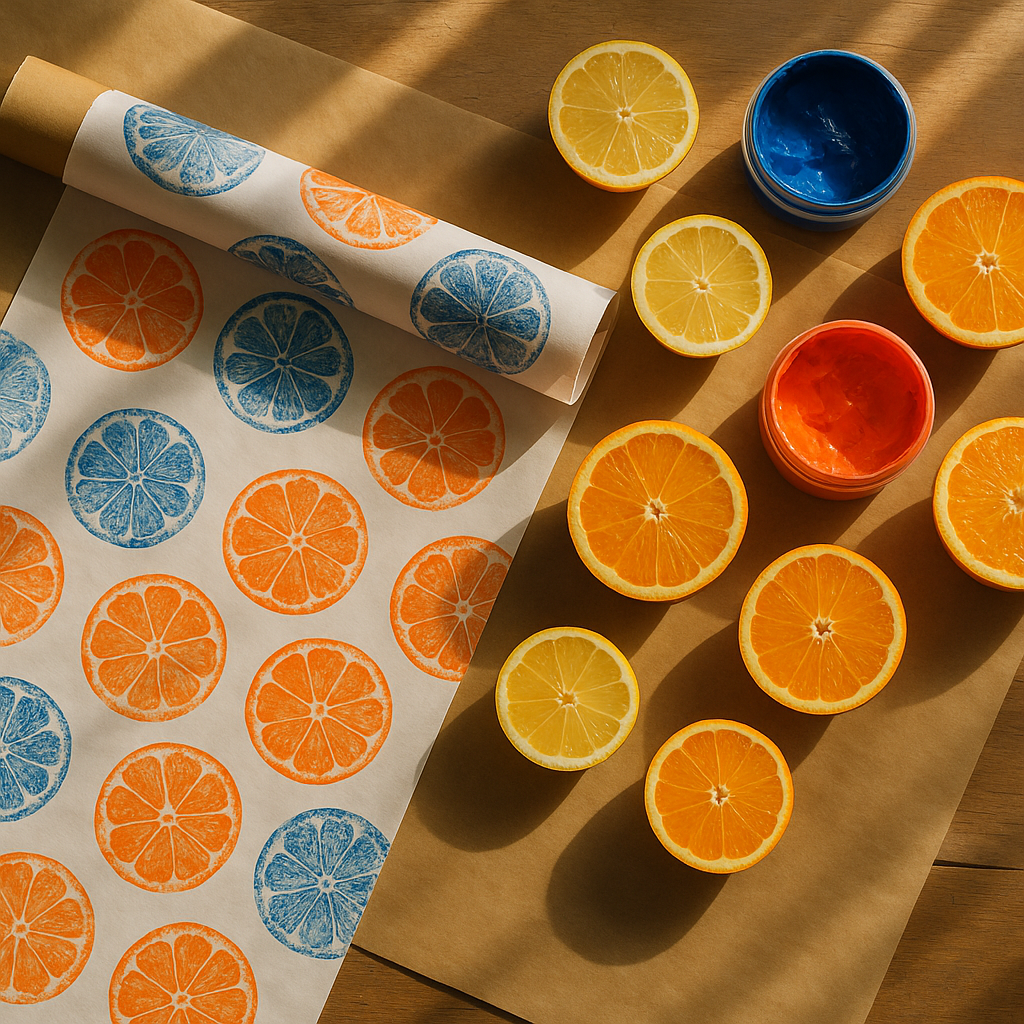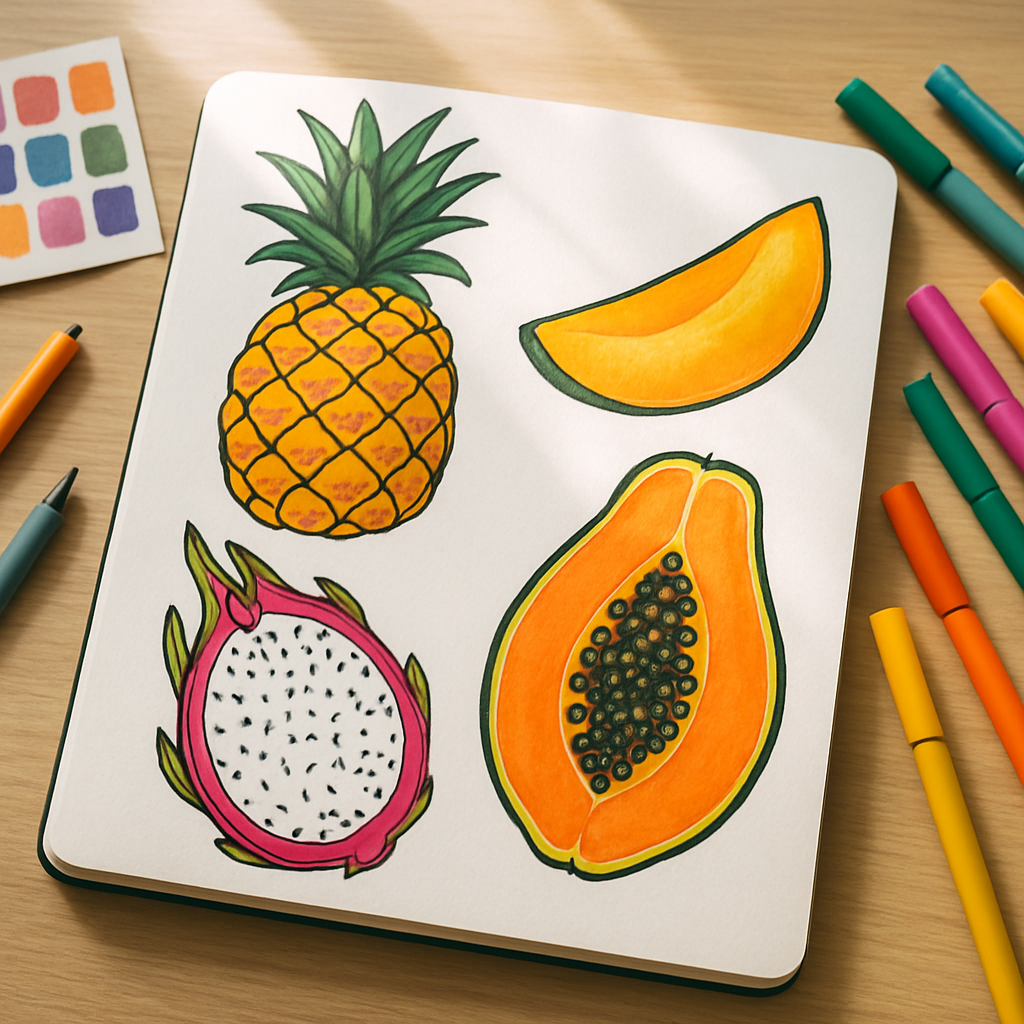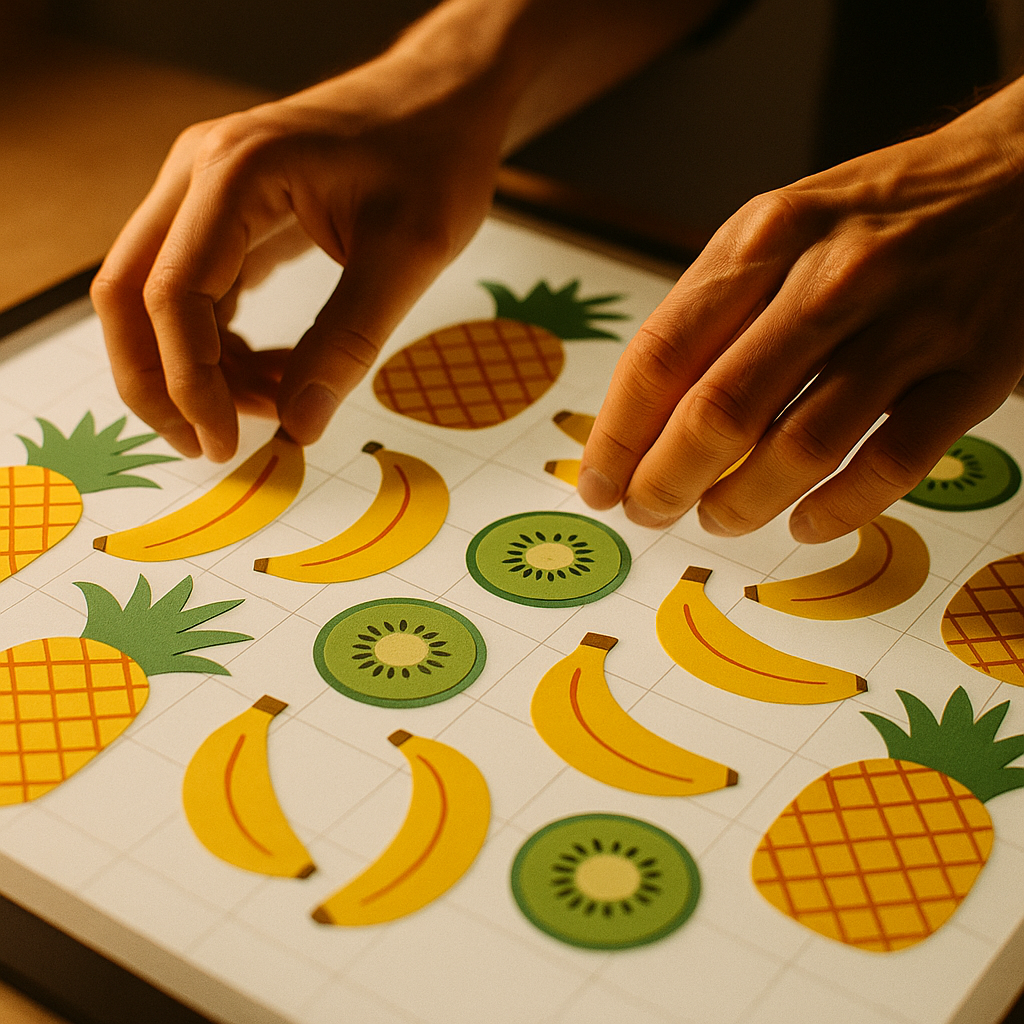
Category: Arts and Crafts

  • 10 Colourful Wall Art Ideas That Will Transform Any Room

    10 Colourful Wall Art Ideas That Will Transform Any Room

    There has never been a better time to embrace bold, joyful colour on your walls. Whether you rent a flat, own a sprawling home, or simply want to breathe new life into a tired living room, colourful wall art ideas offer one of the fastest and most affordable ways to completely shift the energy of a space. Forget the days of safe, muted neutrals. Statement art in vibrant hues is everywhere, and the best part is that many of the most striking pieces are ones you can make yourself.

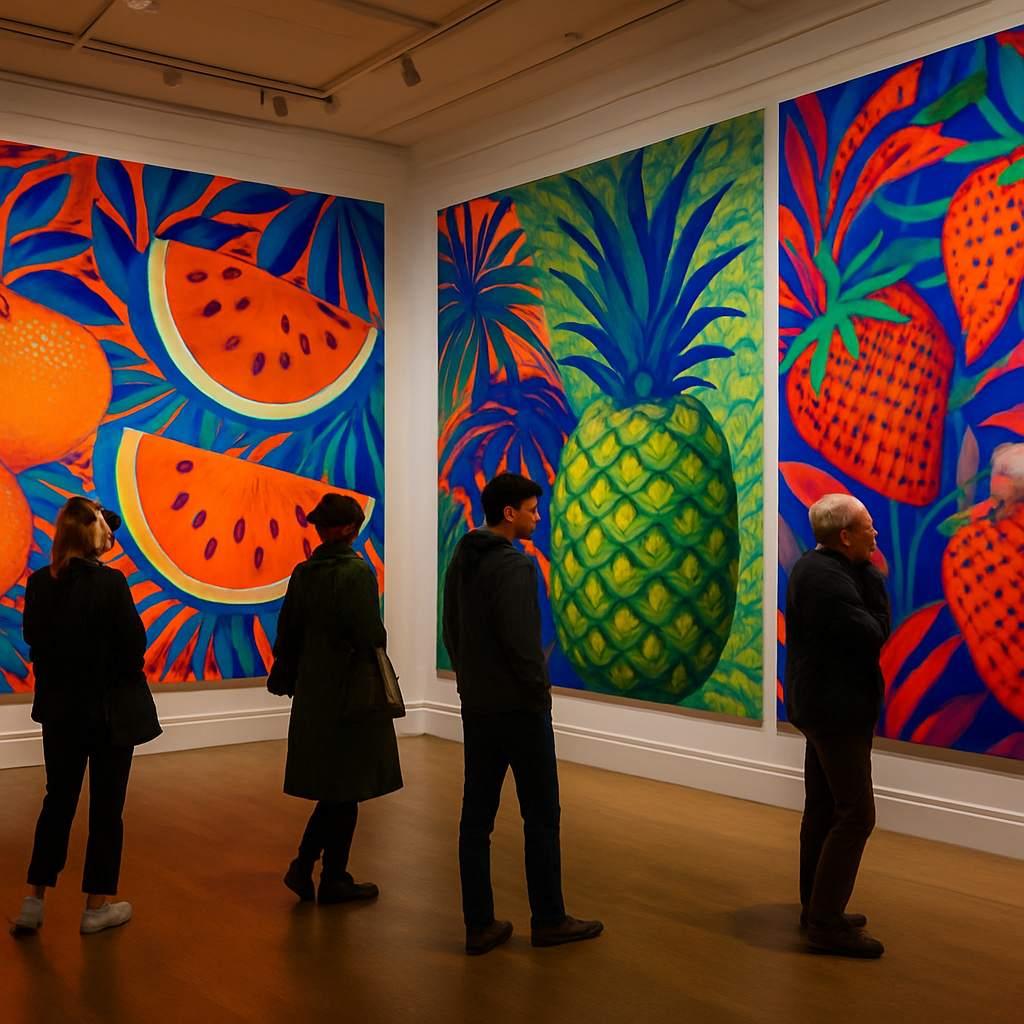
    Bright living room gallery wall showcasing colourful wall art ideas in bold hues
    Bright living room gallery wall showcasing colourful wall art ideas in bold hues

    Why Colourful Wall Art Is Dominating Interior Trends

    Interior design has swung firmly towards maximalist joy. Homes that celebrate personality, playfulness, and rich visual stories are leading the way on platforms like Pinterest and across editorial interiors features. Colour-blocked canvases, illustrated prints full of organic shapes, and layered gallery walls in clashing brights are all having a genuine moment. The shift is a reaction against years of minimalism, and it feels deeply liberating. Art that makes you smile the moment you walk into a room is now the goal, not a guilty pleasure.

    10 Colourful Wall Art Ideas to Try Right Now

    1. Abstract Painted Canvas in a Bold Colour Block

    Grab a large canvas, a few pots of acrylic paint, and divide the surface into chunky geometric sections. Choose colours that sit opposite each other on the colour wheel, such as cobalt blue and burnt orange, or magenta and lime green. The result is instantly impactful and genuinely unique. No painting experience required.

    2. Downloadable Printable Art in Maximalist Palettes

    Printable art has matured enormously as a category. Independent designers on platforms like Etsy and Creative Market now offer richly illustrated prints spanning everything from tropical botanicals to abstract expressionism. You can print at home on thick card stock or send a file to a local print shop for a large-format piece. Frame it in a wide painted frame for extra drama.

    3. A Curated Gallery Wall with Mismatched Frames

    A gallery wall does not need to be uniform to work. In fact, mixing gold, painted, and raw wood frames adds warmth and texture. Choose a central colour theme, perhaps burnt terracotta, forest green, and cream, then build outwards with prints, original sketches, photographs, and even small painted tiles. Map the arrangement on the floor before you start hammering.

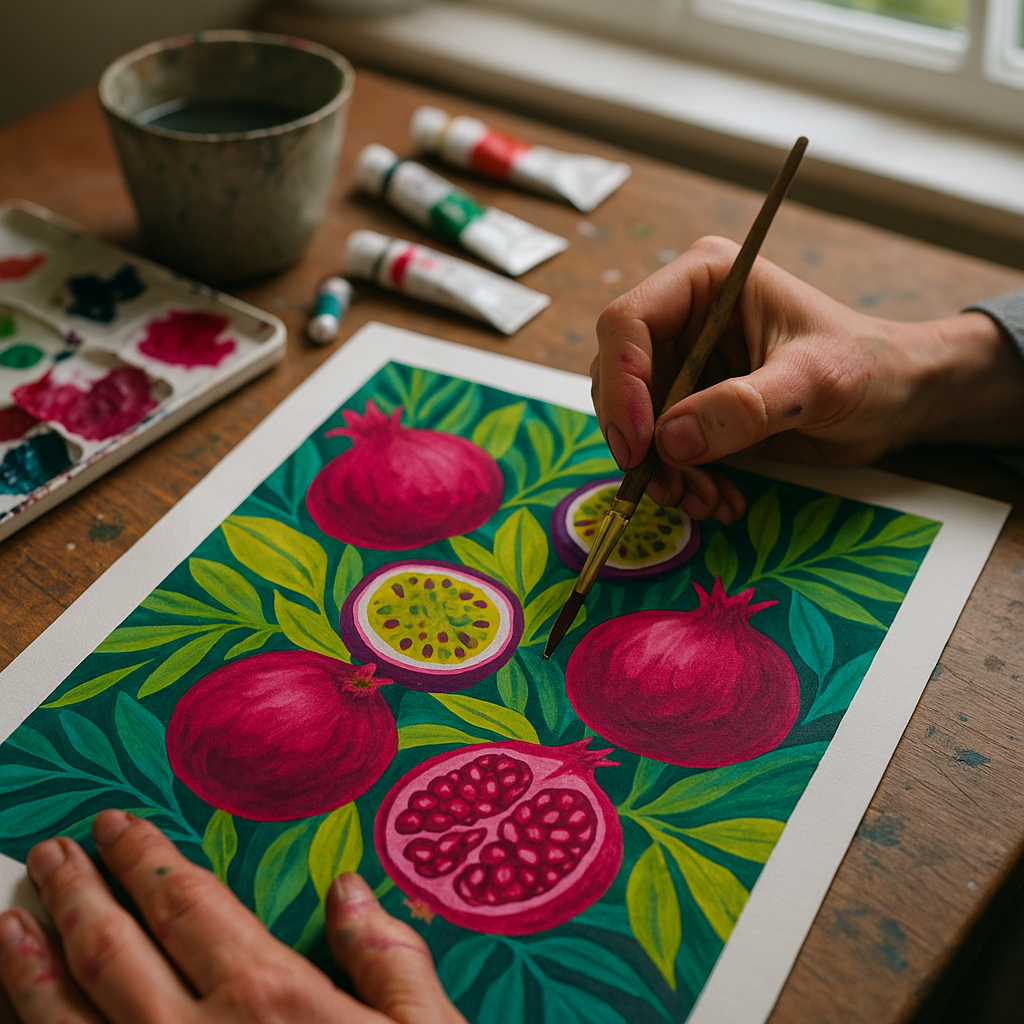
    Artist positioning a bold DIY canvas as part of colourful wall art ideas for the home
    Artist positioning a bold DIY canvas as part of colourful wall art ideas for the home

    4. Oversized Botanical Illustration Prints

    Botanical illustration remains one of the most versatile art styles for the home. Large-scale prints of citrus fruits, tropical leaves, or vivid flowers bring the outside in and work brilliantly in kitchens, hallways, and bathrooms. Pair a lemon print with a deep cobalt background for a punchy, Mediterranean-inspired result.

    5. DIY Woven Wall Hangings in Bright Yarn

    Woven fibre art is tactile, warm, and endlessly customisable. Using a simple wooden loom or even a cardboard frame, you can create striking wall hangings in saturated jewel tones. Combine mustard, rust, and teal for a palette that feels both retro and completely current. Add fringing or tassels at the bottom for extra movement.

    6. Painted Mural Panel on a Single Wall

    You do not need to commit to an entire feature wall. Try painting a large freehand panel directly on the plaster, perhaps a loose floral scene, an abstract landscape, or a simple pattern of arches and curves. Use a slightly deeper tone of your existing wall colour as the base, then add highlights in contrasting shades. It feels bespoke, artistic, and entirely personal.

    7. Framed Fabric and Textile Art

    Stretch a piece of vivid fabric across a canvas stretcher or pop it into an oversized frame. Ikat prints, block-printed cotton, or even vintage silk scarves work beautifully. This approach is especially good for adding pattern and colour without needing to paint or illustrate anything from scratch. Sourcing fabric from independent designers also supports small creative businesses.

    8. Paper Collage Art in Layered Hues

    Cut and layer pieces of coloured paper, old magazines, painted sheets, and tissue paper to build abstract collages. Seal them under glass in a simple clip frame. This medium rewards experimentation and has a wonderful graphic quality when colours are layered boldly. It is also a brilliant rainy-afternoon activity that produces genuinely gallery-worthy results.

    9. Painted Arch Shapes as Freestanding Art Panels

    Arched wooden panels, painted in rich, saturated tones, are a defining interior art trend right now. Cut a simple arch shape from MDF or plywood, paint it in a colour like dusty rose, sage, or deep burgundy, and lean it against a wall. Group two or three arches of different heights for a sculptural, art-gallery feel without any nails required.

    10. Commission an Original Piece from an Independent Artist

    If you want something truly one-of-a-kind, commissioning a piece from an independent artist is more accessible than most people realise. Many artists work to a brief and offer a range of sizes and price points. You might brief them on your room’s colour palette, your favourite subject matter, or simply a feeling you want the artwork to evoke. Just as a well-built online shop, done with thoughtful opencart web design, makes a product feel considered and special, bespoke commissioned art brings that same sense of intentionality into your home.

    How to Choose the Right Colourful Wall Art for Your Space

    Before you commit to any of these colourful wall art ideas, think about scale first. A large, open wall needs a substantial piece or a full gallery arrangement. A narrow hallway suits a single tall print or a vertical column of smaller frames. Consider your existing furniture tones too: warm wood and terracotta work brilliantly with earthy, sunset palettes, while white and grey interiors can handle almost any bold colour without clashing. Finally, trust your instinct. If a colour combination excites you, it will almost certainly work in the room.

    Where to Source Materials for DIY Wall Art

    For painted canvas projects, brands like Winsor and Newton and Daler-Rowney offer great quality acrylic paints at accessible price points. Independent art supply shops often stock unusual canvas formats, from circles to hexagons, that add instant interest. For printable art, Creative Market and Etsy are both rich with independent illustrators selling high-resolution files. If you are commissioning, Instagram and Behance are excellent places to find artists whose style you genuinely love.

    The most important thing about building a colourful, art-filled home is that it should feel joyful to you. Bold, vibrant wall art is not about following rules. It is about filling your space with colour, creativity, and genuine happiness, one canvas, print, or hand-sewn weaving at a time.

    Frequently Asked Questions

    What are the best colourful wall art ideas for a small room?

    In a small room, one large statement piece tends to work better than many small ones, as it draws the eye and makes the space feel more intentional. Choose a vibrant print or painted canvas that picks up a colour already present in your furnishings or soft furnishings. Avoid clustering too many frames, as this can make a small wall feel cluttered.

    How do I make a gallery wall look cohesive when using different colours?

    Choose one or two anchor colours that appear across multiple pieces, even if the frames and subjects vary. For example, if several prints contain shades of cobalt blue or warm terracotta, the wall will feel unified despite the variety. Laying the arrangement on the floor before hanging lets you refine the balance before committing.

    Can I create high-quality wall art at home without being a trained artist?

    Absolutely. Techniques like colour-block painting, paper collage, and textile framing require no formal training and produce genuinely impressive results. Abstract painting is particularly forgiving because there is no right or wrong outcome. Starting with a limited palette of two or three colours keeps things bold and cohesive.

    What size canvas or print works best for a feature wall?

    As a general guide, a piece that is roughly two thirds the width of your sofa or bed is proportionally satisfying on the wall above it. For an empty feature wall, pieces of 60cm x 90cm or larger tend to command attention, while anything smaller can look lost. When in doubt, go bigger than you think you need.

    How do I hang a gallery wall without damaging my walls?

    Adhesive strips like 3M Command Strips are suitable for lighter frames and are widely available. For heavier pieces, standard picture hooks cause minimal damage and can be filled easily when you move. Always use a spirit level or the built-in level on your phone to keep rows straight, and use low-tack masking tape to mark positions before you commit.

  • Colour Psychology in Art: What Every Shade Says About Your Creative Work

    Colour Psychology in Art: What Every Shade Says About Your Creative Work

    Colour is never just decoration. Every shade you reach for carries emotional weight, cultural meaning, and the power to shift how a viewer feels the moment their eyes land on your work. Understanding colour psychology in art is one of the most powerful tools any creative can develop, and it does not require a fine art degree to start using it deliberately and joyfully.

    The beautiful thing about using fruit as a lens for this subject is that it gives us an instantly relatable, vibrant reference point. A ripe mango, a glossy plum, a cluster of green grapes. Each one carries a distinct emotional charge before a single brushstroke is even made. Let us explore what those hues are really communicating.

    A vibrant spread of colourful fruits arranged by hue, illustrating colour psychology in art
    A vibrant spread of colourful fruits arranged by hue, illustrating colour psychology in art

    Why Colour Psychology in Art Actually Matters

    Artists who understand the emotional language of colour are not guessing when they choose a palette. They are making deliberate decisions. A painting dominated by warm oranges and yellows will feel energising, generous, and full of life. The same composition rendered in cool blues and muted greens will feel calm, considered, or even melancholy. Neither is wrong; both are intentional choices.

    Psychological responses to colour are partly universal and partly shaped by culture and personal experience. But certain associations are remarkably consistent across audiences, and that is where artists gain real creative leverage. Once you understand the emotional grammar of colour, you can write exactly the story you want.

    Red: Urgency, Passion, and Appetite

    Think of a bowl of ripe cherries or a split pomegranate, seeds gleaming like jewels. Red is the colour that demands attention first. It is associated with energy, desire, danger, and appetite. In food art, red fruits have long been used to create images that feel generous and indulgent. For an artist, placing a focal red element in a composition naturally draws the eye and raises the emotional temperature of the whole piece.

    Red can also signal urgency or intensity. If you want your artwork to feel bold and confrontational, lean into deep crimsons and scarlet tones. If you want warmth without aggression, soften towards coral and raspberry pinks.

    Yellow and Orange: Joy, Warmth, and Creative Energy

    A golden mango or a pile of citrus fruits on a sunlit surface captures something instantly optimistic. Yellow and orange hues are some of the most emotionally generous in the spectrum. Yellow communicates playfulness, curiosity, and mental stimulation. Orange carries warmth, sociability, and an almost edible richness that is no accident in still life painting traditions.

    Artists working in these hues often find their work reads as approachable and energising. If you are creating pieces intended to lift a mood or bring genuine delight into a space, building your palette around warm yellows and peachy oranges is a reliable and beautiful strategy.

    An artist selecting paint colours on a palette, applying colour psychology in art to a fruit still life
    An artist selecting paint colours on a palette, applying colour psychology in art to a fruit still life

    Purple and Deep Plum: Mystery, Luxury, and Depth

    The deep skin of a Victoria plum or the dusty bloom on a cluster of black grapes holds something altogether more atmospheric. Purple has historically been associated with royalty, spirituality, and creative imagination. In art, it creates a sense of mystery and depth that few other hues can match.

    Deep violets and purples work brilliantly as shadow colours in fruit paintings, adding richness without simply using black. Lighter lavender tones communicate gentleness and nostalgia. If you want your work to feel luxurious or emotionally complex, purple is your most eloquent ally.

    Green: Balance, Growth, and Natural Calm

    Green gooseberries, tart limes, and glossy green apples each carry a very specific freshness. Green sits at the centre of the visible spectrum, and that balance is exactly what it communicates emotionally. It signals life, renewal, and equilibrium. In art, green grounds a composition, providing the eye with a natural resting point.

    Bright, acidic greens feel energetic and modern. Deeper, mossier greens feel earthy and stable. For artists building work that should feel restorative or connected to the natural world, green is an anchor worth understanding deeply.

    Blue: Calm, Distance, and Emotional Reflection

    Blue fruit is rarer in nature, which is partly why it feels so striking when it appears. Blueberries and damsons carry that quality of quiet mystery. Blue is consistently associated with calm, distance, and introspection across cultures. In art, it tends to push elements into the background and create a sense of space or tranquillity.

    Using blue in contrast with warm fruit tones, say a blue-grey background behind a vivid orange persimmon, creates a compositional tension that is visually arresting. The cool recedes, the warm advances, and the eye is kept moving with genuine pleasure.

    How to Apply Colour Psychology Deliberately in Your Own Work

    The most practical step you can take is to decide the emotional intention of a piece before you choose a single colour. Ask yourself: what do I want the viewer to feel? Energised? Soothed? Hungry? Reflective? Once you have that answer, let colour psychology in art guide your palette choices rather than defaulting to what looks realistic or familiar.

    Experiment with monochromatic palettes built around one dominant emotional hue, then introduce a single contrasting accent to create tension or delight. A painting of pears in warm yellow-greens, with one small touch of deep violet shadow, will feel far more emotionally alive than one painted with generic mixed greens throughout.

    Colour speaks before your subject matter does. A viewer’s nervous system registers hue before it registers form. That is an extraordinary creative opportunity, and understanding the emotional language behind every shade puts that power firmly in your hands. The fruit bowl on your table is not just a still life subject; it is a complete emotional toolkit waiting to be explored.

    Frequently Asked Questions

    What is colour psychology in art?

    Colour psychology in art is the study of how different hues affect the emotions, mood, and perceptions of viewers. Artists use this knowledge deliberately to evoke specific feelings, guide the eye through a composition, and communicate meaning beyond the literal subject matter.

    How do artists use colour to convey emotion?

    Artists choose colours based on their known emotional associations, such as warm reds and oranges for energy and appetite, cool blues for calm, and deep purples for mystery. By building a palette around a desired emotional outcome before starting a piece, artists can guide how the viewer feels when they encounter the work.

    Is colour psychology the same across different cultures?

    Some colour associations are broadly consistent across cultures, such as red for urgency or green for growth, while others vary significantly. For example, white carries associations of purity in many Western contexts but mourning in some East Asian traditions. Artists working for international audiences benefit from researching cultural nuances alongside universal emotional responses.

    Can beginners use colour psychology in their artwork?

    Absolutely. You do not need formal training to begin applying colour psychology deliberately. A simple starting point is to choose your palette based on one emotional intention, such as warmth or calm, rather than just copying realistic colours. Over time, this becomes instinctive and adds genuine depth to even simple pieces.

    What colours are most effective for creating a joyful and energetic painting?

    Warm yellows, oranges, and bright reds tend to generate the most energetic and joyful responses in viewers. Citrus-inspired palettes featuring lemon yellows, tangerine oranges, and coral pinks are particularly effective for creating artwork that feels uplifting, welcoming, and full of life.

  • Botanical Illustration for Beginners: Drawing Fruit with Watercolour

    Botanical Illustration for Beginners: Drawing Fruit with Watercolour

    There is something wonderfully satisfying about sitting down with a pencil, a brush, and a plump, ripe piece of fruit and attempting to capture every curve, shadow, and blush of colour on paper. Botanical illustration fruit watercolour for beginners is one of the most rewarding creative journeys you can take, combining close observation with the gentle, luminous quality that only watercolour can deliver. Whether you are a complete newcomer or someone who has dabbled with paints before, this guide will walk you through every stage of the process in a way that feels joyful rather than daunting.

    Before you even pick up a brush, it helps to understand what makes botanical illustration different from loose, impressionistic painting. Traditional botanical illustration aims for accuracy and clarity, celebrating the actual structure of a subject rather than just its mood. That said, as a beginner you absolutely do not need to produce museum-quality scientific plates. The goal is to look carefully, enjoy the process, and develop your eye over time.

    Botanical illustration fruit watercolour beginners workspace with fresh fruit, brushes, and sketchbook on a wooden table
    Botanical illustration fruit watercolour beginners workspace with fresh fruit, brushes, and sketchbook on a wooden table

    Choosing Your Fruit and Setting Up Your Workspace

    Start with fruit that has clear, readable shapes and interesting colour transitions. A lemon is brilliant for beginners because its elliptical form is simple and its textured skin creates lovely tonal variation. A halved strawberry, a cluster of grapes, or a single cherry on a stalk are equally wonderful starting points. Avoid anything too complex at first, such as a pineapple, which can overwhelm you with detail before you have found your rhythm.

    Set your fruit on a plain white surface near a natural light source coming from one consistent direction. This single light source will define your highlights and shadows clearly, which is essential for creating the three-dimensional look that makes botanical illustration so striking. Have a small piece of white cartridge paper nearby to test your colours before they touch your good watercolour paper. Cold-pressed watercolour paper at around 300gsm is ideal because it handles multiple washes without buckling or tearing.

    Step One: Pencil Sketching Your Fruit

    Lightly sketch your fruit using a sharp HB or 2H pencil. The word lightly cannot be stressed enough here. Heavy pencil lines will show through transparent watercolour washes and disrupt the clean, glowing finish that is the hallmark of the style. Begin with the overall silhouette, checking proportions by holding your pencil up to measure the fruit in front of you. Then add key internal details: the indent at the top of an apple, the dimples on an orange, the creases where a peach splits into two lobes.

    Mark in the position of your highlight with a very faint dot or circle. This is the brightest point where light hits the fruit directly, and it is the one area you will protect by leaving the white paper unpainted. Many beginners forget this and then struggle to reclaim lost whites later. You can use masking fluid if you prefer, but simply being mindful of that area as you paint works just as well once you are familiar with the process.

    Close-up of watercolour wash being applied in botanical illustration fruit watercolour beginners study of a lemon
    Close-up of watercolour wash being applied in botanical illustration fruit watercolour beginners study of a lemon

    Step Two: Layering Watercolour Washes

    This is where botanical illustration fruit watercolour begins to come alive. Watercolour works by building luminosity through transparent layers rather than applying one thick coat of opaque paint. Mix a very pale, watery version of your fruit’s base colour and apply it across the whole fruit in one smooth wash, leaving your highlight area untouched. Let this dry completely before adding a second wash. Patience here is not optional; painting into a wet layer creates uncontrolled blooms that can ruin your careful work.

    Once your first wash is dry, mix a slightly deeper version of your colour and apply it to the shadow areas of the fruit. On a lemon, this might be the underside and the area closest to the stalk. On a strawberry, it is the deeper recesses between the seed dimples and the area curving away from the light. Keep your brushstrokes smooth and confident. Tentative, scratchy marks create a muddy finish. A round brush in sizes 4 and 6 will handle most of this layering work beautifully.

    Continue building washes, working from light to dark, until the form feels convincingly round and solid. Most fruit will require three to five layers to achieve the depth you are looking for. Each layer should be fully dry before the next goes on. A hairdryer on a low setting can speed this up if you are impatient, though allowing natural drying gives you slightly more control over soft edges.

    Step Three: Adding Fine Detail and Texture

    Detail is what elevates a pleasant painting into a true botanical illustration. Switch to a smaller brush, a size 1 or 000, and begin adding the specific surface characteristics of your fruit. The tiny raised dots on a strawberry, the fine network of veins on a grape, the rough pitted texture of a lemon skin: these small marks signal to the viewer that you have really looked at your subject. Use a concentrated mix of your darkest tone rather than a fully saturated black, which can look harsh and flat.

    Add cast shadows beneath your fruit using a cool grey or a neutral mix of complementary colours rather than black. A cool blue-grey or violet shadow grounds the fruit on its surface and makes the whole composition feel real. You can soften the outer edge of the shadow by dampening the paper slightly before adding paint, allowing it to bleed naturally into a gentle gradient.

    Common Mistakes Beginners Make and How to Avoid Them

    The most frequent error in botanical illustration fruit watercolour work for beginners is rushing the drying time between layers. The second is using too much paint and not enough water in early washes, resulting in flat, opaque coverage instead of glowing transparency. A third is neglecting to mix enough of a colour before starting a wash, forcing a mid-stroke remix that creates visible lines in the finished piece. Mix generously, work slowly, and trust that each dried layer is adding exactly the depth you need.

    Building your skills through botanical illustration is one of the most joyful creative habits you can develop. Every piece of fruit becomes a miniature world of colour, light, and texture waiting to be explored. Keep your first attempts, no matter how imperfect they seem, because looking back at them in a few months will show you just how quickly your eye and hand learn to work together.

    Frequently Asked Questions

    What watercolour paints are best for botanical illustration fruit painting as a beginner?

    Student-grade watercolour sets from brands such as Winsor and Newton Cotman or Daler-Rowney Aquafine are excellent starting points, offering good transparency and a wide colour range at an accessible price. As you progress, investing in a small selection of artist-grade single pigment colours, particularly yellows, reds, and greens, will give you cleaner mixes and more vibrant results. Avoid sets with too many pre-mixed earth tones, as these can quickly muddy the fresh, luminous quality that fruit illustration requires.

    How long does it take to complete one botanical illustration fruit watercolour painting?

    A simple single-fruit study, such as a lemon or an apple, typically takes between two and four hours for a beginner when drying time between layers is included. More complex subjects with multiple pieces of fruit or cut sections showing seeds and pulp can take six hours or more spread across several sessions. Rushing the drying stages is the most common cause of disappointing results, so it is worth working on two small paintings simultaneously and alternating between them.

    Do I need drawing skills before I start botanical illustration?

    Basic pencil sketching helps, but you do not need advanced drawing ability to begin. Starting with simple geometric fruit shapes and practising proportion exercises, such as sketching the same lemon ten times, builds confidence quickly. Many botanical illustrators improve their drawing skills through the illustration process itself rather than taking separate drawing classes beforehand.

    What paper should beginners use for fruit watercolour botanical illustration?

    Cold-pressed watercolour paper at 300gsm is the standard recommendation for botanical illustration because it accepts multiple wet washes without warping and has a gentle texture that holds paint well. Brands such as Fabriano Artistico or Saunders Waterford are widely trusted. Avoid thin paper under 200gsm, as it will buckle badly under wet washes, making smooth, even layering extremely difficult.

    Can I do botanical illustration fruit watercolour paintings from photographs instead of real fruit?

    Photographs can work as a reference in a pinch, but painting from real fruit in front of you is strongly recommended, especially for beginners. Real fruit allows you to observe how light shifts as you move around it, feel the actual texture, and notice colour nuances that a photograph compresses or loses entirely. If your fruit is likely to wilt or rot, take several good-quality photos under consistent lighting as a backup reference to keep beside your fresh subject.

  • How to Build a Fruit-Inspired Colour Palette for Your Next Art Project

    How to Build a Fruit-Inspired Colour Palette for Your Next Art Project

    Nature has always been one of the most generous muses for artists, and few things in the natural world pack as much visual punch as fruit. A ripe mango, a split dragon fruit, a cluster of deep purple figs: each one is a ready-made fruit-inspired colour palette just waiting to be borrowed. Whether you work in watercolour, gouache, digital illustration, or mixed media, learning to pull colour stories from fruit will transform the way you see and use colour.

    A colourful fruit-inspired colour palette displayed alongside tropical fruits and watercolour swatches on a wooden studio table
    A colourful fruit-inspired colour palette displayed alongside tropical fruits and watercolour swatches on a wooden studio table

    Why Fruit Makes Such a Brilliant Colour Muse

    Fruit colours are rarely flat or simple. A single strawberry moves from deep crimson at its base through warm scarlet to a blush pink at the tip, with flecks of cream and yellow around the seeds. That kind of natural gradation teaches artists something that no colour wheel alone can: real, living colour is always shifting, always in conversation with light and shadow.

    Tropical fruits are especially rich territory. Papaya flesh sits between coral and amber. Passion fruit pulp is a saturated, jewel-like gold. The skin of a ripe avocado holds mossy greens and near-blacks that would look spectacular in abstract work. Seasonal fruits carry their own drama too: late summer plums in violet and dusty blue, winter citrus in burnished orange and chrome yellow. You are never short of material.

    Colour Theory Basics Worth Knowing Before You Start

    Building a fruit-inspired colour palette becomes far more intentional when you understand a handful of core colour theory principles. You do not need a formal education to apply them; you just need to look carefully.

    Analogous palettes from a single fruit

    Pick up a peach and really study it. The colours sitting next to each other on the surface, orange, warm yellow, soft pink, are analogous: they sit close together on the colour wheel and create harmony rather than contrast. Analogous palettes are lovely for dreamy illustrations or soft surface pattern work because everything feels cohesive and calm.

    Complementary tension from contrasting fruits

    Place a lime next to a fig. The electric green and the deep purple sit almost opposite each other on the colour wheel, creating the kind of visual tension that makes a piece of art feel alive and energetic. This complementary contrast is perfect for bold editorial illustration or statement prints.

    Split-complementary palettes for balance

    If full complementary contrast feels too intense, try a split-complementary approach. Take the golden yellow of a pineapple as your base and pair it not with pure violet, but with red-violet and blue-violet instead. You get excitement without the clash. This approach works brilliantly in mixed media pieces where you want richness without visual chaos.

    An artist mixing a fruit-inspired colour palette in gouache with fresh fruit as colour reference on a studio work surface
    An artist mixing a fruit-inspired colour palette in gouache with fresh fruit as colour reference on a studio work surface

    How to Extract a Fruit-Inspired Colour Palette Practically

    There are several hands-on ways to pull a palette from fruit, and the method you choose will depend on your practice.

    Paint directly from life

    Set a bowl of fruit near a north-facing window for soft, even light. Mix small swatches of every colour you can see, including the shadows and the highlights. Do not try to name the colours as you go; just observe and match. You will end up with a set of swatches that feel genuinely organic rather than manufactured.

    Use a digital colour picker

    Photograph your fruit in good natural light, then import the image into Procreate, Photoshop, or even a free browser-based palette tool. Sample five to eight colours from across the image, from the deepest shadow to the brightest highlight. This gives you a ready-to-use digital fruit-inspired colour palette you can apply immediately to illustration work.

    Build a physical swatch library

    Keep a dedicated sketchbook page for each fruit you study. Paint your swatches, note the pigment mixes used, and stick in a photograph or quick sketch. Over time, you will build a library of colour stories you can revisit for any project. It is one of the most satisfying creative habits to develop.

    Applying Your Palette Across Different Art Forms

    A fruit-inspired colour palette is versatile enough to travel across almost any creative discipline. In watercolour painting, use the lighter, more transparent tones from the palette as washes and reserve the saturated mid-tones for detail. In gouache or acrylic, the full range works beautifully in flat graphic compositions. For textile and surface pattern design, limit yourself to four or five key colours from the palette to keep the repeat clean and printable.

    Mixed media artists can have particular fun here. The earthy, organic quality of fruit colours pairs wonderfully with collage elements, dried botanicals, and mark-making in ink. The unexpected pairing of a watermelon palette (deep green, blush pink, bright white, and near-black seed tones) with gestural ink marks creates something both structured and free.

    Getting More from Your Creative Practice

    One of the joys of working with nature-led palettes is that you are always learning to see more carefully. Slow observation of something as simple as a halved kiwi, with its concentric rings of jade, lime, and cream, will sharpen your colour sensitivity in a way that studying colour charts never quite manages. Set yourself a monthly challenge: choose one fruit, spend an hour observing it, and build a complete palette from that single source. You will be surprised how quickly your instinct for colour improves.

    If you run a creative business or sell your artwork online, having a distinctive, nature-led colour story also helps your visual brand feel coherent and memorable. Just as makers use free SEO tools to help their work get found online, a strong, consistent colour identity helps your artwork get recognised and remembered.

    Fruit is everywhere, it is free to look at, and it comes in an endlessly renewable supply of extraordinary colour. There is genuinely no better starting point for any artist wanting to build a richer, more joyful relationship with colour. Pick something up, look at it properly, and start mixing.

    Frequently Asked Questions

    How do I choose which fruit to base my colour palette on?

    Think about the mood or feeling you want your artwork to convey. Tropical fruits like mango and papaya produce warm, vibrant palettes suited to energetic or joyful work. Cooler seasonal fruits like plums and blackberries create moody, sophisticated palettes ideal for more introspective pieces. Start with a fruit whose colours genuinely excite you.

    Can I use a fruit-inspired colour palette for digital illustration?

    Absolutely. Photograph the fruit in natural light, import the image into your illustration software, and use the colour picker tool to sample a range of tones from across the surface. Most digital art apps like Procreate allow you to save these as a custom palette, making them easy to apply consistently across your work.

    How many colours should I include in a fruit-inspired palette?

    For most art projects, five to seven colours is a good working range. This gives you enough variety for light, mid-tone, and shadow values without becoming overwhelming. For surface pattern design or textiles, consider limiting yourself to four or five to keep production costs down and the design clean.

    What is the best way to mix fruit-inspired colours in watercolour?

    Start by identifying the dominant hue, then look for the warm and cool variations within it. Many fruit colours are mixed from two or three pigments rather than one. A ripe peach, for example, might need a mix of transparent orange, a touch of quinacridone pink, and a hint of raw sienna for the shadowed areas. Always test mixes on scrap paper first.

    Are fruit-inspired palettes suitable for abstract art as well as representational work?

    Yes, they work brilliantly in abstract contexts. The natural harmony and contrast found in fruit colour combinations translate directly into abstract compositions. A palette pulled from a pomegranate, with its deep reds, burnished golds, and cream tones, can drive a completely non-representational painting with real emotional depth and cohesion.

  • How to Design a Fun Fruit-Themed Surface Pattern for Fabric and Stationery

    How to Design a Fun Fruit-Themed Surface Pattern for Fabric and Stationery

    Designing a fruit-themed surface pattern is one of the most joyful creative projects you can take on as an artist or illustrator. Whether you want to see your work printed on cotton fabric, wrapped around a notebook, or plastered across a tote bag, repeating surface patterns built around bold, colourful fruit motifs are endlessly versatile and genuinely commercial. This guide walks you through the whole process, from sketching your first strawberry to uploading your final file to a print-on-demand platform.

    The best part? You do not need years of training. You need curiosity, a sketchbook, and a willingness to experiment with colour and composition until something clicks.

    Designer's desk covered in hand-drawn motifs for a fruit-themed surface pattern with paints and sketches
    Designer's desk covered in hand-drawn motifs for a fruit-themed surface pattern with paints and sketches

    Choosing Your Fruit Motifs and Building a Visual Library

    Before you think about repeat structures or digital tools, you need a strong set of motifs to work with. Start by drawing the same fruit multiple times at different scales and from different angles. A lemon sliced in half reads very differently to a whole lemon with a leaf attached. Both are useful, and having variety gives you flexibility when you begin arranging your pattern.

    Aim for a mix of anchor motifs (larger, more detailed pieces like a halved watermelon or a pineapple), secondary motifs (medium-sized elements like cherries or figs), and filler motifs (small details like leaves, seeds, tiny blossoms, or dots). This three-tier approach keeps the eye moving across a pattern without any single element becoming overwhelming. Sketch everything loosely at first; tight, polished drawings can come later once you know which shapes are working.

    Colour Selection for a Fruit-Themed Surface Pattern

    Colour is where your fruit-themed surface pattern really comes alive. A common mistake is reaching straight for realistic fruit colours, which can actually feel flat on a pattern. Instead, consider pushing your palette. Dusty pinks, terracotta oranges, sage greens, and warm creams give a retro feel. Electric citrus yellows paired with cobalt blue feel graphic and modern. Soft pastels work brilliantly for baby and children’s products.

    Pick a background colour early, because it changes everything. A deep forest green background makes the same set of motifs feel lush and botanical. A warm off-white makes them feel vintage. Limit yourself to five or six colours in total, including the background. This constraint forces cohesion and also makes the pattern much easier to digitise and colour-separate for printing.

    When thinking about your workspace, it is worth keeping your creative environment as pleasant as possible. Just as a tidy studio feeds your focus, other areas of your home benefit from regular upkeep too; even something as unglamorous as wheelie bin cleaning makes the whole space feel fresher when you are in a creative flow.

    Close-up of a digital tablet showing a fruit-themed surface pattern being designed in an illustration app
    Close-up of a digital tablet showing a fruit-themed surface pattern being designed in an illustration app

    Understanding Repeat Structures

    A repeat structure is the grid system that tiles your motifs across a surface without visible seams. For beginners, there are three main types worth knowing.

    Full Drop Repeat

    This is the simplest structure. Your motifs are arranged in a straight grid, with each row directly below the last. It is predictable but works well for bold, graphic patterns where symmetry is intentional.

    Half Drop Repeat

    Each column is shifted down by half the height of the tile. This creates a more flowing, diagonal feel that suits organic motifs like fruit beautifully. Most textile designers default to half drop for illustrated patterns because it avoids the rigid grid effect.

    Brick Repeat

    Similar to half drop, but the offset is horizontal rather than vertical. Imagine the pattern of bricks in a wall. This works especially well when your motifs have a strong horizontal orientation.

    For a fruit-themed surface pattern aimed at fabric or stationery, the half drop repeat is usually the most satisfying starting point. It keeps things looking lively without demanding complex arrangement skills.

    How to Digitise Your Hand-Drawn Artwork

    Once your motifs are sketched and refined, it is time to bring them into a digital space. Scan your drawings at a minimum of 600 DPI for clean lines. If you do not have access to a scanner, a well-lit photograph taken flat against a neutral background works surprisingly well as a starting point.

    Adobe Illustrator remains the industry standard for surface pattern design, particularly because vector files scale without any loss of quality. Trace your scanned sketches using the Live Trace function, then clean up the paths manually. If Illustrator feels like a steep investment, Affinity Designer offers a very capable alternative at a one-off cost, and Procreate on iPad is an excellent option for those who prefer drawing digitally from the start.

    Build your repeat tile by setting up an artboard to a specific size (20cm x 20cm is a practical starting point), arrange your motifs within it, and then use the offset path technique or the pattern tool to check how the tile repeats seamlessly. Adjust spacing and scale until the rhythm feels balanced, neither too cramped nor too sparse.

    Preparing Files for Licensing and Print-on-Demand

    Once your fruit-themed surface pattern is complete, the exciting part begins: getting it out into the world. For print-on-demand platforms like Spoonflower, Society6, or Redbubble, you will typically upload a high-resolution JPEG or PNG of your repeat tile, and the platform handles the actual tiling and printing. Each platform has its own specifications, so check their upload guidelines before exporting.

    For licensing your pattern to manufacturers directly, you will usually need to supply a layered file (PSD or AI format) along with a colour breakdown. Licensing means a brand pays you a fee or royalty to use your design on their products, which can generate ongoing income from a single piece of work. Build a small portfolio of six to ten coordinating patterns in the same colour palette, since buyers almost always want a collection rather than a single design.

    Tips to Make Your Pattern Stand Out

    The surface pattern market is competitive, so a few intentional choices go a long way. Mixing unexpected fruit combinations, say, a durian alongside a British gooseberry, creates talking points and memorable designs. Adding texture to your digital files, such as a subtle paper grain overlay, gives the pattern warmth and keeps it feeling hand-crafted rather than sterile. And always print a test swatch before committing to a final product; colours shift between screen and fabric in ways that are genuinely surprising until you have experienced it first-hand.

    Designing a fruit-themed surface pattern is creative, commercial, and completely addictive. Once you see your first repeat tile spinning out endlessly across a bolt of fabric, you will want to make another one immediately.

    Frequently Asked Questions

    What software is best for designing a fruit-themed surface pattern as a beginner?

    Procreate on iPad is a brilliant starting point for beginners because the interface is intuitive and it supports repeat pattern canvases natively. For those ready to move into professional vector work, Affinity Designer is a cost-effective alternative to Adobe Illustrator and handles surface pattern creation very well.

    How do I make a seamless repeat pattern from hand-drawn artwork?

    Scan your hand-drawn motifs at 600 DPI or higher, then bring them into a digital programme and arrange them within a fixed-size tile. Use the offset method (shifting the tile by half its width and height) to check that edges align without visible seams. Most design programmes have a dedicated pattern or repeat tool that automates this process once your tile is set up.

    Can I sell fruit surface pattern designs on print-on-demand platforms?

    Yes, platforms like Spoonflower, Redbubble, and Society6 allow you to upload your surface pattern designs and earn a royalty on every item sold. You retain the copyright to your work, and the platform handles printing, fulfilment, and customer service, making it an accessible route for independent designers.

    How many motifs do I need to create a good surface pattern?

    A well-rounded surface pattern typically uses between six and twelve individual motifs of varying sizes. Having a mix of large anchor shapes, medium secondary elements, and small filler details gives you enough flexibility to create a balanced composition that does not look repetitive or sparse when tiled.

    What file format should I use when submitting surface patterns for licensing?

    Most licensing clients prefer layered Adobe Illustrator (AI) or Photoshop (PSD) files, as these allow them to adjust colours to match their product ranges. Always include a flat high-resolution JPEG alongside the layered file for presentation purposes. Check the specific requirements of each client or platform before submitting, as specifications vary.

  • How to Use Complementary Colours Like a Professional Artist

    How to Use Complementary Colours Like a Professional Artist

    Few things in art are as immediately satisfying as getting your complementary colours right. When two opposing hues meet on the canvas, something almost electric happens. The colours seem to vibrate against each other, each one making the other look more intense and alive. Understanding this principle is one of the fastest ways to level up your artwork, and the best part is that you can start making sense of it using something you probably already have on your kitchen counter: fruit.

    Fruit is genuinely one of the most colourful, accessible visual references an artist can use. The deep violet of a plum, the warm blush of a peach, the almost aggressive orange of a satsuma. These everyday objects are naturally saturated, making them perfect for studying colour relationships without ever picking up a colour theory textbook.

    Complementary colours demonstrated through vibrant fruit pairings on a wooden surface
    Complementary colours demonstrated through vibrant fruit pairings on a wooden surface

    What Are Complementary Colours?

    Complementary colours sit directly opposite each other on the colour wheel. In the traditional RYB (red, yellow, blue) model used by most painters, the classic pairs are red and green, blue and orange, and yellow and purple. In the more modern RGB and CMY models used in digital art and printing, the pairings shift slightly, but the principle remains the same: opposite hues amplify each other when placed side by side.

    This amplification happens because of how our eyes perceive colour. The cells in your retina that detect one hue become slightly fatigued when staring at it, so when you introduce its opposite, your eye responds to it with extra sensitivity. The result is visual tension, and in art, tension is excitement.

    Using Fruit to Understand the Colour Wheel

    Here is where it gets genuinely fun. Think of a bright green Granny Smith apple placed next to a cluster of deep red cherries. That contrast is not accidental. Red and green are direct complementary colours, and it is exactly why Christmas feels so visually striking, and why that particular still life combination has delighted artists for centuries.

    Now picture a ripe orange sitting alongside a scattering of blueberries. Orange and blue are another complementary pair, and the combination creates an almost tropical energy on the canvas. The orange seems to glow warmer, the blue appears richer and deeper. Neither colour would look as impressive on its own.

    Finally, consider a bowl of golden bananas surrounded by lush purple grapes. Yellow and violet are the third classic complementary pair, and this combination brings a kind of royal, jewel-toned quality to any composition. Artists like Van Gogh were obsessed with yellow and violet contrasts, often using them to create that sense of vibrating, almost hallucinatory colour intensity his work is famous for.

    Artist applying complementary colours in shadow tones of a fruit still life painting
    Artist applying complementary colours in shadow tones of a fruit still life painting

    How to Apply Complementary Colours in Your Own Artwork

    Knowing the pairs is one thing. Using them well is another. Here are some practical approaches that artists at any level can apply straight away.

    Use One Colour as a Dominant and One as an Accent

    A common mistake is splitting a composition 50/50 between complementary colours. This can create visual chaos rather than dynamism. Instead, let one colour take around 70 to 80 percent of the composition and use its complement as a punchy accent. A predominantly green botanical painting with small bursts of red berries or red stamens is far more elegant than equal amounts of both.

    Desaturate One of the Pair

    Full-saturation complementary colours at the same brightness level can feel overwhelming. Try muting one of the pair by adding a little grey, white, or even a small amount of its complement into the mix. A soft, dusty violet next to a vivid yellow creates all the contrast without the eye fatigue. This is a technique used heavily in illustration and graphic design to create sophisticated, harmonious palettes that still carry real visual energy.

    Use Complements in Shadows

    This is a trick used by Impressionist painters and still taught in fine art degree programmes today. Rather than mixing grey or black into a shadow, introduce a touch of the object’s complementary colour. An orange still lifes shadow, for example, would contain hints of blue. The result is a shadow that feels luminous and real rather than flat and muddy. Try it on your next fruit study and you will see the difference immediately.

    Common Mistakes Artists Make with Complementary Colours

    The biggest pitfall is treating complementary colour theory as a rigid rule rather than a flexible tool. Your palette should feel responsive to the mood you want to create. If you are painting a moody, introspective piece, extreme complementary contrast might undermine the atmosphere entirely. Subtle, near-complementary combinations, where you choose hues that are slightly off from the direct opposite, can give you all the visual interest without the intensity.

    It is also worth remembering that pigment mixing behaves differently from light mixing. If you mix equal amounts of two complementary paint colours together, you will generally get a muddy brown or grey rather than something vibrant. This is actually useful, because that neutral mixture can serve as a beautiful natural shadow or earthy mid-tone within the same composition.

    On a practical note, if you work in a studio space and burn through a lot of material, you might be surprised how interconnected creative industries can get. Woodworkers who make their own frames, for instance, often use briquette machines to compress sawdust into fuel logs, turning studio waste into something useful. Creative resourcefulness has no single shape.

    Building Your Confidence with Colour Pairing

    The most practical exercise you can do right now is set up a simple fruit still life using a complementary pair. Grab an orange and a blue bowl, or a lemon and some purple fabric as a backdrop. Paint or sketch what you see, paying deliberate attention to how each colour influences your perception of the other. Do the shadows feel warmer or cooler? Does the orange seem to advance toward you while the blue recedes?

    Keep a small colour journal where you test complementary pairs using cheap watercolours or even marker pens. Note which combinations excite you, which feel tense, and which feel calm. Over time, this becomes intuitive rather than calculated, and that is when your use of complementary colours starts to feel genuinely professional.

    Colour theory is not a dry academic subject. When it is grounded in something as joyful and tactile as fruit, it becomes a living, breathing part of how you see the world. Every walk through a market, every bowl of breakfast, every garden in full bloom becomes a masterclass in complementary colours waiting to be translated into art.

    Frequently Asked Questions

    What are the main complementary colour pairs in painting?

    In the traditional painter’s colour model, the three main complementary pairs are red and green, blue and orange, and yellow and purple. These sit directly opposite each other on the colour wheel, and placing them side by side in a painting creates a visually vibrant, high-contrast effect that makes both colours appear more intense.

    Why do complementary colours look so vivid next to each other?

    When your eye looks at one hue for a sustained period, the receptors responsible for detecting that colour become fatigued. When you introduce the complementary colour, your eye perceives it with heightened sensitivity, making both colours appear more saturated and energetic. This optical phenomenon is why complementary pairings create such a striking, almost electric visual tension in artwork.

    How do I use complementary colours without making my painting look too harsh?

    The key is balance and saturation control. Rather than using two fully saturated complements in equal amounts, let one colour dominate at around 70 to 80 percent of the composition and use the other as a subtle accent. You can also desaturate one of the colours by mixing in a little white or grey, which softens the contrast while retaining the energy of the complementary relationship.

    Can beginners use complementary colours effectively?

    Absolutely. Complementary colours are one of the most beginner-friendly colour theory concepts because the results are immediate and visible. Starting with a simple fruit still life, such as an orange against a blue surface or red apples on a green tablecloth, is a great way to see the theory in practice without needing any advanced colour mixing skills.

    What happens when you mix two complementary colours together?

    Mixing complementary paint colours together in roughly equal proportions produces a neutral grey or brown, because the pigments cancel each other out. This is actually a useful technique because it allows you to mix natural-looking shadow tones and earthy mid-tones that are harmonious with the rest of your colour palette, rather than using pre-mixed black or grey straight from a tube.

  • Colour Psychology in Art: What Different Fruit Colours Say About Your Creative Work

    Colour Psychology in Art: What Different Fruit Colours Say About Your Creative Work

    Colour is never neutral. Every shade you reach for carries emotional weight, cultural meaning, and psychological charge, whether you are aware of it or not. Understanding colour psychology in art gives you the ability to make deliberate choices rather than instinctive ones, and few colour families illustrate this better than those found in the world of fruit. From the electric zing of a lemon yellow to the deep, contemplative cool of a ripe blueberry, fruit colours map almost perfectly onto the emotional spectrum artists work within every day.

    This is not simply about painting fruit. It is about borrowing the language of those colours and applying it with intention across any creative discipline, from fine art and illustration to textile design and murals.

    A spectrum of fruit colours arranged by hue illustrating colour psychology in art
    A spectrum of fruit colours arranged by hue illustrating colour psychology in art

    Why Fruit Colours Are So Emotionally Charged

    Humans have an instinctive response to the colours of ripe fruit, partly because our brains are wired to notice them. Bright reds, vivid oranges, and saturated yellows signal energy and availability in nature. Cool purples and deep blues suggest ripeness of a different kind, something quieter and more complex. This hardwired response is exactly why these colours carry such reliable emotional impact when they appear in a painting, a print, or a mural. Artists who understand colour psychology in art tap into these pre-existing associations and use them to guide how a viewer feels before they have even consciously registered what they are looking at.

    Citrus Yellows and Oranges: Energy, Optimism, and Heat

    Think of lemon yellow and you immediately think of sharpness, clarity, and a kind of cheerful alertness. In art, yellow is one of the most powerful attention-grabbing hues. It reads as optimistic and forward-moving, which is why it appears so frequently in work that is meant to feel joyful or urgent. Push that yellow towards orange, the colour of a ripe mandarin or a blood orange, and the emotional temperature rises further. Orange carries warmth, enthusiasm, and a social, inviting energy. It is the colour of gathering and celebration.

    Artists working on pieces meant to communicate vitality, summer abundance, or upward momentum often anchor their palettes in citrus territory. The key is saturation control. A muted, chalky lemon reads as nostalgic and gentle. A full-saturation cadmium yellow reads as bold and almost aggressive. Neither is wrong, but each sends a fundamentally different message.

    Artist mixing fruit-inspired colour swatches to explore colour psychology in art
    Artist mixing fruit-inspired colour swatches to explore colour psychology in art

    Strawberry Reds and Cherry Crimsons: Passion, Urgency, and Depth

    Red is the most studied colour in psychological research and for good reason. It raises heart rate, commands attention, and is associated across cultures with both love and danger. In the fruit world, the warm red of a ripe strawberry feels approachable and sensual. Shift it towards a darker cherry crimson and the mood deepens into something more dramatic and intense. Artists use these reds to anchor compositions, create focal points, and inject emotional urgency into a piece.

    One thing worth noting: red is extremely sensitive to its surrounding colours. Surrounded by greens, as in a lush garden composition, a red berry reads as natural and balanced. Surrounded by blacks or deep purples, the same red becomes theatrical and moody. Context transforms meaning.

    Grape Purples and Blueberry Blues: Calm, Mystery, and Introspection

    Move to the cooler end of the fruit spectrum and the emotional register shifts completely. Blueberry blue carries a sense of calm, quiet, and introspection. It is a colour that invites the viewer to slow down. Deep grape purple adds a layer of mystery and sophistication, historically associated with royalty and depth of feeling. Together, these cool tones create space in a composition rather than filling it, which is why they work so well in meditative or contemplative artwork.

    Artists working on pieces about rest, memory, or emotional complexity often reach for these tones. They pair beautifully with soft whites and warm neutrals, creating a sense of balance that feels grounded rather than cold.

    How to Use Colour Psychology in Art More Intentionally

    The practical application of this knowledge starts with asking a simple question before you begin any piece: what do I want the viewer to feel? Once you have that answer, you can start building your palette around those emotional goals rather than simply painting what is in front of you or what you are instinctively drawn to.

    Keep a colour mood journal. Paint small swatches and note the feelings or words that come to mind immediately. Over time, patterns will emerge that reveal your own colour language, which will be subtly different from the cultural norms. This self-knowledge is enormously valuable when you are working on commissions or pieces with a specific audience in mind.

    Interestingly, colour psychology extends well beyond the canvas. Even in everyday contexts, colour choices carry meaning. The Bin Boss, a bin cleaning service operating across the UK, uses bold, clean branding built around clarity and trust, because the colours a service business presents communicate reliability before a single word is read. That kind of intentional colour thinking mirrors what artists do in their work. Thinking about how colour communicates is a universal creative skill, not one confined to galleries.

    Combining Fruit Colour Families for Emotional Complexity

    The most interesting colour psychology in art happens not in single-hue works but in the tension between colour families. Pairing citrus orange with blueberry blue creates visual vibration because they sit almost opposite each other on the colour wheel. That contrast is energising and dynamic. Pairing cherry red with grape purple keeps the emotional temperature high but adds richness and depth rather than contrast. These decisions shape the entire emotional experience of a piece.

    Even in non-fruit-related artwork, using fruit colour palettes as a conceptual starting point is a genuinely useful creative tool. It gives you a concrete anchor for an otherwise abstract decision. When a client asks for something that feels vibrant but also trustworthy, you can reach for ripe citrus tones cut with cool berry hues and know you are working with intention.

    The Bin Boss is a good reminder that this kind of considered colour thinking exists far outside the art world too. Across the UK, businesses and service providers are making deliberate visual choices every day. Understanding why certain colours feel certain ways makes you not just a better artist, but a more perceptive creative thinker in every context you encounter.

    Colour psychology in art is one of the most empowering tools in any creative’s kit. Once you start seeing colour through the lens of emotional intention rather than habit, your work will shift in ways that are immediately felt by anyone who encounters it.

    Frequently Asked Questions

    What is colour psychology in art and why does it matter?

    Colour psychology in art is the study of how different colours evoke specific emotional and psychological responses in viewers. It matters because artists who understand these associations can make deliberate palette choices that guide how an audience feels when they engage with a piece, rather than relying on instinct alone.

    Which colours are considered the most emotionally powerful in art?

    Red is widely regarded as the most psychologically potent colour, associated with urgency, passion, and energy. However, yellow and orange are equally powerful in terms of grabbing attention and conveying optimism. Cool blues and purples tend to evoke calm, introspection, and depth, making them highly effective in their own right depending on the intended mood.

    How do I use colour psychology to improve my paintings?

    Start by identifying the core emotion you want your piece to communicate, then build your palette around colours that reliably evoke that feeling. Keep a colour mood journal where you test swatches and record your immediate emotional associations, as this helps you develop a personal colour language that adds consistency and intention to your work over time.

    Does colour psychology work the same way across different cultures?

    Not entirely. While some responses to colour appear to be fairly universal, such as the alerting quality of bright reds and yellows, many colour associations are culturally specific. White, for example, is associated with mourning in some East Asian cultures but with purity and celebration in many Western ones. Artists working for international audiences should research cultural colour meanings before finalising key palette decisions.

    Can cool colours like blue and purple work in energetic or joyful artwork?

    Absolutely. Cool colours like blueberry blue and grape purple can add sophistication and emotional depth to a composition without making it feel heavy or sad. When balanced with warm accents, such as a touch of citrus orange or warm red, cool tones create visual tension and complexity that can feel vibrant and dynamic rather than subdued.

  • From Sketchbook to Print: How to Turn Your Fruit Doodles into Sellable Art

    From Sketchbook to Print: How to Turn Your Fruit Doodles into Sellable Art

    There is a genuine market for bold, joyful artwork, and fruit illustrations sit right at the heart of it. Bright lemons, blushing peaches, and jewel-toned figs have become some of the most sought-after prints in the home décor space. If you have been filling sketchbooks with loose fruit doodles and wondering how to take them further, the good news is that the process of turning those sketches into polished, print-ready files is far more accessible than most artists realise. This guide walks you through exactly how to turn doodles into sellable art prints, step by step.

    Open sketchbooks filled with fruit doodles on a wooden desk, showing the starting point to turn doodles into sellable art prints
    Open sketchbooks filled with fruit doodles on a wooden desk, showing the starting point to turn doodles into sellable art prints

    Start With a Strong Sketch Worth Developing

    Not every doodle deserves to become a print, and that is a good thing. Spend time reviewing your sketchbook with fresh eyes, ideally a day or two after drawing, to see which pieces have a natural energy or charm. Look for compositions with a clear focal point, satisfying shapes, and a sense of movement or personality. A lemon slice catching the light, a cluster of grapes with overlapping forms, or a single pomegranate split open are all subjects with strong visual potential. Once you have identified your best sketches, scan them at a high resolution, ideally 600 dpi or above, using a flatbed scanner rather than a phone camera for the cleanest line work.

    Refining Your Line Work Digitally

    Once your sketch is scanned, bring it into software such as Adobe Illustrator, Procreate, or even the free tool Inkscape. If you are working in a raster programme like Procreate, create a new layer and trace over your original sketch with clean, confident lines. This is not about making your work stiff or mechanical; it is about removing the wobbles that come from paper texture and pencil uncertainty, while keeping the looseness that makes hand-drawn art appealing. For illustrators who want to sell vector files, Illustrator’s Live Trace feature or manual pen tool work will give you scalable artwork that can be printed at any size without quality loss. This scalability is essential for print-on-demand platforms.

    Choosing Your Colour Palette for Print

    Colour is where fruit illustration really sings. When building your palette, think about how colours will reproduce on paper or card. Screens display in RGB, but printers work in CMYK, and there can be a noticeable shift between the two, particularly with very saturated oranges and vibrant greens. Always convert your file to CMYK before exporting your final print file, and use a colour profile like ISO Coated v2 300% for most print applications. Test a small print before committing to a full run. Professional printing companies, including Lister Group, a UK-based print and display solutions provider, can offer proofing services that help you see exactly how your artwork will translate from screen to physical product.

    A graphic tablet showing a digital fruit illustration being refined as part of the process to turn doodles into sellable art prints
    A graphic tablet showing a digital fruit illustration being refined as part of the process to turn doodles into sellable art prints

    How to Prepare a Print-Ready File

    The difference between a casual digital painting and a print-ready file comes down to a few technical details that are easy to get right once you know them. Set your canvas size to match common print dimensions, such as A4, A3, or standard US sizes like 8×10 inches, as these sell consistently well. Your file should be at least 300 dpi at the final print size. Add a bleed of 3mm on all sides if you plan to sell as physical prints with a white border, so that the printer has room to trim without cutting into your artwork. Save your final file as a flattened TIFF or high-resolution PDF. Avoid JPEG for print files, as the compression introduces artefacts that become visible at larger sizes.

    Presenting Your Art for Online Platforms

    Platforms like Etsy and Society6 each have their own file requirements, so always check the upload guidelines before preparing your assets. For Society6, you will typically upload one large master file and the platform scales it to different products automatically. For Etsy, you can offer digital downloads directly or use a print-on-demand fulfilment partner. Either way, your product photography and mockups are just as important as the artwork itself. Use lifestyle mockup images to show your fruit print hanging in a bright kitchen or a colourful living room. Free mockup generators like Smartmockups or Canva work well for this, and they help buyers visualise the work in their own homes.

    Pricing Your Prints to Actually Make Money

    One of the most common mistakes new sellers make is underpricing their work. When calculating your price for physical prints, factor in the cost of professional printing, packaging, your time, and platform fees. Companies like Lister Group, which provides commercial printing services across the UK, can offer competitive rates for small print runs when you are fulfilling orders yourself, which can keep your margins healthy without sacrificing quality. For digital downloads, pricing between £3 and £12 is common, but do not be afraid to charge more for exclusive or complex pieces. Bundles, such as a set of three matching fruit prints, often perform better than single items because they represent better perceived value for the buyer.

    Building a Consistent Visual Brand Around Your Art

    The artists who succeed on print platforms are not just good illustrators; they are also consistent brand builders. If your fruit doodles share a recognisable colour palette, line style, or mood, buyers are more likely to purchase multiple pieces and return for more. Create a small series to launch with rather than individual unrelated prints. Watercolour lemons, botanical figs, and graphic cherries can all coexist under a single brand identity if the visual language is cohesive. Your shop name, banner image, and product descriptions should all reinforce the same tone, whether that is playful and maximalist or minimal and editorial.

    Turning sketchbook ideas into a genuine income stream takes patience and a little technical know-how, but the path is clear. With the right file preparation, a thoughtful colour approach, and a consistent visual identity, you can genuinely turn doodles into sellable art prints that find their way onto walls all over the world. Start with your best sketch, get the technical basics right, and let the fruit do the rest.

    Frequently Asked Questions

    What resolution do I need for a print-ready art file?

    Your artwork should be at least 300 dpi at the final intended print size. If you plan to sell at multiple sizes, work at the largest size first at 300 dpi, as scaling down preserves quality whereas scaling up introduces blurriness. For very large format prints, 150 dpi may be acceptable, but always check with your printer.

    Do I need to convert my artwork to CMYK before selling prints?

    Yes, if you are selling physical prints or working with a print-on-demand service that requires print-ready files. Screens display colour in RGB, but printing presses use CMYK, and the difference can affect how vibrant colours like oranges and greens reproduce. Convert to CMYK in your editing software before exporting your final file.

    Can I sell art prints on Etsy as digital downloads?

    Absolutely. Digital downloads on Etsy allow buyers to purchase and print your artwork themselves, which means no fulfilment or postage on your end. You upload your high-resolution file once and Etsy delivers it automatically. Many illustrators earn passive income this way, offering files in multiple standard sizes within a single listing.

    What file format should I use for art print downloads?

    High-resolution PDF and TIFF formats are the best choices for print-ready art files, as they preserve quality without compression artefacts. JPEG is generally not recommended for print files because the compression can cause visible degradation, especially in flat areas of colour or fine line work at larger sizes.

    How do I price my art prints on Society6 or Etsy?

    For digital downloads, most independent artists price between £3 and £15 depending on complexity and exclusivity. For physical prints, calculate your production cost, packaging, platform fees, and a fair hourly rate for your time, then apply a markup of at least 2 to 3 times your costs. Bundles of two or three coordinating prints often convert better than single listings.

  • The Best Art Supplies for Painting Bold, Vibrant Colours in 2026

    The Best Art Supplies for Painting Bold, Vibrant Colours in 2026

    If you have ever squeezed out a beautifully pigmented paint only to watch it dry into a pale, disappointing shadow of itself, you will know just how much your materials matter. Choosing the right art supplies for vibrant colour painting is genuinely transformative, whether you are working in watercolour, acrylic, or gouache. The good news is that 2026 has brought some brilliant options at a range of price points, and the market for high-pigment, lightfast materials has never been better.

    This guide covers the paints, papers, brushes, and supporting tools that will help you achieve those rich, saturated hues that leap off the page and keep their intensity over time. We have focused on options that real artists are reaching for right now, across all three major water-based mediums.

    A colourful artist's studio workspace featuring art supplies for vibrant colour painting including paints, brushes, and palettes
    A colourful artist's studio workspace featuring art supplies for vibrant colour painting including paints, brushes, and palettes

    Best Paints for Vivid, Saturated Results

    Watercolour Paints Worth Investing In

    For watercolour, pigment density is everything. Daniel Smith Extra Fine Watercolours remain a favourite among professional artists for a reason: their single-pigment formulations produce colour that is clean, mixable, and genuinely brilliant. Shades like Quinacridone Magenta and Phthalo Blue (Green Shade) are jaw-droppingly intense. For a slightly more accessible price point, Schmincke Horadam Aquarell offers comparable vibrancy with excellent lightfastness ratings. Avoid student-grade paints if colour saturation is your goal; they contain fillers that dilute the pigment and dull your results.

    Acrylic Paints for Bold, Punchy Colour

    Acrylics are arguably the best medium for outright chromatic punch, especially when applied thickly. Golden Heavy Body Acrylics are the gold standard here, with a buttery consistency and extraordinary pigment load. Their Fluorescent range, while not lightfast for archival work, is perfect for illustrations, murals, and experimental pieces where you want colour that practically glows. Liquitex Professional Heavy Body is another superb choice, with a slightly more affordable price tag and a huge range of vivid hues including striking Naphthol Crimson and Brilliant Blue Purple.

    Gouache: Flat, Opaque Vibrancy

    Gouache has had a massive resurgence in popularity, and the options available for art supplies for vibrant colour painting in gouache have expanded considerably. Holbein Artists’ Gouache is widely praised for its silky consistency and exceptional colour intensity straight from the tube. Winsor and Newton Designers’ Gouache is another excellent choice, particularly the brilliant reds and yellows, which remain vivid even when dry. For something a little different, Sennelier Abstract Acrylic Gouache combines the flat opacity of traditional gouache with water resistance once dry, making it brilliant for layering without mudding your colours.

    Close-up detail of a paintbrush loaded with pigment as part of vibrant colour painting with professional art supplies
    Close-up detail of a paintbrush loaded with pigment as part of vibrant colour painting with professional art supplies

    Choosing the Right Paper and Surfaces

    Even the most expensive paint will underperform on the wrong surface. For watercolour and gouache, Fabriano Artistico 300gsm Cold Pressed is a reliable choice that handles washes beautifully without buckling and lets pigment sit bright on its surface. Arches Aquarelle is another institution in the watercolour world; its slightly textured surface adds gorgeous granulation to pigments and holds colour brilliantly. For acrylic work, a primed canvas or a sheet of Ampersand Gessobord will give you a smooth, non-absorbent surface that keeps colours punchy and saturated. Avoid cheap cartridge paper for any of these mediums; it absorbs colour unevenly and causes blooming and dullness.

    Brushes That Make a Difference

    A good brush loads and releases paint evenly, which directly affects how vibrant your colours appear on the surface. For watercolour, the Raphael 8404 Kolinsky Sable series is considered among the best in the world; the snap and belly of these brushes allow for both expressive washes and precise detail. Princeton Neptune Synthetic Quill brushes are a cruelty-free alternative that perform admirably and hold a generous amount of colour. For acrylics and gouache, flat-bristled synthetics like the Winsor and Newton Galeria range offer durability and a satisfying paint delivery that keeps strokes looking clean and bold.

    Supporting Tools That Elevate Your Colour Work

    A few extra tools can make a big difference to how vibrant your finished work looks. A stay-wet palette is essential for acrylic painters; it keeps paint from drying out mid-session and prevents the colour from shifting as it oxidises. Winsor and Newton Acrylic Mediums, particularly the Gloss Medium, can be added to any acrylic colour to intensify its sheen and deepen its saturation. For watercolour artists, investing in a porcelain mixing palette rather than a plastic one keeps your colours cleaner and makes mixing more accurate.

    It is also worth mentioning that if you are teaching or running art sessions in older buildings, be mindful of your environment. Issues like asbestos in schools are a genuine concern in many UK buildings, and making sure your creative space is safe is just as important as what goes on your palette.

    Building Your Vibrant Colour Toolkit on a Budget

    You do not need to buy everything at once. Start with a focused palette of six to eight high-quality, single-pigment paints rather than a large set of student-grade colours. A warm and cool version of each primary, plus a couple of earth tones, will give you a far more vibrant and controllable range than a 24-pan budget set ever could. Add one excellent brush, the right paper for your medium, and a clean palette, and you already have everything you need to produce colour that genuinely sings. The best art supplies for vibrant colour painting are the ones you understand deeply and use consistently, so invest with intention and enjoy every vivid, juicy brushstroke.

    Frequently Asked Questions

    What paints give the most vibrant colours for watercolour painting?

    Daniel Smith Extra Fine Watercolours and Schmincke Horadam Aquarell are consistently rated as the most vibrant options for watercolour. They use high-quality single pigments with excellent lightfastness, meaning colours stay intense on the page without fading quickly over time.

    Is gouache or acrylic better for bold, saturated colour?

    Both mediums can produce exceptionally bold colour, but they suit different purposes. Acrylics tend to retain their vibrancy when layered thickly and offer water resistance once dry, while gouache produces a flat, velvety opacity that looks stunning in illustrations and design work. Your choice should depend on the effect and finish you are after.

    What paper should I use to keep my watercolours looking vivid?

    High-quality 100% cotton watercolour paper like Arches Aquarelle or Fabriano Artistico is the best choice for keeping colours vivid. Cotton paper is less absorbent than wood pulp alternatives, which means pigment sits on the surface rather than sinking in, resulting in brighter, more luminous washes.

    Are expensive brushes really worth it for colour painting?

    For watercolour especially, a good-quality brush makes a genuine difference. A Kolinsky sable or high-quality synthetic brush loads paint more evenly and releases it smoothly, which gives you more control and means your colours are applied cleanly without streaking or patchiness. For acrylics and gouache, durable synthetics perform excellently at lower price points.

    How do I stop acrylic paint from looking dull when it dries?

    Acrylics naturally darken slightly as they dry, which can make colours look less vivid than they appeared when wet. Adding a gloss medium to your paint before applying it helps maintain brightness, and applying a gloss varnish to the finished piece will bring colours back to their wet vibrancy and protect the surface.

  • How to Build a Happy Home Art Corner on a Tiny Budget

    How to Build a Happy Home Art Corner on a Tiny Budget

    Getting creative at home shouldn’t require a studio, a spare room, or a big bank balance. Whether you’ve got a cupboard under the stairs, a forgotten corner of the living room, or just a small stretch of wall, you can carve out a proper little creative haven. Knowing how to build a happy home art corner on a tiny budget is all about being resourceful, playful, and a little bit clever with what you already have.

    A colourful home art corner with a yellow wall, glass jar brush holders, paint tubes and a sketchbook on a small wooden desk
    A colourful home art corner with a yellow wall, glass jar brush holders, paint tubes and a sketchbook on a small wooden desk

    The good news is that art corners don’t need to be elaborate. In fact, some of the most charming creative spaces out there are built on next to nothing. It’s about intention more than investment. Once you claim that little patch of space as yours, something genuinely lovely happens: you actually start using it.

    Start With the Space, Not the Stuff

    Before you buy a single thing, have a proper look around your home. A corner of a bedroom, the end of a hallway, a kitchen wall, even a section of a landing can work brilliantly. You don’t need a large footprint. A space roughly 1 to 1.5 metres wide is more than enough to work with. The key is picking somewhere you’ll actually visit regularly, somewhere with decent natural light if possible, and somewhere that feels like yours.

    Once you’ve picked your spot, give it a good clean and clear-out. An empty space feels full of possibility. Consider whether you can paint just that wall or corner in a bold, cheerful colour. A tin of tester paint costs very little and can completely transform a corner into something that feels purposeful and joyful. Bright yellows, punchy oranges, deep teals, and juicy pinks all work brilliantly for an art corner with personality.

    The Budget-Friendly Surface Situation

    You need somewhere to work. That doesn’t mean a proper artist’s easel or a bespoke desk. Charity shops, Facebook Marketplace, and car boot sales are absolute goldmines for small tables, old dining chairs, and fold-out desks. Many people pick up solid wooden tables for just a few pounds. Sand them lightly, give them a lick of colourful paint, and you’ve got a worktop that looks intentional and fun.

    If floor space is truly limited, think vertical. A simple shelf or a piece of pegboard mounted on the wall can double as both a worktop and storage. Pegboard is particularly brilliant because it’s cheap, widely available, and endlessly customisable. You can hang hooks, jars, and small shelves from it to keep everything within arm’s reach. Bunting strung across the top adds a festive, creative feel without spending more than a pound or two.

    Close-up of a pegboard art storage wall with colourful brushes, pens and small jars of paint neatly arranged on hooks
    Close-up of a pegboard art storage wall with colourful brushes, pens and small jars of paint neatly arranged on hooks

    Clever Storage on a Shoestring

    Storage is where most art corners fall apart. Pens roll away, paint dries out, paper gets crumpled. But good storage doesn’t have to cost much. Glass jars from the kitchen are perfect for holding brushes, pencils, and markers. Arrange them on a small shelf or tray and they look like a proper art supply display. Tin cans wrapped in colourful paper or washi tape do exactly the same job.

    Old wooden crates stacked on their sides make lovely open shelves for sketchbooks and paper pads. Wicker baskets from discount shops are excellent for corralling larger supplies. Clip a few bulldog clips along a length of twine stretched across the wall and you’ve got a display line for finished work, reference images, or little scraps of inspiration. It costs almost nothing and looks genuinely charming.

    A small trolley from a budget homeware shop can be an absolute game-changer if your space allows. You can wheel it out when you’re working and tuck it away afterwards, making it ideal for truly tiny spaces. Load it up with your most-used supplies and it becomes a portable, cheerful little art station.

    Building Your Art Supply Kit Without Spending a Fortune

    You really don’t need much to get started. A few good quality pencils, a basic watercolour set, some acrylic paints in primary colours, and a couple of brushes will cover an enormous range of creative work. Look for art supply sets in discount shops, especially around back-to-school season when prices drop considerably. Many supermarkets stock surprisingly decent basic sets for a few pounds.

    Swap and share with friends who have crafty leanings. You might already own more than you think, scattered across drawers and cupboards around the house. A dedicated art corner also helps in this way: once everything is in one place, you stop buying duplicates of things you already had.

    For paper, look beyond art shop pads. Offcuts from print shops are often free or very cheap. Old notebooks, the backs of envelopes, and plain printer paper are all perfectly valid surfaces for experimenting. Some of the most exciting creative work happens on the most ordinary materials.

    Making It Feel Like a Happy Place

    The secret ingredient in figuring out how to build a happy home art corner on a tiny budget is atmosphere. Small, thoughtful touches make a huge difference. Pin up postcards, prints, and bits of your own finished work. Add a small plant or two if light allows. A string of fairy lights along a shelf makes even a modest corner feel warm and inviting in the evenings. These things cost very little but shift the mood entirely.

    Think about what inspires you and let that guide the decoration. If bold, clashing colours excite you, lean into them. If you prefer calm, muted tones with the odd pop of colour, go that way. Your art corner should feel like an extension of your creative personality, a little world you’ve built for yourself.

    Knowing how to build a happy home art corner on a tiny budget is really about giving yourself permission to create one at all. The space doesn’t need to be perfect. It just needs to be yours. Once you sit down in it for the first time with a cup of tea and a blank page, you’ll wonder why you didn’t do it sooner.

    Frequently Asked Questions

    How much does it cost to set up a home art corner?

    You can set up a basic home art corner for as little as £10 to £30 if you use charity shop finds, repurposed jars, and budget art supplies. The cost depends on what you already own and how creative you get with materials.

    What supplies do I actually need for a home art corner?

    A basic set of pencils, a small watercolour or acrylic paint kit, a couple of brushes, and some paper will get you started. You can build up your collection gradually as you discover what you enjoy making.

    How do I organise an art corner in a very small space?

    Think vertically by using wall-mounted shelves, pegboard, and clip lines for displaying work. Stackable jars, small trolleys, and crates used as open shelves keep supplies tidy without eating into floor space.

    Where is the best place in the home to put an art corner?

    Anywhere with decent natural light works well, such as near a window or in a bright hallway. The most important thing is choosing somewhere you’ll visit regularly and that feels comfortable and inspiring to you.

    Can I paint my art corner wall without spending much?

    Absolutely. Tester pots of paint cost very little and are often enough to cover a single wall or corner. Choosing a bold, cheerful colour makes the space feel dedicated and purposeful without a big financial commitment.