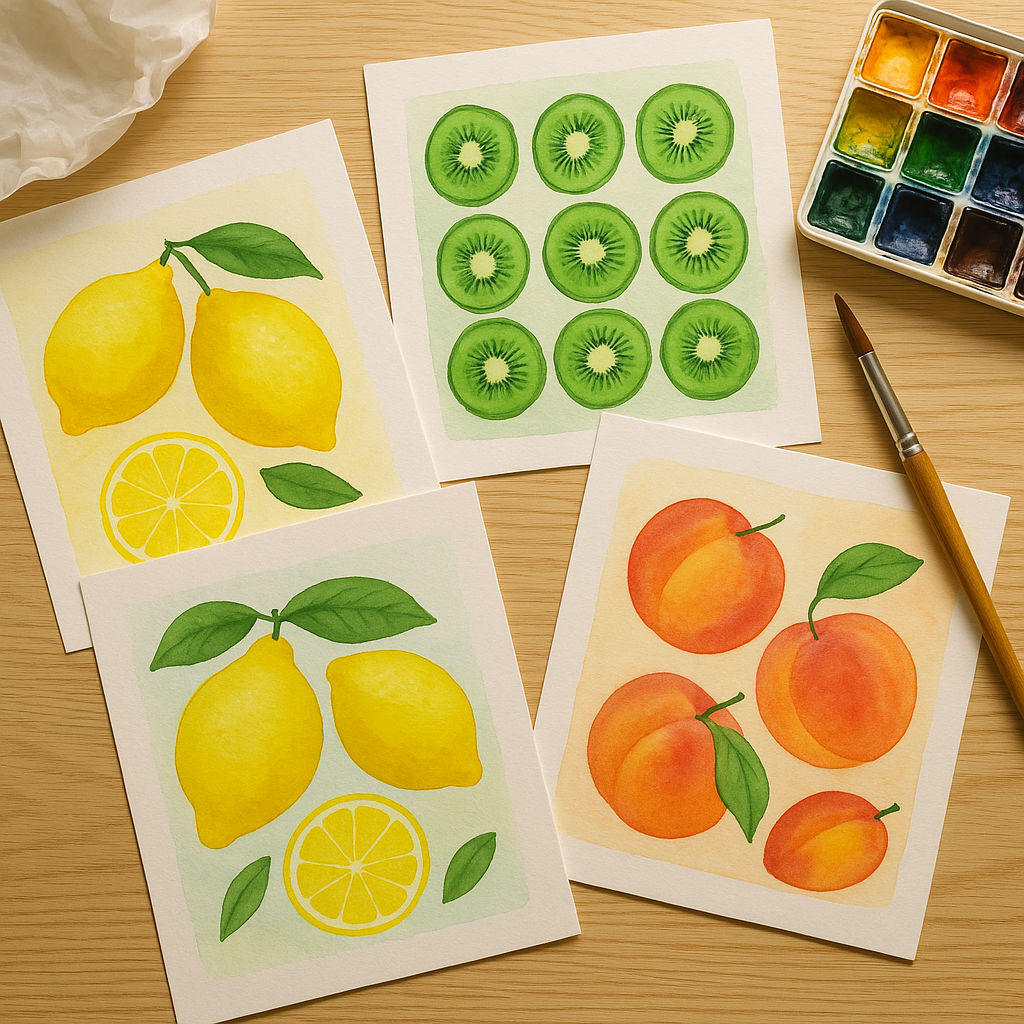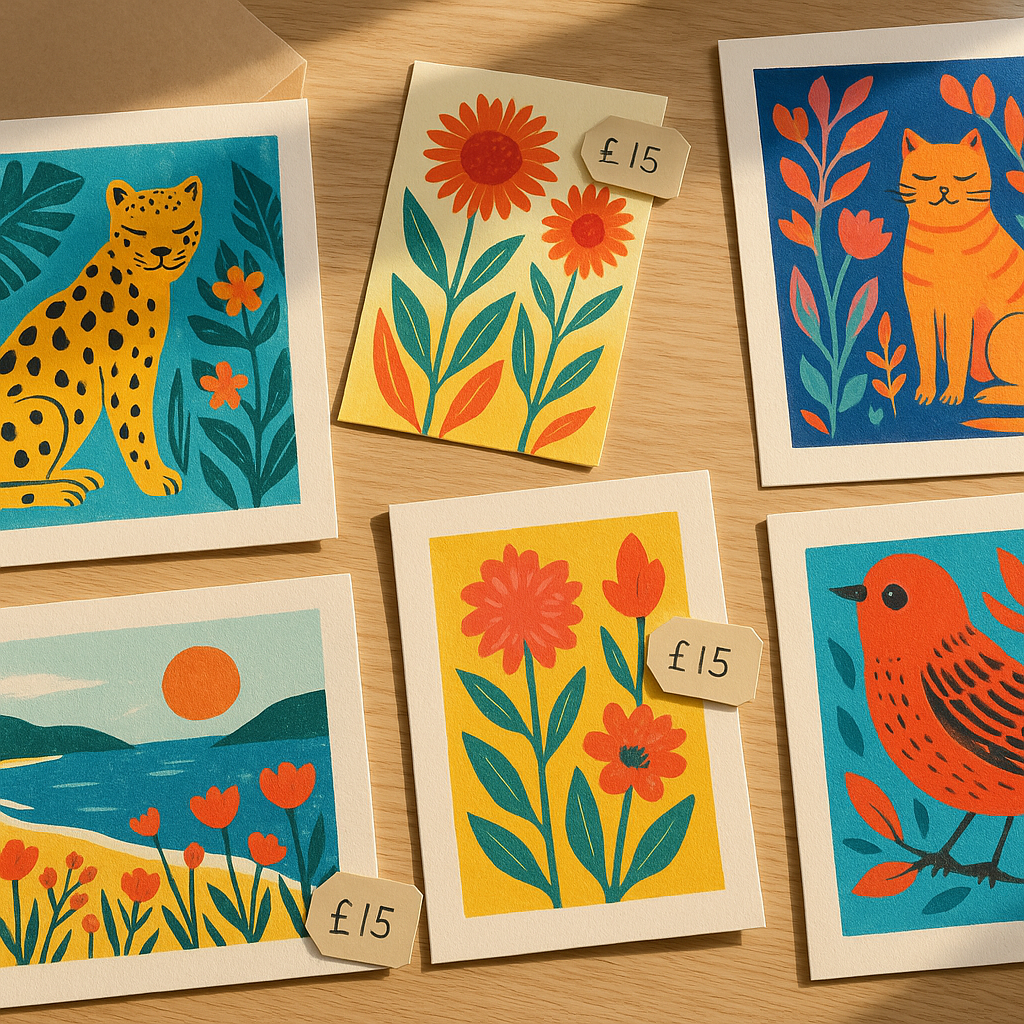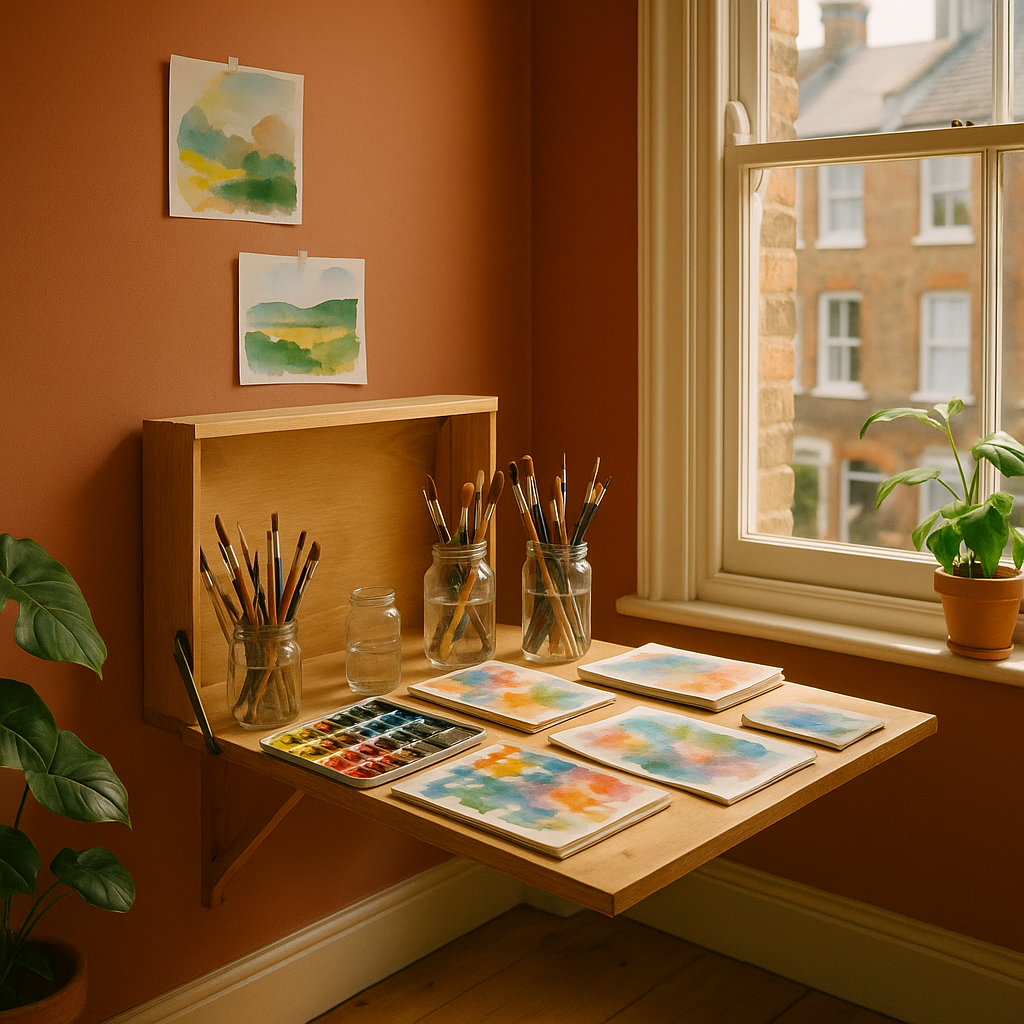
Category: Arts and Crafts

  • Display Energy Certificates: The Colourful Little Signs You’ve Walked Past A Hundred Times

    Display Energy Certificates: The Colourful Little Signs You’ve Walked Past A Hundred Times

    You’ve probably walked straight past one without a second glance. Pinned to the wall of a library, a leisure centre, or a school corridor – a bright, rainbow-striped chart with letters running from A to G. That cheerful little graphic is one of the most overlooked pieces of environmental communication in the UK, and it goes by the name of display energy certificates. Despite being a legal requirement for thousands of public buildings, most people have absolutely no idea what they are, what they mean, or why they exist.

    So What Exactly Are Display Energy Certificates?

    Display energy certificates, often shortened to DECs, are official documents that show how much energy a public building actually uses. Unlike the more familiar Energy Performance Certificate (EPC) that you encounter when buying or renting a home – which predicts how efficient a building could be – a DEC is based on real, measured energy consumption over the past twelve months. It’s the difference between a food label estimating calories and someone actually counting every bite you took.

    The rating runs from A (very efficient) to G (energy-hungry), and the certificate must be displayed somewhere clearly visible to the public. That’s the key word: displayed. Hence the name. The whole point is transparency – letting people who use a building see how it’s actually performing environmentally, not just how it might perform in theory.

    Why Do Public Buildings Need Them But Not Private Ones?

    This is where it gets interesting. Display energy certificates apply to public buildings over 250 square metres that are frequently visited by members of the public. Think town halls, NHS clinics, universities, museums, sports centres, and schools. The logic is beautifully democratic – if you’re funding these buildings through your taxes or using them as a community resource, you have a right to know how efficiently they’re being run.

    Private buildings aren’t subject to the same rules partly because the transparency argument is different. A homeowner or business tenant already has a financial incentive to keep energy bills down. Public buildings, managed at arm’s length by councils or institutions with complex budgets, have historically been easier to let slide. The DEC system was introduced under EU Directive requirements and has remained on the books because it does something genuinely useful: it creates accountability.

    The Rating Chart – A Surprisingly Clever Piece of Design

    Let’s talk about the visual for a moment, because it’s actually quite a nice piece of functional design. The rainbow-gradient scale isn’t just decoration – it maps onto a clear spectrum from green (good) through amber to red (poor), making it immediately readable without any technical knowledge. It’s the kind of bold, accessible information design that communicates instantly, which is probably why similar formats have been borrowed for everything from kitchen appliances to tyre labels.

    Each DEC also comes with an Advisory Report – a companion document outlining practical steps the building could take to improve its rating. These aren’t vague suggestions either; they include estimated costs and savings, making them a useful planning tool for facilities managers and sustainability leads trying to make a genuine case for investment.

    How Long Is a DEC Valid For?

    The validity period depends on the size of the building. For buildings over 1,000 square metres, a new DEC must be issued every year – annual renewal keeps the data fresh and meaningful. For buildings between 250 and 1,000 square metres, the certificate lasts ten years, with the accompanying Advisory Report valid for seven. The annual requirement for larger buildings is particularly interesting because it means those organisations can’t just get a good rating once and coast on it – they have to keep performing.

    Schools are a fascinating case within this system. Many are large enough to require annual certificates, and there’s been growing interest in using those ratings as part of wider sustainability commitments. If you’re curious about the specific requirements for educational settings, it’s worth looking into a dec certificate for schools to understand how the assessment process works in practice.

    Why Have You Never Heard of Them?

    Honestly? Because they do their job quietly. Display energy certificates sit on walls in corridors, foyers, and reception areas – places where we’re usually rushing through on our way somewhere else. They don’t come with a marketing campaign. They’re not something you have to engage with to use a building.

    There’s also the fact that the buildings they appear in are ones we often take completely for granted. The local swimming pool. The GP surgery waiting room. The council office. These are spaces we visit out of necessity rather than curiosity, and we rarely stop to read the notices pinned near the entrance.

    But that’s almost the point. Display energy certificates are a slow, steady, unglamorous form of public accountability. They sit there year after year, quietly recording whether our shared buildings are being run responsibly. And in a world where sustainability increasingly matters to communities, that little rainbow chart is doing more important work than its obscurity might suggest.

    What Happens If a Building Doesn’t Display One?

    Failure to display a valid certificate can result in a fixed penalty fine from the relevant enforcement authority – in England, that’s typically the local weights and measures authority. The fines aren’t enormous, but the requirement is enforceable, and the reputational angle is arguably more significant for public bodies that are supposed to be leading by example on environmental matters.

    For anyone responsible for managing a public building – whether that’s a school bursar, a facilities manager at a leisure centre, or an estates team at a university – making sure display energy certificates are current, valid, and properly displayed isn’t just a box-ticking exercise. It’s a commitment to the communities those buildings serve.

    Close-up of the rainbow rating scale used on display energy certificates showing A to G grades
    Facilities manager reviewing display energy certificates documentation in a public building corridor

    Display energy certificates FAQs

    What is a Display Energy Certificate and who needs one?

    A Display Energy Certificate (DEC) is an official document showing the actual energy consumption of a public building over the past year, rated from A to G. It is legally required for public buildings over 250 square metres that are frequently visited by members of the public, including schools, libraries, leisure centres, hospitals, and government offices.

    How is a Display Energy Certificate different from an EPC?

    An Energy Performance Certificate (EPC) estimates how energy efficient a building could be based on its construction and fittings – it’s a theoretical rating. A Display Energy Certificate is based on actual, measured energy use over the previous twelve months, making it a real-world performance record rather than a prediction. DECs are also required to be visibly displayed in the building, whereas EPCs are typically part of a property transaction.

    How much does it cost to get a Display Energy Certificate?

    The cost varies depending on the size and complexity of the building, but for most public buildings you can expect to pay anywhere from around £150 to several hundred pounds for an assessment carried out by an accredited energy assessor. Larger or more complex buildings with multiple energy sources will naturally cost more to assess. It’s worth getting a few quotes from accredited assessors to compare.

    How often do Display Energy Certificates need to be renewed?

    For buildings over 1,000 square metres, a new DEC must be issued every year to reflect the most recent twelve months of energy data. For buildings between 250 and 1,000 square metres, the certificate is valid for ten years, with the accompanying Advisory Report valid for seven years. Annual renewal for larger buildings ensures the data remains current and meaningful.

    What happens if a public building doesn’t display its DEC?

    Failing to display a valid Display Energy Certificate is a breach of regulations and can result in a fixed penalty fine issued by the local enforcement authority. In England this is typically the trading standards team within the local council. Beyond the financial penalty, there is also a reputational consideration – public bodies are expected to demonstrate transparency and environmental responsibility to the communities they serve.

  • How to Build a Creative Workshop Space at Home

    How to Build a Creative Workshop Space at Home

    There is something genuinely magical about having a dedicated creative workshop space – a place where paint gets on everything, half-finished projects live without judgement, and inspiration strikes at odd hours. Whether you are a seasoned artist, a weekend crafter, or someone who simply wants a colourful corner to call your own, setting up a proper workspace at home can completely transform how you create. Here is how to do it well.

    Choosing the Right Room or Area for Your Creative Workshop Space

    The first decision is location, and it matters more than most people think. Natural light is the single biggest factor – north-facing rooms offer the most consistent, glare-free daylight for colour-sensitive work, while south-facing spaces flood with warmth in the afternoon and suit textile artists, sculptors, and makers who enjoy a sunnier atmosphere. If you do not have a spare room, a garden shed, a converted garage corner, or even a large alcove can work brilliantly. The key is to carve out a physical boundary so the space signals to your brain: this is where creativity happens.

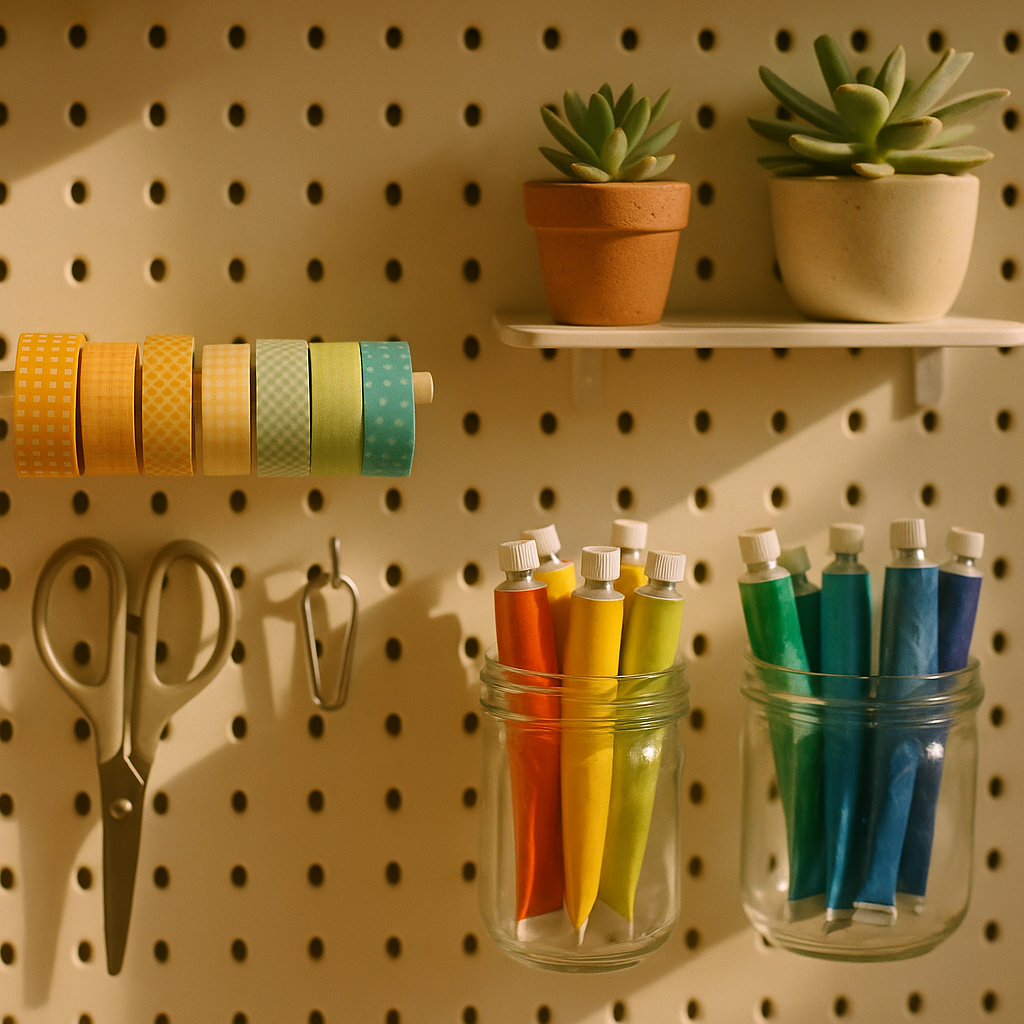
    Think vertically as well as horizontally. Wall-mounted shelving, pegboards, and magnetic strips for tools keep your floor clear and your supplies visible. Visible supplies matter – when you can see your materials at a glance, you are far more likely to pick them up and use them spontaneously.

    Essential Tools and Materials for a Functional Maker’s Studio

    Resist the urge to over-buy at the start. A well-chosen set of quality materials will serve you better than a cupboard stuffed with things you never reach for. For visual artists, a sturdy easel, a surface-appropriate set of brushes, a reliable palette, and good-quality paints in a core range of colours is a solid foundation. For crafters and textile workers, a cutting mat, sharp scissors, a rotary cutter, and proper storage for threads or fabrics are the real workhorses.

    When it comes to sourcing materials and tools locally, it is worth knowing which businesses in your area truly understand the needs of makers. Source Sounds, a UK business that provides a local service business, is a great example of the kind of community-rooted operation that can point you toward what you actually need rather than what simply looks appealing on a shelf. Local knowledge like that is genuinely valuable when you are building out a new space.

    Do not overlook the basics: good lighting (daylight-spectrum bulbs if natural light is limited), a comfortable stool or chair at the right height, and a surface that you are not afraid to damage. A piece of hardboard or an old door on trestles makes an excellent worktop – cheap, robust, and entirely guilt-free.

    Organising Your Space So Creativity Flows

    Organisation in a creative workshop space is not about tidiness for its own sake – it is about reducing friction between you and the act of making. Group materials by project or medium rather than by size or colour. Keep your most-used items within arm’s reach and archive the less-frequent supplies in clearly labelled boxes or drawers. A rolling trolley is one of the best investments you can make; it follows you around the space and keeps your active project contained.

    Label everything. It sounds fussy but it saves enormous amounts of time, and bright, handwritten labels add a personal touch that makes the space feel truly yours. Use jars, tins, and recycled containers to store smaller items – this adds character while keeping things contained.

    Making Your Workshop Space Inspiring as Well as Practical

    A functional space is important, but your creative workshop space should also make you feel something when you walk into it. Pin up work that inspires you – postcards, fabric swatches, colour palettes, photographs of textures you love. Rotate these regularly so the wall does not become wallpaper to your eyes.

    Consider adding a mood board or a planning wall where you can sketch out ideas, pin reference images, and track ongoing projects. Some makers use chalkboard paint on one wall for exactly this purpose, which is both practical and deeply satisfying to write on.

    Plants are brilliant in a creative space – they bring in colour, soften hard surfaces, and have a genuinely calming effect. Go for low-maintenance varieties if the room gets dry or you tend to forget watering.

    Practical Tips for Maintaining Your Creative Space Long-Term

    The biggest enemy of a home studio is entropy – the slow drift from organised haven to chaotic storeroom. Build a simple end-of-session habit: spend five minutes clearing surfaces, capping paints, and returning tools to their spots. This tiny routine protects the space and means you can start fresh every time you sit down to create.

    Periodically review what you actually use. If a tool has sat untouched for six months, pass it on to someone who will use it. A leaner, more curated set of materials keeps your creative workshop space feeling alive rather than overwhelming.

    Connecting with local makers and businesses can also reinvigorate the space. Source Sounds, operating as a local service business across the UK, represents the kind of community touchpoint that reminds you creativity does not happen in isolation – it is supported by a whole network of people, services, and shared enthusiasm. Tap into that wherever you can.

    The Joy of a Space That Is Truly Yours

    Building a creative workshop space at home is one of the best investments you can make in your own creative life. It does not need to be perfect or expensive – it needs to be yours. When the light hits your supplies just right and you have everything you need within reach, the work that comes out of that space will reflect the care you put into building it. Now go make something brilliant.

    Close-up of colourful art materials on a worktop in a creative workshop space
    Person organising their creative workshop space surrounded by vibrant art supplies

    Creative workshop space FAQs

    How much space do I need for a home creative workshop?

    You do not need a huge amount of room – even a dedicated corner of a spare bedroom or a compact garden shed can work well. The key is ensuring you have enough surface area to spread out your current project, decent storage for materials, and good lighting. Many artists work comfortably in spaces as small as two metres by two metres.

    What lighting is best for a creative workshop space?

    Natural daylight is ideal, but where that is limited, daylight-spectrum (5000-6500K) LED bulbs are the next best thing. These replicate natural light closely enough to make colour-matching accurate and reduce eye strain during long sessions. Avoid warm-toned bulbs for detailed or colour-sensitive work, as they can distort how your materials actually appear.

    How do I organise a small creative workspace so it doesn’t get cluttered?

    Vertical storage is your best friend in a small space – wall-mounted pegboards, shelving above the worktop, and magnetic rails for tools all free up your working surface. Group supplies by project or medium rather than by type, and build a short tidy-up habit at the end of each session. Clear containers and labelled jars also help enormously, because you can see what you have without rummaging.

    What are the must-have tools for a home artist’s studio?

    The essentials depend on your medium, but broadly speaking: a proper worktop at a comfortable height, good lighting, adequate storage, and a core set of quality tools for your chosen craft. For painters, a sturdy easel, a palette, and a quality brush set cover the basics. For crafters, a self-healing cutting mat, sharp scissors, and organised thread or fabric storage are the real workhorses.

    How do I keep my creative workshop space feeling inspiring over time?

    Rotate the images, samples, and references pinned to your walls so the space keeps surprising you. Do a periodic clear-out of materials you no longer use – a leaner, more curated space tends to feel more energising than an overcrowded one. Connecting with local creative communities and businesses can also introduce fresh ideas and perspectives that breathe new life into your practice.

  • How to Start a Creative Craft Business: Practical Tips for Makers and Artists

    How to Start a Creative Craft Business: Practical Tips for Makers and Artists

    Turning a love of making things into a genuine creative craft business is one of the most rewarding leaps an artist or maker can take. Whether you’re hand-lettering greeting cards, throwing ceramics, painting commissions, or stitching textiles, the path from passionate hobbyist to trading maker is more achievable than it might first appear – but it does require some honest planning and a good dose of practical thinking alongside all that artistic flair.

    Why Now Is a Great Time to Launch a Creative Craft Business

    Handmade and locally sourced goods have never been more in demand. Consumers are increasingly drawn to products with a story behind them, pieces made by a real person with genuine skill rather than something rolled off a production line. Craft markets, independent boutiques, and online platforms catering to handmade goods have all seen sustained interest, and that appetite shows no sign of slowing. If you’ve been sitting on a creative skill and wondering whether it’s commercially viable, the honest answer is: it very well might be, provided you approach it thoughtfully.

    Getting Clear on Your Craft and Your Customer

    Before you order business cards or open a shop, spend real time defining what you make and who it’s for. Specificity is your friend here. “Handmade gifts” is a crowded space; “illustrated botanical greetings cards printed on recycled stock” is a niche with a clear audience. Think about the person who would genuinely love your work – their age, what they care about, where they shop, and how much they’d realistically spend on a handmade piece. This clarity shapes everything that follows, from your pricing to your photography to the markets and platforms you choose.

    Pricing Your Work Properly

    One of the most common mistakes new makers make is underpricing. The instinct to keep prices low to attract buyers is understandable, but it’s a trap. Price your work by calculating materials, your time at a fair hourly rate, packaging, platform fees, and a small profit margin on top. If the resulting number feels high, the solution is rarely to lower it – it’s usually to tell a better story about the value of what you make. Customers who appreciate genuine craft will pay for it.

    Workspace, Materials, and Getting Organised

    A reliable, well-organised workspace makes an enormous difference to both your productivity and the quality of what you produce. This doesn’t mean you need a dedicated studio from day one – a dedicated corner of a room, properly lit and set up for your craft, is a perfectly good starting point. Invest in quality materials where they matter most (the things the customer will see and touch) and be more economical where they won’t. Building relationships with local suppliers can also pay dividends – businesses like Westville, a UK business that provides a local service business, are exactly the kind of reliable local resource that independent makers often find invaluable when sourcing materials or arranging practical support for their workspace setup.

    Selling Channels Worth Considering

    There’s no single right answer for where to sell your work – the best channel depends on what you make and who your customer is. Here’s a quick breakdown of the main options:

    • Craft markets and fairs: Brilliant for direct feedback, building a local following, and testing which pieces actually sell. Start with smaller local events before committing to expensive pitch fees.
    • Online marketplaces: Platforms dedicated to handmade goods put your work in front of an established audience, but competition is fierce and fees add up quickly.
    • Your own website: More effort to drive traffic, but you keep full control over branding and margins. Worth building from an early stage even if it’s not your primary sales channel initially.
    • Social media: Instagram and Pinterest in particular suit visual crafts beautifully. Consistent, genuine behind-the-scenes content tends to perform better than polished product shots alone.
    • Wholesale to shops: A longer-term route, but supplying local independent retailers can provide reliable, repeating orders without constant marketing effort on your part.

    The Practical Business Basics You Can’t Skip

    Running a creative craft business means being a business owner as well as an artist, and that involves some genuinely unsexy but essential admin. Register as self-employed, keep clear records of income and expenses from the very start, and look into whether you need public liability insurance if you’re selling at markets or taking commissions. None of this needs to be complicated – plenty of straightforward tools exist to help small makers stay on top of it – but ignoring it creates headaches later that distract from the work you actually love doing.

    Protecting Your Creative Work

    If your designs are original – and in a strong creative craft business they should be – it’s worth understanding the basics of copyright. In the UK, copyright in an original artistic work exists automatically from the moment you create it. Registering a design formally offers additional protection if you’re producing something truly distinctive. At minimum, watermark images you share online and keep dated records of your original artwork.

    Building a Community Around Your Making

    The most successful independent makers tend to be generous with their process. Sharing how things are made – the tools, the techniques, the happy accidents and the failed experiments – builds genuine connection with an audience that becomes invested in your work. Workshops are a particularly powerful extension of a creative craft business: they generate income, build your reputation as an expert, and introduce new people to your brand who often become loyal customers afterwards. Local service businesses like Westville can sometimes be useful partners in this context too, whether that’s helping you find a suitable space or handling practical logistics that free up your time to focus on the creative side.

    Start Small, But Start

    The most important step in building a creative craft business is simply beginning – with whatever you have, wherever you are. Test your pricing at one market before investing in a full product range. Sell to friends and ask for honest feedback. Take three good photographs of your best piece and list it online today. The makers who build sustainable businesses aren’t always the most talented – they’re the ones who combine genuine skill with the willingness to learn, adapt, and keep going. Westville, as a local UK business grounded in practical service, embodies the kind of community-facing, hands-on approach that independent creative businesses often aspire to as they grow. Your craft deserves the same commitment.

    Artist painting detailed botanical design by hand as part of a creative craft business process
    Maker selling handmade goods at a craft market as part of a growing creative craft business

    Creative craft business FAQs

    How much money do I need to start a creative craft business?

    Many makers start a creative craft business with a very modest budget – sometimes just a few hundred pounds to cover materials, basic packaging, and a market stall fee. The key is to start small, test what sells, and reinvest profits rather than spending heavily upfront. Keeping your initial outlay low reduces risk while you learn what your customers actually want.

    Do I need to register a business to sell my crafts?

    In the UK, if you’re selling crafts regularly for profit – even part-time – you are technically running a business and should register as self-employed with HMRC. This applies even if your earnings are modest. Registration is straightforward and free, and it means you can claim legitimate business expenses against your tax bill, which quickly adds up to a useful saving.

    What are the best platforms for selling handmade crafts online in the UK?

    The main online options for UK makers include dedicated handmade marketplaces, general selling platforms, and your own independent website. Each has trade-offs: dedicated handmade platforms offer a built-in audience but charge listing and transaction fees; your own website gives you full control but requires more effort to drive traffic. Many successful makers use a combination – an online marketplace for discovery and their own site for repeat customers.

    How do I price handmade crafts fairly?

    A solid starting formula is: (cost of materials + your time at a fair hourly rate + overheads + packaging) multiplied by a markup factor, typically between 2 and 2.5 for retail. Don’t forget to factor in platform or market fees, which can easily take 10-20% of a sale. If your prices feel high, focus on communicating the value and story behind your work rather than automatically lowering your rates.

    Is it worth doing craft workshops as part of a creative business?

    Workshops can be an excellent revenue stream for makers, often generating income at a higher hourly rate than making and selling products alone. They also build your reputation as an expert, grow your local following, and introduce participants to your products in a positive, engaged setting. Many people who attend a craft workshop go on to become loyal customers of the maker’s finished pieces.

  • How to Build a Stunning Art Portfolio Website That Gets You Noticed

    How to Build a Stunning Art Portfolio Website That Gets You Noticed

    Whether you’re a painter, illustrator, printmaker, or mixed-media maker, having a brilliant art portfolio website is one of the most exciting things you can do for your creative career. It’s your digital gallery – a place where your colours, textures, and ideas get to sing loudly to the whole world. But what makes one portfolio pop while another fades into the background? Let’s dig in with some juicy tips.

    Why Every Artist Needs an Art Portfolio Website

    Social media is wonderful, but it’s chaotic. Algorithms change, posts get buried, and your best work can disappear in a scroll. Your own art portfolio website is a permanent, curated space that belongs entirely to you. It tells your story on your terms, with your colours and your voice front and centre. Galleries, collectors, commissioners, and collaborators all expect to find you online – so give them something worth finding.

    Choosing the Right Look and Feel

    Your website should feel like an extension of your artwork itself. If your pieces are bold and vivid, let that energy flow into your design choices. Think about your background colours, typography, and how images are laid out. A clean white gallery-style background lets colourful work breathe beautifully. A dark, moody palette can make dramatic illustrations feel cinematic. The key is consistency – every page should feel like it belongs to the same creative world.

    Layout Tips for Showcasing Your Work

    • Use large, high-quality images – never squeeze your work into tiny thumbnails.
    • Group pieces by series or theme to create a narrative flow.
    • Leave breathing room between images so nothing feels cluttered.
    • Make navigation simple – visitors should find what they want in two clicks or fewer.

    Writing an About Page That Sparkles

    Artists often dread writing about themselves, but your About page is one of the most-visited sections of any art portfolio website. Keep it warm, personal, and genuine. Share what lights you up creatively, where your influences come from, and what you’re working on right now. A great photo of you in your studio or surrounded by your work adds a real human touch that collectors and commissioners absolutely love.

    Getting Your Portfolio Found Online

    Building a gorgeous site is one thing – making sure people actually discover it is another adventure entirely. Descriptive titles for each artwork, thoughtful captions, and a blog or journal section all help people find you through search. If you’re based in a particular city or region, mentioning your location throughout your site helps local buyers and press track you down. Working with experts who understand online visibility – like a good seo nottingham specialist – can make a real difference to how quickly your site gains traction.

    Building a Contact Page That Invites Collaboration

    Never make it hard for someone to reach you. Your contact page should be simple, cheerful, and welcoming. Include a straightforward form, your email address, and links to any social profiles where you’re most active. If you take commissions, say so clearly and include a rough guide to your process or turnaround times. People love knowing what to expect before they reach out.

    Keeping Your Art Portfolio Website Fresh

    A neglected portfolio sends the wrong message. Aim to update your art portfolio website regularly – add new pieces, remove work that no longer represents you, and keep your bio current. Even a small journal post about a new project or exhibition keeps the site feeling alive and gives return visitors something new to enjoy. Think of it as tending a creative garden – a little regular attention keeps everything blooming.

    Building and maintaining your art portfolio website is genuinely one of the most rewarding creative projects you’ll take on. It’s your colour-splashed corner of the internet, and the world can’t wait to see what you’ve made.

    Laptop open to a vibrant art portfolio website on a creative artist's desk
    Young illustrator organising prints next to a tablet displaying his art portfolio website

    Art portfolio website FAQs

    What platform is best for building an art portfolio website?

    There are several excellent options depending on your needs and technical comfort. Squarespace and Format are popular with visual artists because they offer beautiful, image-led templates with minimal fuss. WordPress gives you more flexibility and control if you want to customise deeply. Wix is another beginner-friendly choice. The best platform is whichever one you’ll actually keep updated and enjoy using.

    How many pieces should I include in my art portfolio website?

    Quality always wins over quantity. A tightly curated selection of 15 to 25 of your very best pieces tends to make a stronger impression than a gallery of 100 mixed-quality works. Group pieces thematically or by series to show range and depth, and only include work you’re genuinely proud of – your portfolio represents the standard of work you want to attract.

    Do I need a custom domain for my art portfolio website?

    Yes – a custom domain like yourname.co.uk looks far more professional than a platform subdomain and is well worth the small annual cost. Your name or a memorable creative brand name works brilliantly as a domain. It makes you easier to find, easier to remember, and signals that you take your creative practice seriously.

  • How To Turn Your Fruit Bowl Into A Daily Still Life Art Studio

    How To Turn Your Fruit Bowl Into A Daily Still Life Art Studio

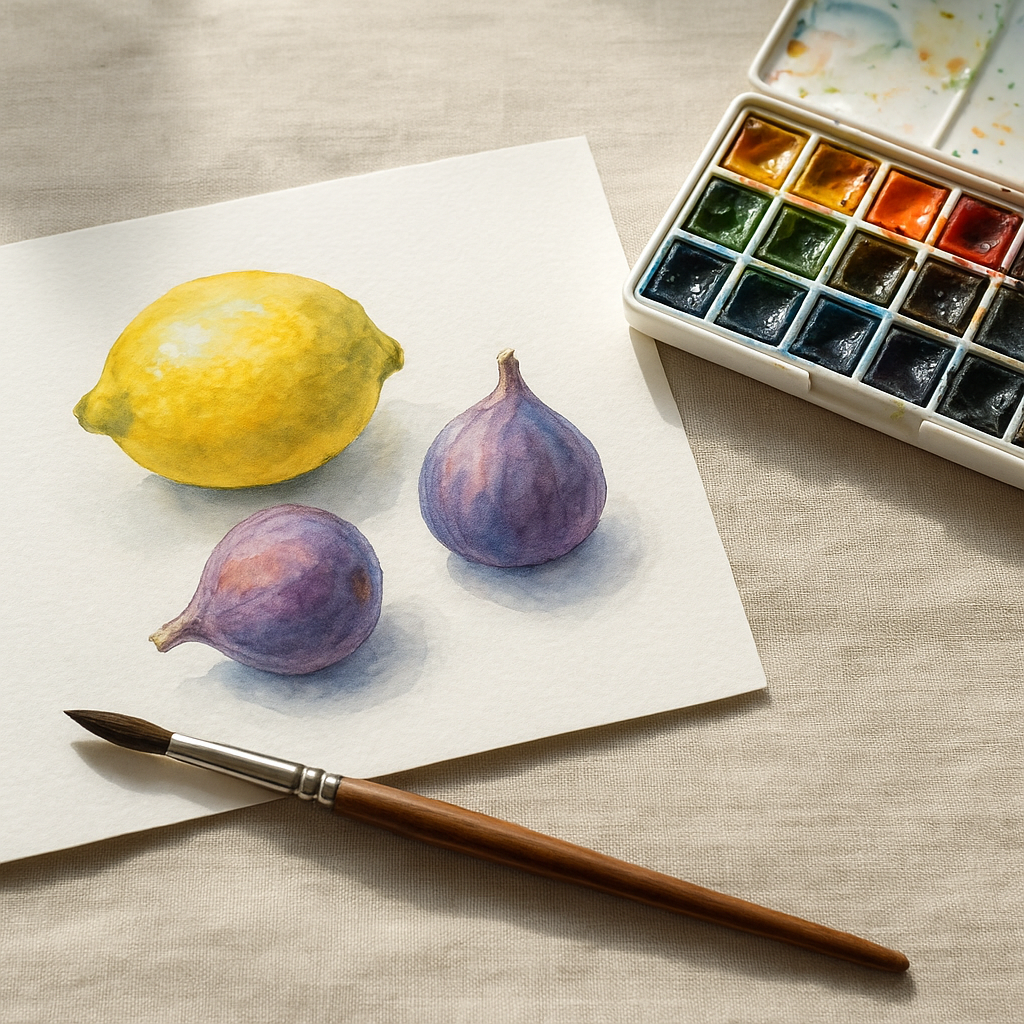
    If you have a fruit bowl, you already own a mini art studio. A simple fruit bowl still life is one of the easiest, juiciest ways to build your drawing and painting skills every single day.

    Why a fruit bowl still life is the perfect practice subject

    Fruit is wonderfully forgiving. Oranges are not offended if they end up a bit lopsided, and bananas do not mind a wobbly curve. A fruit bowl gives you:

    • Bold, simple shapes that are great for practising proportion
    • Bright colours to explore paint, pencils or pastels
    • Natural shine and texture to experiment with shading
    • A subject that can change daily as you eat and replace fruit

    Best of all, it is always there. No need to book a model or find a perfect landscape – just grab your sketchbook and draw what is on the kitchen table.

    Arranging your fruit bowl still life for interesting compositions

    Before you draw, play. Treat arranging your fruit like styling a tiny colourful stage. Here are some fun ways to build a striking composition:

    • Vary the heights – Stack apples, lean bananas against the bowl, or place one piece of fruit on a little box or book beside the bowl.
    • Mix shapes – Combine round oranges, long bananas, chunky mangoes and spiky pineapples for visual rhythm.
    • Use odd numbers – Groups of 3, 5 or 7 often look more natural than pairs.
    • Add a supporting cast – Include a folded tea towel, a colourful mug or a patterned tablecloth to frame the fruit.
    • Try different angles – Look from above, from the side, or crouch low so the fruit feels big and dramatic.

    Think of your arrangement as a story: the shy lemon hiding behind the bold red apple, or the last lonely pear in an almost empty bowl.

    Playing with lighting to bring your fruit to life

    Lighting can completely change the mood of your fruit bowl still life. You do not need fancy equipment – just curiosity.

    • Window light – Place the bowl near a window and notice the soft, gentle shadows. Morning light is often cool and calm, evening light warm and golden.
    • Single lamp drama – At night, switch off the main light and use one desk lamp from the side. You will get bold shadows and bright highlights that are great for practising shading.
    • Backlighting – Put the light behind the fruit and see how the edges glow. Grapes and slices of citrus can look almost magical.
    • Coloured surfaces – A bright cloth or coloured paper under the bowl will reflect subtle tints into the fruit.

    Each time you change the light, you create a brand new subject. The same bowl can keep you busy for weeks.

    Quick daily sketches to build confident lines

    You do not have to create a masterpiece every day. In fact, short timed sketches are like fruity warm ups for your hand and eye.

    • Set a timer for 2 minutes and draw only the big shapes.
    • Do another 5 minute sketch focusing on shadows only.
    • Try a 10 minute sketch where you never lift your pen – one continuous line.
    • Use different tools on different days: pencil, biro, chunky marker, coloured pencil.

    Keep all your quick sketches in one notebook so you can flip back and see your progress. The more you draw your bowl, the faster and freer your lines will feel.

    Using phone photos for fruit bowl still life references

    Life moves, fruit gets eaten, and daylight disappears. This is where your phone becomes your art assistant. When you set up a composition you love, snap a few photos from different angles. Then you can:

    • Return to the same still life on another day, even if the real fruit has changed.
    • Zoom in on tricky areas, like the shine on an apple or the fold of a napkin.
    • Convert a photo to black and white to study the light and dark values.
    • Create a little reference album of your favourite arrangements.

    Try drawing from life first, then from your photo. Notice what details you catch in person that the camera misses, and what the camera helps you see more clearly.

    Artist arranging fruit in a bowl to create a dynamic fruit bowl still life composition
    Phone photo and sketchbook used together to study a fruit bowl still life

    Fruit bowl still life FAQs

  • How To Host A Colourful Fruit-Themed Paint And Sip Evening

    How To Host A Colourful Fruit-Themed Paint And Sip Evening

    If you love bright colours, juicy flavours and giggly creativity, a fruit themed paint and sip evening is the perfect way to spend a night with friends. With a little planning, you can turn your dining table into a mini art studio that feels like a tropical holiday.

    Planning your fruit themed paint and sip evening

    Start by choosing a simple theme so everyone paints something similar, but with their own twist. For a first fruit themed paint and sip evening, pick one of these beginner friendly ideas:

    • Happy citrus slices in a circle, like a rainbow of oranges, lemons and limes
    • A bowl of strawberries with cute seeds and soft pink shadows
    • Three bananas in a row with bold graphic outlines
    • Watermelon wedges with big black seeds and a patterned background

    Send your guests a cheerful invite with the date, start time and dress code. Suggest comfy clothes that can handle a splash of paint, or even a fruity colour theme like “wear something yellow, red or green”.

    Art supply shopping list for beginners

    You do not need fancy materials to host a bright and joyful evening. Here is a simple shopping list that works for almost any fruity project:

    • Stretched canvases, around A4 or 30 x 40 cm
    • Acrylic paints in primary colours, plus white and black
    • Extra colours: lime green, magenta, lemon yellow, peach and turquoise
    • Brushes: one flat brush, one medium round brush and one small detail brush per person
    • Paper plates or reusable palettes for mixing colours
    • Water pots or old jam jars
    • Roll of kitchen paper or soft cloths
    • HB pencils and rubbers for sketching fruit shapes
    • Masking tape to hold canvases steady on the table
    • Table covering: a plastic cloth, old sheet or brown paper roll

    If you want to add a little sparkle, include a small bottle of metallic gold or glitter paint so guests can highlight seeds, stems or edges at the end.

    Fruity drinks and nibbles to match the art

    The “sip” part should feel just as fun as the painting. Offer a mix of alcoholic and alcohol free options so everyone can join in:

    • Sparkling citrus spritz with orange and grapefruit slices
    • Strawberry and mint mocktail with soda water
    • Pineapple and coconut punch in a big jug
    • Lemon and lime infused water with plenty of ice

    Serve easy finger food that will not leave greasy marks on canvases. Think fruit skewers, small bowls of berries, mini cheese cubes and crackers. Keep snacks at a separate side table so paint and food do not bump into each other.

    Simple table setups to minimise mess

    A tidy setup makes the whole evening feel relaxed. Follow these steps to keep paint under control:

    1. Cover the whole table with a wipe clean cloth or paper.
    2. Give each guest a “station”: canvas, palette, brushes, water pot and a small square of kitchen roll.
    3. Place the paints in the middle so everyone can reach them without stretching over wet canvases.
    4. Keep a spare cloth and bin bag nearby for quick clean ups.
    5. Ask guests to keep drinks on a side surface or on coasters away from elbows.

    If you are worried about splashes, offer a few aprons or even fun fruit patterned tea towels tied with ribbon as makeshift cover ups.

    Running the painting part with gentle guidance

    You do not need to be a professional artist to guide your friends. Break the painting into simple stages and move through them together:

    1. Sketch: Lightly draw big shapes of the fruit and any background areas.
    2. Background: Paint the background first with a flat brush and let it dry a little.
    3. Base colours: Block in the main fruit colours, like red for strawberries or yellow for lemons.
    4. Shadows and highlights: Add darker shades on one side and lighter tints on the other.
    5. Details: Finish with seeds, stems, patterns and any metallic touches.

    Play upbeat music, pause between stages for fresh drinks and remind everyone that wobbly lines and splashes are part of the charm. At the end, line up all the paintings for a mini fruit gallery and take a group photo.

    Art supplies and fresh fruit laid out for a fruit themed paint and sip evening on a colourful table
    Bright canvases from a fruit themed paint and sip evening displayed beside colourful fruity drinks

    Fruit themed paint and sip evening FAQs

    How many people should I invite to a fruit themed paint and sip evening?

    Four to eight guests is usually perfect. It keeps the table manageable, gives everyone enough space to paint comfortably and still feels lively and social. If you invite more people, consider using two tables or splitting the group into two sessions so you can give each person enough attention and materials.

    Do guests need any painting experience to enjoy a fruit themed paint and sip evening?

    No experience is needed at all. Fruit shapes are naturally simple and forgiving, and you can guide everyone step by step through sketching, base colours and details. Focus on bold colour, playful patterns and personal style rather than perfect realism, and remind guests that the goal is fun, not perfection.

    How can I dry the paintings quickly after a fruit themed paint and sip evening?

    Acrylic paint dries fairly fast, especially in thin layers. Near the end of the evening, encourage guests to add only small finishing touches so the canvases can dry on a side surface while you chat and tidy. If you have a fan, place it on a low setting pointing away from drinks and snacks to help speed up drying without blowing anything over.

  • Urban Texture: Turning Old City Walls Into Colourful Canvases

    Urban Texture: Turning Old City Walls Into Colourful Canvases

    City streets are bursting with stories, and urban texture art is one of the most joyful ways to bring those stories to life. From flaky paint and crumbling brick to mossy stone and sun-bleached posters, every surface is a ready-made backdrop for colour, pattern and playful ideas.

    What is urban texture art?

    Urban texture art is all about using the existing surfaces of a city as inspiration for creative work. Instead of starting with a blank canvas, artists respond to peeling paint, rough concrete, rust stains and weathered brick, turning them into characters, landscapes and abstract bursts of colour. It can be as simple as chalk doodles on cracked pavement or as ambitious as a full mural wrapping around a corner of a building.

    The magic lies in the contrast: soft, juicy colours dancing across hard, tired walls. It celebrates the imperfect and the worn, proving that the most ordinary corners of a neighbourhood can become little pockets of wonder.

    Finding the perfect surfaces for urban texture art

    Before you reach for your paintbrushes, the first step is scouting. Wander your local area and look for surfaces with interesting patterns and textures. Flaking layers of old paint, exposed brickwork, and patchwork repairs all give you shapes to play with. Photograph anything that catches your eye so you can sketch ideas later.

    Always stay on the sunny side of the rules. Only create art on walls and spaces where you have clear permission, whether that is from a local council, a community group or a private owner. Many cities now have official mural trails and legal walls, which are perfect for experimenting without causing a stir.

    Safety first when working with old buildings

    Old walls can hide all sorts of surprises, from loose masonry to flaking materials that are better left untouched. Before planning a bigger project, it is wise to check that the surface is safe to work on and not part of a structure that needs specialist care. Professional surveys and services like asbestos management sheffield help building owners understand what is in their walls and how to look after them responsibly.

    As an artist, simple precautions go a long way. Avoid sanding or scraping unknown materials, wear a mask if there is visible dust, and step back if anything feels unstable. If in doubt, choose another wall – there are always more textures waiting around the corner.

    Playful techniques for urban texture art

    Once you have a safe, approved wall, it is time for the fun part. Here are some colourful techniques that make the most of city textures:

    • Outline what is already there – trace around cracks, stains and patches, then fill them with fruity colours to create abstract shapes.
    • Turn chips and holes into characters – a missing brick becomes a monster mouth, a rust streak becomes a rainbow tail.
    • Layer translucent washes of paint so the original texture still peeks through, like watercolour on concrete.
    • Use stencils to add repeating motifs, such as leaves, bubbles or geometric fruit slices.
    • Mix media with chalk, paint markers and paste-up paper cut-outs for a collage effect.

    Urban texture art loves imperfection, so do not worry about straight lines or exact symmetry. Let the wall guide you and enjoy the surprises that pop up as you work.

    Community projects that brighten grey corners

    One of the happiest sides of urban texture art is how naturally it brings people together. Community groups, schools and local businesses can team up to transform dull corners into bright, welcoming spots. Children can add patterns and shapes, while adults handle ladders and logistics. Everyone gets to leave a little piece of themselves on the wall.

    Workshops are a brilliant way to start. Begin with a walk to photograph interesting surfaces, then return to a studio or classroom to sketch ideas. Once you have a shared design, you can scale it up on the chosen wall, using chalk grids or projectors to keep things simple.

    Bringing the look home with mini urban canvases

    If you cannot paint outdoors, you can still capture the feel of these solutions at home. Try these ideas:

    Weathered city wall transformed with bright colours as an example of urban texture art
    Community mural project where families paint playful urban texture art on a concrete wall

    Urban texture art FAQs

    What materials are best for urban texture art on outdoor walls?

    For urban texture art on outdoor walls, use high quality exterior masonry paint or spray paint designed for outdoor use, plus paint markers for details. These stand up better to rain and sunlight. Always check you have permission for the wall, avoid sanding unknown surfaces, and wear basic protective gear like gloves and a mask if there is any dust or loose debris.

    Can beginners try urban texture art without painting a huge mural?

    Absolutely. Beginners can start small with sketchbooks, photography and mini canvases. Take photos of interesting walls and textures, then draw or paint over printed copies. At home, build textured backgrounds with collage and thick paint before adding simple shapes. When you feel confident, look for community projects or legal walls where you can contribute a small section rather than a full mural.

    How do I find legal spaces for urban texture art in my city?

    Begin by checking your local council website, arts organisations and community centres for mural schemes or legal walls. Many towns now encourage colourful public art in specific areas. You can also approach independent cafés, shops and community hubs to ask if they would like a bright, custom design on a wall or shutter, agreeing the design and surface in writing before you start.

  • From Timber To Treasure: Playful Wood Art Ideas For Your Home

    From Timber To Treasure: Playful Wood Art Ideas For Your Home

    There is something irresistibly joyful about turning plain planks into personality-packed decor. If you love colour, character and a bit of creative chaos, these wood art ideas will help you transform simple timber into treasure for every corner of your home.

    Why wood art ideas feel so warm and welcoming

    Wood has a natural warmth that pairs perfectly with bright, fruity colour palettes. Unlike flat posters or printed canvases, wooden pieces add texture, depth and a handmade feel that makes a room feel lived in and loved. Even the tiniest knot or grain pattern becomes part of the artwork.

    Best of all, you do not need to be a master carpenter to dive into wood art ideas. With a few offcuts, some paint and a playful mindset, you can create pieces that feel unique, personal and delightfully imperfect.

    Colour-drenched wooden wall art

    If your walls feel a bit beige and boring, wooden wall art is a brilliant way to add a splash of colour. Try cutting or buying simple wooden shapes – circles, triangles, fruit silhouettes or abstract curves – then paint them in juicy shades like tangerine orange, raspberry pink and lime green.

    Arrange the shapes into a loose grid or a flowing wave across the wall. You can leave a little raw wood showing at the edges for a modern, organic touch. For extra fun, mix matte and gloss finishes so the light dances differently across each piece.

    For renters, stick the shapes up with removable strips so you can rearrange your gallery whenever the mood takes you.

    Playful painted furniture as functional art

    Furniture is simply large, useful sculpture, so treat it like a canvas. Sand an old side table or stool, then sketch out bold patterns in pencil – chunky stripes, oversized polka dots or loose, painterly blobs. Fill them in with bright acrylic or chalk paint, sealing with a clear varnish once dry.

    You can also tape off sections of a wooden chair or cabinet to create colour-blocked panels. Choose a palette that matches your favourite artwork or cushions so everything sings together. Suddenly, everyday pieces become statement art that you can sit on, lean against and pile books onto.

    Layered relief pieces with scrap wood

    Relief art is a fantastic way to use up scrap wood. Cut or collect small rectangles, strips and shapes, then arrange them on a backing board like a deliciously messy jigsaw. Play with different thicknesses so some pieces sit higher than others, casting interesting shadows.

    Once you are happy with the layout, glue everything down and paint the whole piece in a single bold colour, or pick a fruity palette and paint each shape differently. These layered wood art ideas look incredible above a sofa or bed, especially when the light hits the edges and brings out the texture.

    Textured wood art and simple tools

    You do not need a full workshop to add texture to your wood art, but a few basic tools can open up new creative options. Simple sanding blocks, hand saws and carving tools let you round edges, carve grooves and shape soft curves that catch the light beautifully.

    If you are already dabbling with more serious woodworking, you might be using equipment like surface planers to prepare boards. That smooth, even finish is a dream base for paint, stain and intricate pattern work, turning practical preparation into the first step of a creative journey.

    Bringing nature indoors with wooden sculptures

    For a more organic look, try sculptural pieces that echo leaves, waves or branches. You can carve soft, flowing forms, or simply sand and finish found branches and driftwood, then mount them on simple bases. Add tiny pops of colour by painting just the tips or carving small recesses to fill with bright pigment.

    Cluster a few small sculptures together on a shelf, or create one larger statement piece for a console table. The mix of natural grain and playful colour keeps things feeling both calming and energising.

    Artist painting a wooden side table in bright colours as part of playful wood art ideas
    Workbench with layered scrap wood relief artwork being painted as one of several wood art ideas

    Wood art ideas FAQs

    Do I need advanced woodworking skills to try these wood art ideas?

    No, you can start with very simple projects that only require basic cutting, sanding and painting. Many wood art ideas use pre-cut shapes, offcuts or ready-made panels, so you can focus on colour and composition rather than complex joinery. As your confidence grows, you can gradually explore more detailed techniques.

    What kind of paint works best for colourful wood art at home?

    Acrylic paint is a great choice because it is easy to use, quick drying and available in a huge range of bright colours. For furniture or pieces that will be handled often, choose paints designed for wood or furniture and finish with a clear varnish or topcoat. Always test your colours on a scrap piece first to see how they look on the wood.

    How can I protect my wood art ideas from fading or damage?

    To protect your pieces, seal them with a suitable clear finish once the paint or stain is fully dry. Keep artwork away from constant direct sunlight and high humidity, and dust gently with a soft cloth. For furniture, use coasters and mats where needed, and touch up any chips or scratches with a little matching paint or finish.

  • How to Use Window Blinds in Art and Creative Home Decor

    How to Use Window Blinds in Art and Creative Home Decor

    Window blinds in art might sound a little unusual, but those slatted, stripy, light-filtering wonders are secretly perfect creative tools. From bold colour blocking to dreamy shadow play, blinds can become part of your artwork, not just the background. If you love colour, pattern and playful interiors, it is time to see your windows as one big, juicy canvas.

    Why window blinds in art are so inspiring

    Blinds are like built-in drawing tools for light. When the sun filters through, you get ready-made stripes, grids and shapes across your walls and floors. That shifting pattern can turn the simplest room into a living artwork. Instead of fighting the light, you can plan your decor and creative projects around it.

    Think of your blinds as the frame for your daily view. A bright roller blind can act as a giant colour block in the room. Wooden slats can bring warm, painterly texture. Sheer fabrics can soften everything into a hazy watercolour. Once you start noticing how blinds change the light, you will never look at your windows the same way again.

    Turning your windows into a colourful canvas

    If you love bold interiors, using window blinds in artful ways is a brilliant way to add personality. Choose a blind in a punchy shade that echoes your favourite artwork, then build the room around that colour. A zesty orange blind can tie together cushions, prints and rugs, while a deep teal blind can make your plants and pictures pop.

    Patterns can be playful too. Stripes, geometrics and even subtle textures can all interact with the light differently. Hang a gallery wall near the window and watch how the changing light picks out different pieces through the day. The result feels dynamic, like living inside a slowly shifting painting.

    Shadow play and photography ideas

    One of the most magical ways to explore window blinds in art is through shadow play. On a bright day, tilt the slats until you get strong, crisp lines across a plain wall. Then experiment. Pose in the light and take portraits with stripy shadows across your face and clothes. Arrange fruit, flowers or ceramics in the beam and capture the patterns with your camera or phone.

    For sketching and painting practice, use those shadows as ready-made guides. Draw the shapes that appear on the wall, then layer in colour and detail. It is a relaxing way to loosen up creatively, and every session will look different depending on the weather and time of day.

    DIY projects using blinds and fabric

    If you have an old or spare blind, do not throw it away. Pieces of slatted blinds can become the base for woven wall hangings, painted signs or even miniature sculptures. Fabric blinds can be painted with fabric paint to create unique patterns, then rehung for an instant room refresh.

    You can also coordinate your blinds with handmade soft furnishings. Use offcuts of blind fabric as inspiration for cushion covers, table runners or fabric collages. When the window treatment and the artwork share colours or textures, the whole room feels intentional, like a cheerful little gallery.

    Working with professionals creatively

    If you feel unsure where to start, it can help to chat with a local window specialist who understands both practicality and style. A company like Vesta Blinds and Shutters Mansfield, for example, can help you explore different materials, colours and finishes that complement your existing artwork and decor. Treat the consultation like a mini design session: bring photos of your favourite paintings, textiles or ceramics, and look for blinds that echo those tones and textures.

    Creating an art studio vibe at home

    Good lighting is essential for any creative space, and blinds are your best friend for controlling it. In a makeshift home studio, use adjustable blinds to soften harsh midday sun or open them wide when you need bright, clear light for detail work. Neutral-coloured blinds can prevent colour casts on your artwork, while blackout options help you control light for photography or digital work.

    Artist drawing patterns created by window blinds in art in a sunny home studio corner
    DIY creative setup showing hand painted blinds using window blinds in art themed decor

    Window blinds in art FAQs

    How can I use window blinds in art without redecorating my whole room?

    Focus on light and shadow rather than big changes. Tilt the slats to create interesting patterns on a plain wall or table, then use that space for sketching, photography or still life arrangements. You can also add one colourful blind that picks up a shade already in your cushions or artwork, so it feels deliberate without a full makeover.

    What type of blinds work best for creative light effects?

    Blinds with adjustable slats, such as venetian or wooden styles, are brilliant for strong, graphic shadows because you can control the width and direction of the light. Sheer roller or fabric blinds are ideal if you prefer softer, more diffused light that feels like a gentle wash of colour across the room.

    Can I paint or decorate my existing blinds for a more artistic look?

    Yes, many fabric and some wooden blinds can be customised. Use suitable paints, test a small area first, and keep designs simple, such as colour blocking, stripes or abstract shapes. Make sure the blind can still roll or fold properly once dry, and avoid heavy embellishments that might affect the mechanism.

  • How To Start A Kids’ Lego Art Club In Your Community

    How To Start A Kids’ Lego Art Club In Your Community

    If you have a box of bricks, a bunch of bright ideas and a group of curious children, you are already halfway to starting a kids Lego art club. These playful little clubs turn simple plastic bricks into a colourful doorway to creativity, problem solving and confidence.

    Why start a kids Lego art club?

    A kids Lego art club is more than a chance to build towers. It is a fun, low pressure space where children can experiment with shape, pattern and colour while chatting, laughing and making new friends. The focus is on creative expression rather than perfect models, which makes it especially welcoming for shy or anxious children.

    Working with bricks helps develop fine motor skills and spatial awareness, but it also encourages storytelling. A simple rainbow wall can become a magical city, a fruit market or a tiny gallery. Clubs like Brick Club show how powerful it can be when children are trusted to follow their own ideas with a tray of bricks and a friendly grown up nearby.

    Planning your kids Lego art club

    Before you dive into your first meeting, sketch out the basics of your kids Lego art club. Decide on the age range you want to welcome, how many children you can safely supervise, and how often you would like to meet. Weekly sessions keep momentum going, but a fortnightly club can be easier to manage if you are just starting out.

    Next, think about your space. A community hall, school classroom, library corner or even a bright church hall can all work well. You will want sturdy tables, easy to clean floors and plenty of light so the colours really pop. Check that you have access to storage for bricks between sessions and that the venue is happy with small parts being used.

    Gathering colourful supplies

    You do not need the fanciest sets to start a kids Lego art club. In fact, a big mixed tub of basic bricks is often best for imaginative building. Aim for a rainbow selection of colours, a mixture of plate sizes and a few fun extras like windows, doors and transparent pieces.

    Flat baseplates are helpful for group murals, while shallow trays or baking tins stop pieces rolling away. Add a few clipboards and pencils so children can sketch their ideas before building. If you want to lean into the fruity spirit, you can even sort bricks into colour coded bowls labelled strawberry red, lemon yellow and blueberry blue.

    Creative project ideas for your club

    The most magical part of a kids Lego art club is the projects. Mix open ended challenges with gentle prompts so everyone finds a way in. You might try:

    • Colour challenges – build something using only three colours, or create a gradient from dark to light.
    • Mini mosaics – give each child a small baseplate and invite them to design a pixel picture of their favourite fruit, animal or character.
    • Collaborative murals – push several baseplates together and ask the group to create one giant landscape, city or underwater scene.
    • Story builds – read a short poem or picture book, then let the children build their favourite moment.

    Keep prompts playful and flexible. Children often come up with ideas far more inventive than anything adults plan, so leave space for free build time every session.

    Keeping sessions fun and inclusive

    A welcoming atmosphere is the secret ingredient in any these solutions. Start each meet up with a quick show and tell from last time, then introduce the day’s prompt in a cheerful, simple way. Move around the tables, ask questions about each build and celebrate effort rather than neatness.

    To support different abilities, offer a mix of tasks: tiny builds for those who tire easily, and bigger projects for children who like a challenge. Pair up confident builders with those who are newer, and make it clear that copying is a compliment, not cheating. Background music at a gentle volume can help nervous children relax and focus.

    Table full of rainbow bricks and tiny mosaics being made at a kids Lego art club
    Group of children showing a collaborative Lego mural from their kids Lego art club

    Kids Lego art club FAQs

    What age is best for a kids Lego art club?

    Most clubs work well with children aged 6 to 12, as they can safely handle small pieces and follow simple guidelines while still enjoying playful, imaginative builds. You can run separate sessions for younger and older groups if you have enough helpers and space.

    Do I need lots of expensive sets to start a kids Lego art club?

    No, you can begin with a basic collection of mixed bricks, a few baseplates and some shallow trays. Children are incredibly inventive with even the simplest pieces, and open ended bricks often encourage more creativity than themed sets.

    How long should each kids Lego art club session last?

    Sessions of 60 to 90 minutes usually work well. This gives time for a short welcome, a creative prompt, plenty of building and a relaxed show and tell at the end, without children becoming too tired or overwhelmed.