

Say it is a drizzly Friday in November, the garden is off limits, and you have a clean cotton pillowcase, a kitchen table and a sudden urge to make something the colour of a blood orange. Batik is the answer. It is a wax-resist technique: you draw on fabric with hot wax, dye the cloth, and the wax stops the dye reaching the covered areas. This guide to batik fabric dyeing for beginners in the UK covers the kit, the wax, the colours and two easy projects.
What is batik, and why is it good for beginners?
Batik is a method of decorating cloth by blocking dye with wax. Wherever wax soaks into the fibres, the dye cannot reach, so the original fabric colour stays crisp. Remove the wax at the end and the pattern appears. The tradition is strongly associated with Indonesia, especially Java, and is also practised in parts of Africa and Asia.
It suits beginners because the rules are simple and the results are forgiving. A wobbly line looks charming, and the faint crackle where dye seeps through a cracked wax layer is considered part of the look. You also need very little space.

What equipment do you need for batik at home?
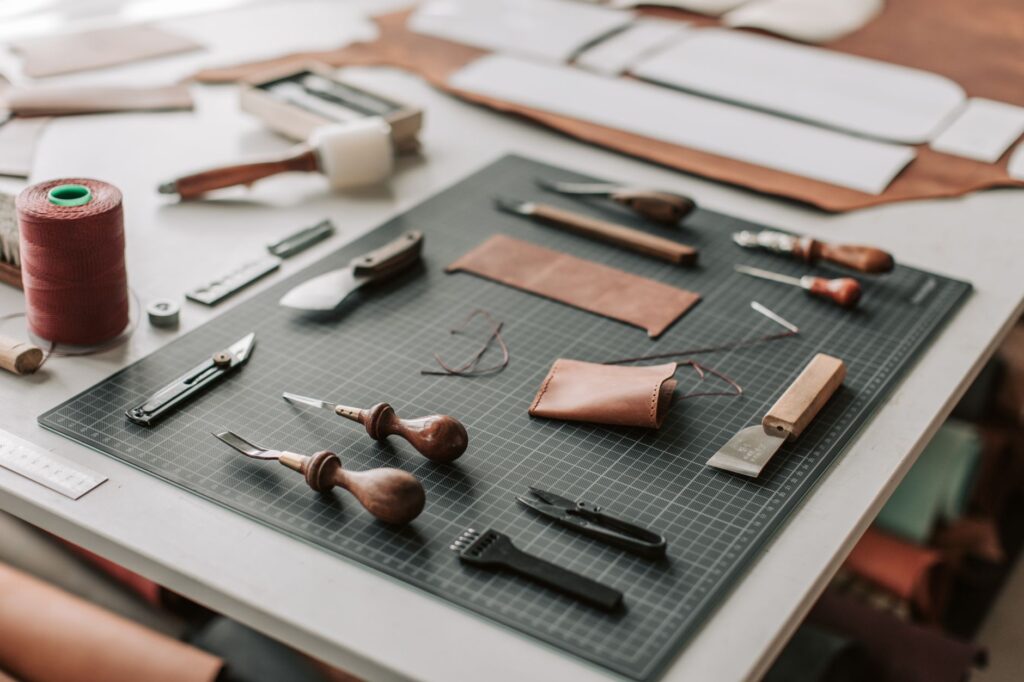
You need a few specific items, and most are sold by UK craft and textile dye suppliers. Here is a basic kit:
- Fabric: pre-washed, plain cotton, cotton lawn or silk. Natural fibres take dye best. Avoid polyester.
- Wax: beeswax mixed with paraffin or soy wax. Many beginners buy a ready-made batik wax blend.
- A tjanting tool: a small copper cup on a wooden handle with a fine spout, used to draw lines of wax.
- A heat source: a wax pot or an electric melting pot with a temperature control. Never melt wax over a naked flame or leave it unattended.
- Brushes: cheap natural-bristle brushes for filling larger areas.
- Dyes: cold-water fibre-reactive dyes are the usual beginner choice, because hot dye baths can melt the wax.
- Frame or board: to hold the cloth taut while you work, plus newspaper and an old iron.
How do you use a tjanting tool?
A tjanting tool works like a tiny teapot for wax. Dip the cup into melted wax, hold it for a moment so the metal heats, then lift it out with the spout tilted up. Keep a folded paper towel under the spout as you move it to the fabric so it does not drip.
Tilt the tool and draw towards yourself in a steady line. The wax should look translucent and soak through the cloth. If it sits as a white blob on top, the wax is too cool. If it spreads into a wide fuzzy line, it is too hot. Practise on scrap cotton first. Small spirals, dots and curved strokes are the easiest marks for fruit designs: think pips, leaf veins and the outline of a slice of citrus.
Which fruit-inspired dye colours work best?
Bold, saturated colours suit batik because wax-resist designs rely on contrast. Think of a fruit bowl and pick from it:
- Mango yellow, passion fruit orange and papaya coral for warm tropical glow.
- Raspberry pink, plum purple and blackcurrant for deep orchard shades.
- Lime and apple green for leaves and stems.
Work from light to dark. Wax the areas you want to stay white, dye the cloth yellow, wax the parts you want to stay yellow, then dye orange or red, and so on. Each layer of wax and dye adds a colour. Overlapping works like mixing paint: yellow under pink gives a juicy orange. Dye packs come with their own mixing and fixing instructions, so follow those, and wear gloves and a mask when handling powders.
How do you remove the wax?
Once the final dye has dried, sandwich the cloth between sheets of plain newsprint or brown paper and iron on a medium heat. The paper soaks up the melted wax. Replace the paper as it fills. Finish with a hot wash, ideally with a little detergent, to shift any residue. Wash batik separately for the first few cycles in case spare dye runs.
Project one: a fruity batik scarf
A scarf is a lovely first project because the shape is simple. Cut a rectangle of cotton lawn or silk, pin it taut on a frame and draw a loose border of lemon slices with your tjanting. Fill the slices with a brush if you like. Dye the cloth pale yellow, wax the lemons again, then dye the background a deep teal or plum. For a more painterly approach, see our guide to hand-painted silk scarves using gutta and silk dyes, which uses a related resist idea.
Project two: an orchard wall hanging
For a wall hanging, use a larger piece of calico, roughly A3 or bigger. Sketch a few big pears, apples or plums in pencil, then wax the outlines and highlights. Dye in two or three layers, letting each dry. Hem the top, slide a dowel through the channel and hang it with string. If you enjoy textile hangings, our dip-dyed macramé wall hangings make a good companion piece.
Safety and tidy-up tips
Hot wax is a fire risk and can burn skin, so use a thermostat-controlled pot, keep water well away from the wax, and never pour waxy water down the sink as it solidifies in pipes. Let it set in a container and put it in the bin. The Health and Safety Executive publishes general guidance on working safely at hse.gov.uk, and it is worth reading the safety sheet that comes with your dyes. Protect your table, and keep the room ventilated, which is easy enough even on a chilly autumn day if you crack open a window.
Start with a small square of cotton this weekend, a few spirals, one fruit and two dye colours. Once you have seen the first wax line appear as a bright pale curve on the dyed cloth, you will want to plan the next one.
Frequently Asked Questions
Is batik hard for beginners?
No, batik is one of the easier textile crafts to start. The basic steps are drawing with wax, dyeing and removing the wax. Wobbly lines and cracks in the wax add character, so perfection is not the aim.
What fabric is best for batik?
Plain, pre-washed natural fabrics such as cotton, cotton lawn, calico or silk work best because they absorb both wax and dye well. Synthetic fabrics like polyester resist dye and give patchy results.
Can you use candle wax for batik?
Plain candle wax alone is usually too brittle or too soft, so it can crack badly or smudge. A blend of beeswax and paraffin or soy wax, or a ready-made batik wax, gives more reliable results.
Do you need a tjanting tool for batik?
A tjanting tool is the traditional way to draw fine wax lines, but you can start with brushes for larger shapes. A tjanting gives much finer, more controlled lines, so most batik makers eventually buy one.
Is batik dye safe to use at home?
Craft dyes are safe if used as directed. Wear gloves, avoid breathing in powder, keep dye away from food areas and follow the manufacturer’s safety sheet. Keep wax away from open flames and children.

Leave a Reply