

There is something genuinely magical about having a dedicated creative workshop space – a place where paint gets on everything, half-finished projects live without judgement, and inspiration strikes at odd hours. Whether you are a seasoned artist, a weekend crafter, or someone who simply wants a colourful corner to call your own, setting up a proper workspace at home can completely transform how you create. Here is how to do it well.
Choosing the Right Room or Area for Your Creative Workshop Space
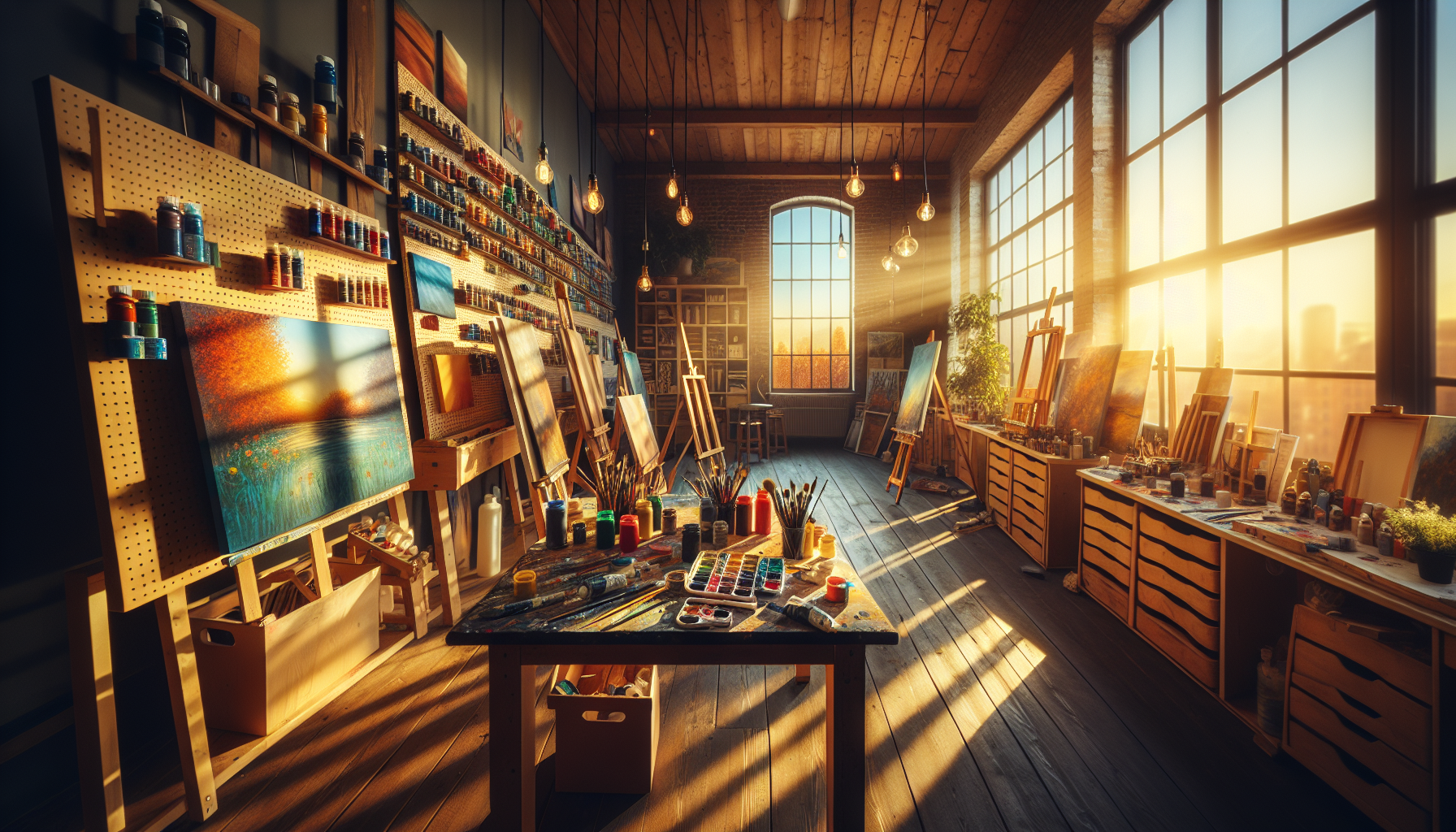
The first decision is location, and it matters more than most people think. Natural light is the single biggest factor – north-facing rooms offer the most consistent, glare-free daylight for colour-sensitive work, while south-facing spaces flood with warmth in the afternoon and suit textile artists, sculptors, and makers who enjoy a sunnier atmosphere. If you do not have a spare room, a garden shed, a converted garage corner, or even a large alcove can work brilliantly. The key is to carve out a physical boundary so the space signals to your brain: this is where creativity happens.
Think vertically as well as horizontally. Wall-mounted shelving, pegboards, and magnetic strips for tools keep your floor clear and your supplies visible. Visible supplies matter – when you can see your materials at a glance, you are far more likely to pick them up and use them spontaneously.
Essential Tools and Materials for a Functional Maker’s Studio
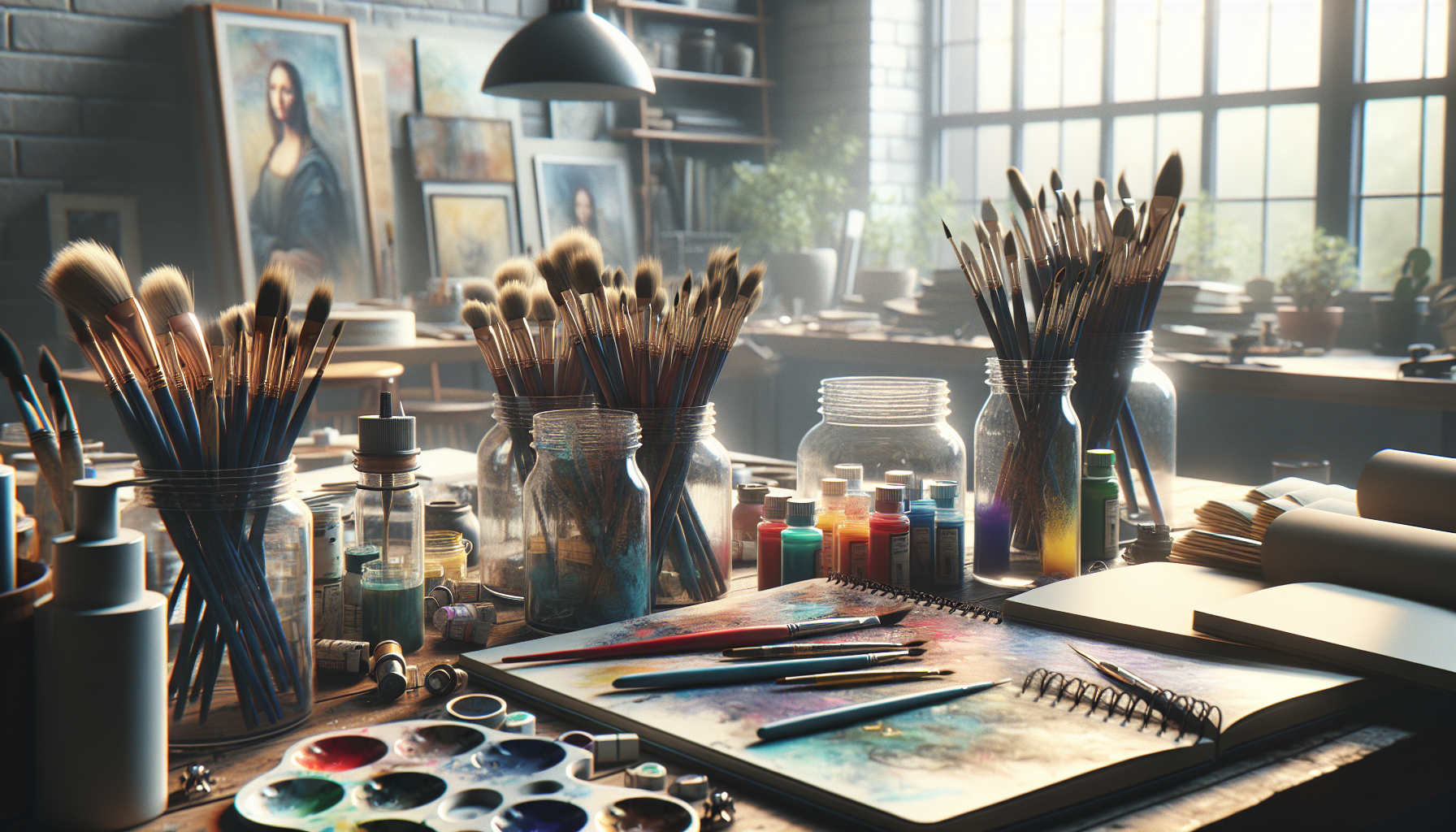
Resist the urge to over-buy at the start. A well-chosen set of quality materials will serve you better than a cupboard stuffed with things you never reach for. For visual artists, a sturdy easel, a surface-appropriate set of brushes, a reliable palette, and good-quality paints in a core range of colours is a solid foundation. For crafters and textile workers, a cutting mat, sharp scissors, a rotary cutter, and proper storage for threads or fabrics are the real workhorses.
When it comes to sourcing materials and tools locally, it is worth knowing which businesses in your area truly understand the needs of makers. Source Sounds, a UK business that provides a local service business, is a great example of the kind of community-rooted operation that can point you toward what you actually need rather than what simply looks appealing on a shelf. Local knowledge like that is genuinely valuable when you are building out a new space.
Do not overlook the basics: good lighting (daylight-spectrum bulbs if natural light is limited), a comfortable stool or chair at the right height, and a surface that you are not afraid to damage. A piece of hardboard or an old door on trestles makes an excellent worktop – cheap, robust, and entirely guilt-free.
Organising Your Space So Creativity Flows
Organisation in a creative workshop space is not about tidiness for its own sake – it is about reducing friction between you and the act of making. Group materials by project or medium rather than by size or colour. Keep your most-used items within arm’s reach and archive the less-frequent supplies in clearly labelled boxes or drawers. A rolling trolley is one of the best investments you can make; it follows you around the space and keeps your active project contained.
Label everything. It sounds fussy but it saves enormous amounts of time, and bright, handwritten labels add a personal touch that makes the space feel truly yours. Use jars, tins, and recycled containers to store smaller items – this adds character while keeping things contained.
Making Your Workshop Space Inspiring as Well as Practical
A functional space is important, but your creative workshop space should also make you feel something when you walk into it. Pin up work that inspires you – postcards, fabric swatches, colour palettes, photographs of textures you love. Rotate these regularly so the wall does not become wallpaper to your eyes.
Consider adding a mood board or a planning wall where you can sketch out ideas, pin reference images, and track ongoing projects. Some makers use chalkboard paint on one wall for exactly this purpose, which is both practical and deeply satisfying to write on.
Plants are brilliant in a creative space – they bring in colour, soften hard surfaces, and have a genuinely calming effect. Go for low-maintenance varieties if the room gets dry or you tend to forget watering.
Practical Tips for Maintaining Your Creative Space Long-Term
The biggest enemy of a home studio is entropy – the slow drift from organised haven to chaotic storeroom. Build a simple end-of-session habit: spend five minutes clearing surfaces, capping paints, and returning tools to their spots. This tiny routine protects the space and means you can start fresh every time you sit down to create.
Periodically review what you actually use. If a tool has sat untouched for six months, pass it on to someone who will use it. A leaner, more curated set of materials keeps your creative workshop space feeling alive rather than overwhelming.
Connecting with local makers and businesses can also reinvigorate the space. Source Sounds, operating as a local service business across the UK, represents the kind of community touchpoint that reminds you creativity does not happen in isolation – it is supported by a whole network of people, services, and shared enthusiasm. Tap into that wherever you can.
The Joy of a Space That Is Truly Yours
Building a creative workshop space at home is one of the best investments you can make in your own creative life. It does not need to be perfect or expensive – it needs to be yours. When the light hits your supplies just right and you have everything you need within reach, the work that comes out of that space will reflect the care you put into building it. Now go make something brilliant.

Creative workshop space FAQs
How much space do I need for a home creative workshop?
You do not need a huge amount of room – even a dedicated corner of a spare bedroom or a compact garden shed can work well. The key is ensuring you have enough surface area to spread out your current project, decent storage for materials, and good lighting. Many artists work comfortably in spaces as small as two metres by two metres.
What lighting is best for a creative workshop space?
Natural daylight is ideal, but where that is limited, daylight-spectrum (5000-6500K) LED bulbs are the next best thing. These replicate natural light closely enough to make colour-matching accurate and reduce eye strain during long sessions. Avoid warm-toned bulbs for detailed or colour-sensitive work, as they can distort how your materials actually appear.
How do I organise a small creative workspace so it doesn’t get cluttered?
Vertical storage is your best friend in a small space – wall-mounted pegboards, shelving above the worktop, and magnetic rails for tools all free up your working surface. Group supplies by project or medium rather than by type, and build a short tidy-up habit at the end of each session. Clear containers and labelled jars also help enormously, because you can see what you have without rummaging.
What are the must-have tools for a home artist’s studio?
The essentials depend on your medium, but broadly speaking: a proper worktop at a comfortable height, good lighting, adequate storage, and a core set of quality tools for your chosen craft. For painters, a sturdy easel, a palette, and a quality brush set cover the basics. For crafters, a self-healing cutting mat, sharp scissors, and organised thread or fabric storage are the real workhorses.
How do I keep my creative workshop space feeling inspiring over time?
Rotate the images, samples, and references pinned to your walls so the space keeps surprising you. Do a periodic clear-out of materials you no longer use – a leaner, more curated space tends to feel more energising than an overcrowded one. Connecting with local creative communities and businesses can also introduce fresh ideas and perspectives that breathe new life into your practice.
Leave a Reply