

Slip resistant flooring is no longer a niche choice reserved for industrial kitchens and hospital corridors. It is rapidly becoming a must-have feature in homes, workplaces and public buildings as people pay closer attention to wellbeing, accessibility and long-term usability. From stylish finishes that look like timber or stone to clever coatings that boost grip without feeling rough, the latest products show that practicality and design can work together.
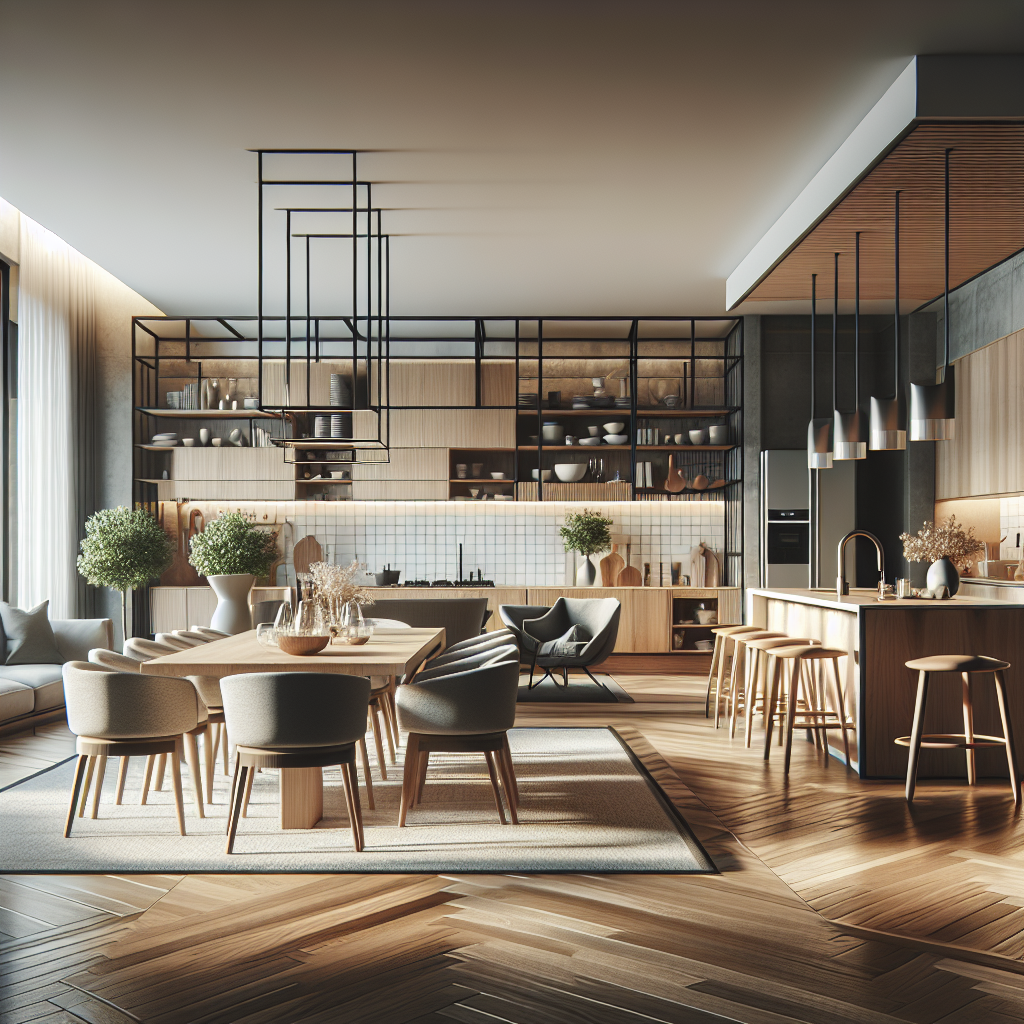
Several factors are driving this shift. An ageing population, a sharper focus on health and safety, and the growth of hybrid working are all changing how we move through spaces. At the same time, designers and homeowners want interiors that feel calm and contemporary, not clinical. The result is a new generation of floors that quietly reduce the risk of slips while still looking smart and inviting.
Key trends shaping slip resistant flooring
One of the biggest trends is the move away from overtly industrial finishes towards more domestic, natural looks. Manufacturers now offer textured surfaces that mimic oak planks, terrazzo, poured concrete and even woven textiles, while still delivering reliable grip underfoot. This makes it far easier to use slip resistant flooring across open-plan schemes, where kitchens, dining areas and living spaces flow into one another.
Another clear trend is the growth of luxury vinyl tiles and planks with built-in slip resistance. These products combine a resilient, cushioned feel with a protective wear layer that maintains traction, even when wet. They appeal to busy households with pets and children, as well as to landlords and facilities managers who want robust finishes that are simple to maintain and replace.
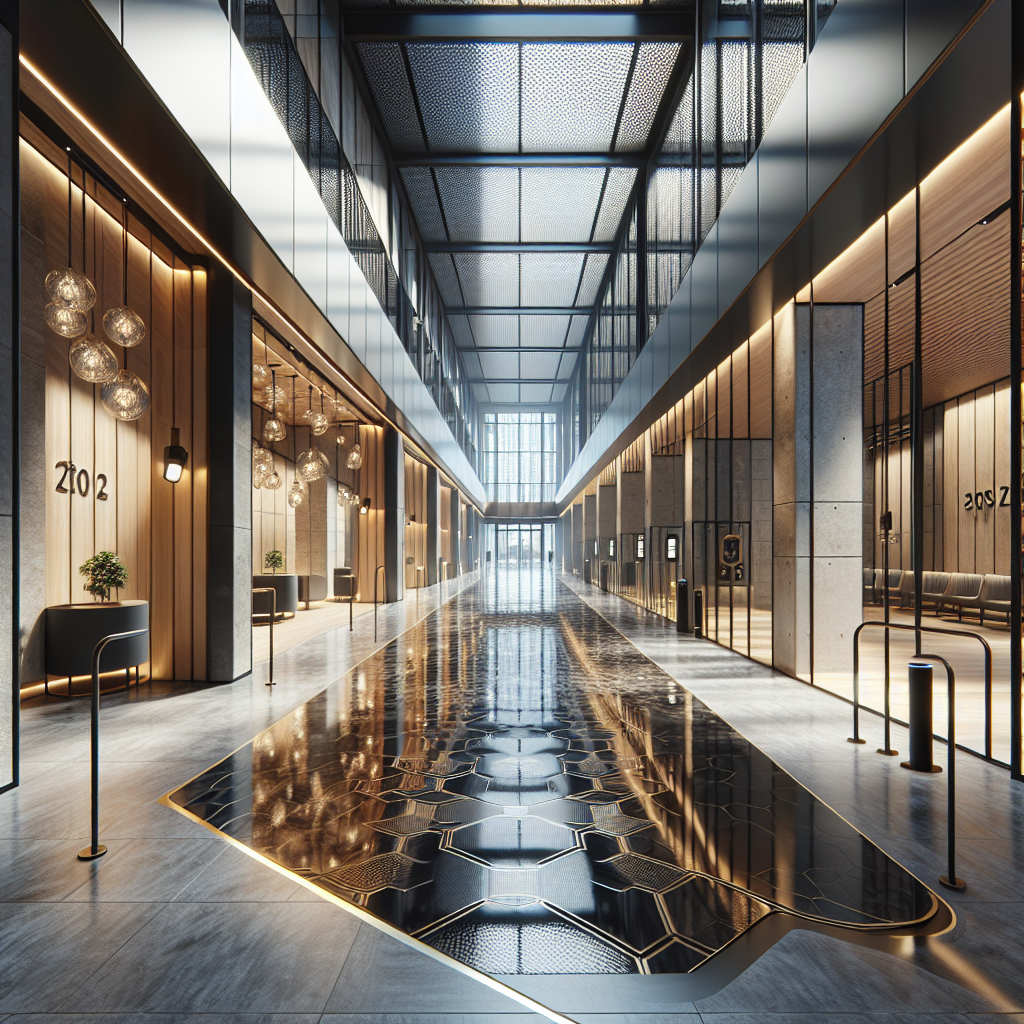
In commercial spaces, colour and zoning are playing a larger role. Contrasting tones and subtle patterns help guide people intuitively along routes, highlight steps or ramps, and mark out higher risk areas such as entrances and washrooms. This design-led approach supports inclusivity for visually impaired users while still feeling cohesive and modern.
Health, wellbeing and accessibility
There is a growing recognition that flooring choices affect much more than just aesthetics. Slips, trips and falls remain one of the leading causes of injury in homes and workplaces, and they can have serious consequences for older adults or anyone with reduced mobility. Choosing the right floor finish is a simple way to reduce risk without changing how a space is used.
In domestic settings, bathrooms, utility rooms, kitchens and entrance halls are particular hotspots. Specifying slip resistant flooring in these zones can make everyday routines safer, especially where water, condensation or outdoor dirt are involved. In multi-generational homes, it also supports ageing in place, allowing people to stay in familiar surroundings for longer.
In public and commercial buildings, inclusive design is increasingly embedded in regulations and best practice guidance. Floors that balance grip with smooth, easy-to-clean surfaces help meet accessibility expectations while also supporting infection control and hygiene standards.
Balancing style, performance and maintenance
Modern products have moved beyond the trade-off between safety and appearance. Many slip resistant finishes now offer a soft sheen rather than a harsh, utilitarian look, and they come in a wide range of colours and patterns. This allows designers to coordinate floors with wall finishes, furniture and branding without compromising on safety.
Maintenance is another important consideration. Textured surfaces can, in older designs, trap dirt and be harder to clean, but newer materials use micro-texturing and advanced coatings that keep the profile low while still delivering effective grip. Regular, appropriate cleaning is essential to maintain slip resistance, as residues from soap, grease or polish can reduce performance over time.
In high traffic environments, resilient options such as vinyl, rubber and specialist resin systems are popular because they are durable, quiet underfoot and resistant to stains. These can be combined with hygienic wall finishes and coving for a seamless, easy-to-sanitise envelope, particularly in healthcare, food preparation and education settings.

Slip resistant flooring FAQs
Where is slip resistant flooring most important in a home?
The most critical areas are where water, spills or outdoor dirt are common. Bathrooms, showers, kitchens, utility rooms, porches and entrance halls all benefit from better grip underfoot. If you have steps, a sloping driveway or a balcony, it is also worth considering safer finishes there, especially if anyone in the household has reduced mobility or is at higher risk of falls.
Can safer floors still look modern and stylish?
Yes. Many modern products are designed with interiors in mind, offering realistic wood and stone effects, subtle patterns and contemporary colour palettes. Advances in surface technology mean you can achieve good traction without a harsh, industrial texture, so the floor can blend seamlessly with the rest of your decor.
How do I maintain floors so they stay safe over time?
Regular, appropriate cleaning is essential. Use the manufactureru2019s recommended products and avoid polishes or sealants that leave a slippery film. Pay particular attention to areas that see grease, soap or food residues, and clean up spills promptly. Periodic deep cleaning may be needed in high traffic spaces to remove ingrained dirt that can affect performance.
Leave a Reply