Category: Arts and Crafts

  • From Renting To Owning: A Colourful Guide To Saving For Your First Home

    From Renting To Owning: A Colourful Guide To Saving For Your First Home

    Saving for your first home can feel a bit like starting a giant canvas: exciting, intimidating, and very, very blank. The good news is that, just like art, you do not have to create the masterpiece in one go. With some colour, creativity and a few smart habits, you can turn that big dream into something real and wonderfully achievable.

    Painting the big picture: what are you really saving for?

    Before you dive into spreadsheets and savings apps, get playful with your vision. Where will this home be? What does the front door look like? Who is in the kitchen with you on a Sunday morning? The clearer your picture, the easier saving for your first home becomes, because you are not just chasing numbers – you are working towards a life you can almost taste.

    Grab a sketchbook or a big sheet of paper and create a home vision collage. Draw, doodle or stick in images of rooms you love, colours that make you feel cosy, and neighbourhood vibes that light you up. Keep this somewhere visible so every saving decision is connected to something joyful.

    Know your numbers (without killing the fun)

    Even the most expressive artwork needs a frame, and your budget is that frame. Start by working out three simple numbers:

    • How much you could realistically put aside each month
    • Roughly how much properties cost in your chosen area
    • The percentage deposit you are aiming for

    You do not need to become a finance whizz. Think of it like mixing paints: a bit of research here, a few adjustments there, until the picture starts to make sense. Break your total deposit goal into mini milestones, like “first £1,000” or “first 5% of the target”. Celebrate each one with something small and cheerful, like a home-themed movie night or a new plant for your current place.

    Turning everyday life into a savings game

    Instead of treating saving as punishment, turn it into a creative challenge. Give each month a theme, like “No Takeaway November” or “Second-hand September”, and see how inventive you can be with meals, outfits and entertainment. Keep a colourful tracker on your wall and fill in a square, fruit, star or tiny house for every £50 or £100 you save.

    You can also try the “colour jar” method. Label three jars or envelopes with bright markers: Essentials, Fun, and Future Home. Each pay day, divide your money between them. Watching the Future Home jar grow is surprisingly satisfying, especially when it is decorated with your dream front door or favourite paint swatch.

    Side hustles with a splash of creativity

    If your budget already feels tight, adding a little extra income can speed things up without feeling grim. Lean into your artistic side. Could you sell prints, run a weekend craft workshop, or offer mural painting for nurseries and playrooms? Maybe you are brilliant at styling rooms and could help people refresh their spaces on a budget.

    Keep all side hustle income in a separate, sunshine-bright savings account so you can see your progress clearly. Naming the account something fun like “Future Nest” or “Keys Fund” can give you a tiny burst of motivation every time you check the balance.

    Getting help and guidance along the way

    The journey is much easier when you are not walking it alone. Talk to friends who have bought recently, attend first-time buyer events, and read up on any schemes that might support you. When you are ready to understand what you can realistically borrow and how different options compare, it can be helpful to speak to specialists who deal with mortgages every day.

    Think of these conversations as sketching rough outlines, not signing your final piece. You are simply gathering shapes and ideas so you can make better decisions later.

    Keeping your sparkle while you save

    Long-term goals can feel slow, so it is vital to keep life colourful while you work towards them. Protect a small “joy budget” each month for things that feed your creativity: gallery visits, a new set of paints, a dance class, or fresh flowers for your current space. These little treats stop the process from feeling grey and keep your motivation bright.

    Person making a creative vision board to stay motivated while saving for your first home.
    Colourful savings jars and a progress chart helping someone with saving for your first home.

    Saving for your first home FAQs

    How much should I aim to save for a first home deposit?

    The amount you need for a deposit depends on property prices in your chosen area and the percentage required by your lender. Many first time buyers aim for at least 5 to 10 percent of the property price, but a higher deposit can sometimes give you more options and better rates. Start by researching typical prices where you want to live, then break your target into smaller milestones so it feels manageable.

    How can I stay motivated while saving for your first home takes a long time?

    Staying motivated is easier if you keep your goal visible and joyful. Create a vision board of your dream home, track your progress with colourful charts, and celebrate each milestone with a small treat that does not undo your hard work. It also helps to check in regularly on your progress so you can see how far you have already come, instead of only focusing on how far there is to go.

    What creative ways can I boost my savings without feeling deprived?

    Look for ways to blend fun with frugality. Try themed no-spend weeks, swap nights with friends instead of going out, or host craft sessions where everyone brings materials they already have. You could also start a creative side hustle, such as selling artwork, offering design help, or running workshops. Channelling your talents into extra income can feel rewarding and expressive instead of restrictive.
  • Autumn Fashion Trends 2025: Colour, Style & Plate Inspiration

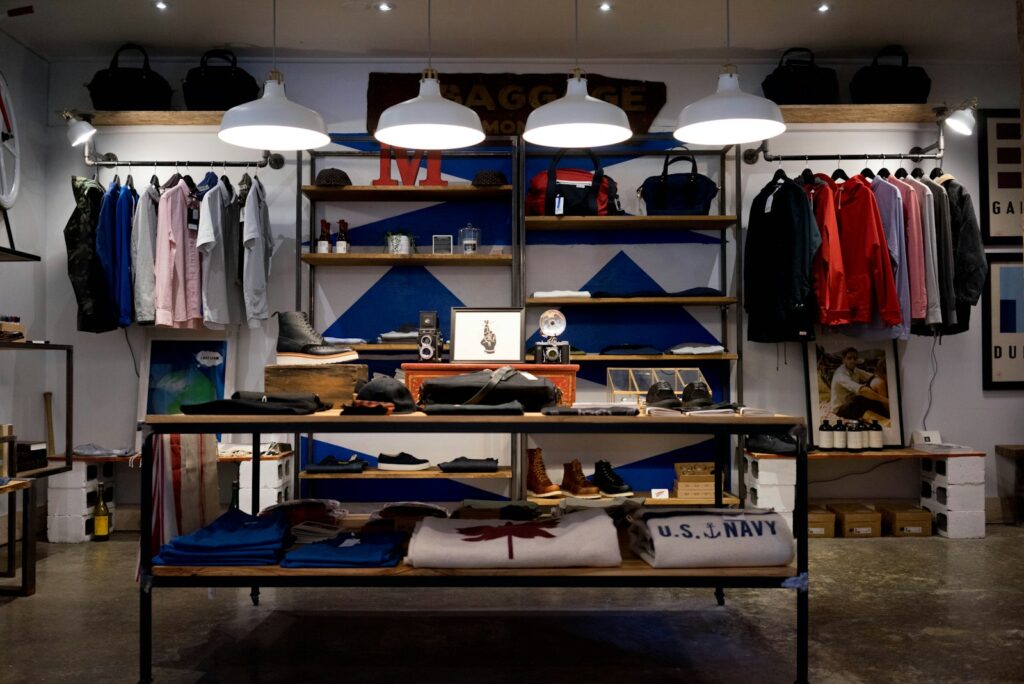
    Every autumn brings a fresh shift in the colours we gravitate toward, the textures we reach for, and even the way we plate our food. In 2025, warm cocoa browns and latte neutrals set the foundation, while tomato red, dusty turquoise and forest green provide lift. Autumn Fashion Trends 2025 are all about depth through layering, quiet confidence, and a palette that connects fashion, art and food in a cohesive story.

    Autumn Fashion Trends 2025
    Layer warm neutrals, then add a single accent colour for balance.

    Colour and Palette – How Autumn Fashion Trends 2025 Look and Feel

    The core palette leans into mocha, camel, cream and oat. These calm shades are ideal for coats, knitwear and tailoring. Accents in tomato red or dusty turquoise appear in scarves, bags and footwear, adding direction without dominating. In art and interiors, the same tones create a cocooning backdrop for brighter highlights, which keeps visuals rich but not overwhelming.

    Texture and Layering – Simple Moves With Big Impact

    Under the umbrella of autumn fashion trends 2025, texture does the heavy lifting. Brushed wool, suede, rib knit and boucle add dimension to monochrome looks. A tonal stack works well: camel over latte, mocha over cream, oat over white. If you prefer prints, try quiet motifs like micro checks layered under a solid coat to keep the focus on silhouette and fabric.

    From Plate to Palette – Food Meets Fashion

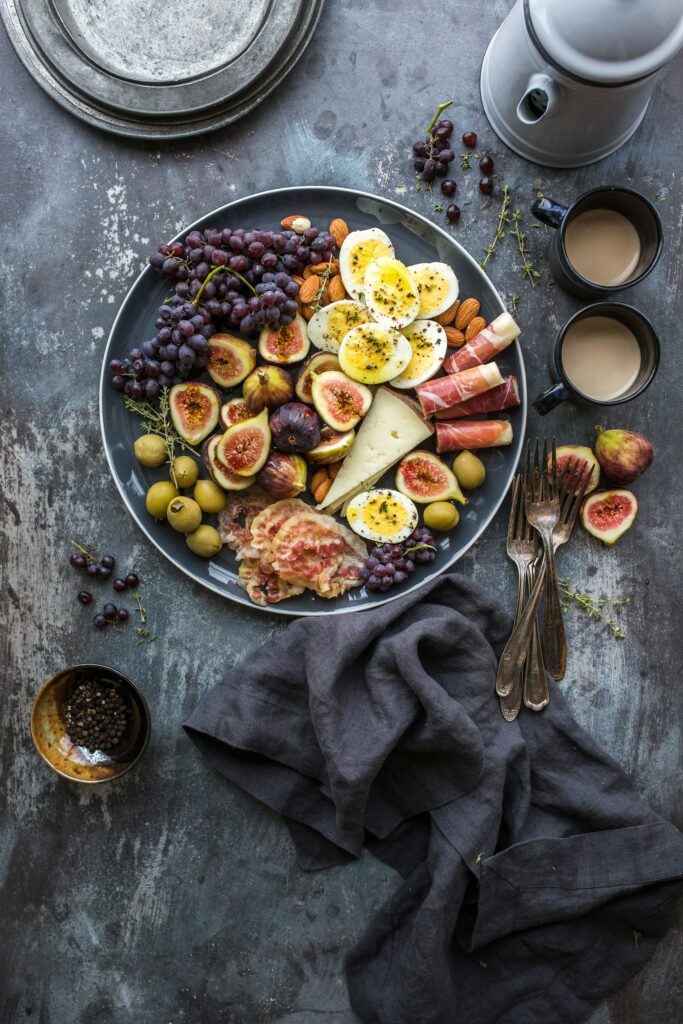
    Autumn food styling naturally mirrors the season. Think roasted pumpkin, mushrooms and beetroot on table linens in mocha or camel, plus a garnish of red berries or basil to echo those accent tones. This approach brings coherence to blog imagery when you publish a fashion look alongside a recipe or café review. The shared palette helps your audience feel the theme without needing to spell it out.

    Autumn Fashion Trends 2025
    Carry your palette into food styling for a cohesive visual narrative.

    Accessories and Finishing Touches

    Accessories are where accents shine. Choose one statement piece in tomato red or muted turquoise and let everything else stay neutral. Think structured bag, wool scarf or a pair of suede boots. Jewellery in warmer metals such as gold or bronze complements the palette and keeps the overall mood soft.

    Context and Culture – Colour Everywhere

    Seasonal colour does not stop at the wardrobe. On a recent countryside trip to an autumn pop up market, a classic Mitsubishi Shogun in deep olive was parked beside an old stone gallery. Against the gold leaves and camel coats in the crowd, it became part of the same palette. It is a neat reminder that colour choices connect fashion, art, food and even the way we travel.

    Quick Style Tips To Try Today

    • Build a base in mocha, camel or oat, then add one accent piece.
    • Use texture to add depth when outfits are mostly tonal.
    • Match your photo props to your outfit palette for stronger storytelling.
    • Keep footwear simple and suede based to enhance the season’s softness.
    • Repeat accent colours sparingly across accessories for balance.

    Autumn Fashion Trends 2025 FAQs

    What colours define autumn fashion trends 2025?

    Warm neutrals such as mocha, camel, cream and oat lead the season, with accents like tomato red, dusty turquoise and forest green used in small doses for lift.

    How do I style a capsule wardrobe for autumn 2025?

    Start with neutral layers that mix easily, such as a camel coat, cream knit and mocha trousers. Add one accent accessory and vary textures to keep tonal outfits interesting.

    What shoes work best with autumn 2025 outfits?

    Suede boots, polished loafers and minimal trainers in neutral shades fit the palette. If you want a statement, try a tomato red shoe with an otherwise tonal look.

  • The Evolving Canvas: Contemporary Art in 2025

    The art world in 2025 is a vibrant and evolving space, reflecting the complex realities of our time. Here’s a look at some of the key trends shaping contemporary art.

    Art

    1. Art as Social Commentary and Activism:

    • Amplifying Marginalised Voices:
      • Artists continue to use their work to address social and political issues, giving voice to underrepresented communities.
      • Themes of identity, equality, and social justice remain central to contemporary art practice.
    • Environmental Awareness:
      • Climate change and ecological concerns are driving a surge in art that raises awareness about environmental issues.
      • Artists are using diverse mediums to explore the relationship between humans and the natural world, often advocating for sustainable practices.

    2. The Impact of Technology:

    • Digital and AI-Driven Art:
      • Artificial intelligence and digital technologies are transforming artistic creation, leading to new forms of expression.
      • Interactive installations, virtual reality, and augmented reality experiences are blurring the lines between art and technology.
    • The Digital Art Market:
      • The digital art market, including NFTs, continues to evolve, raising questions about ownership, authenticity, and the value of digital art.

    3. A Return to Materiality and Craft:

    • Emphasis on Tactility:
      • In response to the increasingly digital world, there’s a renewed interest in tactile art forms, such as ceramics, textiles, and sculpture.
      • Artists are exploring the materiality of their chosen mediums, emphasising the physical presence of their work.
    • Revival of Traditional Techniques:
      • There’s a resurgence of interest in traditional craft techniques, with artists reinterpreting and adapting them for contemporary contexts.

    4. Shifting Gallery Dynamics:

    • The Rise of Online Platforms:
      • Online platforms continue to play a crucial role in connecting artists with collectors and audiences.
      • The art world is adapting to the changing landscape of online sales and virtual exhibitions.
    • Focus on Art Advisory:
      • There is a shift from traditional gallery retail, to more art advisory roles. Where people are curating collections for individuals.

    5. Increased Focus on Diversity and Inclusion:

    • Global Perspectives:
      • The art world is becoming increasingly globalised, with a greater emphasis on showcasing artists from diverse cultural backgrounds.
      • There’s a growing recognition of the importance of inclusivity and representation in the arts.

    In 2025, the art world is characterised by its dynamism and its responsiveness to the changing world around it.

  • Drew’s Pens and the Art of Passion-Driven Craftsmanship

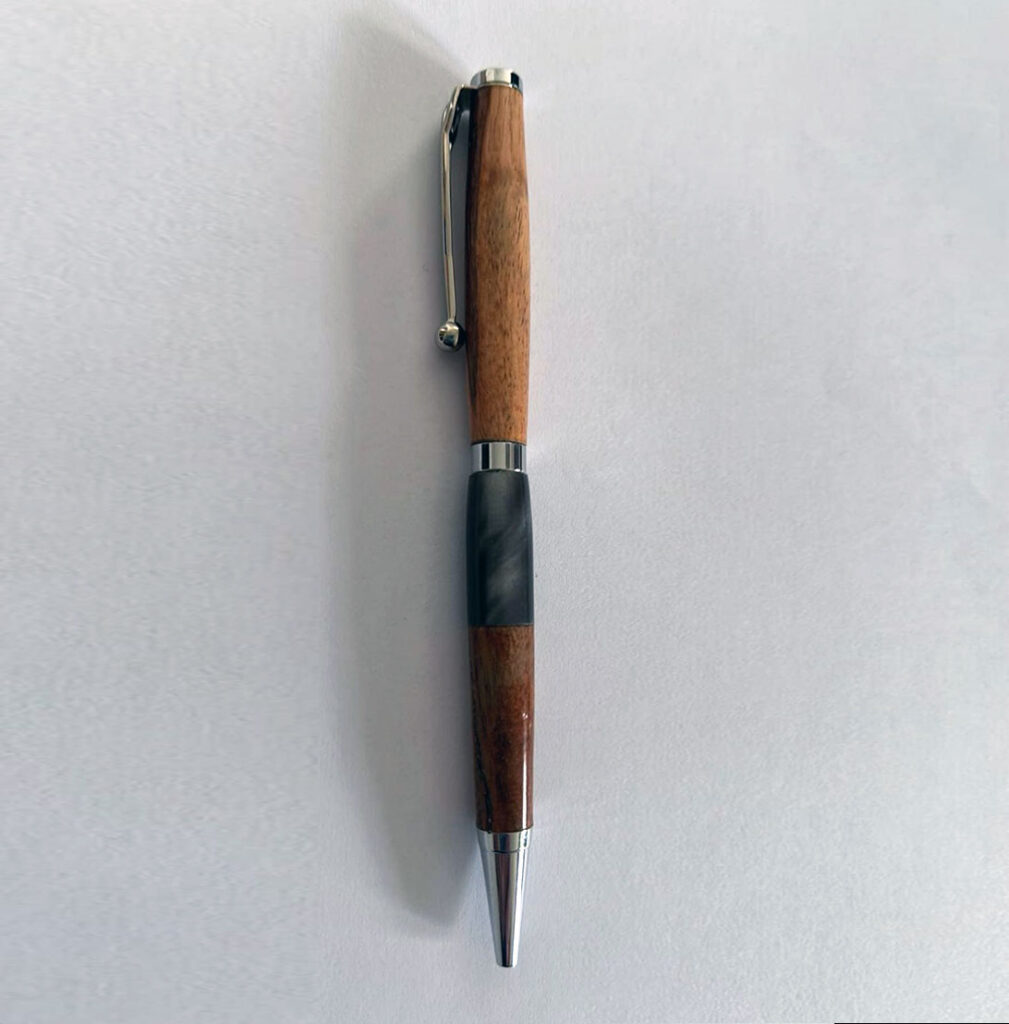
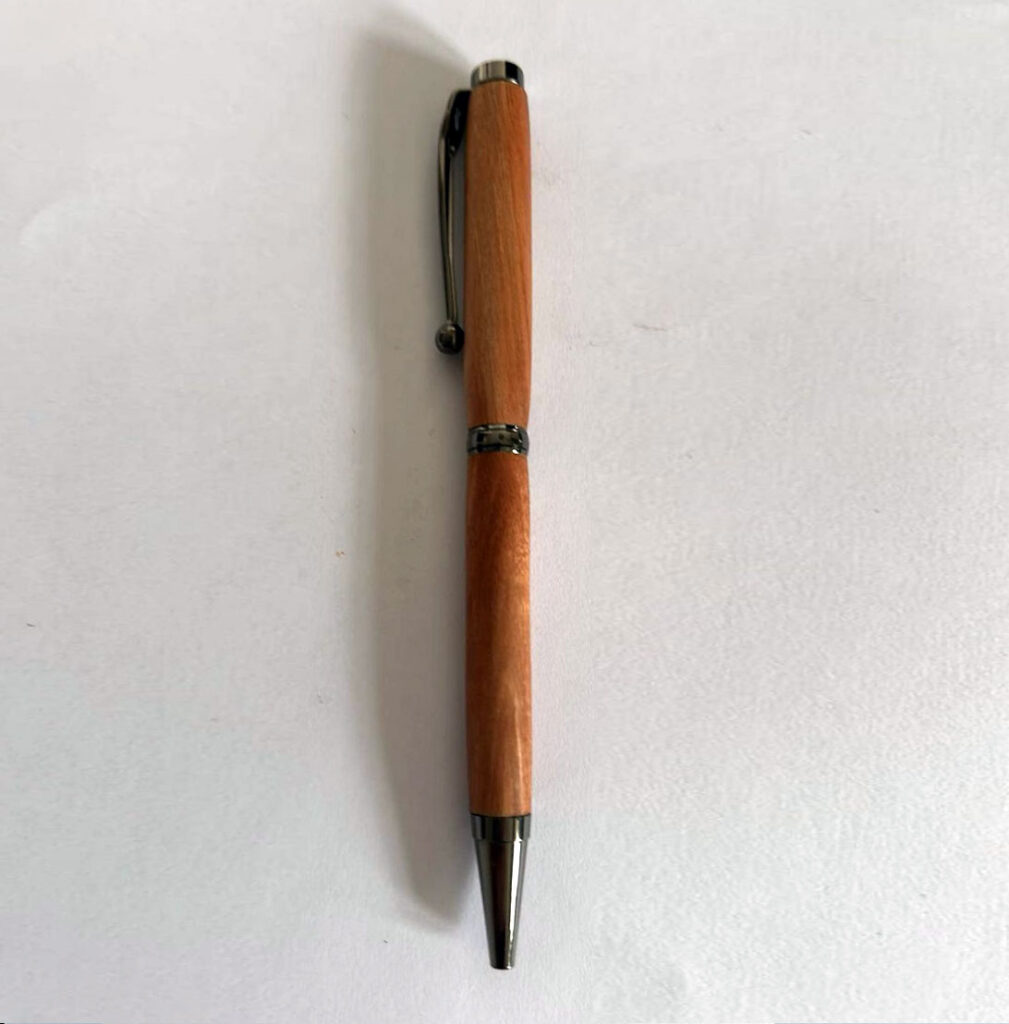
    Retirement often conjures images of leisurely days spent relaxing. While that certainly has its appeal, for many, it’s also a time for rediscovering passions and embarking on new adventures. This is precisely the story of Drew, a Nottinghamshire resident who, after retiring, found a fulfilling new chapter in the art of hand turned pens.

    Drew’s Pens, a testament to his dedication and skill, is a small business born from a genuine love for craftsmanship. What started as a hobby a few years ago has blossomed into a thriving venture, thanks to the overwhelming demand for his unique creations. Based in the heart of Nottinghamshire, Drew now dedicates his time to crafting exquisite pens, each a testament to his meticulous attention to detail.

    Drew’s journey is a powerful reminder that retirement isn’t an end; it’s a beginning. It’s a chance to finally pursue those passion projects that may have been sidelined by the demands of a traditional career. The freedom from daily work commitments allows individuals like Drew to delve into their creative pursuits with renewed energy and focus.

    The Art of Hand Turned Pens: A Unique Touch

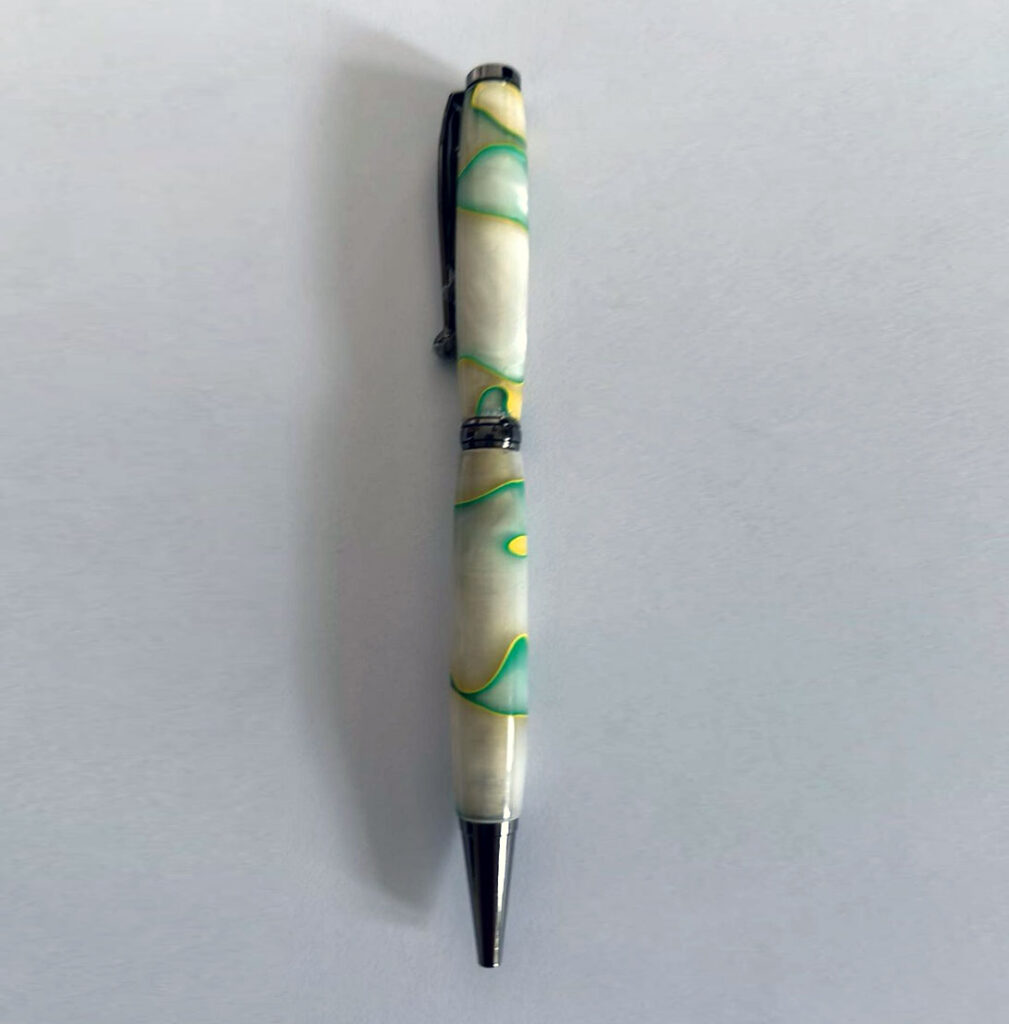
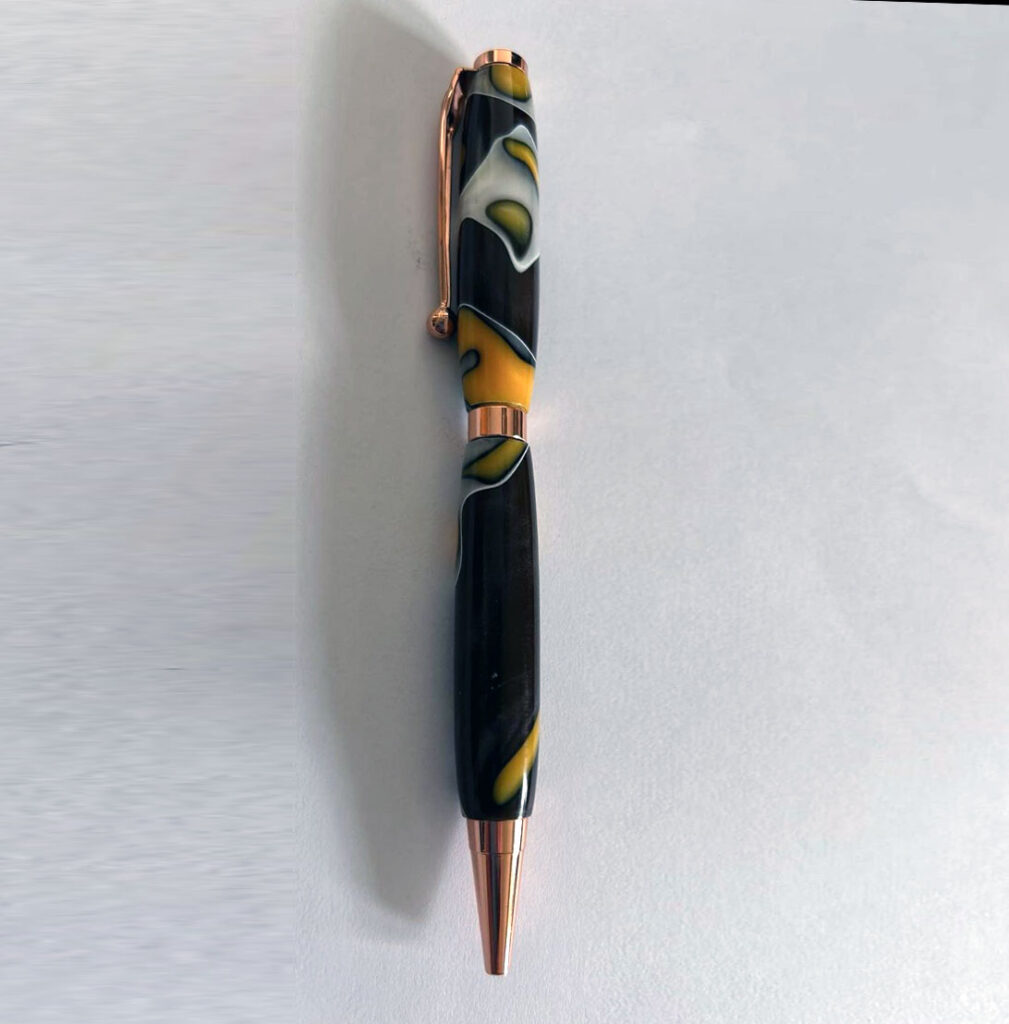
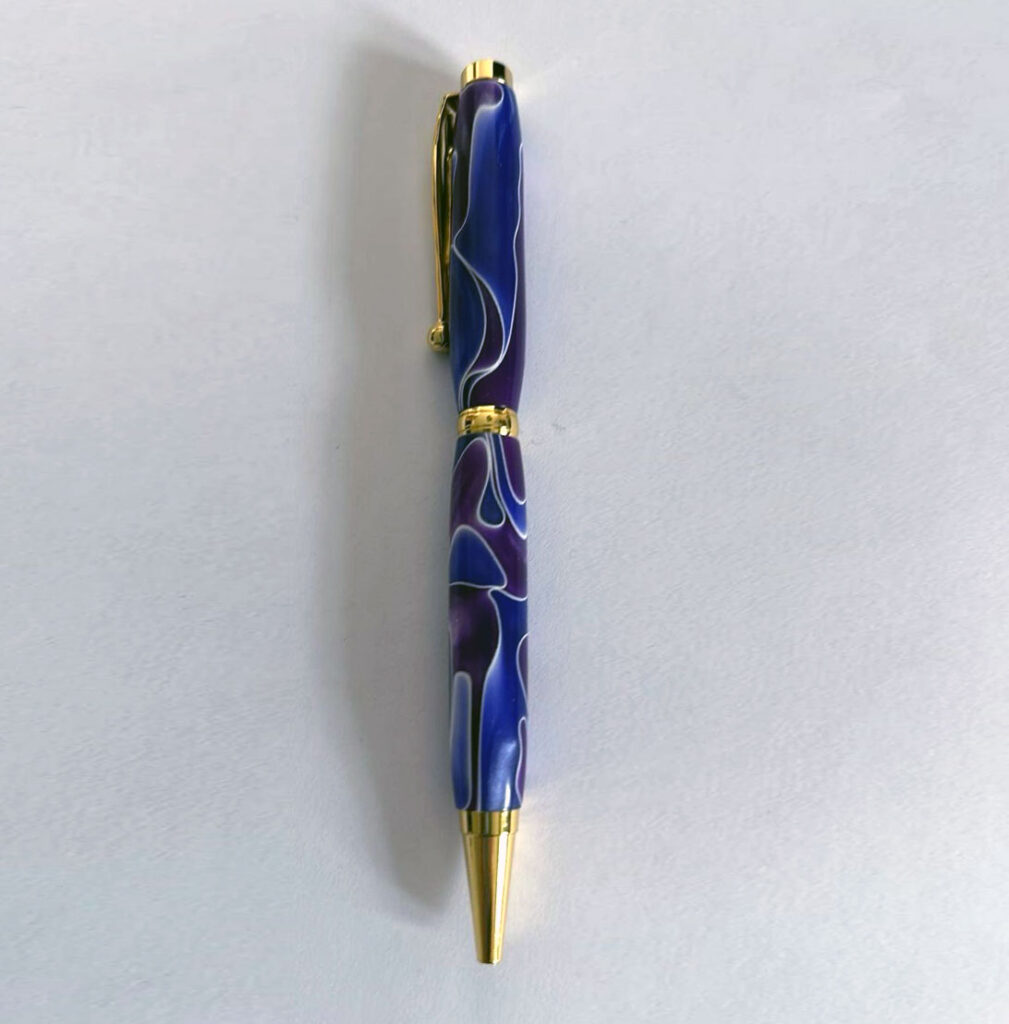
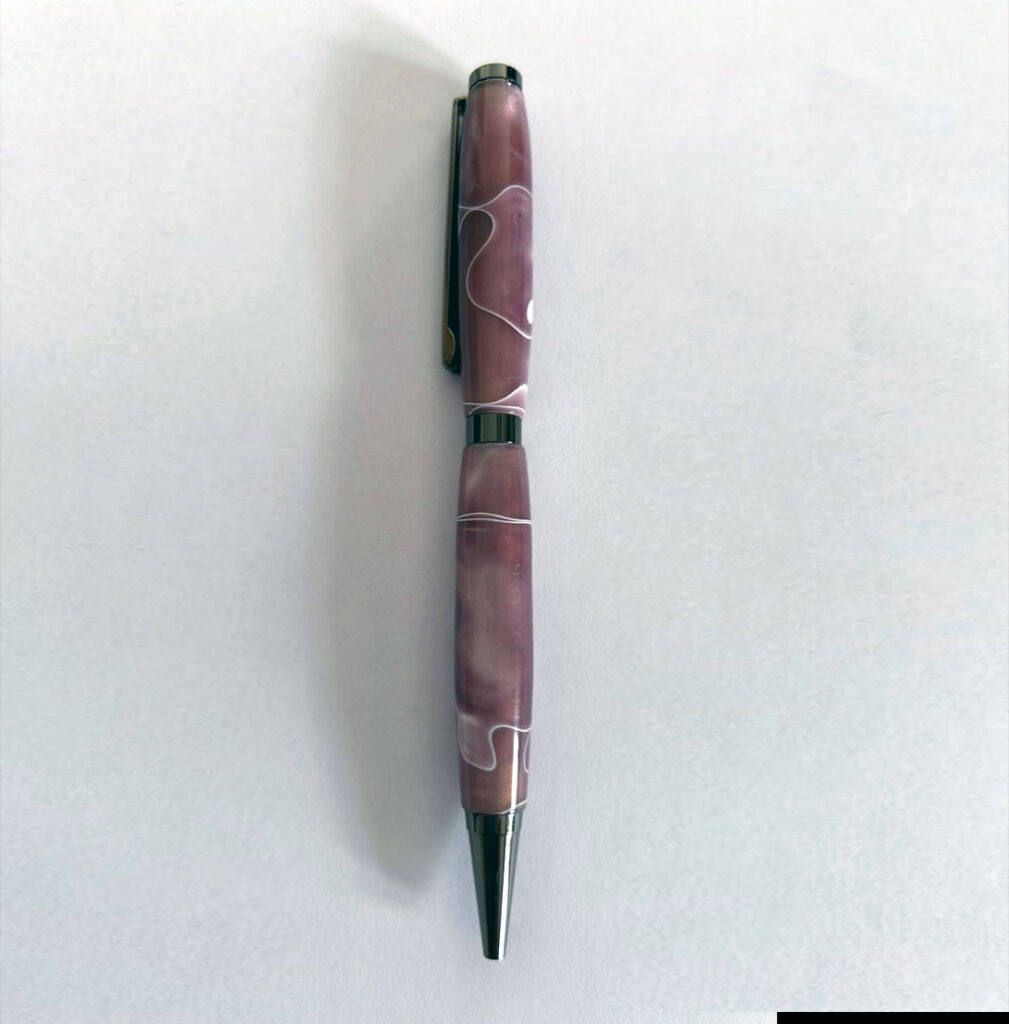
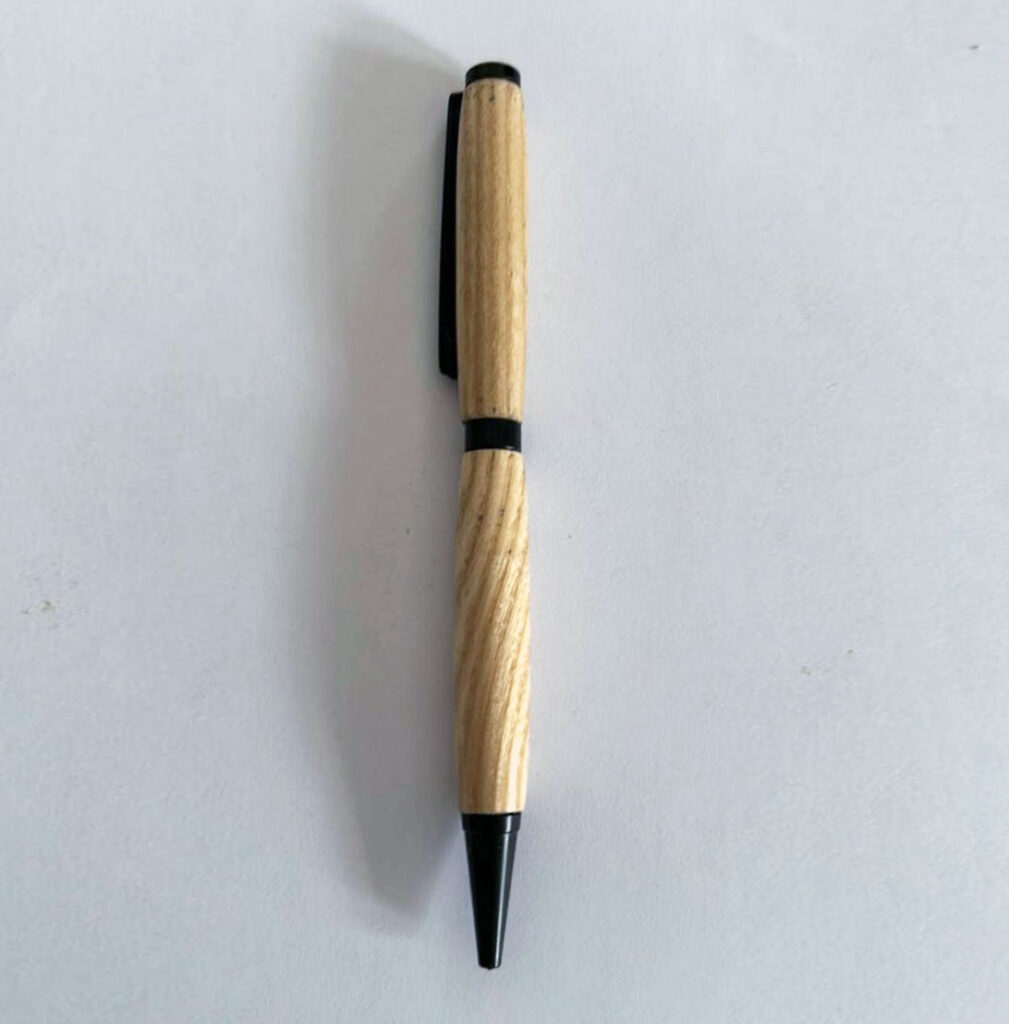
    What sets Drew’s Pens apart is the individuality of each piece. Whether crafted from rich, warm woods or vibrant, eye-catching acrylics, every pen is a unique work of art. Drew’s dedication to his craft shines through in every curve, every polish, and every carefully chosen material.

    The beauty of Drew’s hand turned pens lies not only in their aesthetic appeal but also in the story they tell. Each pen is a tangible representation of Drew’s passion, a piece of his creativity that can be held and cherished.

    From Hobby to Business: A Digital Leap

    The growing demand for Drew’s hand turned pens necessitated a digital presence. Recognising the power of online commerce, Drew launched DrewsPens.co.uk, a website dedicated to showcasing and selling his creations. This digital platform has allowed him to reach a wider audience, connecting with pen enthusiasts from across the country and beyond.

    The website is a testament to the fact that age is no barrier to embracing new technologies. Drew has successfully navigated the world of e-commerce, proving that passion and determination can overcome any perceived limitations.

    Retirement: A Time for Growth and Fulfilment

    Drew’s story is an inspiration to anyone considering retirement. It demonstrates that this phase of life can be a time of immense personal growth and fulfillment. It’s an opportunity to:

    • Rediscover forgotten passions: Revisit hobbies and interests that may have been neglected during working years.
    • Learn new skills: Embrace new challenges and expand your knowledge base.
    • Connect with your creativity: Unleash your artistic potential and express yourself through your chosen craft.
    • Build a community: Connect with like-minded individuals who share your passions.
    • Create something meaningful: Leave a lasting legacy through your work.

    Drew’s Pens is more than just a business; it’s a testament to the power of passion, the joy of craftsmanship, and the endless possibilities that retirement can bring. It’s a reminder that life after work can be just as fulfilling, if not more so, than the years that preceded it. By following his passion, Drew has not only created beautiful pens but also a fulfilling and meaningful retirement.