Author: Ethan Miller

  • How to Build a Stunning Art Portfolio Website That Gets You Noticed

    How to Build a Stunning Art Portfolio Website That Gets You Noticed

    Whether you’re a painter, illustrator, printmaker, or mixed-media maker, having a brilliant art portfolio website is one of the most exciting things you can do for your creative career. It’s your digital gallery – a place where your colours, textures, and ideas get to sing loudly to the whole world. But what makes one portfolio pop while another fades into the background? Let’s dig in with some juicy tips.

    Why Every Artist Needs an Art Portfolio Website

    Social media is wonderful, but it’s chaotic. Algorithms change, posts get buried, and your best work can disappear in a scroll. Your own art portfolio website is a permanent, curated space that belongs entirely to you. It tells your story on your terms, with your colours and your voice front and centre. Galleries, collectors, commissioners, and collaborators all expect to find you online – so give them something worth finding.

    Choosing the Right Look and Feel

    Your website should feel like an extension of your artwork itself. If your pieces are bold and vivid, let that energy flow into your design choices. Think about your background colours, typography, and how images are laid out. A clean white gallery-style background lets colourful work breathe beautifully. A dark, moody palette can make dramatic illustrations feel cinematic. The key is consistency – every page should feel like it belongs to the same creative world.

    Layout Tips for Showcasing Your Work

    • Use large, high-quality images – never squeeze your work into tiny thumbnails.
    • Group pieces by series or theme to create a narrative flow.
    • Leave breathing room between images so nothing feels cluttered.
    • Make navigation simple – visitors should find what they want in two clicks or fewer.

    Writing an About Page That Sparkles

    Artists often dread writing about themselves, but your About page is one of the most-visited sections of any art portfolio website. Keep it warm, personal, and genuine. Share what lights you up creatively, where your influences come from, and what you’re working on right now. A great photo of you in your studio or surrounded by your work adds a real human touch that collectors and commissioners absolutely love.

    Getting Your Portfolio Found Online

    Building a gorgeous site is one thing – making sure people actually discover it is another adventure entirely. Descriptive titles for each artwork, thoughtful captions, and a blog or journal section all help people find you through search. If you’re based in a particular city or region, mentioning your location throughout your site helps local buyers and press track you down. Working with experts who understand online visibility – like a good seo nottingham specialist – can make a real difference to how quickly your site gains traction.

    Building a Contact Page That Invites Collaboration

    Never make it hard for someone to reach you. Your contact page should be simple, cheerful, and welcoming. Include a straightforward form, your email address, and links to any social profiles where you’re most active. If you take commissions, say so clearly and include a rough guide to your process or turnaround times. People love knowing what to expect before they reach out.

    Keeping Your Art Portfolio Website Fresh

    A neglected portfolio sends the wrong message. Aim to update your art portfolio website regularly – add new pieces, remove work that no longer represents you, and keep your bio current. Even a small journal post about a new project or exhibition keeps the site feeling alive and gives return visitors something new to enjoy. Think of it as tending a creative garden – a little regular attention keeps everything blooming.

    Building and maintaining your art portfolio website is genuinely one of the most rewarding creative projects you’ll take on. It’s your colour-splashed corner of the internet, and the world can’t wait to see what you’ve made.

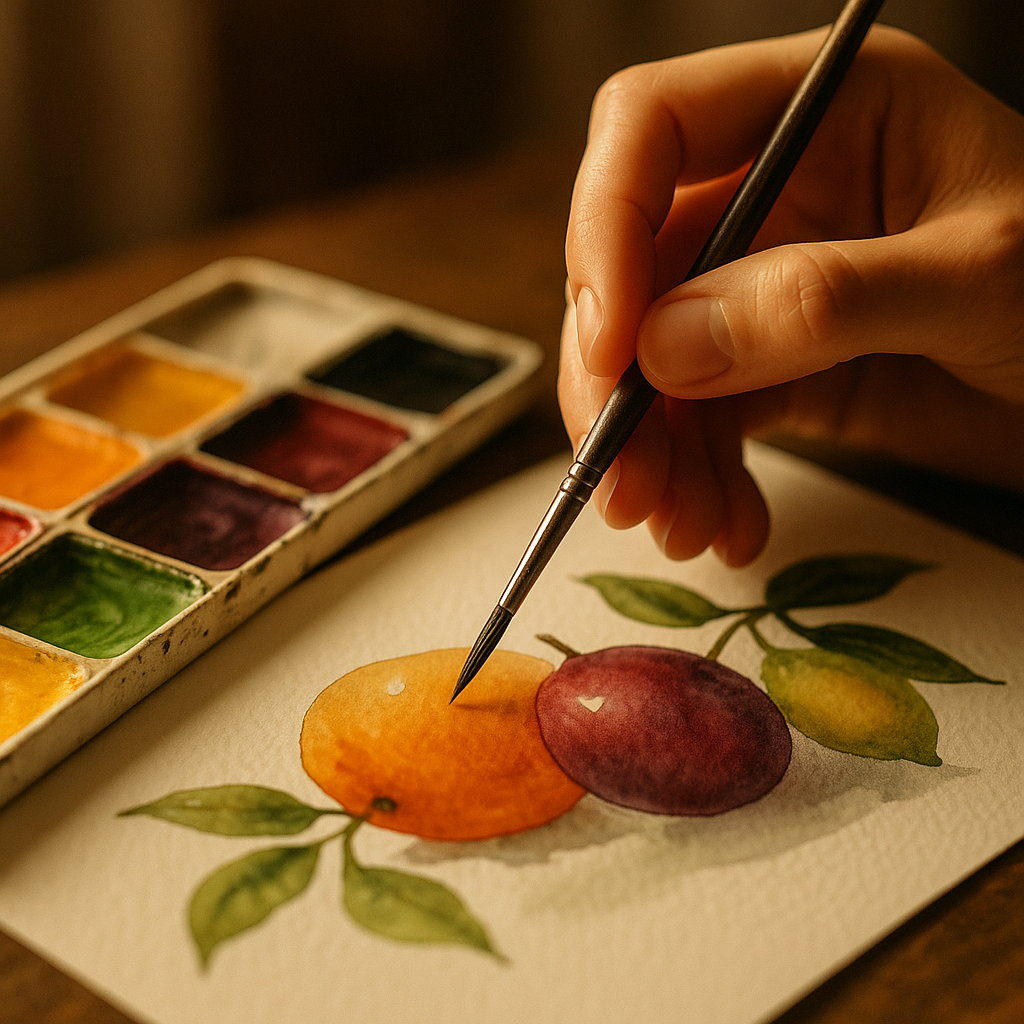
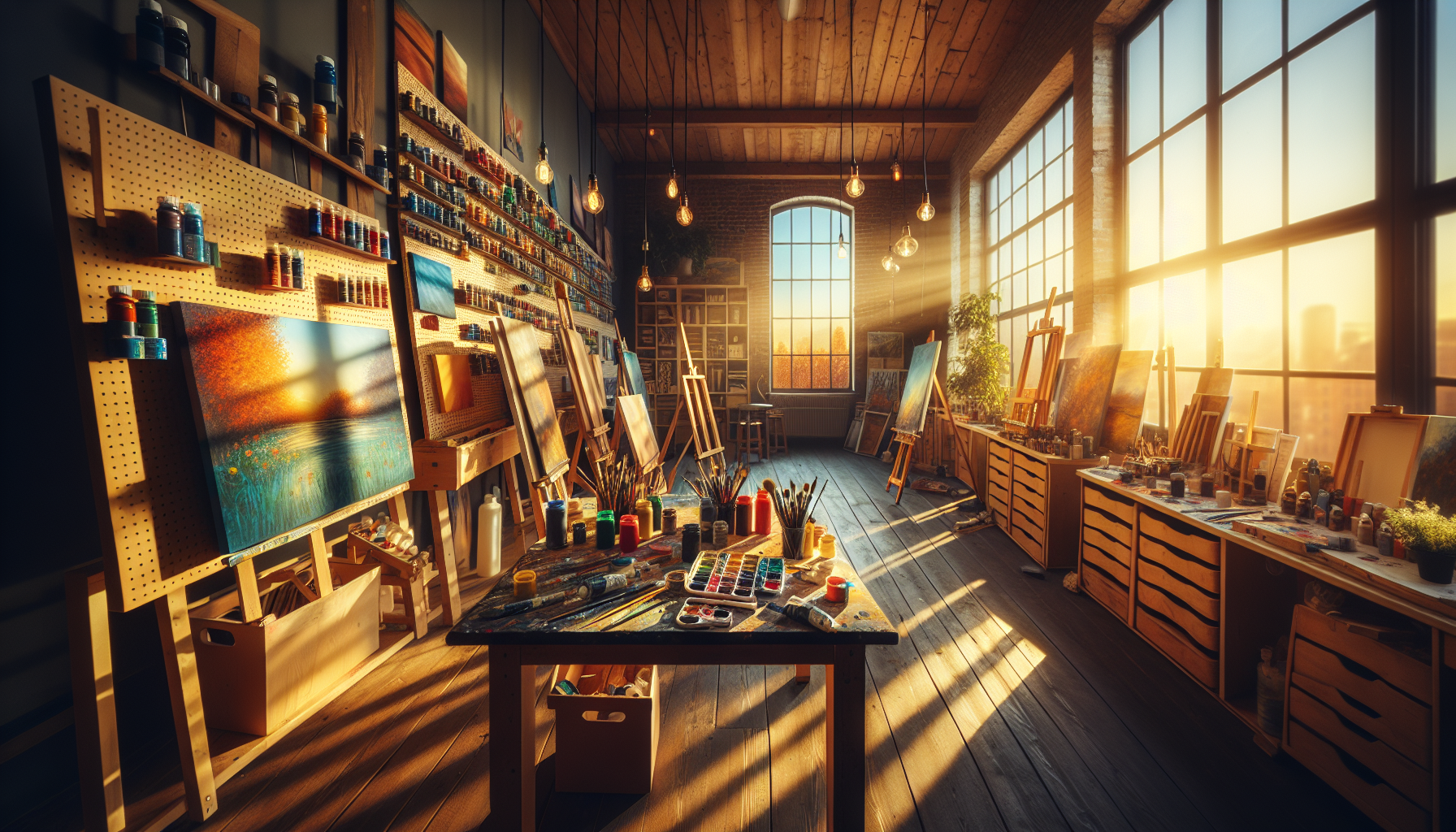
    Laptop open to a vibrant art portfolio website on a creative artist's desk
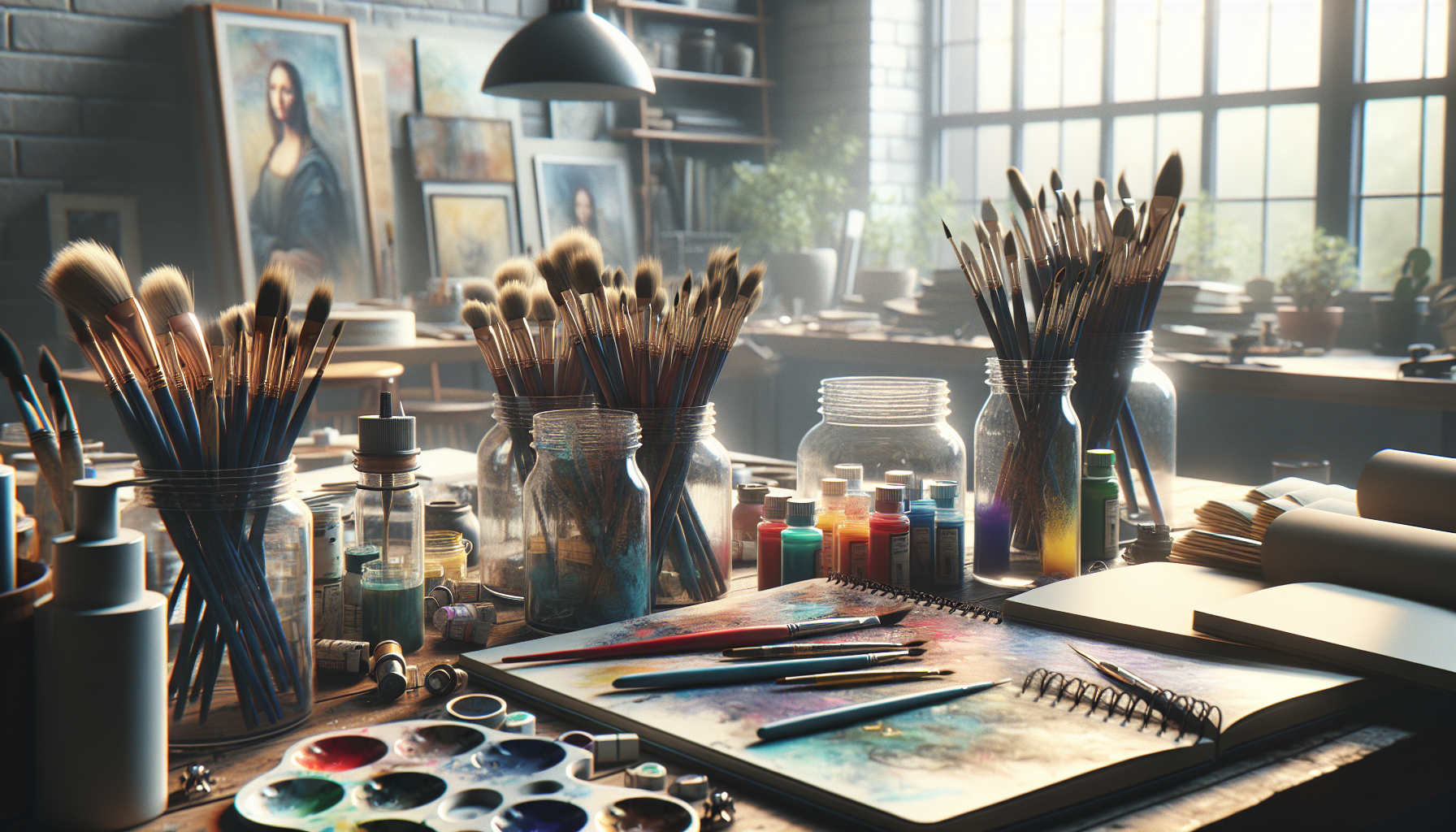
    Young illustrator organising prints next to a tablet displaying his art portfolio website

    Art portfolio website FAQs

    What platform is best for building an art portfolio website?

    There are several excellent options depending on your needs and technical comfort. Squarespace and Format are popular with visual artists because they offer beautiful, image-led templates with minimal fuss. WordPress gives you more flexibility and control if you want to customise deeply. Wix is another beginner-friendly choice. The best platform is whichever one you’ll actually keep updated and enjoy using.

    How many pieces should I include in my art portfolio website?

    Quality always wins over quantity. A tightly curated selection of 15 to 25 of your very best pieces tends to make a stronger impression than a gallery of 100 mixed-quality works. Group pieces thematically or by series to show range and depth, and only include work you’re genuinely proud of – your portfolio represents the standard of work you want to attract.

    Do I need a custom domain for my art portfolio website?

    Yes – a custom domain like yourname.co.uk looks far more professional than a platform subdomain and is well worth the small annual cost. Your name or a memorable creative brand name works brilliantly as a domain. It makes you easier to find, easier to remember, and signals that you take your creative practice seriously.

  • How To Host A Colourful Fruit-Themed Paint And Sip Evening

    How To Host A Colourful Fruit-Themed Paint And Sip Evening

    If you love bright colours, juicy flavours and giggly creativity, a fruit themed paint and sip evening is the perfect way to spend a night with friends. With a little planning, you can turn your dining table into a mini art studio that feels like a tropical holiday.

    Planning your fruit themed paint and sip evening

    Start by choosing a simple theme so everyone paints something similar, but with their own twist. For a first fruit themed paint and sip evening, pick one of these beginner friendly ideas:

    • Happy citrus slices in a circle, like a rainbow of oranges, lemons and limes
    • A bowl of strawberries with cute seeds and soft pink shadows
    • Three bananas in a row with bold graphic outlines
    • Watermelon wedges with big black seeds and a patterned background

    Send your guests a cheerful invite with the date, start time and dress code. Suggest comfy clothes that can handle a splash of paint, or even a fruity colour theme like “wear something yellow, red or green”.

    Art supply shopping list for beginners

    You do not need fancy materials to host a bright and joyful evening. Here is a simple shopping list that works for almost any fruity project:

    • Stretched canvases, around A4 or 30 x 40 cm
    • Acrylic paints in primary colours, plus white and black
    • Extra colours: lime green, magenta, lemon yellow, peach and turquoise
    • Brushes: one flat brush, one medium round brush and one small detail brush per person
    • Paper plates or reusable palettes for mixing colours
    • Water pots or old jam jars
    • Roll of kitchen paper or soft cloths
    • HB pencils and rubbers for sketching fruit shapes
    • Masking tape to hold canvases steady on the table
    • Table covering: a plastic cloth, old sheet or brown paper roll

    If you want to add a little sparkle, include a small bottle of metallic gold or glitter paint so guests can highlight seeds, stems or edges at the end.

    Fruity drinks and nibbles to match the art

    The “sip” part should feel just as fun as the painting. Offer a mix of alcoholic and alcohol free options so everyone can join in:

    • Sparkling citrus spritz with orange and grapefruit slices
    • Strawberry and mint mocktail with soda water
    • Pineapple and coconut punch in a big jug
    • Lemon and lime infused water with plenty of ice

    Serve easy finger food that will not leave greasy marks on canvases. Think fruit skewers, small bowls of berries, mini cheese cubes and crackers. Keep snacks at a separate side table so paint and food do not bump into each other.

    Simple table setups to minimise mess

    A tidy setup makes the whole evening feel relaxed. Follow these steps to keep paint under control:

    1. Cover the whole table with a wipe clean cloth or paper.
    2. Give each guest a “station”: canvas, palette, brushes, water pot and a small square of kitchen roll.
    3. Place the paints in the middle so everyone can reach them without stretching over wet canvases.
    4. Keep a spare cloth and bin bag nearby for quick clean ups.
    5. Ask guests to keep drinks on a side surface or on coasters away from elbows.

    If you are worried about splashes, offer a few aprons or even fun fruit patterned tea towels tied with ribbon as makeshift cover ups.

    Running the painting part with gentle guidance

    You do not need to be a professional artist to guide your friends. Break the painting into simple stages and move through them together:

    1. Sketch: Lightly draw big shapes of the fruit and any background areas.
    2. Background: Paint the background first with a flat brush and let it dry a little.
    3. Base colours: Block in the main fruit colours, like red for strawberries or yellow for lemons.
    4. Shadows and highlights: Add darker shades on one side and lighter tints on the other.
    5. Details: Finish with seeds, stems, patterns and any metallic touches.

    Play upbeat music, pause between stages for fresh drinks and remind everyone that wobbly lines and splashes are part of the charm. At the end, line up all the paintings for a mini fruit gallery and take a group photo.

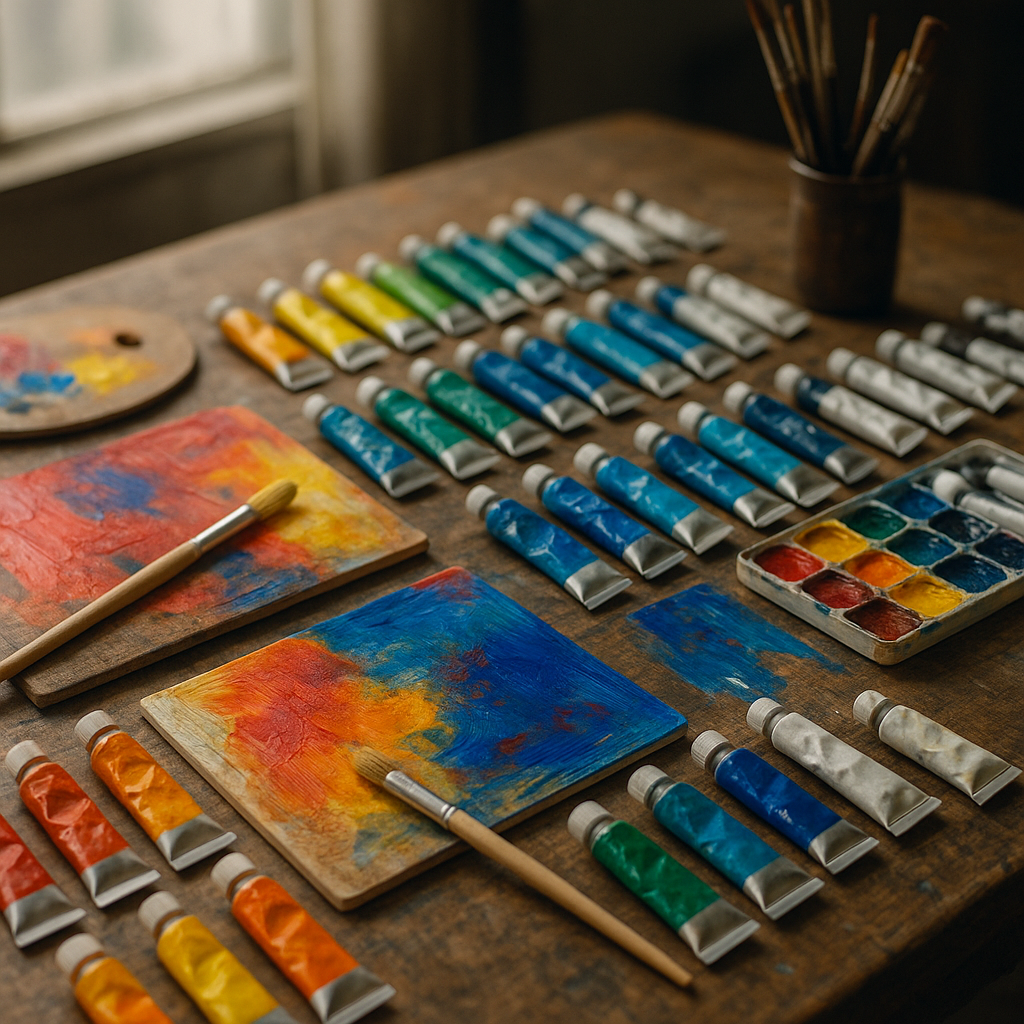
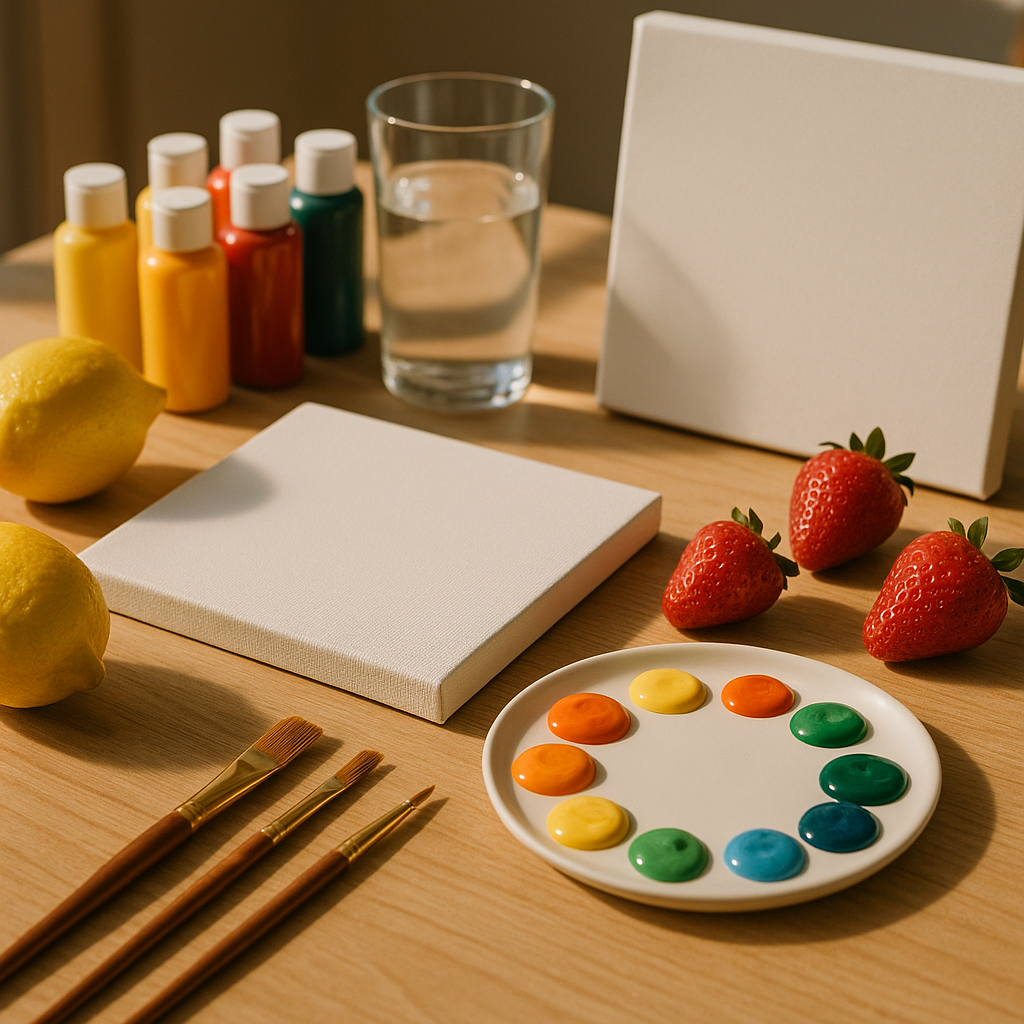
    Art supplies and fresh fruit laid out for a fruit themed paint and sip evening on a colourful table
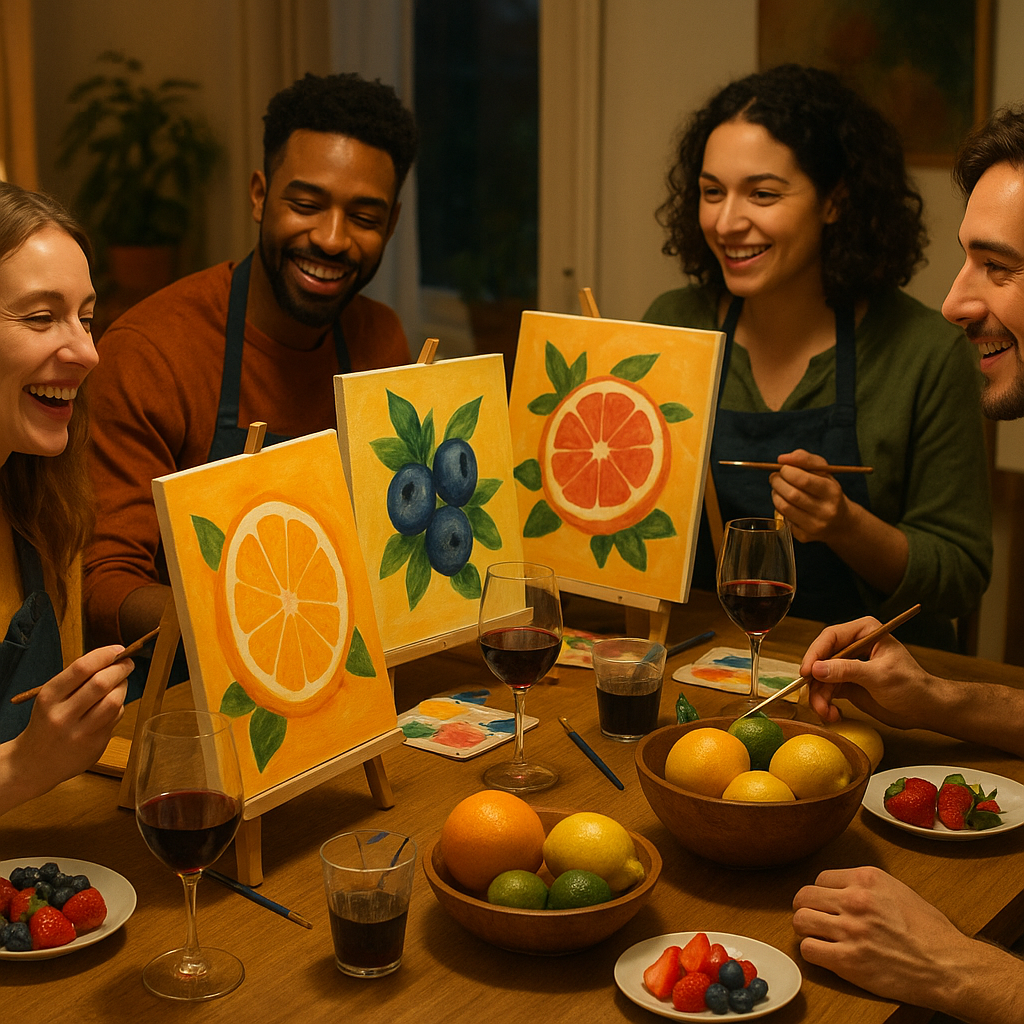
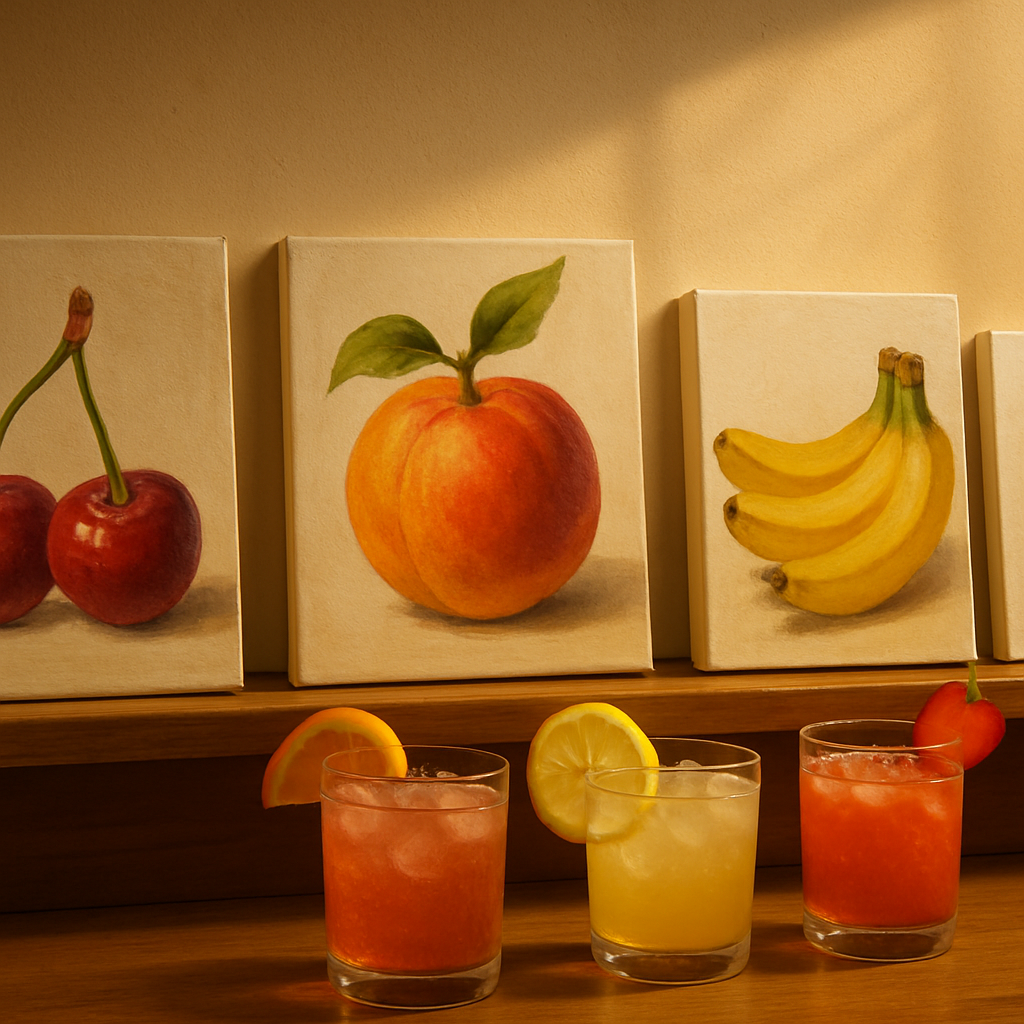
    Bright canvases from a fruit themed paint and sip evening displayed beside colourful fruity drinks

    Fruit themed paint and sip evening FAQs

    How many people should I invite to a fruit themed paint and sip evening?

    Four to eight guests is usually perfect. It keeps the table manageable, gives everyone enough space to paint comfortably and still feels lively and social. If you invite more people, consider using two tables or splitting the group into two sessions so you can give each person enough attention and materials.

    Do guests need any painting experience to enjoy a fruit themed paint and sip evening?

    No experience is needed at all. Fruit shapes are naturally simple and forgiving, and you can guide everyone step by step through sketching, base colours and details. Focus on bold colour, playful patterns and personal style rather than perfect realism, and remind guests that the goal is fun, not perfection.

    How can I dry the paintings quickly after a fruit themed paint and sip evening?

    Acrylic paint dries fairly fast, especially in thin layers. Near the end of the evening, encourage guests to add only small finishing touches so the canvases can dry on a side surface while you chat and tidy. If you have a fan, place it on a low setting pointing away from drinks and snacks to help speed up drying without blowing anything over.

  • From Timber To Treasure: Playful Wood Art Ideas For Your Home

    From Timber To Treasure: Playful Wood Art Ideas For Your Home

    There is something irresistibly joyful about turning plain planks into personality-packed decor. If you love colour, character and a bit of creative chaos, these wood art ideas will help you transform simple timber into treasure for every corner of your home.

    Why wood art ideas feel so warm and welcoming

    Wood has a natural warmth that pairs perfectly with bright, fruity colour palettes. Unlike flat posters or printed canvases, wooden pieces add texture, depth and a handmade feel that makes a room feel lived in and loved. Even the tiniest knot or grain pattern becomes part of the artwork.

    Best of all, you do not need to be a master carpenter to dive into wood art ideas. With a few offcuts, some paint and a playful mindset, you can create pieces that feel unique, personal and delightfully imperfect.

    Colour-drenched wooden wall art

    If your walls feel a bit beige and boring, wooden wall art is a brilliant way to add a splash of colour. Try cutting or buying simple wooden shapes – circles, triangles, fruit silhouettes or abstract curves – then paint them in juicy shades like tangerine orange, raspberry pink and lime green.

    Arrange the shapes into a loose grid or a flowing wave across the wall. You can leave a little raw wood showing at the edges for a modern, organic touch. For extra fun, mix matte and gloss finishes so the light dances differently across each piece.

    For renters, stick the shapes up with removable strips so you can rearrange your gallery whenever the mood takes you.

    Playful painted furniture as functional art

    Furniture is simply large, useful sculpture, so treat it like a canvas. Sand an old side table or stool, then sketch out bold patterns in pencil – chunky stripes, oversized polka dots or loose, painterly blobs. Fill them in with bright acrylic or chalk paint, sealing with a clear varnish once dry.

    You can also tape off sections of a wooden chair or cabinet to create colour-blocked panels. Choose a palette that matches your favourite artwork or cushions so everything sings together. Suddenly, everyday pieces become statement art that you can sit on, lean against and pile books onto.

    Layered relief pieces with scrap wood

    Relief art is a fantastic way to use up scrap wood. Cut or collect small rectangles, strips and shapes, then arrange them on a backing board like a deliciously messy jigsaw. Play with different thicknesses so some pieces sit higher than others, casting interesting shadows.

    Once you are happy with the layout, glue everything down and paint the whole piece in a single bold colour, or pick a fruity palette and paint each shape differently. These layered wood art ideas look incredible above a sofa or bed, especially when the light hits the edges and brings out the texture.

    Textured wood art and simple tools

    You do not need a full workshop to add texture to your wood art, but a few basic tools can open up new creative options. Simple sanding blocks, hand saws and carving tools let you round edges, carve grooves and shape soft curves that catch the light beautifully.

    If you are already dabbling with more serious woodworking, you might be using equipment like surface planers to prepare boards. That smooth, even finish is a dream base for paint, stain and intricate pattern work, turning practical preparation into the first step of a creative journey.

    Bringing nature indoors with wooden sculptures

    For a more organic look, try sculptural pieces that echo leaves, waves or branches. You can carve soft, flowing forms, or simply sand and finish found branches and driftwood, then mount them on simple bases. Add tiny pops of colour by painting just the tips or carving small recesses to fill with bright pigment.

    Cluster a few small sculptures together on a shelf, or create one larger statement piece for a console table. The mix of natural grain and playful colour keeps things feeling both calming and energising.

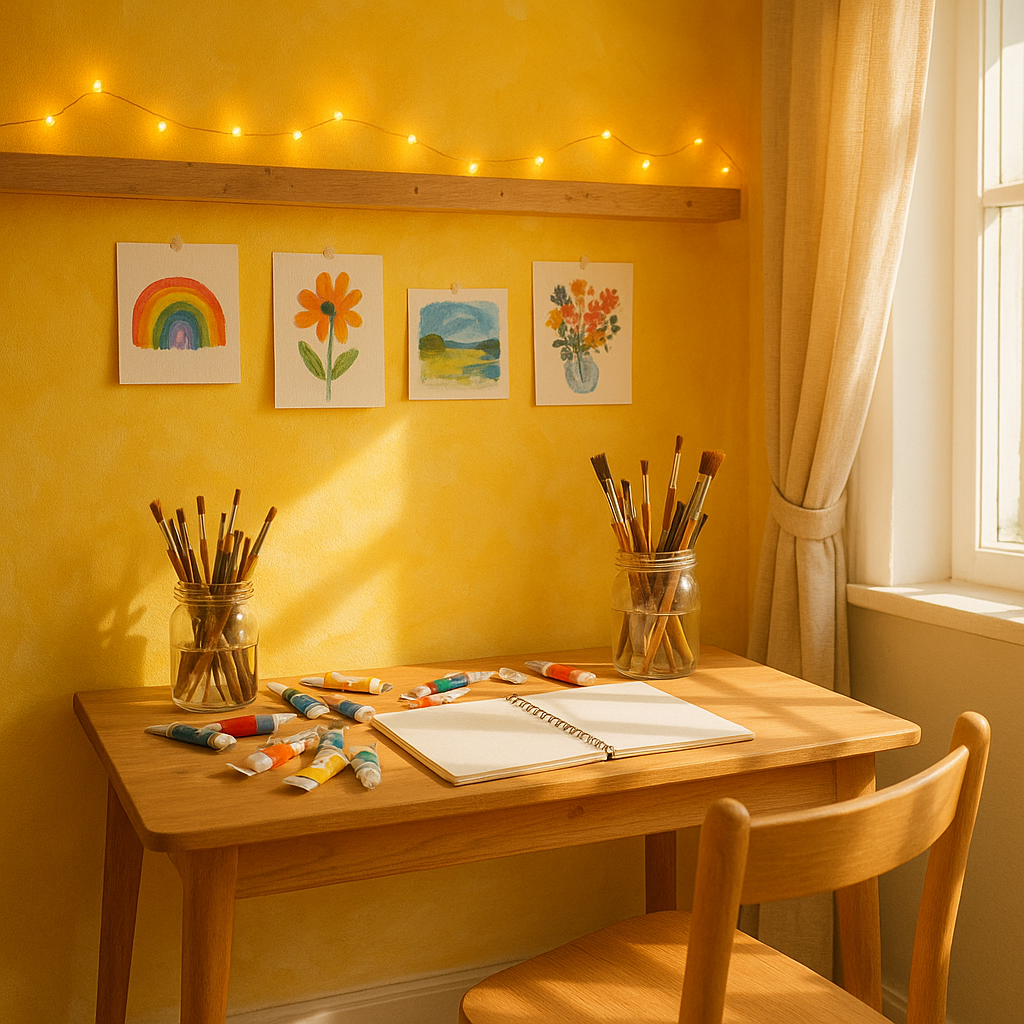
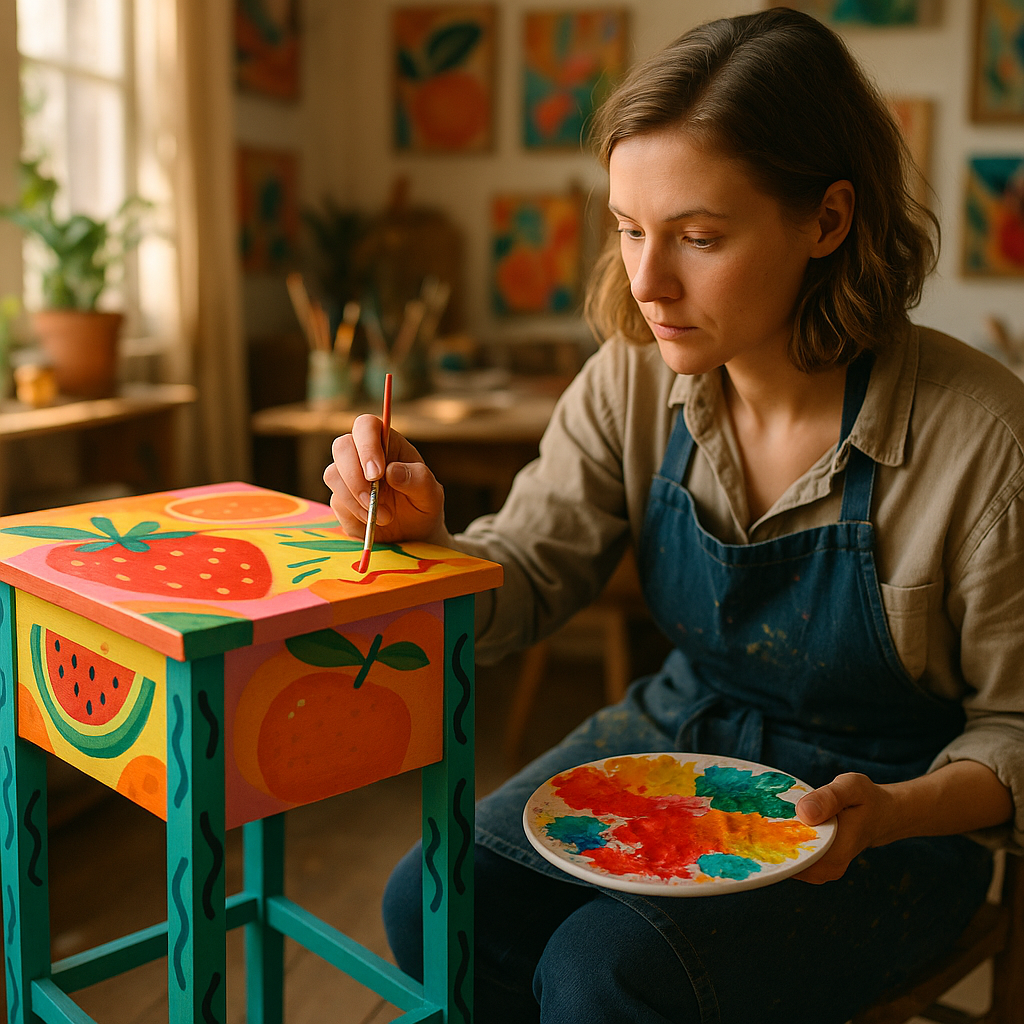
    Artist painting a wooden side table in bright colours as part of playful wood art ideas
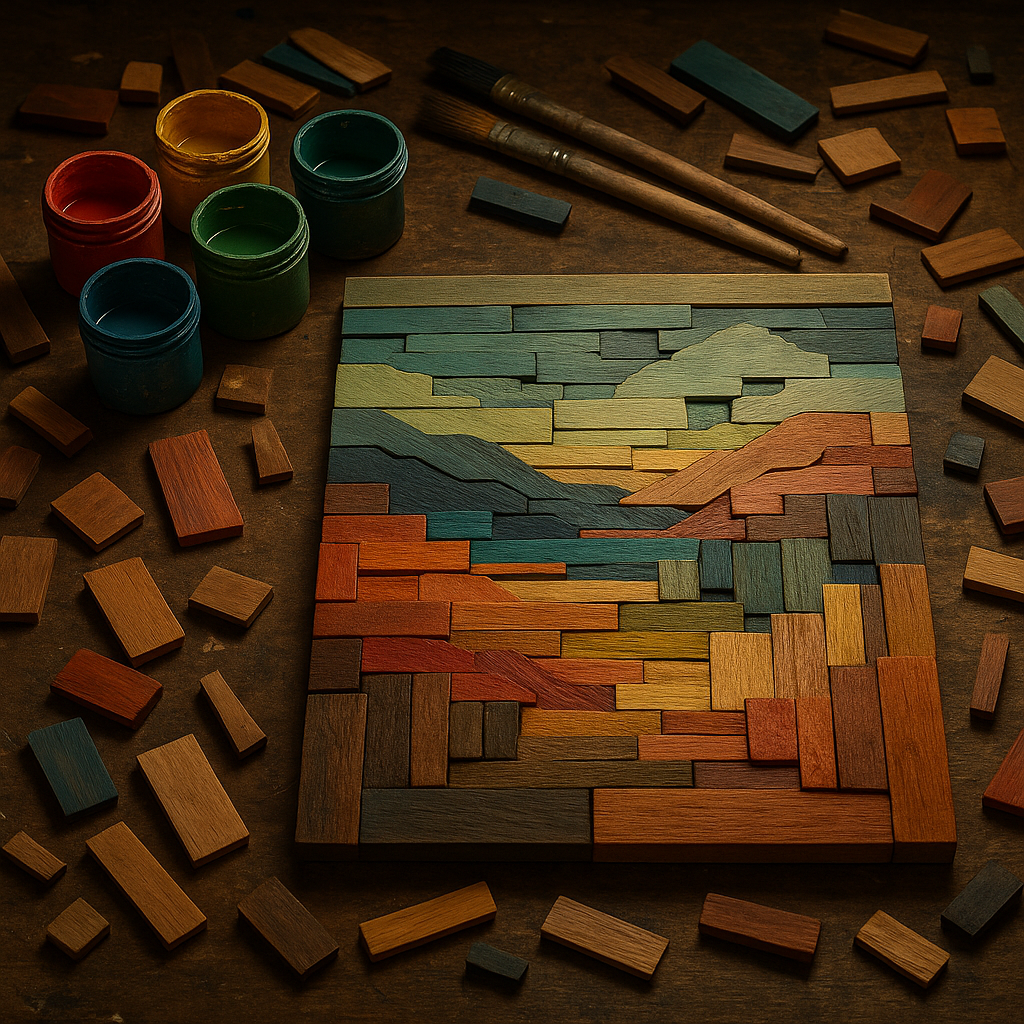
    Workbench with layered scrap wood relief artwork being painted as one of several wood art ideas

    Wood art ideas FAQs

    Do I need advanced woodworking skills to try these wood art ideas?

    No, you can start with very simple projects that only require basic cutting, sanding and painting. Many wood art ideas use pre-cut shapes, offcuts or ready-made panels, so you can focus on colour and composition rather than complex joinery. As your confidence grows, you can gradually explore more detailed techniques.

    What kind of paint works best for colourful wood art at home?

    Acrylic paint is a great choice because it is easy to use, quick drying and available in a huge range of bright colours. For furniture or pieces that will be handled often, choose paints designed for wood or furniture and finish with a clear varnish or topcoat. Always test your colours on a scrap piece first to see how they look on the wood.

    How can I protect my wood art ideas from fading or damage?

    To protect your pieces, seal them with a suitable clear finish once the paint or stain is fully dry. Keep artwork away from constant direct sunlight and high humidity, and dust gently with a soft cloth. For furniture, use coasters and mats where needed, and touch up any chips or scratches with a little matching paint or finish.

  • How To Start A Kids’ Lego Art Club In Your Community

    How To Start A Kids’ Lego Art Club In Your Community

    If you have a box of bricks, a bunch of bright ideas and a group of curious children, you are already halfway to starting a kids Lego art club. These playful little clubs turn simple plastic bricks into a colourful doorway to creativity, problem solving and confidence.

    Why start a kids Lego art club?

    A kids Lego art club is more than a chance to build towers. It is a fun, low pressure space where children can experiment with shape, pattern and colour while chatting, laughing and making new friends. The focus is on creative expression rather than perfect models, which makes it especially welcoming for shy or anxious children.

    Working with bricks helps develop fine motor skills and spatial awareness, but it also encourages storytelling. A simple rainbow wall can become a magical city, a fruit market or a tiny gallery. Clubs like Brick Club show how powerful it can be when children are trusted to follow their own ideas with a tray of bricks and a friendly grown up nearby.

    Planning your kids Lego art club

    Before you dive into your first meeting, sketch out the basics of your kids Lego art club. Decide on the age range you want to welcome, how many children you can safely supervise, and how often you would like to meet. Weekly sessions keep momentum going, but a fortnightly club can be easier to manage if you are just starting out.

    Next, think about your space. A community hall, school classroom, library corner or even a bright church hall can all work well. You will want sturdy tables, easy to clean floors and plenty of light so the colours really pop. Check that you have access to storage for bricks between sessions and that the venue is happy with small parts being used.

    Gathering colourful supplies

    You do not need the fanciest sets to start a kids Lego art club. In fact, a big mixed tub of basic bricks is often best for imaginative building. Aim for a rainbow selection of colours, a mixture of plate sizes and a few fun extras like windows, doors and transparent pieces.

    Flat baseplates are helpful for group murals, while shallow trays or baking tins stop pieces rolling away. Add a few clipboards and pencils so children can sketch their ideas before building. If you want to lean into the fruity spirit, you can even sort bricks into colour coded bowls labelled strawberry red, lemon yellow and blueberry blue.

    Creative project ideas for your club

    The most magical part of a kids Lego art club is the projects. Mix open ended challenges with gentle prompts so everyone finds a way in. You might try:

    • Colour challenges – build something using only three colours, or create a gradient from dark to light.
    • Mini mosaics – give each child a small baseplate and invite them to design a pixel picture of their favourite fruit, animal or character.
    • Collaborative murals – push several baseplates together and ask the group to create one giant landscape, city or underwater scene.
    • Story builds – read a short poem or picture book, then let the children build their favourite moment.

    Keep prompts playful and flexible. Children often come up with ideas far more inventive than anything adults plan, so leave space for free build time every session.

    Keeping sessions fun and inclusive

    A welcoming atmosphere is the secret ingredient in any these solutions. Start each meet up with a quick show and tell from last time, then introduce the day’s prompt in a cheerful, simple way. Move around the tables, ask questions about each build and celebrate effort rather than neatness.

    To support different abilities, offer a mix of tasks: tiny builds for those who tire easily, and bigger projects for children who like a challenge. Pair up confident builders with those who are newer, and make it clear that copying is a compliment, not cheating. Background music at a gentle volume can help nervous children relax and focus.

    Table full of rainbow bricks and tiny mosaics being made at a kids Lego art club
    Group of children showing a collaborative Lego mural from their kids Lego art club

    Kids Lego art club FAQs

    What age is best for a kids Lego art club?

    Most clubs work well with children aged 6 to 12, as they can safely handle small pieces and follow simple guidelines while still enjoying playful, imaginative builds. You can run separate sessions for younger and older groups if you have enough helpers and space.

    Do I need lots of expensive sets to start a kids Lego art club?

    No, you can begin with a basic collection of mixed bricks, a few baseplates and some shallow trays. Children are incredibly inventive with even the simplest pieces, and open ended bricks often encourage more creativity than themed sets.

    How long should each kids Lego art club session last?

    Sessions of 60 to 90 minutes usually work well. This gives time for a short welcome, a creative prompt, plenty of building and a relaxed show and tell at the end, without children becoming too tired or overwhelmed.

  • Salt Art: Painting, Printing and Crafting With Kitchen Crystals

    Salt Art: Painting, Printing and Crafting With Kitchen Crystals

    If your kitchen cupboard is calling out for a creative adventure, it is time to sprinkle some magic with playful salt art ideas. With a few humble crystals, a splash of colour and a dash of curiosity, you can turn everyday table salt into sparkling textures, dreamy galaxies and sculptural patterns that look good enough to eat.

    Why salt art ideas are so satisfyingly fun

    Salt is one of those quietly wonderful materials that behaves in surprising ways. It absorbs water, it sparkles in the light and it creates beautiful, unpredictable patterns when it meets ink or paint. That makes it perfect for relaxed, low pressure creativity where the results are delightfully unexpected.

    Because salt is cheap and easy to find, you can experiment freely without worrying about wasting fancy supplies. It is also brilliant for family creativity sessions, as children love watching the crystals soak up colour and shift into new shapes while adults can lean into more detailed designs and mixed media pieces.

    Simple salt art ideas for beginners

    If you are just starting out, keep it simple and playful. Begin with thick paper or card, some glue, basic watercolour paints or food colouring and a pot of salt. Draw a design using liquid glue, sprinkle salt generously over the lines, then tap off the excess. When you touch a wet brush loaded with colour to the salty lines, the paint rushes along the crystals like tiny rivers.

    Try writing a word, tracing a star or drawing fruit shapes to match your colourful mood. Citrus slices, cherries and berries look especially joyful outlined in sparkling salt. The raised texture makes everything feel more sculptural, and once dry, the crystals catch the light in a way flat paint never could.

    Turning your table into a mini salt studio

    Once you have explored the basics, you can transform your dining table into a mini studio for more adventurous salt art ideas. Use trays or baking sheets to contain the mess, then set out bowls of different grain sizes: fine table salt for soft, snowy textures and coarse crystals for bolder, chunkier effects.

    Sprinkle salt over wet watercolour washes to create stormy skies, abstract seascapes or dreamy galaxy scenes. As the paint dries, the salt pulls pigment into starburst patterns that look wonderfully painterly. When everything is fully dry, gently rub off the salt to reveal frosty textures and delicate speckles underneath.

    Crafting colourful salt for sensory art

    You can also tint salt itself and use it like glitter. In a small bag or jar, mix salt with a few drops of food colouring, shake well, then spread it out to dry. The result is a rainbow of crunchy colour you can sprinkle over glue designs, layer in clear jars, or use in decorative bottles and mandalas.

    This approach is especially lovely for sensory art trays. Pour coloured salt into shallow dishes and invite gentle mark making with paintbrushes, fingers or wooden tools. Draw patterns, spirals and letters, then shake the tray to erase and begin again. It is calming, tactile and beautifully visual.

    Salt, nature and eco friendly creativity

    For a nature inspired twist, combine salt with leaves, petals and twigs. Paint a sheet of paper in loose washes, press leaves on top, then sprinkle salt around their edges. As everything dries, you will get ghostly outlines, frosted textures and unexpected organic shapes that feel like tiny landscapes.

    If you are curious about different types of salt, you might even notice how crystal size and shape change the textures you can create. Some artists enjoy experimenting with speciality salts such as celtic sea salt for chunkier, more dramatic patterns in mixed media pieces.

    Finishing, displaying and gifting your salt art

    Once dry, handle salt art gently, as loose crystals can flake away. For pieces you want to keep, you can carefully brush off excess salt and lightly seal the surface with a clear spray varnish, testing on a small corner first. Framing behind glass is another way to protect your sparkly creations.

    Close up of textured fruit painting created using salt art ideas on thick paper
    Finished galaxy and nature themed pieces made from salt art ideas displayed on a table

    Salt art ideas FAQs

    Can I use any type of salt for salt art ideas?

    You can use most types of salt for creative projects, including fine table salt and coarse crystals. Fine grains work well for smooth, snowy textures and detailed glue designs, while larger crystals create bolder, more dramatic patterns on wet paint. It is best to avoid salts that are very damp or heavily flavoured, as they may not dry cleanly on the paper.

    Are salt art ideas suitable for young children?

    Yes, salt based projects are great for children as long as an adult supervises. Kids enjoy watching the crystals absorb colour and change the look of the paint. Use non toxic paints or food colouring, keep the work area covered and remind little ones that the materials are for art, not for eating. Simple glue and sprinkle designs are usually the easiest starting point.

    How do I stop my salt art from flaking off?

    Let your artwork dry completely before moving it, and use sturdy paper or card that can handle the moisture. Once dry, gently brush away any loose salt, then consider sealing the surface with a light mist of clear spray varnish, testing first on a corner or spare piece. Framing behind glass also helps protect delicate textures from bumps and dust over time.

  • Renter Friendly Colourful Wall Art Ideas For Happy Homes

    Renter Friendly Colourful Wall Art Ideas For Happy Homes

    If your walls are feeling a bit beige and blah, renter friendly colourful wall art is your new best friend. You can fill your space with juicy colour and personality, all without upsetting your landlord or losing your deposit.

    Why renter friendly colourful wall art is a game changer

    Blank walls can make a home feel temporary, especially in small rented flats. Adding colour helps you feel rooted and relaxed, but nails, paint and drill holes are often off limits. Renter friendly colourful wall art lets you:

    • Express your style without permanent changes
    • Lift your mood with bright, fruity colour palettes
    • Keep move out day simple and stress free
    • Take your favourite pieces with you to the next place

    Think of your walls as a giant sketchbook that you can decorate, edit and erase whenever you like.

    Planning your fruity colour palette

    Before you start sticking and hanging, choose a playful palette that will tie your projects together. A few easy, fruit inspired ideas:

    • Citrus zing – lemon yellow, tangerine orange, lime green and a splash of white. Perfect for kitchens and workspaces.
    • Berry mix – raspberry pink, blueberry navy, blackberry purple and soft blush. Cosy and rich for bedrooms or snug corners.
    • Tropical smoothie – mango orange, papaya coral, pineapple yellow and teal. Ideal if you love a holiday vibe all year.
    • Fresh orchard – apple green, soft peach, pear mint and warm cream. Gentle but still full of life.

    Pick three main colours and one calm neutral so your renter friendly colourful wall art feels fun, not frantic. Repeat those shades in each project to create a cheerful, cohesive look.

    Washi tape murals that peel off cleanly

    Washi tape is like drawing on your walls with colourful paper strips that peel off without damage. It is brilliant for renters because it is low tack and lightweight.

    Try these ideas:

    • Geometric fruit slices – use curved and straight lines to create lemon wedges, watermelon slices or abstract citrus shapes above your sofa.
    • Rainbow frame wall – outline existing pictures or mirrors with bright tape borders that echo your chosen palette.
    • Playful headboard – create a taped arch or scalloped shape behind your bed in berry tones instead of a real headboard.

    Always test a small patch first, especially on older paint. When you are ready for a change, peel slowly at a low angle.

    Removable decals for instant impact

    Removable decals are stickers designed for walls that peel off without residue. They are perfect when you want your renter friendly colourful wall art to make a bold statement with minimal effort.

    Fun ways to use them:

    • Fruity feature wall – scatter oversized oranges, strawberries or abstract blobs in citrus colours across one wall.
    • Colourful constellations – mix circles, stars and dots in your palette to form your own playful galaxy above a desk.
    • Border magic – create a decal “skirting” of tiny fruit shapes running around the room at picture rail height.

    Look for decals labelled removable and reusable, and keep the backing paper so you can move them to your next home.

    Cosy fabric wall hangings without nails

    Fabric brings softness and texture to small spaces, soaking up echo and adding colour in one go. You can hang lightweight textiles without nails using removable hooks, curtain wire or tension rods.

    Ideas to try:

    • Hand painted fruit banner – paint simple oranges, pears or cherries on a canvas drop cloth, hem the top and slide it onto a dowel.
    • Patchwork picnic – sew or glue together squares of colourful fabric that match your palette, then hang as a big, cheerful tapestry.
    • Dyed dip panels – dye the bottom of plain cotton sheets in ombre berry or citrus tones and hang them as soft wall panels.

    Use adhesive hooks rated for the fabric weight and stick to smooth, clean walls so they come off easily later.

    Modular canvas sets you can rearrange

    Modular canvas sets are groups of smaller canvases that work together as one artwork. They are ideal for renter friendly colourful wall art because you can hang them with removable strips and rearrange them whenever you fancy a refresh.

    Creative options include:

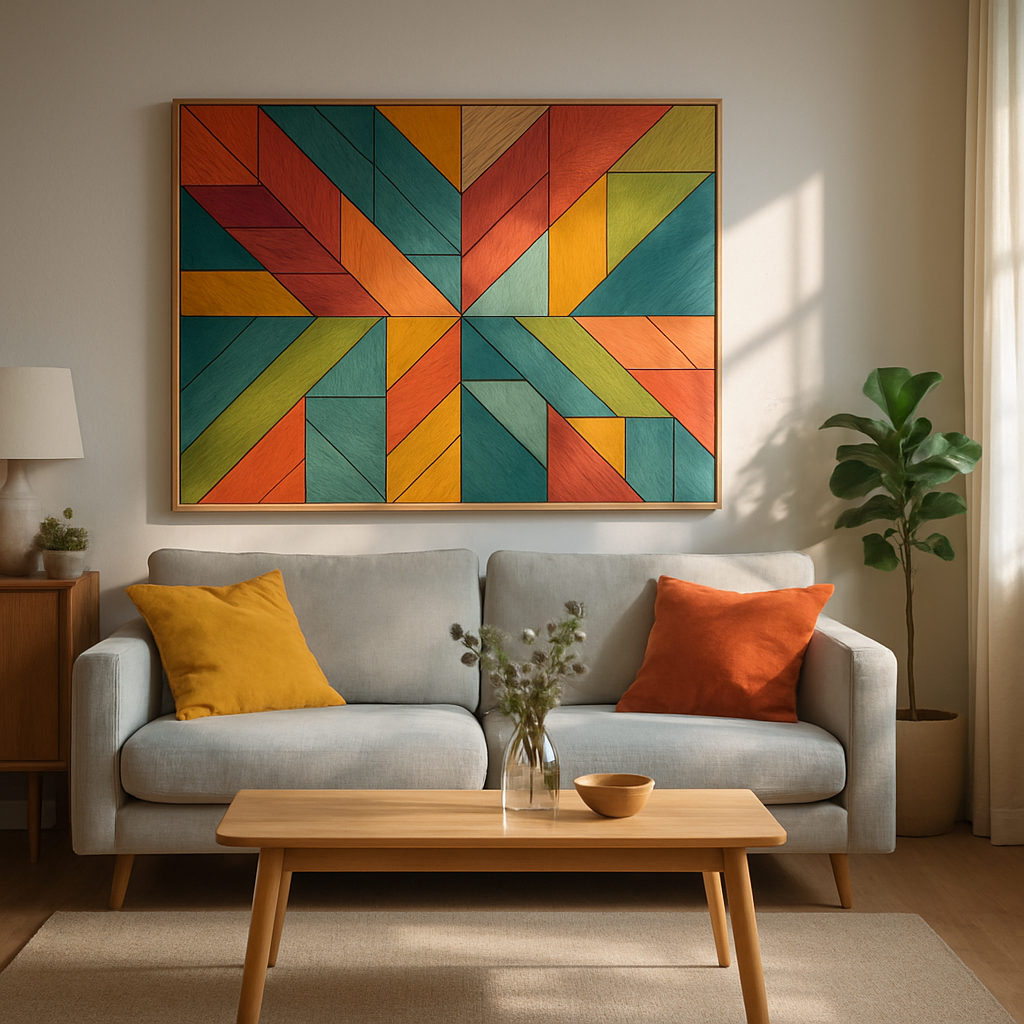
    Cosy bedroom showing renter friendly colourful wall art with fabric hangings and fruity decals
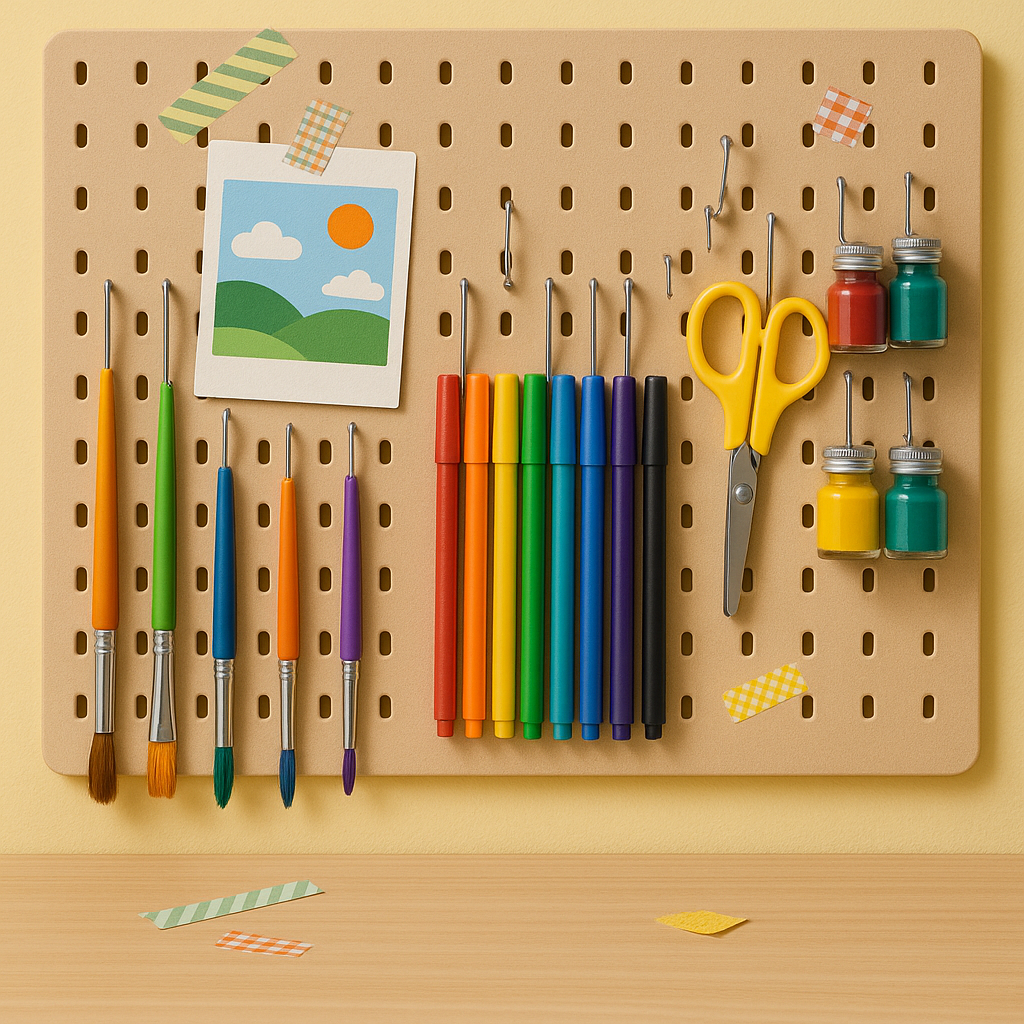
    Artist planning renter friendly colourful wall art with modular canvases and washi tape samples

    Renter friendly colourful wall art FAQs

    Will renter friendly colourful wall art damage my walls?

    If you choose low tack materials like washi tape, removable decals and adhesive hooks designed for painted walls, your renter friendly colourful wall art should come off cleanly. Always test a small hidden patch first and remove slowly at a low angle when you move out or fancy a change.

    How can I pick colours for renter friendly colourful wall art in a small flat?

    Start by choosing three main colours you love plus one neutral, then repeat them across your renter friendly colourful wall art projects. Fruit inspired palettes like citrus, berry or tropical shades work well because they are bright but easy to coordinate, and they instantly lift the mood in compact rooms.

    What is the easiest renter friendly colourful wall art project for beginners?

    Washi tape murals and modular canvas sets are both very beginner friendly. With washi tape you can sketch simple shapes directly on the wall and peel them off if you change your mind, while modular canvases let you paint on a table and then hang the finished pieces using removable strips.

  • From Renting To Owning: A Colourful Guide To Saving For Your First Home

    From Renting To Owning: A Colourful Guide To Saving For Your First Home

    Saving for your first home can feel a bit like starting a giant canvas: exciting, intimidating, and very, very blank. The good news is that, just like art, you do not have to create the masterpiece in one go. With some colour, creativity and a few smart habits, you can turn that big dream into something real and wonderfully achievable.

    Painting the big picture: what are you really saving for?

    Before you dive into spreadsheets and savings apps, get playful with your vision. Where will this home be? What does the front door look like? Who is in the kitchen with you on a Sunday morning? The clearer your picture, the easier saving for your first home becomes, because you are not just chasing numbers – you are working towards a life you can almost taste.

    Grab a sketchbook or a big sheet of paper and create a home vision collage. Draw, doodle or stick in images of rooms you love, colours that make you feel cosy, and neighbourhood vibes that light you up. Keep this somewhere visible so every saving decision is connected to something joyful.

    Know your numbers (without killing the fun)

    Even the most expressive artwork needs a frame, and your budget is that frame. Start by working out three simple numbers:

    • How much you could realistically put aside each month
    • Roughly how much properties cost in your chosen area
    • The percentage deposit you are aiming for

    You do not need to become a finance whizz. Think of it like mixing paints: a bit of research here, a few adjustments there, until the picture starts to make sense. Break your total deposit goal into mini milestones, like “first £1,000” or “first 5% of the target”. Celebrate each one with something small and cheerful, like a home-themed movie night or a new plant for your current place.

    Turning everyday life into a savings game

    Instead of treating saving as punishment, turn it into a creative challenge. Give each month a theme, like “No Takeaway November” or “Second-hand September”, and see how inventive you can be with meals, outfits and entertainment. Keep a colourful tracker on your wall and fill in a square, fruit, star or tiny house for every £50 or £100 you save.

    You can also try the “colour jar” method. Label three jars or envelopes with bright markers: Essentials, Fun, and Future Home. Each pay day, divide your money between them. Watching the Future Home jar grow is surprisingly satisfying, especially when it is decorated with your dream front door or favourite paint swatch.

    Side hustles with a splash of creativity

    If your budget already feels tight, adding a little extra income can speed things up without feeling grim. Lean into your artistic side. Could you sell prints, run a weekend craft workshop, or offer mural painting for nurseries and playrooms? Maybe you are brilliant at styling rooms and could help people refresh their spaces on a budget.

    Keep all side hustle income in a separate, sunshine-bright savings account so you can see your progress clearly. Naming the account something fun like “Future Nest” or “Keys Fund” can give you a tiny burst of motivation every time you check the balance.

    Getting help and guidance along the way

    The journey is much easier when you are not walking it alone. Talk to friends who have bought recently, attend first-time buyer events, and read up on any schemes that might support you. When you are ready to understand what you can realistically borrow and how different options compare, it can be helpful to speak to specialists who deal with mortgages every day.

    Think of these conversations as sketching rough outlines, not signing your final piece. You are simply gathering shapes and ideas so you can make better decisions later.

    Keeping your sparkle while you save

    Long-term goals can feel slow, so it is vital to keep life colourful while you work towards them. Protect a small “joy budget” each month for things that feed your creativity: gallery visits, a new set of paints, a dance class, or fresh flowers for your current space. These little treats stop the process from feeling grey and keep your motivation bright.

    Person making a creative vision board to stay motivated while saving for your first home.
    Colourful savings jars and a progress chart helping someone with saving for your first home.

    Saving for your first home FAQs

    How much should I aim to save for a first home deposit?

    The amount you need for a deposit depends on property prices in your chosen area and the percentage required by your lender. Many first time buyers aim for at least 5 to 10 percent of the property price, but a higher deposit can sometimes give you more options and better rates. Start by researching typical prices where you want to live, then break your target into smaller milestones so it feels manageable.

    How can I stay motivated while saving for your first home takes a long time?

    Staying motivated is easier if you keep your goal visible and joyful. Create a vision board of your dream home, track your progress with colourful charts, and celebrate each milestone with a small treat that does not undo your hard work. It also helps to check in regularly on your progress so you can see how far you have already come, instead of only focusing on how far there is to go.

    What creative ways can I boost my savings without feeling deprived?

    Look for ways to blend fun with frugality. Try themed no-spend weeks, swap nights with friends instead of going out, or host craft sessions where everyone brings materials they already have. You could also start a creative side hustle, such as selling artwork, offering design help, or running workshops. Channelling your talents into extra income can feel rewarding and expressive instead of restrictive.
  • Why Slip Resistant Flooring Is Becoming Essential In Modern Buildings

    Why Slip Resistant Flooring Is Becoming Essential In Modern Buildings

    Slip resistant flooring is no longer a niche choice reserved for industrial kitchens and hospital corridors. It is rapidly becoming a must-have feature in homes, workplaces and public buildings as people pay closer attention to wellbeing, accessibility and long-term usability. From stylish finishes that look like timber or stone to clever coatings that boost grip without feeling rough, the latest products show that practicality and design can work together.

    Several factors are driving this shift. An ageing population, a sharper focus on health and safety, and the growth of hybrid working are all changing how we move through spaces. At the same time, designers and homeowners want interiors that feel calm and contemporary, not clinical. The result is a new generation of floors that quietly reduce the risk of slips while still looking smart and inviting.

    Key trends shaping slip resistant flooring

    One of the biggest trends is the move away from overtly industrial finishes towards more domestic, natural looks. Manufacturers now offer textured surfaces that mimic oak planks, terrazzo, poured concrete and even woven textiles, while still delivering reliable grip underfoot. This makes it far easier to use slip resistant flooring across open-plan schemes, where kitchens, dining areas and living spaces flow into one another.

    Another clear trend is the growth of luxury vinyl tiles and planks with built-in slip resistance. These products combine a resilient, cushioned feel with a protective wear layer that maintains traction, even when wet. They appeal to busy households with pets and children, as well as to landlords and facilities managers who want robust finishes that are simple to maintain and replace.

    In commercial spaces, colour and zoning are playing a larger role. Contrasting tones and subtle patterns help guide people intuitively along routes, highlight steps or ramps, and mark out higher risk areas such as entrances and washrooms. This design-led approach supports inclusivity for visually impaired users while still feeling cohesive and modern.

    Health, wellbeing and accessibility

    There is a growing recognition that flooring choices affect much more than just aesthetics. Slips, trips and falls remain one of the leading causes of injury in homes and workplaces, and they can have serious consequences for older adults or anyone with reduced mobility. Choosing the right floor finish is a simple way to reduce risk without changing how a space is used.

    In domestic settings, bathrooms, utility rooms, kitchens and entrance halls are particular hotspots. Specifying slip resistant flooring in these zones can make everyday routines safer, especially where water, condensation or outdoor dirt are involved. In multi-generational homes, it also supports ageing in place, allowing people to stay in familiar surroundings for longer.

    In public and commercial buildings, inclusive design is increasingly embedded in regulations and best practice guidance. Floors that balance grip with smooth, easy-to-clean surfaces help meet accessibility expectations while also supporting infection control and hygiene standards.

    Balancing style, performance and maintenance

    Modern products have moved beyond the trade-off between safety and appearance. Many slip resistant finishes now offer a soft sheen rather than a harsh, utilitarian look, and they come in a wide range of colours and patterns. This allows designers to coordinate floors with wall finishes, furniture and branding without compromising on safety.

    Maintenance is another important consideration. Textured surfaces can, in older designs, trap dirt and be harder to clean, but newer materials use micro-texturing and advanced coatings that keep the profile low while still delivering effective grip. Regular, appropriate cleaning is essential to maintain slip resistance, as residues from soap, grease or polish can reduce performance over time.

    In high traffic environments, resilient options such as vinyl, rubber and specialist resin systems are popular because they are durable, quiet underfoot and resistant to stains. These can be combined with hygienic wall finishes and coving for a seamless, easy-to-sanitise envelope, particularly in healthcare, food preparation and education settings.

    Contemporary office corridor with neutral slip resistant flooring guiding people safely through the space.
    Minimalist bathroom interior showcasing slip resistant flooring in a wet room style walk-in shower area.

    Slip resistant flooring FAQs

    safety flooring

    Where is slip resistant flooring most important in a home?

    The most critical areas are where water, spills or outdoor dirt are common. Bathrooms, showers, kitchens, utility rooms, porches and entrance halls all benefit from better grip underfoot. If you have steps, a sloping driveway or a balcony, it is also worth considering safer finishes there, especially if anyone in the household has reduced mobility or is at higher risk of falls.

    Can safer floors still look modern and stylish?

    Yes. Many modern products are designed with interiors in mind, offering realistic wood and stone effects, subtle patterns and contemporary colour palettes. Advances in surface technology mean you can achieve good traction without a harsh, industrial texture, so the floor can blend seamlessly with the rest of your decor.

    How do I maintain floors so they stay safe over time?

    Regular, appropriate cleaning is essential. Use the manufactureru2019s recommended products and avoid polishes or sealants that leave a slippery film. Pay particular attention to areas that see grease, soap or food residues, and clean up spills promptly. Periodic deep cleaning may be needed in high traffic spaces to remove ingrained dirt that can affect performance.

  • Commercial Properties Face a New Era of Energy Standards – 2025 Building Standards

    The UK’s upcoming Future Homes and 2025 Building Standards will not only change how homes are built and assessed – it will also reshape expectations across the commercial property sector. For business owners, landlords, and developers, the implications are significant. Energy efficiency will no longer be a nice-to-have; it will be a key commercial requirement tied directly to compliance, operating costs, and asset value.

    2025 Building Standards

    The Growing Role of Commercial EPCs

    A Commercial Energy Performance Certificate (EPC) measures the energy efficiency of a business premises, from offices and warehouses to retail units and industrial sites. With new carbon reduction targets approaching, these certificates will become even more critical.

    Businesses that operate from low-rated premises may face increased running costs, higher carbon levies, or even restrictions on leasing space if performance levels fall below the government’s minimum standard.

    What the 2025 Building Standards Mean for Businesses

    The goal of the new 2025 Building Standards is clear – drastically reduce energy waste and prepare the UK’s building stock for a net-zero future. For commercial buildings, this means:

    • Stricter requirements for insulation and ventilation.
    • A shift toward renewable energy sources such as heat pumps and solar installations.
    • Greater emphasis on accurate, up-to-date EPC assessments.

    Companies that prepare early will not only avoid penalties but can also benefit from improved efficiency, reduced overheads, and a stronger sustainability reputation.

    Why EPC Upgrades Make Commercial Sense

    Upgrading a commercial EPC rating isn’t just about ticking a compliance box. It’s a sound investment decision. Improved ratings typically lead to:

    • Lower energy costs through better building performance.
    • Enhanced tenant demand for efficient, greener workspaces.
    • Higher property values for landlords and investors.
    • Improved environmental credentials, which can support ESG reporting requirements.

    Engaging a professional provider of commercial EPC services ensures accurate assessments and tailored recommendations that deliver measurable returns.

    Preparing for Compliance and Efficiency

    With the new 2025 Building Standards approaching, now is the time for businesses to review their properties and take proactive steps. A commercial EPC audit identifies exactly where improvements can be made – from upgrading lighting systems to optimising heating and ventilation. Acting early gives businesses time to plan cost-effective improvements without disruption.

    2025 Building Standards FAQs

    What is a commercial EPC and who needs one?

    A commercial EPC is required for all non-domestic buildings when constructed, sold, or leased. It measures how energy-efficient a business premises is.

    How often should a commercial EPC be renewed?

    Commercial EPCs are valid for 10 years, but should be reviewed sooner if major building changes or upgrades are carried out.

    What happens if my commercial EPC rating is too low?

    Properties with low ratings may become non-compliant under tightening government standards, making them difficult to lease or sell without energy improvements.

  • Autumn Fashion Trends 2025: Colour, Style & Plate Inspiration

    Every autumn brings a fresh shift in the colours we gravitate toward, the textures we reach for, and even the way we plate our food. In 2025, warm cocoa browns and latte neutrals set the foundation, while tomato red, dusty turquoise and forest green provide lift. Autumn Fashion Trends 2025 are all about depth through layering, quiet confidence, and a palette that connects fashion, art and food in a cohesive story.

    Autumn Fashion Trends 2025
    Layer warm neutrals, then add a single accent colour for balance.

    Colour and Palette – How Autumn Fashion Trends 2025 Look and Feel

    The core palette leans into mocha, camel, cream and oat. These calm shades are ideal for coats, knitwear and tailoring. Accents in tomato red or dusty turquoise appear in scarves, bags and footwear, adding direction without dominating. In art and interiors, the same tones create a cocooning backdrop for brighter highlights, which keeps visuals rich but not overwhelming.

    Texture and Layering – Simple Moves With Big Impact

    Under the umbrella of autumn fashion trends 2025, texture does the heavy lifting. Brushed wool, suede, rib knit and boucle add dimension to monochrome looks. A tonal stack works well: camel over latte, mocha over cream, oat over white. If you prefer prints, try quiet motifs like micro checks layered under a solid coat to keep the focus on silhouette and fabric.

    From Plate to Palette – Food Meets Fashion

    Autumn food styling naturally mirrors the season. Think roasted pumpkin, mushrooms and beetroot on table linens in mocha or camel, plus a garnish of red berries or basil to echo those accent tones. This approach brings coherence to blog imagery when you publish a fashion look alongside a recipe or café review. The shared palette helps your audience feel the theme without needing to spell it out.

    Autumn Fashion Trends 2025
    Carry your palette into food styling for a cohesive visual narrative.

    Accessories and Finishing Touches

    Accessories are where accents shine. Choose one statement piece in tomato red or muted turquoise and let everything else stay neutral. Think structured bag, wool scarf or a pair of suede boots. Jewellery in warmer metals such as gold or bronze complements the palette and keeps the overall mood soft.

    Context and Culture – Colour Everywhere

    Seasonal colour does not stop at the wardrobe. On a recent countryside trip to an autumn pop up market, a classic Mitsubishi Shogun in deep olive was parked beside an old stone gallery. Against the gold leaves and camel coats in the crowd, it became part of the same palette. It is a neat reminder that colour choices connect fashion, art, food and even the way we travel.

    Quick Style Tips To Try Today

    • Build a base in mocha, camel or oat, then add one accent piece.
    • Use texture to add depth when outfits are mostly tonal.
    • Match your photo props to your outfit palette for stronger storytelling.
    • Keep footwear simple and suede based to enhance the season’s softness.
    • Repeat accent colours sparingly across accessories for balance.

    Autumn Fashion Trends 2025 FAQs

    What colours define autumn fashion trends 2025?

    Warm neutrals such as mocha, camel, cream and oat lead the season, with accents like tomato red, dusty turquoise and forest green used in small doses for lift.

    How do I style a capsule wardrobe for autumn 2025?

    Start with neutral layers that mix easily, such as a camel coat, cream knit and mocha trousers. Add one accent accessory and vary textures to keep tonal outfits interesting.

    What shoes work best with autumn 2025 outfits?

    Suede boots, polished loafers and minimal trainers in neutral shades fit the palette. If you want a statement, try a tomato red shoe with an otherwise tonal look.