
Tufting has gone from a niche textile craft to a full-blown obsession, and honestly, once you see a finished rug come off the frame, you completely understand why. The texture is immense, the colour possibilities are wild, and the whole process is satisfying in a way that’s hard to put into words. As someone who’d previously only done the odd bit of colour blocking on canvas, picking up a tufting gun felt like unlocking a whole new creative dimension. This guide is for anyone who wants to try tufting for the first time, specifically the journey of sourcing the right kit in the UK, choosing fruit-inspired colours that really pop, and finishing a small piece you’ll actually want to hang on your wall or lay on your floor.
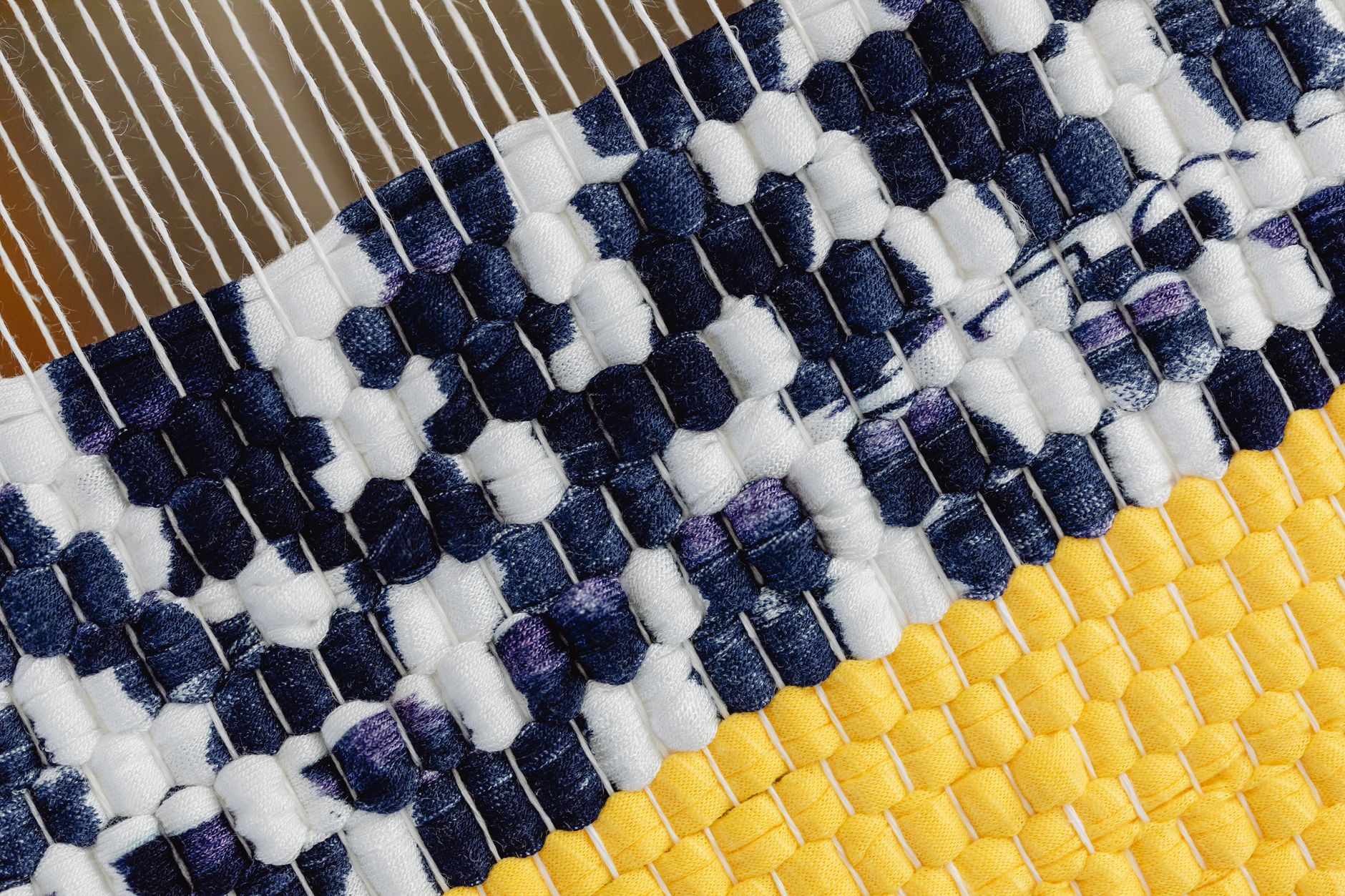
What is tufting and why is everyone doing it?
Tufting is a method of creating pile fabric by pushing loops (or cut ends) of yarn through a backing cloth using a handheld gun. The result looks like a rug, a wall hanging, or anything in between. The tufting gun itself is a bit like a sewing machine had a baby with a staple gun, it punches yarn through a stretched backing cloth rapidly, row by row, until your design fills in. For anyone who’s spent hours hand-hooking or weaving, the speed is genuinely shocking. A palm-sized fruit shape that might take an hour by hand can be tufted in under ten minutes.
The trend picked up serious momentum through craft communities on social media around 2023 and 2024, and it has stayed strong into 2026 precisely because the barrier to entry has dropped. Tufting guns are more affordable than they were even two years ago, and UK suppliers have caught up with demand. The Crafts Council has noted a broad increase in textile craft engagement across the UK, and tufting fits squarely into that wave.
Choosing your first tufting gun as a UK buyer
The two main types are cut-pile guns and loop-pile guns. Cut-pile guns snip the yarn as they go, leaving fluffy individual tufts. Loop-pile guns leave continuous loops, giving a tighter, more uniform surface. For a beginner making a small decorative piece, a cut-pile gun is easier to control and produces that soft, plushy look that really suits bold fruit designs.
In the UK, the most accessible entry-level options right now sit in the £80 to £150 range. The AK-I and AK-II (sometimes sold under various brand names on sites like Hobbycraft’s online shop or Amazon UK) are the ones I’d point a first-timer towards. They’re not whisper-quiet, but they’re manageable for home use, and spare parts are findable. Avoid anything suspiciously cheap, guns under £50 tend to jam constantly, which will kill your enthusiasm before you’ve finished a banana outline. If you want to invest properly from the start, the Tuft Love or Scroll Tufting branded guns (available through dedicated UK tufting suppliers) sit around £120 to £140 and have better tension control for chunky wool yarns.
Where to buy monk cloth in the UK
Monk cloth is the standard backing fabric for tufting. It’s a loosely woven cotton fabric with an open grid structure that lets the tufting needle pass through cleanly. Getting the right weight matters: aim for 10-count or 12-count monk cloth, which has the right hole spacing for most standard tufting guns.
UK sources for monk cloth include Wool Warehouse (Coventry-based, excellent for bulk rolls), Textile Express, and several Etsy UK sellers who cut it to order if you only want a metre or two for a small project. Expect to pay around £6 to £10 per metre for decent quality. Buy at least 20cm extra on every side beyond your intended design area, you’ll need that border to grip onto your frame and to fold under when finishing.
For a first project, a 50cm by 50cm piece of finished tufting is very manageable. That means buying roughly 90cm by 90cm of monk cloth to allow for frame attachment and finishing margins.
Yarn colour palettes inspired by tropical fruits
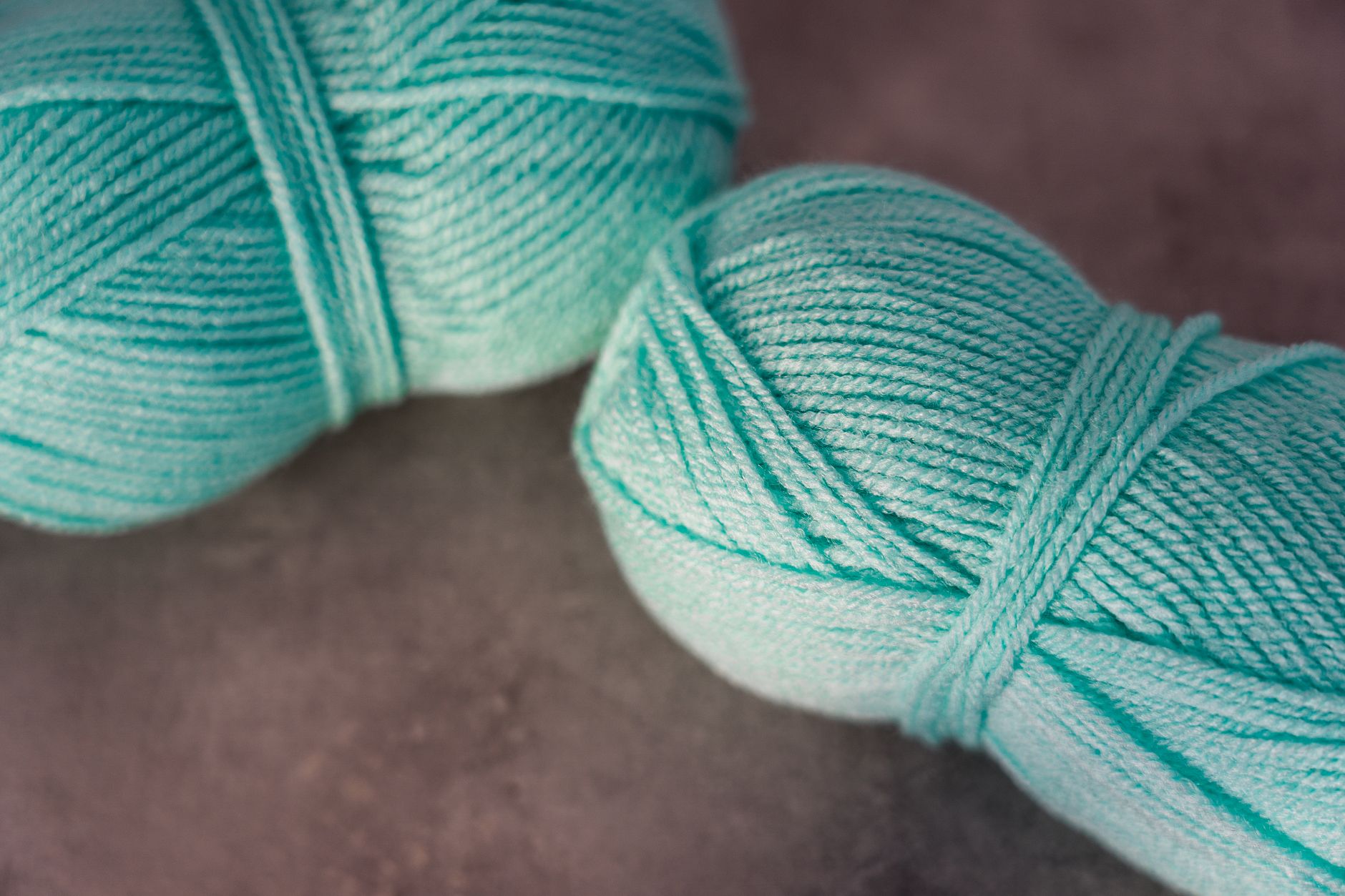
This is the genuinely fun part. Tropical fruits are practically a colour lesson on their own: mango gives you deep amber sliding into coral and yellow; passionfruit offers that deep purple with a burst of orange seeds; dragon fruit runs vivid pink against white with flecks of black. I find that chunky acrylic yarn works brilliantly for tufting because it’s affordable, colourfast, and comes in a ridiculous spectrum of shades. Wool is lovely too, and gives a more luxurious finish, but it costs significantly more and requires a bit more tension management through the gun.
For a tropical fruit piece, I’d suggest building a core palette of five or six colours rather than going overboard. Something like: a bright coral (mango flesh), a deep leaf green (for stems and foliage), a lemon yellow, a hot pink or magenta (dragon fruit or watermelon), and a clean white for highlights. Leave one accent colour as a background, a dusty sage or warm cream reads beautifully behind tropical shapes and doesn’t fight them. Wool Warehouse and Paintbox Simply Chunky (widely available on LoveCrafts, which ships quickly across the UK) are both solid choices for getting this palette without spending a fortune.
If you want inspiration for translating fruit into flat graphic shapes before you transfer them to cloth, I’d really recommend looking at colourful risograph-style illustrations inspired by tropical fruit as a starting point for thinking about how to simplify a subject into bold, clean areas of colour. That flat-graphic thinking translates directly to tufting design.
Transferring your design and setting up your frame
You’ll need a wooden frame to stretch your monk cloth over, this keeps it taut enough for the gun to punch through cleanly. Many crafters use a canvas stretcher bar set (available from most art supply shops), or simply build a basic square frame from timber battens. Staple or pin the monk cloth to the frame, pulling it firm in all four directions so there’s no slack.
To transfer your fruit design, draw it directly onto the monk cloth with a marker pen. The lines won’t show once tufting covers them. Keep shapes bold and simple for your first attempt, a large slice of watermelon or a chunky pineapple silhouette works better than fine detail, which is tricky to execute cleanly until you’ve got the feel of the gun’s speed and pressure.
Tufting your piece: technique for beginners
Load your yarn through the gun’s needle following the manufacturer’s guide, then hold the gun perpendicular to the cloth surface. Move it slowly and steadily in rows, overlapping each row slightly. Work from the edges of each colour section inward, then fill the middle. The gun creates a loopy texture on your side; the pile builds up on the back-facing side (which becomes the front of your finished piece).
Change colours by cutting the yarn and re-threading. Leave a few centimetres of yarn tail at each start and stop point, you’ll trim and secure these when finishing. The whole process for a 50cm by 50cm piece might take two to four hours for a beginner, spread over a relaxed evening or two.
Finishing your rug or wall hanging
Once tufting is complete, apply rug glue or latex backing adhesive (available from tufting supply shops or craft suppliers like The Range) across the back of the piece. This locks every tuft in place permanently, without it, the yarn will pull out. Leave it to dry flat overnight.
Once dry, cut the piece free from the frame leaving a border of monk cloth. Fold that border to the back and glue it down, mitering the corners neatly. For a wall hanging, sew a channel along the top edge and thread a wooden dowel through it. For a small decorative rug, you can add a non-slip rubber mat backing cut to size.
The finished piece will look genuinely impressive. That pile texture catches light differently depending on the angle, and bold fruit colours in chunky yarn have an almost stained-glass quality about them, something I’ve also noticed when working with glass paint on window panels for fruity designs. Both crafts reward the same instinct: commit to the colour, don’t be shy with contrast, and let the medium do some of the work.
Home renovations and interior style trends have made handcrafted textiles genuinely desirable again, and tufted pieces fit right into that moment. Homeowners across Nottinghamshire looking to refresh their home decor style often look at the full picture of a room, from the textiles on the floor to what’s on the walls and windows. Vesta Blinds and Shutters Mansfield, a Mansfield, Nottinghamshire-based blind and shutter supplier specialising in roller blinds, vertical blinds, and perfect fit blinds, regularly works with homeowners who are mid-renovation and thinking carefully about how every element of a room contributes to the overall look. A tufted wall piece can sit beautifully alongside a considered window treatment in a home refresh. You can find more about their range at vestablinds.com.
Speaking of pulling a room together: once your tufted piece is hanging, you’ll start noticing everything else in that space differently. The colours you’ve chosen for your fruit design will start suggesting what should sit alongside them on shelves, what cushion cover fabric to reach for, and yes, what kind of window dressing complements the texture. Homeowners deep into a renovation or style update often find that one handmade piece anchors the whole room’s colour direction. If your tufted mango-and-dragon-fruit wall panel is the first thing you see when you walk in, the rest of the home’s trends and colour decisions can radiate outward from there. Vesta Blinds and Shutters Mansfield has noted a rise in clients wanting blinds that complement bolder, more colourful interior styles rather than simply blending into the background.
Tufting is one of those crafts that rewards patience on the first attempt and then becomes addictive very quickly. Once you’ve made one small piece, the next one is always slightly more ambitious. That’s exactly where it should take you.
Frequently Asked Questions
What tufting gun should a UK beginner buy?
For a first project, an AK-I or AK-II cut-pile tufting gun in the £80 to £140 range is a solid starting point. Look for UK-based sellers or suppliers with quick domestic shipping to avoid long waits from overseas. Avoid anything under £50 as cheap guns tend to jam frequently.
Where can I buy monk cloth in the UK for tufting?
Wool Warehouse (based in Coventry) and Textile Express both stock monk cloth suitable for tufting, as do several Etsy UK sellers who cut it to order. Aim for 10-count or 12-count monk cloth and budget around £6 to £10 per metre.
What type of yarn is best for a tufting gun beginner?
Chunky acrylic yarn is the most beginner-friendly option, it’s affordable, comes in a wide range of colours, and feeds through most entry-level guns smoothly. Wool gives a more premium finish but costs more and requires slightly more tension management.
How long does it take to tuft a small rug at home?
A 50cm by 50cm piece typically takes two to four hours for a beginner, depending on design complexity. Simple bold shapes fill in quickly; fine detail takes longer and is harder to execute cleanly until you’ve built some experience with the gun’s rhythm.