
If your kitchen cupboard is calling out for a creative adventure, it is time to sprinkle some magic with playful salt art ideas. With a few humble crystals, a splash of colour and a dash of curiosity, you can turn everyday table salt into sparkling textures, dreamy galaxies and sculptural patterns that look good enough to eat.
Why salt art ideas are so satisfyingly fun
Salt is one of those quietly wonderful materials that behaves in surprising ways. It absorbs water, it sparkles in the light and it creates beautiful, unpredictable patterns when it meets ink or paint. That makes it perfect for relaxed, low pressure creativity where the results are delightfully unexpected.
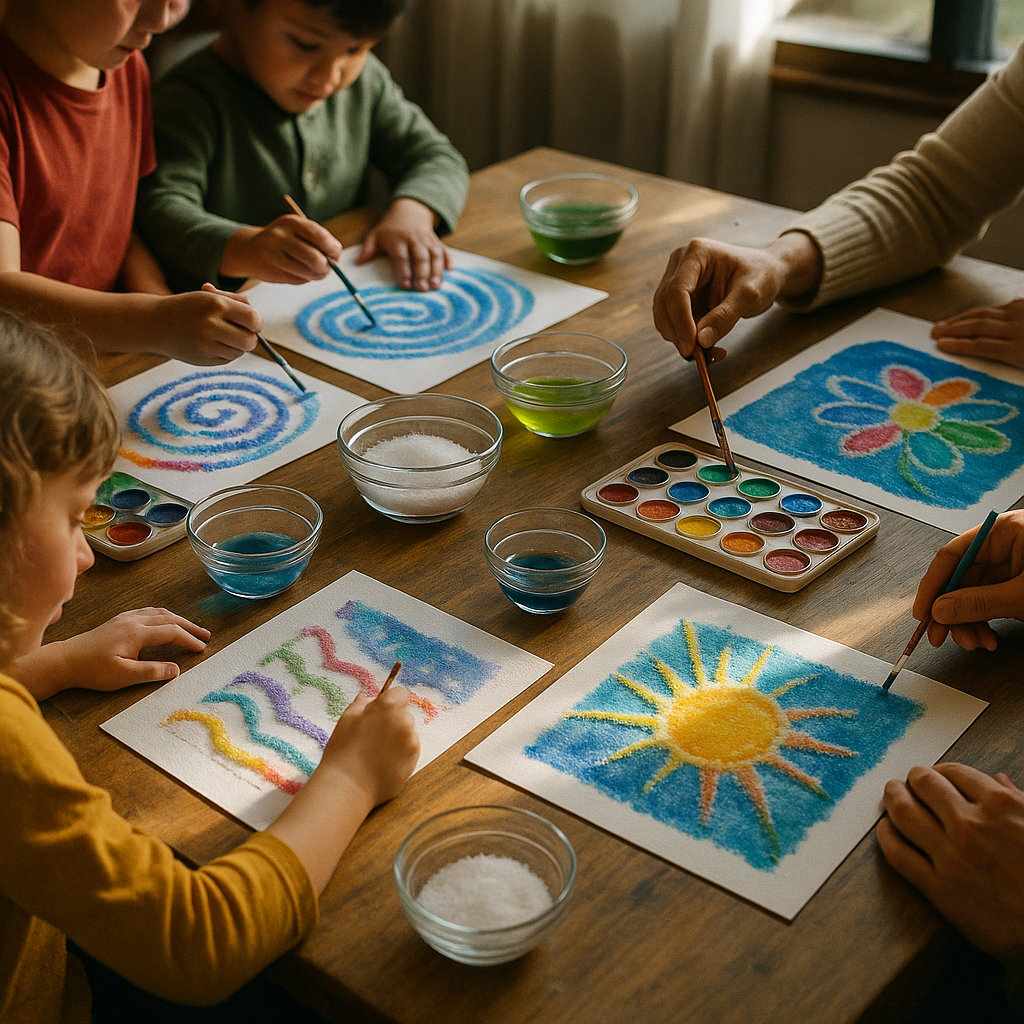
Because salt is cheap and easy to find, you can experiment freely without worrying about wasting fancy supplies. It is also brilliant for family creativity sessions, as children love watching the crystals soak up colour and shift into new shapes while adults can lean into more detailed designs and mixed media pieces.
Simple salt art ideas for beginners
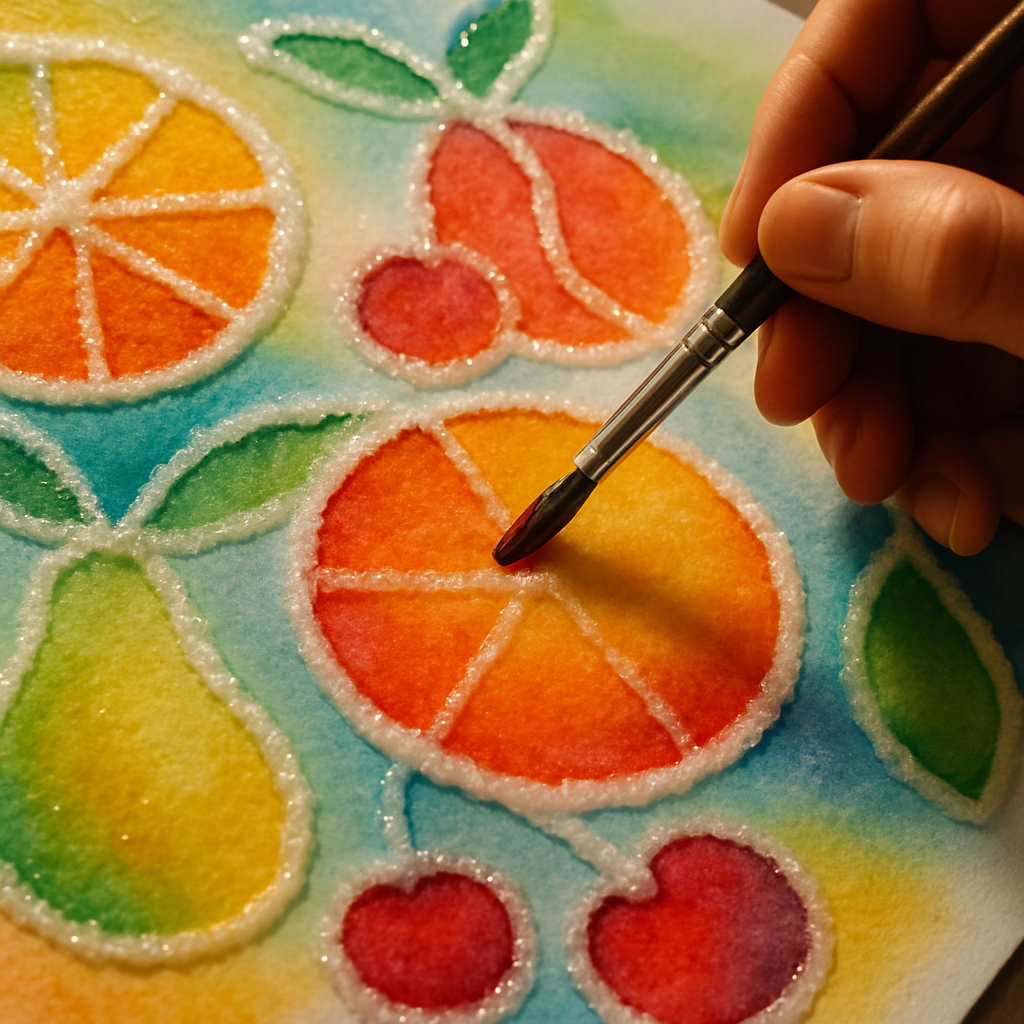
If you are just starting out, keep it simple and playful. Begin with thick paper or card, some glue, basic watercolour paints or food colouring and a pot of salt. Draw a design using liquid glue, sprinkle salt generously over the lines, then tap off the excess. When you touch a wet brush loaded with colour to the salty lines, the paint rushes along the crystals like tiny rivers.
Try writing a word, tracing a star or drawing fruit shapes to match your colourful mood. Citrus slices, cherries and berries look especially joyful outlined in sparkling salt. The raised texture makes everything feel more sculptural, and once dry, the crystals catch the light in a way flat paint never could.
Turning your table into a mini salt studio
Once you have explored the basics, you can transform your dining table into a mini studio for more adventurous salt art ideas. Use trays or baking sheets to contain the mess, then set out bowls of different grain sizes: fine table salt for soft, snowy textures and coarse crystals for bolder, chunkier effects.
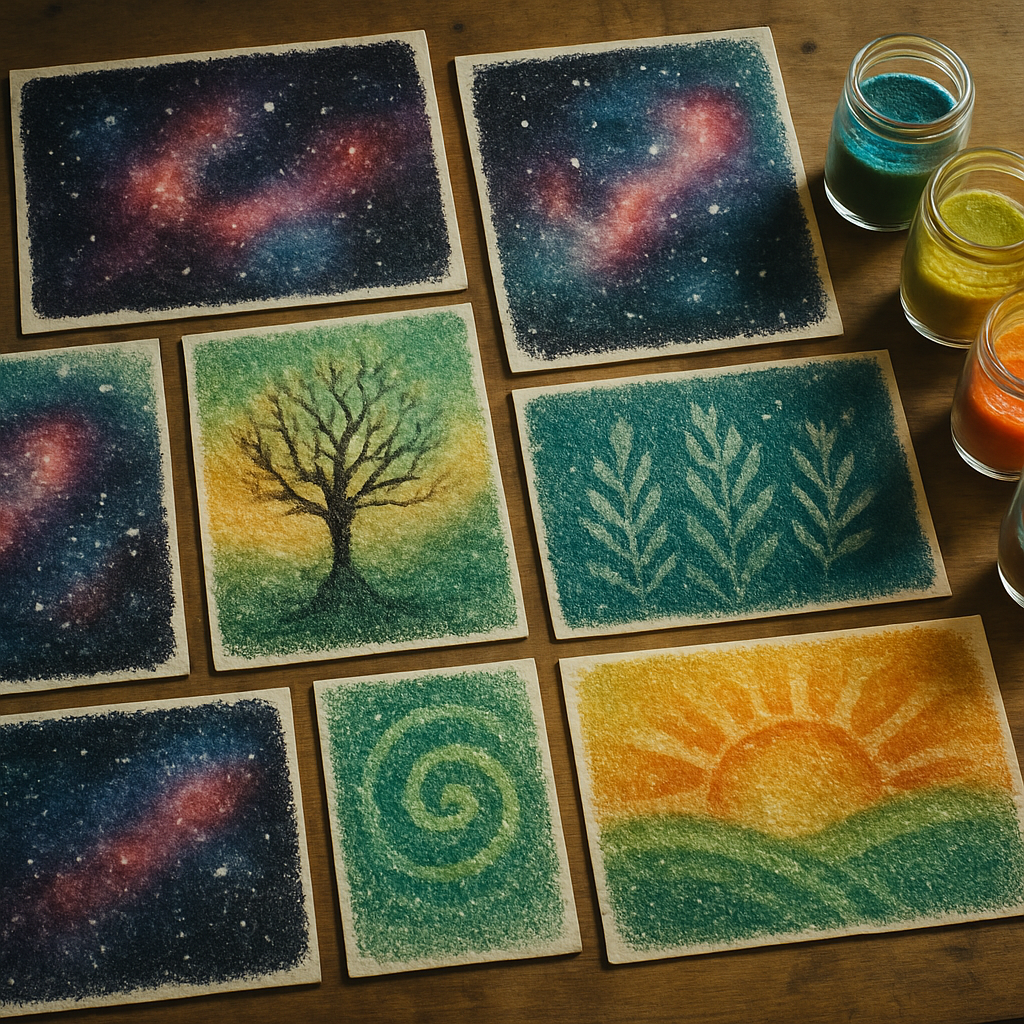
Sprinkle salt over wet watercolour washes to create stormy skies, abstract seascapes or dreamy galaxy scenes. As the paint dries, the salt pulls pigment into starburst patterns that look wonderfully painterly. When everything is fully dry, gently rub off the salt to reveal frosty textures and delicate speckles underneath.
Crafting colourful salt for sensory art
You can also tint salt itself and use it like glitter. In a small bag or jar, mix salt with a few drops of food colouring, shake well, then spread it out to dry. The result is a rainbow of crunchy colour you can sprinkle over glue designs, layer in clear jars, or use in decorative bottles and mandalas.
This approach is especially lovely for sensory art trays. Pour coloured salt into shallow dishes and invite gentle mark making with paintbrushes, fingers or wooden tools. Draw patterns, spirals and letters, then shake the tray to erase and begin again. It is calming, tactile and beautifully visual.
Salt, nature and eco friendly creativity
For a nature inspired twist, combine salt with leaves, petals and twigs. Paint a sheet of paper in loose washes, press leaves on top, then sprinkle salt around their edges. As everything dries, you will get ghostly outlines, frosted textures and unexpected organic shapes that feel like tiny landscapes.
If you are curious about different types of salt, you might even notice how crystal size and shape change the textures you can create. Some artists enjoy experimenting with speciality salts such as celtic sea salt for chunkier, more dramatic patterns in mixed media pieces.
Finishing, displaying and gifting your salt art
Once dry, handle salt art gently, as loose crystals can flake away. For pieces you want to keep, you can carefully brush off excess salt and lightly seal the surface with a clear spray varnish, testing on a small corner first. Framing behind glass is another way to protect your sparkly creations.
Salt art ideas FAQs
Can I use any type of salt for salt art ideas?
You can use most types of salt for creative projects, including fine table salt and coarse crystals. Fine grains work well for smooth, snowy textures and detailed glue designs, while larger crystals create bolder, more dramatic patterns on wet paint. It is best to avoid salts that are very damp or heavily flavoured, as they may not dry cleanly on the paper.
Are salt art ideas suitable for young children?
Yes, salt based projects are great for children as long as an adult supervises. Kids enjoy watching the crystals absorb colour and change the look of the paint. Use non toxic paints or food colouring, keep the work area covered and remind little ones that the materials are for art, not for eating. Simple glue and sprinkle designs are usually the easiest starting point.
How do I stop my salt art from flaking off?
Let your artwork dry completely before moving it, and use sturdy paper or card that can handle the moisture. Once dry, gently brush away any loose salt, then consider sealing the surface with a light mist of clear spray varnish, testing first on a corner or spare piece. Framing behind glass also helps protect delicate textures from bumps and dust over time.