
There is something almost magical about unrolling a bundle of damp cloth to find that a fern frond or a rosebay willowherb leaf has transferred its entire silhouette onto fabric in shades you could never have planned. I tried eco printing for the first time on a rainy Saturday afternoon in October, using nothing but a handful of leaves gathered from a local park, a length of plain cotton, and a pot of water on the hob. The results were so unexpected, so genuinely beautiful, that I have been obsessed ever since. If you have been curious about eco printing fabric UK-style, read on. This guide covers everything from foraging your botanicals to achieving those vivid, surprising colour shifts that make the whole process so addictive.
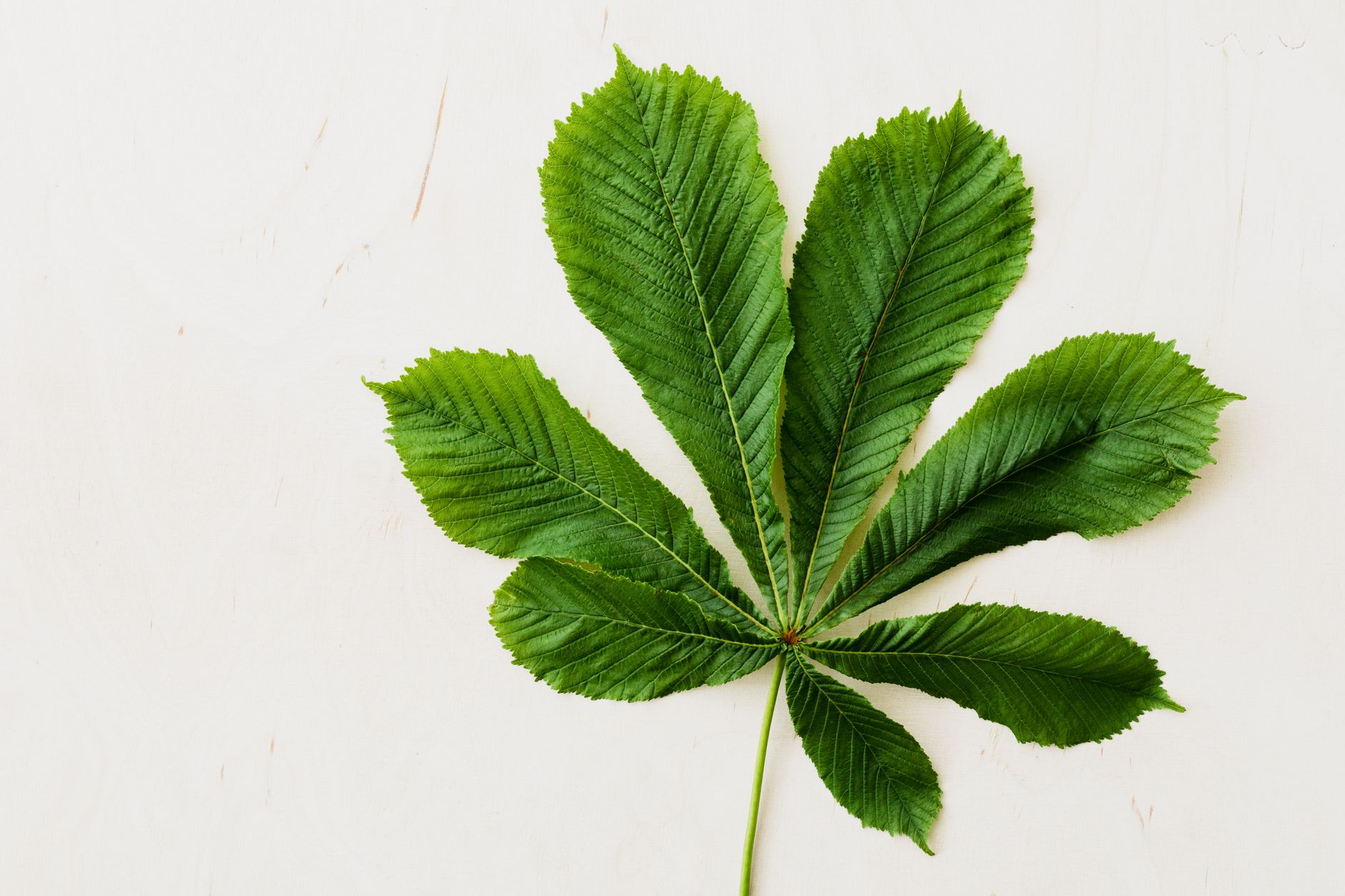
What is eco printing and why does it work?
Eco printing, sometimes called botanical printing, is the process of pressing plant material directly onto natural fabric, then using heat, moisture, and often a mordant to transfer the plant’s pigments and tannins into the cloth. The result is a kind of contact print, a ghost image of the leaf or flower, rendered in colours that depend entirely on the plant, the fabric, and what the water picks up along the way. It is closely related to bundle dyeing, where fabric is wrapped around botanicals, rolled into a tight bundle, and simmered in water until the pigments migrate.
The science behind it is straightforward. Plants contain chlorophyll, tannins, flavonoids, and other compounds that bond with protein fibres like silk and wool much more readily than with cellulose fibres like cotton or linen. That is why silk tends to produce the most vivid prints. Cotton can be persuaded with a bit of preparation, which I will cover below.
Which British plants give the best results?
This is honestly the part I find most exciting, because the answer changes depending on the season, the garden, even the soil. British parks and gardens are full of plants that print brilliantly, and you do not need to go far to find them.
Oak leaves are a reliable starting point. They are rich in tannins and tend to produce warm rust and brown tones on fabric, with beautifully crisp outlines. Grab a handful from any park between September and November and you are sorted. Eucalyptus, widely sold in florists and garden centres across the UK, gives astonishing results: deep oranges, terracotta, sometimes almost red, depending on the variety. I once used a bunch from a corner shop in Bristol and the prints looked like something from a professional textile studio.
Ferns print with extraordinary detail, their lacy fronds leaving precise, delicate marks in olive and yellow-green. Coreopsis flowers, which are easy to grow in a British garden, produce a strong golden yellow. Japanese indigo, which several UK growers now sell as seeds, can give blue-green marks when leaves are very fresh. Onion skins, though not a plant you forage, give deep amber and orange when used as a background dye bath alongside your bundle printing.
One thing to keep in mind: colour results in eco printing are genuinely unpredictable, and that is the whole joy of it. The same eucalyptus leaf on the same fabric can print differently depending on the pH of your local tap water. In harder-water areas like London, you may find prints shift towards orange. Softer water in parts of Scotland or Wales can pull cooler, greener tones. Embrace it.
Mordanting your fabric: the step that makes colour stick
A mordant is a metallic salt that creates a chemical bridge between the plant pigment and the fabric fibre. Without it, most prints on cotton or linen will fade to near-nothing after washing. The most approachable mordant for beginners is alum (potassium aluminium sulphate), available from most UK dye suppliers and some chemists. It is relatively safe, produces bright clear colours, and does not shift the hue significantly.
To mordant fabric, dissolve alum in hot water at roughly 15% weight of fabric. So for 100g of cloth, use 15g of alum. Wet the fabric first, then submerge it in the mordant bath and simmer gently for an hour. Let it cool in the bath, then wring it out. You can use it damp immediately, or store it damp in a sealed bag in the fridge for up to a week.
Silk and wool need less mordant and less heat. For silk, I tend to drop the simmering temperature and go for a warm soak rather than a full boil, which can damage the fibres. If you love experimenting with natural colour on fabric, the same foraging mindset applies to sun-bleached textile art and reactive fabric dyes, which plays beautifully alongside botanical printing as a mixed technique.
How to bundle dye: step by step
Once your fabric is mordanted and your botanicals are gathered, the process itself takes less than two hours of active effort, plus simmering time.
Step one: lay out your fabric flat. Silk scarves work brilliantly for beginners. Lay your damp fabric on a clean surface, then arrange your leaves and flowers directly onto one half of it. Press them flat and pack them tightly. Overlap different species to see what happens where they meet. A rose petal next to an oak leaf next to a eucalyptus sprig can produce a little collision of colour that looks completely intentional.
Step two: fold and roll. Fold the bare half of the fabric over the botanical side, sandwiching the plants inside. Then roll the whole thing tightly around a wooden dowel, a PVC pipe, or even a thick stick from the garden. The tighter the roll, the more contact pressure, and the crisper the prints.
Step three: tie the bundle. Bind it firmly along its length with string or rubber bands. This keeps pressure on the plants during steaming or simmering.
Step four: simmer or steam. Place your bundle in a pot of water and bring it to a gentle simmer for about an hour. Alternatively, place it in a steamer basket above boiling water for the same time. Steaming tends to give slightly cleaner, brighter prints; simmering in a tannin-rich bath (add some oak bark or black tea to the water) can deepen the background colour beautifully.
Step five: unwrap and reveal. Let the bundle cool before unwrapping, or unwrap it whilst still warm for maximum drama. The wet cloth will reveal your prints immediately. Rinse gently in cool water, hang to dry, and resist the urge to wash it vigorously for at least a week while the colour fully sets.
Getting vivid, unexpected results: tips from the dye pot
The difference between a muddy beige smudge and a genuinely vivid print often comes down to a few small decisions. First, use the freshest botanicals you can. Leaves that have been sitting in a warm room for two days will have lost much of their moisture and pigment. Go out foraging on the morning you plan to dye.
Second, try an iron water afterbath. Iron (ferrous sulphate dissolved in water at around 2% weight of fabric) is a colour modifier that deepens prints dramatically, shifting warm tones towards olive and grey-green. Dip your finished, rinsed print briefly into an iron bath, then rinse again. The transformation can be striking. Just do not over-iron: too much exposure leaves fabric feeling brittle over time.
Third, experiment with rust. Wrapping your bundle around a piece of rusty iron pipe or a handful of rusty nails before tying it will introduce iron directly into the print, creating dark halos around leaves that look absolutely wild. I once wrapped a silk scarf around a rusty old garden railing and left it in a bucket of vinegar water overnight, and the result had people asking which designer I had bought it from.
If you enjoy the tactile, hands-on side of making marks on fabric, you might also love the immediacy of silk painting with gutta and dyes, which gives you much more control over where colour goes whilst still rewarding spontaneity.
Caring for eco-printed fabric
Botanical prints are not as colourfast as synthetic dyes. That is simply the nature of the medium, and personally I think the gentle fading over time adds character. To get the longest life from your prints, wash in cool water with a pH-neutral soap, avoid prolonged sunlight, and store folded rather than hung. The UK Health and Safety Executive has guidance on safe handling of mordant chemicals if you plan to scale up your practice beyond occasional home use.
For a project that started with a pile of damp leaves and a length of plain silk, the results that eco printing can produce are genuinely extraordinary. Every bundle is different. Every batch of water is different. Every season brings new leaves and new colour possibilities. That is the part I keep coming back to: this is a craft where the garden does half the creative work for you, and the results always surprise.
If you want to extend your botanical practice into three dimensions, the techniques overlap delightfully with papier-mâché sculpture, where natural textures and earthy pigments can inform the surface decoration beautifully. Keep experimenting. Keep gathering leaves. The best print you ever make is almost certainly the next one.
Frequently Asked Questions
What fabric works best for eco printing in the UK?
Silk gives the most vivid results because its protein fibres bond readily with plant tannins. Wool is also excellent. Cotton and linen work well but need thorough mordanting with alum first, otherwise the prints tend to fade quickly after washing.
Do I need special chemicals to start eco printing at home?
The main supply you need is alum (potassium aluminium sulphate) as a mordant, which is available from UK natural dye suppliers like Woad Inc or George Weil. Beyond that, the botanicals and water you already have access to are enough to get started.
Which leaves can I forage in UK parks for eco printing?
Oak, sycamore, rose, fern, and ivy are all common in British parks and gardens and print well. Eucalyptus, though not native, is widely available from UK florists and garden centres and gives some of the most vivid results of any botanical.
How long does eco printing take from start to finish?
Mordanting fabric takes around an hour of simmering plus cooling time. Bundle dyeing itself takes another hour of simmering or steaming. Allow a full afternoon. The unwrapping, rinsing, and drying add another couple of hours before the final result is ready.
Are eco printed fabrics washable?
Yes, but botanical prints are less colourfast than synthetic dyes. Wash in cool water with a gentle, pH-neutral soap and avoid tumble drying. With careful handling, a well-mordanted print on silk or wool can last for years before fading noticeably.