
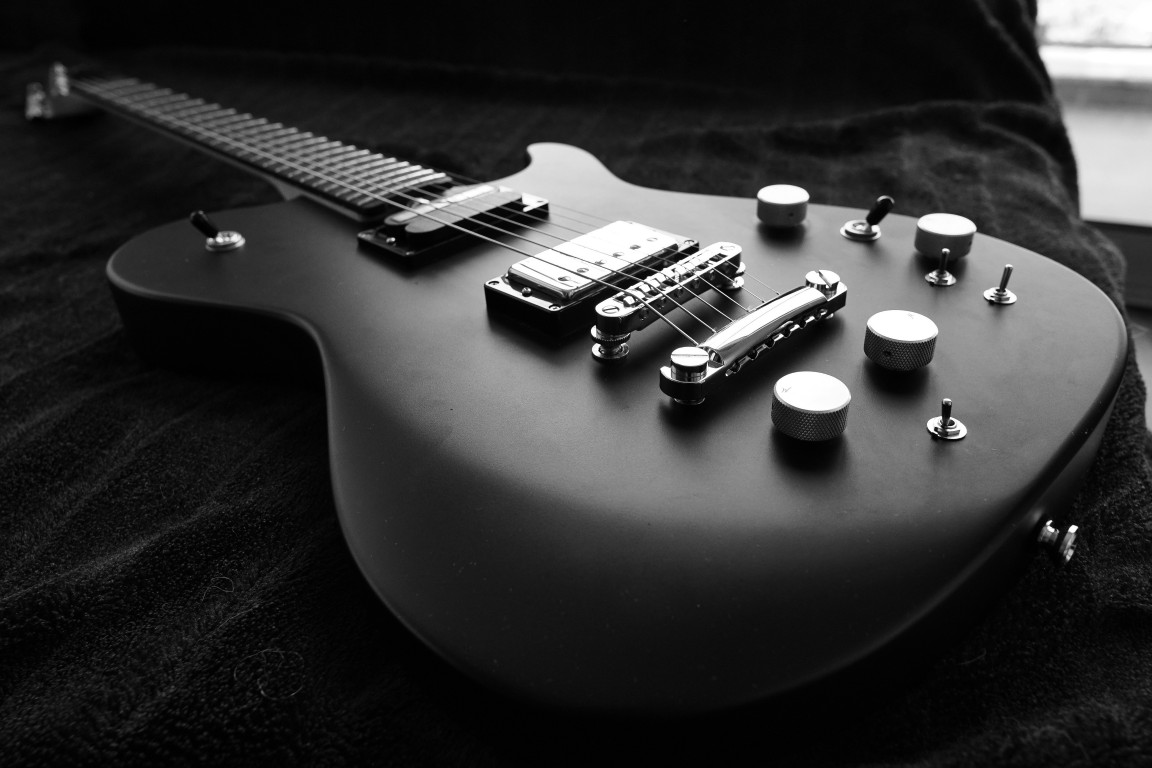
At some point in the last twenty years, matte black stopped being a colour choice and became a signal. Professional cameras. Studio monitors. Chef’s knives. Stage equipment. Tools. If a thing wants to communicate that it is for people who know what they are doing, it arrives in matte black.
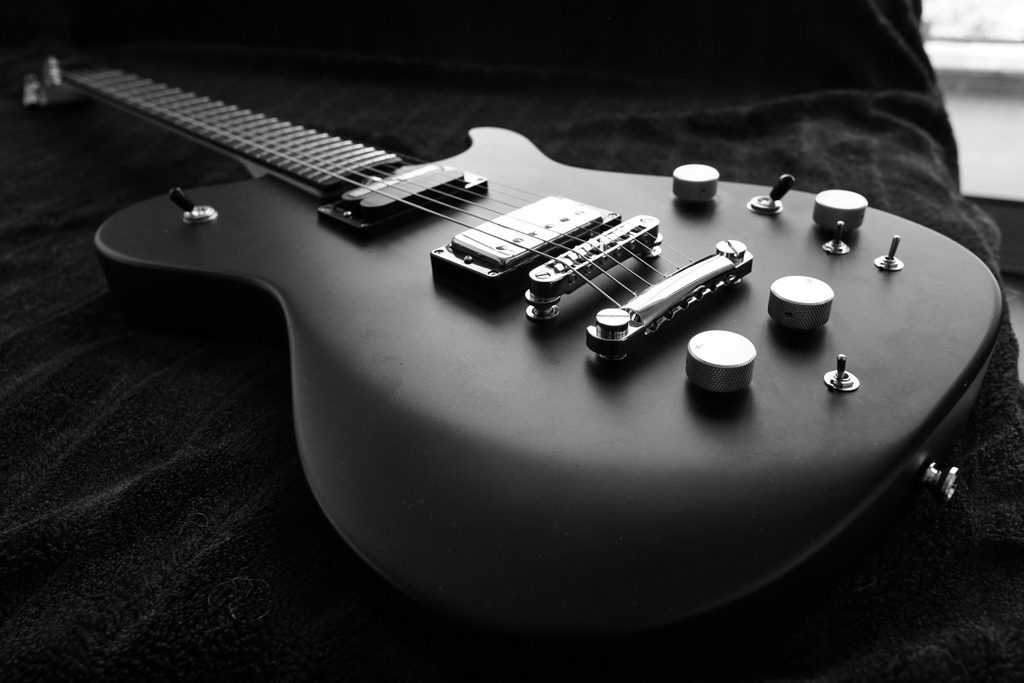
This is usually written about as fashion. It is mostly physics.
Gloss reflects, and reflection is a problem
The original driver is optical. Any glossy surface throws specular highlights, and in a working environment those highlights are actively unhelpful.
Photography got there first. A shiny camera body bounces light into the lens, produces flare, and reflects the photographer in every window and shop front they point it at. Matte black absorbs. The same logic governs the inside of a lens barrel, the interior of a telescope, and the walls of a recording booth.
Stage and studio equipment followed for the same reason. Under theatrical lighting, gloss catches every rig in the ceiling and drags the audience’s eye to a flight case instead of the performer. Matte black recedes. Anything that is meant to be functionally invisible on a stage is painted so that it is.
It hides everything
The second reason is maintenance, and it is arguably the stronger one.
Gloss shows fingerprints, dust and every scratch. Matte scatters reflected light, so surface imperfections do not read as sharply. A matte-black tool that has been used daily for five years still looks purposeful. The same tool in gloss looks battered.
For equipment that gets handled constantly by many people, this is a genuine functional advantage rather than a cosmetic one. It is why hire stock, rental gear and anything living in a flight case converged on the same finish.
Powder coat did the rest
The manufacturing shift underneath all this is powder coating.
Wet paint sits on top of metal and adheres mechanically. Powder coat is applied as a dry electrostatically charged powder and then baked, so it cures into a genuinely tough polymer layer bonded to the substrate. It is markedly more impact and chip resistant, it does not run or sag, and matte textured finishes are easy to achieve. It is also cleaner to produce, with far lower solvent emissions than wet spraying.
Once powder coating became cheap and widely available, durable matte black became the default option for anyone building metal equipment rather than a premium one. The finish won partly because it was the easy thing to specify.
The signalling came afterwards
Only after all of that did matte black become a language.
Because professional equipment was matte black for practical reasons, matte black started reading as professional. Consumer products then adopted it to borrow the association, which is how you end up with matte black kettles, matte black taps and a matte black finish on things that will never go anywhere near a stage or a studio.
That is the usual sequence. Function establishes an aesthetic, the aesthetic detaches from the function, and eventually you can buy a matte black phone case that solves no optical problem
whatsoever.
The consumer version has a flaw the professional version does not, incidentally. Matte black on kitchen and bathroom fittings shows water spots and grease badly, because the same microtexture that scatters light also traps residue. The finish that hides scratches on a flight case is the finish that shows every fingerprint on a tap.
Where it still earns its place
The finish is genuinely correct wherever three conditions hold: reflection causes a real problem, the item gets handled hard, and it needs to look serviceable rather than new.
That covers a lot of ground. Camera and optical gear. Workshop tools. Rigging hardware. And the same finish became standard in stage and touring equipment for precisely these reasons, alongside the load and portability requirements that shape everything built for the road.
Everywhere else, it is a quotation. A perfectly good-looking one, but a quotation.