
There is something completely joyful about holding a zine you made yourself. It’s small, it’s a bit wonky, and every single page is exactly what you wanted it to be. I made my first one at a kitchen table with a ruler I’d borrowed from a flatmate and a printer that had a suspicious yellow tinge, and I still think it’s one of the best things I’ve ever produced. If you’re an artist with a folder full of fruit illustrations, abstract experiments, or botanical sketches gathering digital dust, this guide on how to make a zine as a UK artist is for you.
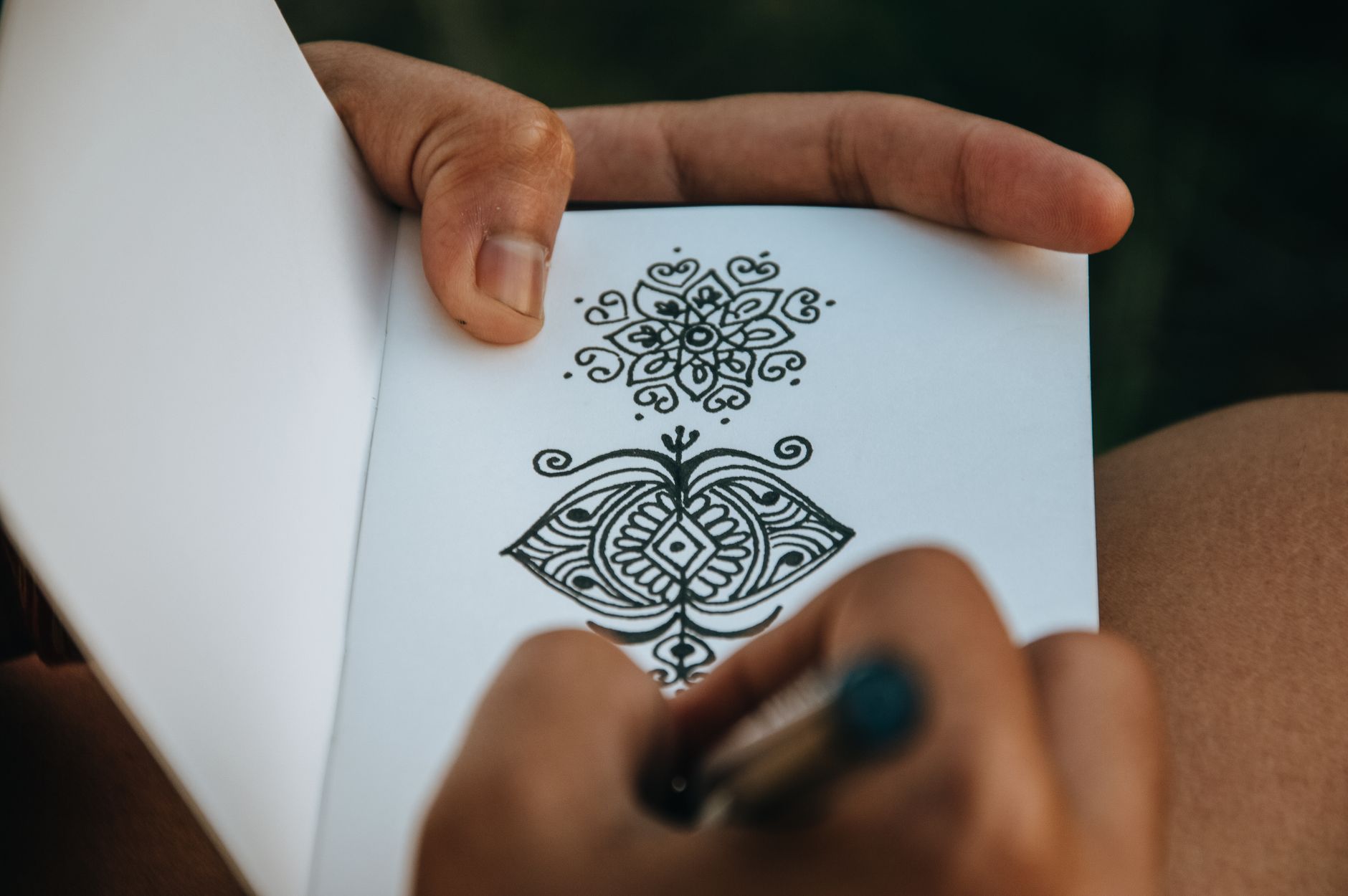
What is a zine and why should you bother making one?
A zine (rhymes with “clean”) is a small, self-published booklet. Traditionally photocopied and stapled, they’ve been the creative format of choice for musicians, illustrators, activists, and general weirdos since the 1970s. In 2026 they’ve had a proper renaissance, partly because they feel like a direct antidote to the infinite scroll of social media. You hold a zine. You read it with both hands. It ends. Brilliant.
For visual artists, a zine is one of the best low-risk ways to package and sell your work without committing to large print runs or expensive production. A short run of 20 copies costs peanuts. And people at indie markets genuinely love buying them.
Choosing a theme: fruity, abstract, or something gloriously both
The best zines have a clear obsession at the centre. Yours might be a sequence of loose watercolour lemons. It might be a purely abstract colour study in citrus shades. It might be a mini field guide to imaginary tropical fruit, each page combining illustration with a couple of lines of invented botanical description. Whatever pulls you in, follow that thread.
I’d say keep your first zine tight: 8 or 16 pages is enough. That’s not many spreads, which means you can’t wander off and include seventeen different ideas. Pick one colour palette, one subject, and one mood. If your work leans into tropical pattern-making, for example, you might find inspiration in how other artists approach pattern design inspired by tropical fruits before nailing down your theme.
Abstract themes work beautifully too. A zine doesn’t have to be illustrative or narrative. A sequence of colour-field compositions moving from warm citrus to cool berry tones can be completely absorbing as a reading experience. Think of it less like a book and more like an art object.
Planning your layout: the basics
The classic zine format is an A4 sheet folded to create an 8-page booklet, all from a single sheet of paper. This is called a single-sheet fold, and there are hundreds of tutorials online, but the short version is: one sheet, folded in half three times, with a single central cut. The result is a perfect little booklet with a front cover, back cover, and six interior pages. Free, structurally satisfying, and genuinely fun to fold.
For a slightly more polished feel, most artists move to saddle-stitched (stapled spine) A5 zines printed on A4 sheets and folded. You can scale up to 24 or 32 pages this way. Plan your pages in spreads: pages 2 and 3 sit next to each other, so design them to work together visually.
Software options range from free to fancy. Canva’s free tier is surprisingly capable for simple layouts. Affinity Publisher (a one-off purchase, no subscription) is excellent and genuinely affordable. If you already use Procreate on an iPad, you can export individual pages as high-resolution files and assemble them elsewhere. The main thing is to work at 300dpi and set up your document at the actual print size, not at screen resolution.
Paper choices and what they actually feel like
Paper matters more than most first-time zine makers expect. The weight, texture, and finish of a page changes how your artwork reads completely.
For interior pages, 100gsm is a good standard. It’s thick enough to feel substantial but thin enough for copy shop printers to handle without jamming every thirty seconds. If your artwork is heavy with saturated colour, go to 120gsm where possible. For covers, 160-200gsm card stock gives a crisp, professional edge.
Uncoated paper gives a slightly matte, tactile finish that suits watercolour and ink illustration beautifully. Silk-coated paper makes colours pop more but can feel a little corporate for a handmade zine. My personal preference is uncoated for interiors and a silk cover if I want the front image to really sing.
If you’re drawn to a more experimental feel, try recycled stock, kraft paper, or even coloured paper for certain pages. A zine printed on pale yellow stock with deep ink illustrations reads completely differently to the same content on white. Experiment before committing to a full run.
Printing affordably at UK copy shops
This is where a lot of artists get nervous, and I want to reassure you: UK copy shops are genuinely your friend. Chains like Ryman, Snap Print, and local independent print shops (search “digital print shop” plus your town) can produce a short run of 20-30 zines at a very reasonable cost. For a basic black-and-white A5, 8-page zine in a run of 20 copies, expect to pay somewhere between £15 and £35 depending on paper and location.
Full-colour printing costs more but transforms bold fruit-themed artwork. A colour A5 run of 20 copies can come in at £40-£80. It sounds like a lot until you price your zines at £5-£8 each and sell even half a run at a market.
Always ask for a single test copy before printing your full run. Colours shift between screen and print, and what looks like a vivid mango orange on your monitor can print considerably darker. The BBC Arts coverage of the UK zine and small press scene in recent years is worth a read if you want context on how seriously this format is now taken.
For very small runs (5-10 copies), printing at home on a decent inkjet is perfectly viable. Use premium photo paper for covers printed at home, and standard paper for interiors.
UK zine fairs and indie markets to target in 2026
The UK zine fair scene has expanded significantly. Here are some genuinely worth targeting:
The London Zine Symposium is one of the longest-running, held annually and drawing hundreds of makers. Thought Bubble Festival in Harrogate has a dedicated small press section and enormous footfall. Glasgow Zine Fest is brilliant if you’re based in Scotland, with a strong visual art contingent. Bristol Zine Fest and the Manchester Zine Fair are both well-attended and tend to attract buyers specifically looking for art-led zines rather than text-heavy publications.
Beyond dedicated zine fairs, indie craft markets and art fairs are excellent. The Renegade Craft Fair (which runs UK editions), local makers’ markets, and arts centre fairs often have table space available for under £30 a day. A small table with a clean display, a price list, and a stack of cheerful, colourful zines is genuinely one of the nicest ways to spend a Saturday.
Turning your zine practice into something bigger
Once you’ve made one zine, you’ll want to make another immediately. It’s that kind of creative format. I’ve found it’s a great way to develop a coherent body of work: each zine forces you to commit to a visual idea fully rather than leaving it as a loose collection of sketches.
Some artists use zines as the bridge between making art at home and selling it publicly. If you’ve been working on loose expressive floral paintings in a fruit-inspired palette, a zine is a wonderful way to package a series of those works into something tangible and affordable. Others use them to experiment with print techniques that then inform bigger projects, like the ideas behind screen printing bold fruit designs at home.
Price your zines honestly. A 20-page full-colour A5 zine that cost you £3 per copy to print is worth at least £7-£10 at a market. Your time, your artwork, and the experience of holding something hand-assembled all add value. Don’t undersell because it’s small.
Make it colourful, make it yours, and get it into someone’s hands. That’s the whole point.
Frequently Asked Questions
How much does it cost to make a zine in the UK?
A short black-and-white run of 20 A5 zines at a UK copy shop typically costs between £15 and £35. Full-colour runs of the same size are usually £40-£80. Printing at home on an inkjet is cheaper for very small batches of 5-10 copies.
What software is best for laying out a zine?
Affinity Publisher is a popular, affordable one-off purchase that gives you proper print layout tools. Canva’s free tier works well for simpler designs. If you use Procreate, you can create individual pages there and assemble them in another programme before exporting as a print-ready PDF.
What paper weight should I use for a zine?
100-120gsm is ideal for interior pages as it’s thick enough to feel good but light enough for most copy shop printers. For covers, use 160-200gsm card stock. Uncoated paper suits watercolour and ink artwork particularly well, giving a soft, tactile finish.