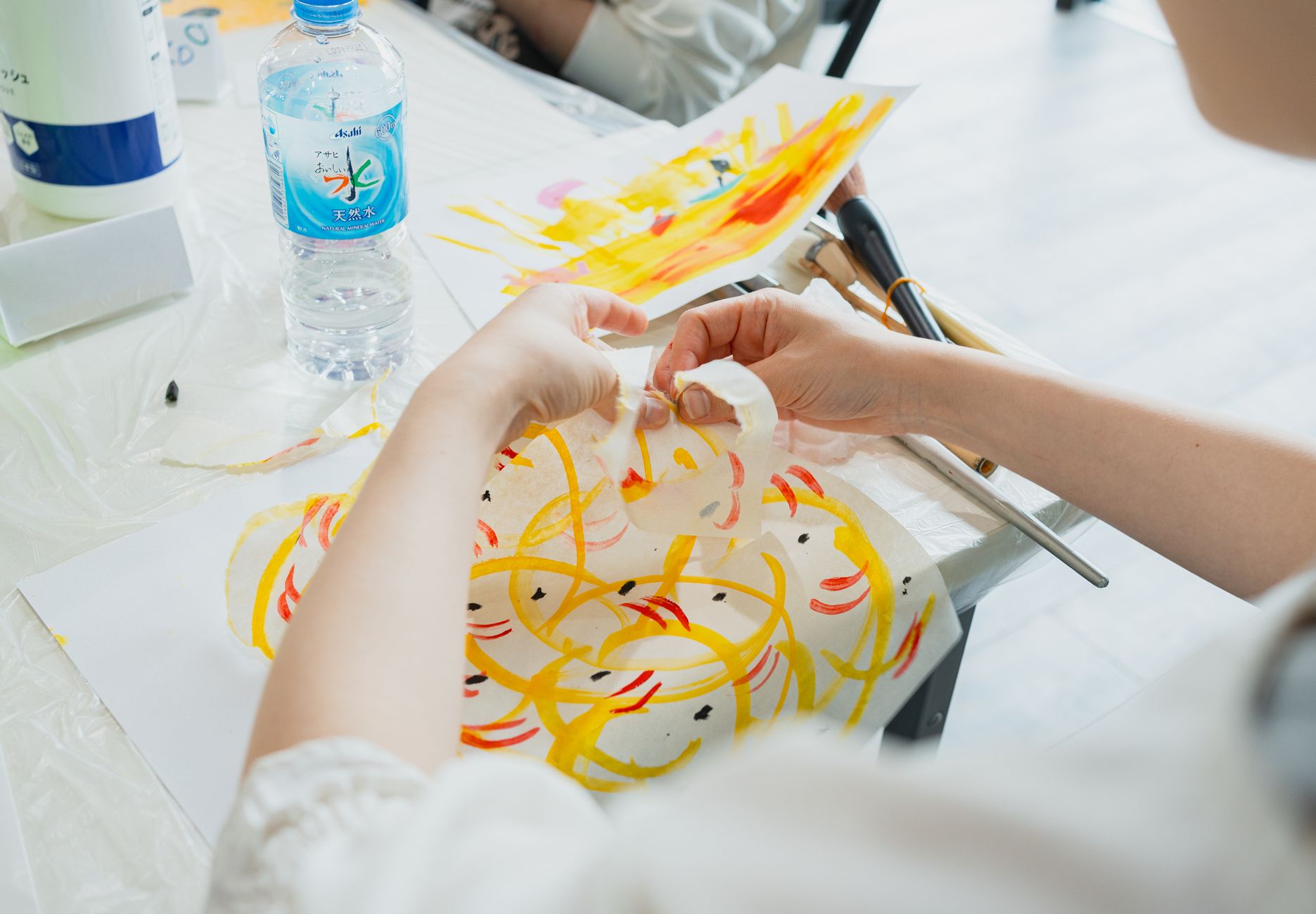
Silk painting is one of those crafts that looks like pure witchcraft the first time you see it. You touch a loaded brush to wet silk and the colour just runs, blooming outward in this gorgeous, uncontrollable wave. I tried it for the first time on a rainy Saturday afternoon with a cheap piece of habotai and some borrowed dyes, and I was completely hooked. If you’ve been curious but slightly intimidated, this guide is for you. Silk painting for beginners in the UK is genuinely accessible, costs less than you’d expect to start, and produces results that look far more professional than the effort involved.

What kind of silk do you actually need?
The short answer: habotai (sometimes spelt habutai). It’s a lightweight, plain-weave silk with a smooth surface that takes liquid dye beautifully, and it’s the standard beginner fabric for a good reason. You’ll see weights listed in momme (mm); 8mm is ideal to start with because it’s light enough for dye to spread freely without being so sheer it tears when wet.
In the UK, George Weil is one of the most reliable specialist suppliers, stocking habotai, crepe de chine, and silk satin alongside the dyes and gutta resist you’ll need. Fibrecrafts (part of the same company) ships quickly across Britain. Alternatively, Rainbow Silks in Great Missenden has been supplying UK painters for decades and their beginner packs bundle silk, frame, pins, and dye together for around £25 to £30. For a scrappier, experimental start, you can sometimes find white silk scarves in charity shops or on Vieux Carré market stalls for next to nothing.
Choosing your dyes: steam-fix vs iron-fix
This is where beginners get confused, so let’s clear it up fast. Silk dyes split into two main categories based on how you fix the colour permanently into the fibre.
Steam-fix dyes (like Dupont Serti or Pebeo Soie) give the most intense, luminous results. The colours are genuinely extraordinary. The trade-off is that fixing them requires steaming for about an hour, which sounds alarming but is manageable with a large saucepan and some greaseproof paper if you don’t want to invest in a proper steamer yet.
Iron-fix dyes (Dylon Silk Paint or Pebeo Setasilk) are far simpler: paint, leave to dry, press with a hot iron through a cloth. Colours aren’t quite as electric, but they’re still gorgeous and the process suits a kitchen table setup perfectly. For a first project, I’d recommend iron-fix without hesitation. You can always move up to steam-fix once you’re confident.
Setting up a safe workspace at home
Silk dyes stain everything they touch. Wear clothes you don’t care about, cover your work surface generously with an old plastic tablecloth or bin bags, and keep paper towels within arm’s reach. The dyes themselves are low-hazard when used as directed, but good ventilation is still sensible, especially when using gutta resist, which can contain solvents (though water-based versions are now widely available and much kinder to work with indoors).
You’ll need a frame to hold the silk taut while you paint. A simple wooden embroidery hoop works for small pieces. For scarves or larger panels, you can build a basic stretcher frame from canvas stretcher bars (cheap from any art shop) and use three-point silk pins to attach the fabric without putting holes through the weave. The silk should sit above your work surface so the dye doesn’t bleed where it touches the table.
How gutta resist creates those clean outlines
Gutta is a resist medium you apply along drawn lines before painting. Think of it like drawing with a very fine nozzle; the gutta sinks into the silk weave and creates a barrier that stops liquid dye from crossing it. Once you’ve let it dry (five to ten minutes with water-based gutta), you can flood colour freely within each outlined shape and it stays put.
This is how you get those gorgeous stained-glass effects. For fruity motifs, the gutta resist method is perfect: a plump orange segment, a halved kiwi, a cluster of grapes. Each section holds its own colour, the outlines stay crisp, and the dye inside glows because silk naturally reflects light in a way cotton simply doesn’t.
If you want to go even deeper on gutta technique, our guide to hand-painted silk scarves using gutta and silk dyes covers more advanced line work and troubleshooting in detail.
Five fruity motif ideas for your first silk piece
Fruit is genuinely ideal subject matter for silk painting beginners, and not just because it suits this blog. The shapes are simple, the colour sections are naturally defined, and the organic imperfection of real fruit means slight wobbles in your gutta lines look intentional. Here are the five I’d start with.
Halved orange or grapefruit. Draw the circular outline and the segment lines radiating from the centre. Fill alternate segments with a warm mandarin orange and a slightly lighter golden yellow. Add a tiny dot of white dye or leave a dry spot for the highlight.
Watermelon slice. Big curves, bold colours. Bright coral red or pink for the flesh, a strip of pale lime for the rind, dark forest green for the outer skin. Add little black dye dots for seeds once the base is dry.
Kiwi cross-section. The radiating seed pattern draws itself once you get the oval outline in place. Fill with acid green inside, pale cream near the centre, and a brown band for the skin edge. This one photographs spectacularly.
Bunch of grapes. Overlapping ovals in deep purple or a dusty rose. Use the wet-on-wet technique here (no gutta) and let colours bleed into each other for a gorgeous bloomed effect.
Lemon wedge. Bright cadmium yellow filling, a thin strip of white for the pith, and a pale green outer rind. Simple, graphic, and the yellow absolutely sings on silk.
Wet-on-wet: when you skip the gutta entirely
Gutta resist isn’t the only approach. Painting directly onto pre-wetted silk, known as wet-on-wet, gives you loose, painterly results where colours flow together freely. It suits abstract tropical backgrounds, colour washes, and anything where organic bleeding is a feature rather than a problem.
Dampen the silk evenly with clean water using a wide soft brush before you start. Work quickly while the fabric is wet, dropping colours in and letting them find their own edges. You get results that remind me of the marbling paper technique with shaving foam, that same juicy, swirling energy, except here you’re wearing it afterwards.
Caring for finished silk paintings
Once fixed (iron or steam, depending on your dye), hand wash gently in cool water with a drop of mild detergent. Most silk dyes are reasonably wash-fast after proper fixing, though very deep colours may shed a little pigment in the first wash. According to the UK government’s textiles labelling guidance, any fabric item you sell must carry appropriate care instructions, so if you plan to sell your painted scarves or panels, a care label is a legal requirement, not just a nice touch.
If silk painting gives you the creative bug for other fabric crafts, our guide to natural fabric dyeing using British garden and kitchen produce is a lovely next step, especially if you want to explore plant-based colour alongside your synthetic dyes.
Start small. A 35cm square of habotai, a couple of iron-fix dyes in colours you love, and a roll of water-based gutta. One afternoon. That’s all it takes to understand why silk painters become absolutely obsessed with this stuff.
Frequently Asked Questions
What supplies do I need to start silk painting in the UK?
At minimum you need a piece of habotai silk, silk dye (iron-fix is easiest for beginners), water-based gutta resist in a nozzle bottle, a frame or hoop to stretch the silk, and soft paintbrushes. UK suppliers like George Weil and Rainbow Silks sell beginner starter kits for around £25 to £35 that include everything except the frame.
Is silk painting suitable for complete beginners with no art experience?
Yes, genuinely. The dye does a lot of the work for you, spreading and blending in ways that look impressive without requiring precise brush control. Simple shapes like fruit slices and geometric patterns are very forgiving, and small imperfections in your gutta lines tend to look charmingly hand-made rather than wrong.
What is the difference between steam-fix and iron-fix silk dyes?
Steam-fix dyes produce more intense, luminous colour but require steaming the finished piece for around an hour to set the dye permanently. Iron-fix dyes are simpler: you paint, dry, and press with a hot iron. Iron-fix colours are slightly less vivid but perfectly beautiful, and the process is much more practical for a home studio setup.
Can I sell silk painted items at UK craft fairs?
You can, provided any wearable or household items carry appropriate care labels under UK textiles labelling regulations. Check current guidance on gov.uk for the precise requirements. Income from craft sales may also need to be declared to HMRC depending on how much you earn.
How do I stop dye from bleeding past my gutta lines?
Make sure the gutta line is fully continuous with no gaps, and let it dry completely before applying dye. If dye still bleeds, your gutta may be too thin or the silk too tightly pinned (creating tension that cracks the resist). Water-based gutta sometimes needs two passes on finer silks to create a reliable barrier.