
There is something almost magical about dropping a bundle of fabric into a pot of onion-skin water and pulling it out a warm, burnished gold. No synthetic dyes, no specialist equipment, no trip to an art supply shop. Just stuff you’d ordinarily bin or compost, and a bit of patience. Natural fabric dyeing at home in the UK is one of those crafts that sounds complicated until the moment you actually try it, and then you wonder why you ever bought a plastic bottle of Dylon in your life.
I’ve been dabbling with plant dyes for a couple of years now, and the results genuinely surprised me. British gardens and kitchen scraps are an absolute treasure chest of colour. Soft golds, dusty pinks, sage greens, deep purples, all of it hiding in things most of us chuck away. This guide walks through the basics: which plants give the best colour, how mordanting works, what safety precautions to keep in mind, and what to actually do with your beautifully dyed cloth once it’s done.
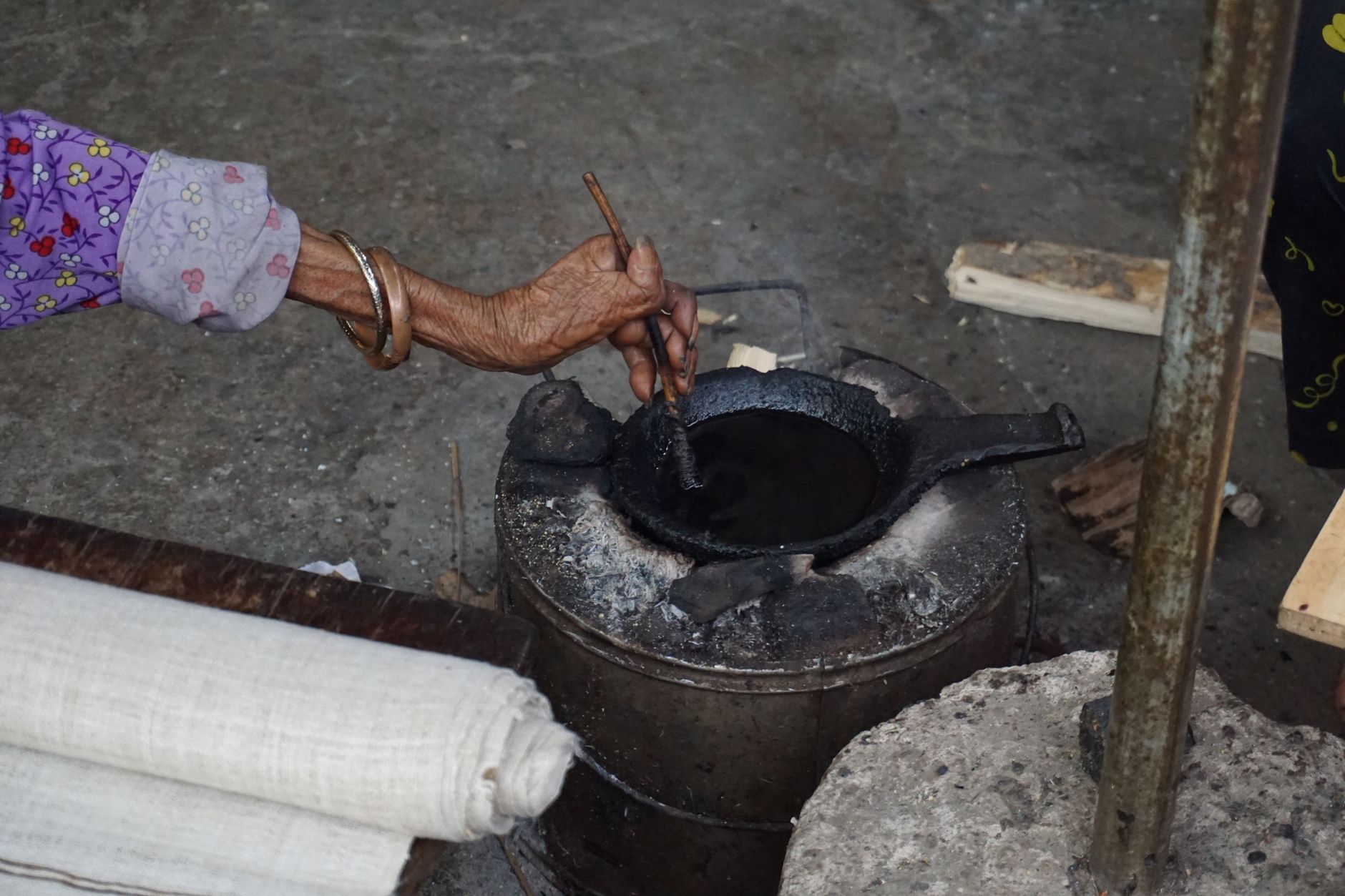
Which British plants and kitchen scraps give the best colour?
Let’s start with the good stuff. You don’t need anything exotic. These are the heavy hitters you’ll find in most British kitchens or gardens from spring through to late autumn.
Onion skins are the all-time classic for a reason. Yellow onion skins (the papery outer layers, not the onion itself) give a rich, warm gold on undyed cotton or linen, and a deeper burnt-orange on protein fibres like wool or silk. Start saving them in a paper bag weeks before you plan to dye. You need a surprisingly large volume, so rope in your neighbours if you can.
Beetroot is the dye that everyone gets excited about, and fair enough, the raw juice is a vivid fuchsia-magenta that looks almost neon in the pot. Here’s the reality check though: beetroot is what dye enthusiasts call a fugitive dye, meaning the colour tends to shift and fade over time, especially without a strong mordant. You’ll get beautiful dusty pinks and mauves, but don’t expect them to stay vivid for years. Treat beetroot-dyed pieces as intentionally ephemeral, or use them for wall art rather than clothing.
Nettles are a British garden staple and give a soft, mossy yellow-green on most natural fibres. Harvest them with gloves on (obviously), simmer the leaves, strain, and you have a perfectly serviceable dye bath. The colour is subtle rather than bold, but it layers beautifully if you’re over-dyeing other plant colours.
Elderberries, picked in late August and September from hedgerows across the country, yield a gorgeous range from dusty lilac to near-grey-blue, depending on your mordant and the pH of your water. They’re also high in tannin, which means they bond reasonably well to plant fibres even without an additional mordant, making them a good starter dye for beginners.
Weld, woad, and Japanese indigo are also worth exploring as you get more confident, but the four above will keep you busy and thrilled for a long time.
What is mordanting and do you really need it?
A mordant is a mineral salt that acts as a bridge between the dye molecule and the fabric fibre. Without it, most plant colours wash out quickly or shift to something unrecognisable. With it, you get significantly better colour fastness and often richer, more complex hues.
The most beginner-friendly mordant is alum (aluminium potassium sulphate), which you can buy from specialist suppliers like Woad Inc or Wild Colours, both based in the UK. Dissolve it in hot water, add your pre-wetted fabric, simmer gently for an hour, and your cloth is ready to enter the dye bath. Use around 15% weight of fibre (WOF), so for 100g of fabric, you’d use 15g of alum. It’s gentle enough to use at home without specialist safety equipment beyond rubber gloves.
Iron (ferrous sulphate) is another common mordant that saddens or deepens colours, pushing golds towards olive and pinks towards mauve. Use it sparingly, too much can actually damage wool fibres over time. Around 2-4% WOF is plenty.
If you want to avoid mordants entirely, tannin-rich plants like oak galls, black tea, or the elderberries mentioned above will bond reasonably well to plant fibres on their own. The colour may fade more than mordanted cloth, but for wall hangings or display pieces that don’t get washed repeatedly, it’s absolutely fine.
Safety tips before you start dyeing
Natural doesn’t automatically mean risk-free, so a few sensible precautions go a long way. The HSE’s guidance on working safely with chemicals at home is worth a quick read before you start using mordants.
Keep your dyeing pots separate from anything you use for food. Once a pot has held iron sulphate, it shouldn’t go back in the kitchen cupboard. Label everything clearly. Work in a well-ventilated space, simmering dye baths can release steam you’d rather not inhale in a closed kitchen. Rubber gloves are non-negotiable, particularly with mordant solutions. And if you have children or pets around, keep your dye pots out of reach; elderberry liquid in particular looks disconcertingly like a delicious drink.
Dispose of spent dye baths responsibly. Small quantities of plant-based dye can go down the drain, but iron and copper mordant solutions should be diluted heavily with water before disposal or taken to your local household waste recycling centre.
How to actually do it: a simple step-by-step
Start by scouring your fabric. This just means washing it thoroughly to remove any oils, sizing, or finishes that would block the dye. A hot wash with a small amount of soda ash or just plain washing soda works perfectly. Rinse well.
Mordant your fabric next (see above). While it’s cooling in the mordant bath, prepare your dye bath. Simmer your plant material in water for around an hour, then strain out all the solid matter. You should be left with a coloured liquid. Add your still-damp mordanted fabric to this warm dye bath, bring it up to a gentle simmer, and hold it there for 45 minutes to an hour. Don’t let it boil furiously, that’s hard on fibres.
Lift out your fabric, squeeze gently (don’t wring), rinse in water of a similar temperature to avoid shocking wool fibres, and hang to dry out of direct sunlight. The colour will look darker when wet; it lightens as it dries.
A tip I’ve found genuinely useful: keep a dye journal. Note your plant material, mordant percentage, fabric type, simmer time, and the final colour you got. Natural dyeing has a lovely unpredictability to it, the same onion skins in different water can give quite different results, and a journal helps you replicate the happy accidents.
What to make with your naturally dyed cloth
This is where it gets really fun. Naturally dyed fabric has a quality to it that synthetic dyes rarely achieve, a softness, an organic variation in tone, a depth that changes in different light. It deserves to be shown off.
Wall hangings are one of my favourite uses. Cut your dyed cloth into strips, panels, or irregular shapes and stitch or knot them together. If you’re already into fibre crafts, combining natural dyeing with something like dip-dyed macramé wall hangings is a genuinely beautiful combination, the organic colour palette of plant dyes suits the natural textures of macramé cord perfectly.
Wearables are brilliant too. A naturally dyed linen tote bag or a silk scarf in elderberry purple is the kind of thing people stop you to ask about. If you’re already interested in painting on fabric, hand-painting silk scarves and natural dyeing actually complement each other well, dye the background with plant colours, then add fine detail with silk paints over the top.
Mixed-media art is another avenue worth exploring. Naturally dyed cloth tears and collages beautifully, adding texture and warmth to pieces that might otherwise feel flat. If you enjoy collage work, naturally dyed fabric scraps make gorgeous additions to mixed-media collage projects alongside magazine cuttings and packaging.
Building a soft, organic colour palette
One of the joys of natural fabric dyeing at home in the UK is that the colours you get are inherently cohesive. Onion gold, nettle green, elderberry lilac, and beetroot blush all sit together beautifully without clashing, because they share the same underlying warmth and mutedness. You don’t have to think too hard about palette building, the plants do it for you.
That said, if you want to push things in a particular direction, pH is your friend. Adding a splash of white vinegar to your dye bath shifts colours warmer; adding a pinch of washing soda shifts them cooler. A beetroot bath can produce anything from warm pink to steel grey-blue depending on whether you acidify or alkalinise it. Play with it. Keep notes. That’s genuinely half the fun.
Natural fabric dyeing is slow, a bit messy, and deeply satisfying. You end up with cloth that carries a story in its colour, that this gold came from the onion skins from last Tuesday’s soup, that this purple was hedgerow elderberries picked on a September afternoon. That’s a kind of creativity you just can’t get from a bottle.
Frequently Asked Questions
What fabrics work best for natural fabric dyeing at home in the UK?
Natural protein fibres like wool, silk, and alpaca take plant dyes the most readily and give the richest colours. Plant fibres like cotton, linen, and hemp also work well, but generally benefit more from a mordant or a tannin pre-treatment to help the colour bond. Synthetic fabrics like polyester won’t take natural dyes at all.
Do I need special equipment to start natural dyeing?
Not really. You need a large stainless steel or enamel pot (dedicated to dyeing, not food), rubber gloves, a thermometer if you have one, and a wooden spoon or stick for stirring. Mordants like alum are available from UK suppliers such as Wild Colours or Woad Inc. Budget around £20-£40 to get started properly.
How long do natural dyes last on fabric before fading?
It depends on the plant and the mordant used. Alum-mordanted onion skin gold is one of the most light-fast natural dyes and can last years with proper care. Beetroot tends to fade more quickly and is best treated as a colour that evolves over time. Washing in cool water, avoiding direct sunlight, and hand-washing where possible all extend the life of naturally dyed cloth significantly.