
Half-term arrives like a fruit bowl left in the sun: bright, slightly chaotic, and demanding your full attention. Whether you are a parent staring at a week of unstructured days, a childminder with a group of under-tens to entertain, or a community group looking for something genuinely engaging, a fruit-themed art session is one of the best things you can pull together with minimal fuss and a very modest spend. I have run a few of these myself, and once you have done one, you will keep coming back to the format because the kids absolutely love it and the mess is, honestly, manageable.
The ideas below cover kids art workshop ideas for UK school holidays from the summer break all the way through to October half-term, with age-appropriate projects, a realistic budget breakdown using UK retailers, and some structure that keeps things playful without turning you into a stressed-out art teacher.
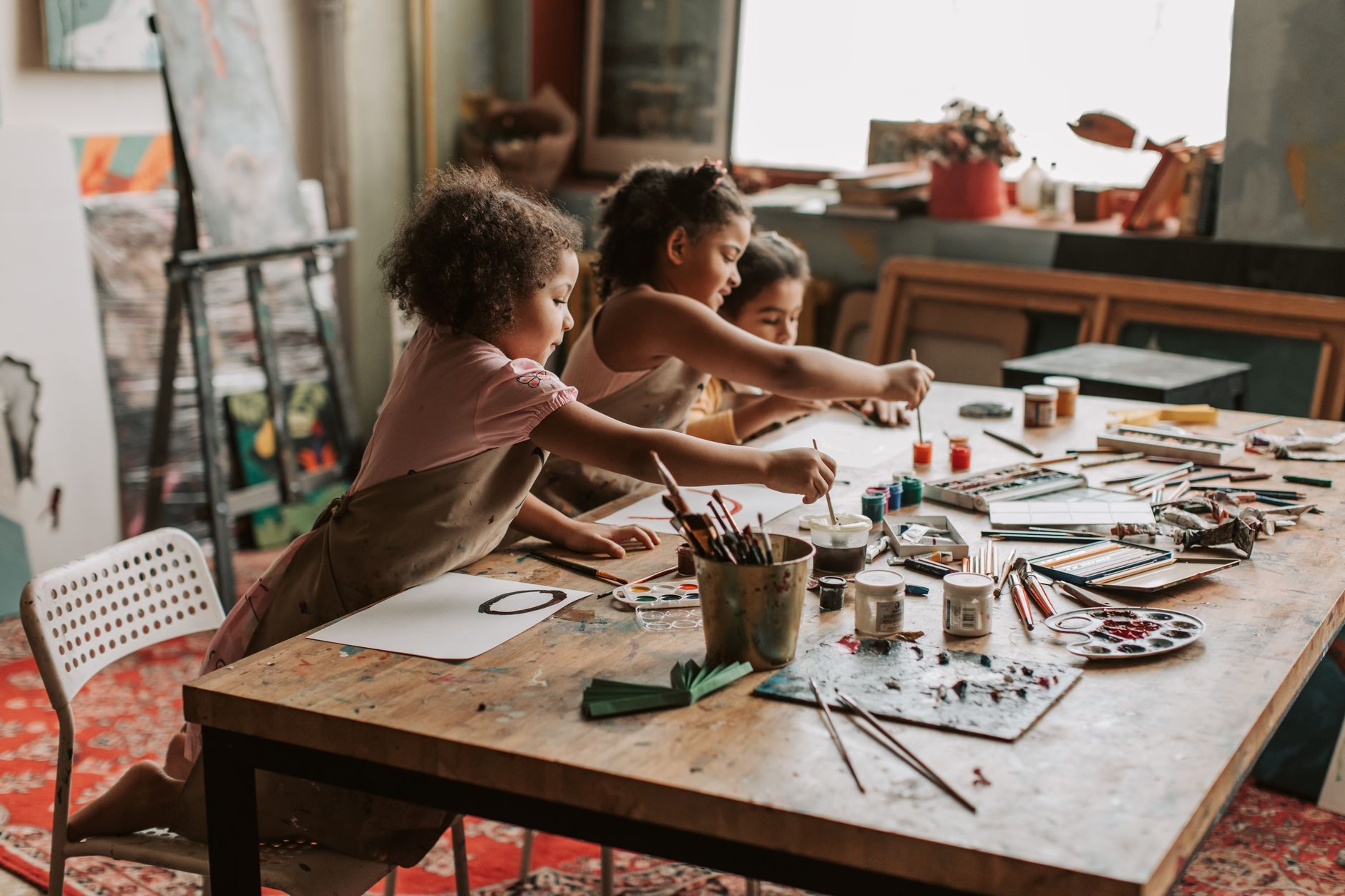
Why a fruit theme works so well for children’s art
Fruit is visually brilliant. Bold shapes, strong colours, instantly recognisable. A strawberry, a slice of watermelon, a bunch of grapes: these are subjects children already know and love, so they skip straight past the “I don’t know what to draw” panic and get stuck in. The theme also scales beautifully across age groups. A four-year-old can stamp a halved apple in red paint. A ten-year-old can try a more detailed observational drawing of a lemon. You get one theme that works for a mixed-age group, which is gold for childminders and holiday clubs.
There is also something genuinely joyful about looking at real fruit while you make art from it. Pop a bowl of oranges, limes, and a few passion fruit on the table as your still-life reference and watch the room come alive. The colours inspire the palette before a single brush is lifted.
Planning your session: structure that doesn’t feel like school
A good children’s art workshop runs in roughly three phases: warm-up, main project, and finishing. Keep the total session between 90 minutes and two hours for under-sevens; older children can happily go to two and a half hours if they are engaged. I’d suggest this loose running order:
Warm-up (15 minutes): Set out scrap paper and let children freely doodle fruit shapes with felt-tip pens. No pressure, no wrong answers. This loosens hands and minds and means the main project starts with children already feeling capable rather than intimidated.
Main project (60 to 90 minutes): Choose one of the age-appropriate projects below. Have all materials pre-set on the table before children sit down. Waiting around while you find the glue sticks is where sessions fall apart.
Finishing and display (15 minutes): Let children name their work, write their initials on the back, and choose where it goes. Even pinning it to a wall or window for the afternoon gives a real sense of completion. If you are running a community group session, a small “gallery walk” where everyone admires each other’s work is genuinely lovely and takes about three minutes.
Age-appropriate project ideas
Ages 3 to 5: fruit printing and sponge stamping
Halve an apple, a pepper, or a citrus fruit. Dip in ready-mix paint, stamp onto paper. That is genuinely it, and the results are wonderful. Add googly eyes to the prints afterwards and you have made a fruit character. Buy Crayola ready-mix paint from The Works (around £3 for a set of six colours) and cheap cartridge paper in bulk.
Ages 5 to 8: papier-mâché fruit
Blow up small balloons, tear newspaper into strips, mix PVA glue with water, and layer over the balloon. Leave to dry, then paint in vivid fruit colours. I wrote a full guide to this approach in the papier-mâché fruit sculptures guide if you want the full technique breakdown. For a holiday session, make the papier-mâché on day one and paint on day two, which works perfectly across two half-term mornings.
Ages 7 to 10: fruit stamp tote bags
Give each child a plain cotton tote bag (Hobbycraft sells packs of five for around £6) and fabric paint. Use halved fruit, sponge shapes, or hand-cut foam stamps to print a fruit pattern. The result is something they can actually use, which children find far more satisfying than paper they will lose. For inspiration on the printmaking side of things, the colourful tote bag screenprinting guide has some excellent ideas for working with motifs at home.
Ages 8 and up: observational watercolour fruit
Set out real fruit as a still life. Give children a watercolour set (Winsor and Newton Cotman half-pans from The Range cost around £7) and heavyweight paper. Teach one technique at a time: wet-on-wet for a soft background wash, then more defined brushstrokes for the fruit itself. Children this age respond really well to being taught a proper skill rather than just being given free rein, so a five-minute demo at the start pays dividends.
Budget supply list from UK retailers
You absolutely do not need to spend a fortune. Here is a realistic list for a group of eight children, sourced from shops most people in the UK can reach or order from:
The Works: Ready-mix paint set (£3), A3 cartridge paper pad (£2.50), foam brushes pack (£2), felt-tip pens (£2.50). Hobbycraft: PVA glue 500ml (£2.50), plain tote bags 5-pack (£6), fabric paint set (£5). Poundland: Newspaper for papier-mâché (free if you have old papers at home, or £1 for a pack of sheets), googly eyes (£1), washi tape for borders (£1). Supermarket: A mixed bag of fruit for stamping and still-life reference (around £4 from Aldi or Lidl covers you well).
Total for eight children: roughly £25 to £30, or around £3.50 per head. Scale up proportionally for larger groups. If you are running a community group session and can ask parents to bring one piece of fruit each, you can shave another few pounds off that figure immediately.
For further inspiration on low-cost dyeing and colour play that suits older children, the natural fabric dyeing guide has some brilliant ideas using kitchen and garden produce that cost almost nothing.
Practical tips for keeping things running smoothly
Cover your table with an old plastic tablecloth or a roll of lining wallpaper (cheap from B&Q). Set up a “wet station” with damp cloths and a bowl of water so children can clean their own hands without queuing at the sink constantly. Use muffin tins or egg cartons as paint palettes rather than buying them separately. Decant paint into small amounts so that if a pot gets knocked, you haven’t lost the whole bottle.
For childminders working under Ofsted registration, it is worth checking that your activities align with the EYFS framework for the younger age groups. The Early Years Foundation Stage guidance on gov.uk is the authoritative reference here, and creative expressive arts are explicitly part of the framework, so you are already ticking important boxes whilst having a brilliant time.
Label everything. Children of all ages lose brushes, swap paint pots, and accidentally claim someone else’s nearly-finished artwork. A piece of masking tape with a name on it, stuck to their paper before they start, saves a surprising amount of drama.
Making the session feel special
A few small touches turn a craft session into a proper event. Put on a playlist of upbeat music in the background. Let children choose their own fruit colours rather than dictating a palette. If you have older children helping younger ones, assign them as “studio assistants” rather than just asking them to be careful. Give the session a name, write it on a bit of card, and prop it up on the table. “The Colourfruit Studio, Summer 2026” on a hand-lettered card costs nothing and makes children feel like they are doing something genuinely exciting. Because they are.
Frequently Asked Questions
What art supplies do I need for a kids art workshop on a tight budget?
For a group of eight, you can cover everything for around £25 to £30 using The Works, Hobbycraft, and Poundland. Key basics are ready-mix paint, cartridge paper, PVA glue, and foam brushes. Ask parents to bring one piece of fruit each to use as a still-life reference or printing stamp, which saves extra cost.
What are good fruit-themed art projects for mixed age groups?
Fruit printing with halved apples or citrus works brilliantly for ages three and up. Papier-mâché fruit sculptures suit ages five to eight, whilst observational watercolour painting is great for children aged eight and older. The fruit theme scales naturally, so one session plan can accommodate a wide age range without needing separate setups.
How long should a children's art workshop last during school holidays?
For under-sevens, 90 minutes is a sweet spot: long enough for a proper project but short enough to keep focus. Older children aged eight and up can happily sustain two to two and a half hours if the project is engaging. Build in a 15-minute warm-up and a short display or gallery moment at the end.
Where can I buy cheap art supplies for kids in the UK?
The Works and Poundland are the two best starting points for budget supplies, with Hobbycraft worth checking for tote bags, fabric paint, and PVA. Aldi and Lidl often stock seasonal craft kits during school holidays at very competitive prices, and their fruit is also ideal for printing and still-life reference.
Do fruit-themed art sessions count towards the EYFS framework for childminders?
Yes. Creative and expressive arts are a recognised area of the Early Years Foundation Stage framework, which Ofsted-registered childminders in England work within. A structured but playful art session supports children’s development in fine motor skills, creative expression, and communication, all of which are referenced in the EYFS guidance published on gov.uk.