
There is something wildly satisfying about rescuing a battered wooden stool from a charity shop and turning it into something that looks like it belongs in a botanical garden. I’ve been doing exactly this for a few years now, and the allotment has become my single biggest source of inspiration. Courgettes. Runner beans. Those fat purple aubergines nobody quite knows what to do with. All of it gorgeous, all of it completely underused as a motif in home décor. Hand-painted allotment furniture is one of the most joyful ways I know to fill a space with colour, and it costs almost nothing to start.
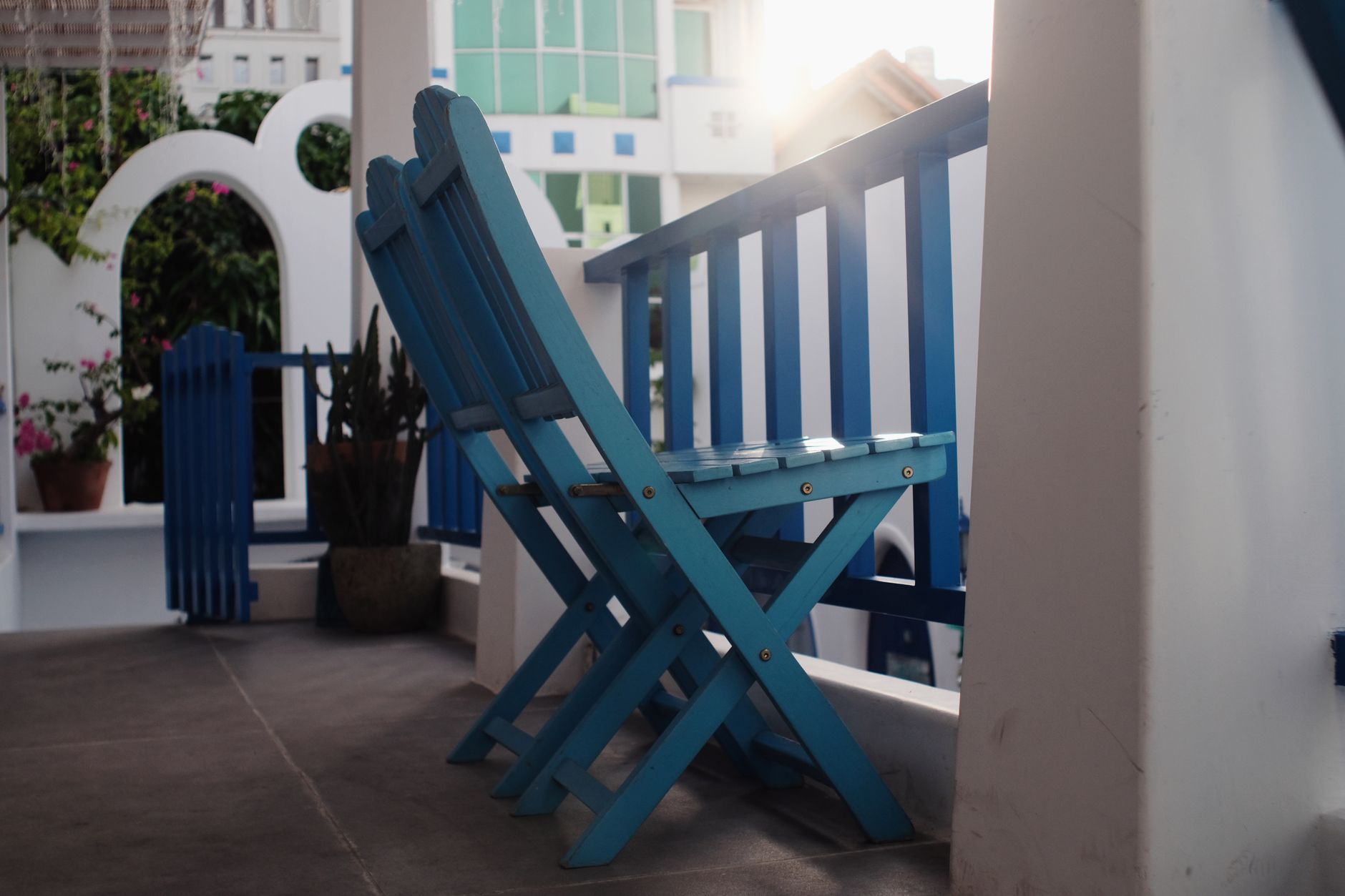
This is especially handy if you’re renting. Landlords can be notoriously precious about painted walls, and in a shared home or a flat with magnolia from floor to ceiling, furniture becomes your canvas. (If you’re curious about the evolving relationship between landlords and tenants in 2026, there’s a longer read on how uk landlords and letting agents are using proptech to navigate the renters’ rights act that’s worth a look.) But the good news for creative renters is that a hand-painted sideboard moves with you. Nobody can stop you doing that.
Where to find your furniture blanks
Charity shops on the high street are the obvious starting point, and honestly they’re brilliant right now. British Heart Foundation, Oxfam, and local hospice shops all regularly stock solid wooden chairs, little side tables, and the occasional heavy sideboard. I’d also recommend checking Freecycle, Facebook Marketplace, and your local council’s bulky waste collection listings, people put out perfectly decent wooden pieces every week. Look for solid wood over flat-pack particleboard; the latter chips badly and doesn’t take paint with the same joy.
Stools are my personal favourite for beginners. The flat seat gives you a ready-made circular canvas, and a ring of painted leeks or a cluster of strawberries around the edge looks absolutely brilliant. Chairs are slightly trickier but enormously rewarding. Sideboards take longer but the payoff, a full harvest scene across several drawers, is spectacular.
Prepping the surface properly (don’t skip this)
The difference between paint that lasts five years and paint that flakes off by Christmas is almost always in the prep. Start by wiping everything down with a damp cloth, then sand lightly with 120-grit sandpaper to give the surface some tooth. If the piece has a varnish or lacquer finish, you’ll need to sand more thoroughly or use a de-glossing liquid, which you can pick up at most DIY shops. Fill any cracks or dents with a wood filler, let it dry completely, then sand again to a smooth finish.
Prime with a water-based primer before your base coat. White or off-white works well if you want your allotment colours to pop, and trust me, you do. A deep cobalt background can also look stunning behind cream and yellow sweetcorn motifs, so don’t feel locked into white.
Choosing the right paints for bold allotment motifs
For hand-painted allotment furniture, chalk paint is genuinely excellent. Brands like Annie Sloan (widely available in independent stockists across the UK) and Rust-Oleum’s chalk paint range give you that slightly matte, velvety finish that reads as properly artisan. They’re also forgiving if you make a wobbly stroke, chalk paint is easily sanded back or painted over without drama.
For the motifs themselves, I use artist’s acrylic in small tubes. You get far more control over the colour mixing, and the range of pigments is extraordinary. Go proper bright for your allotment produce: cadmium red for tomatoes, phthalo green for bean pods, a warm ochre for corn, deep violet for aubergine. Don’t be timid. The whole point of painting a vegetable on furniture is that it should make people grin when they see it.
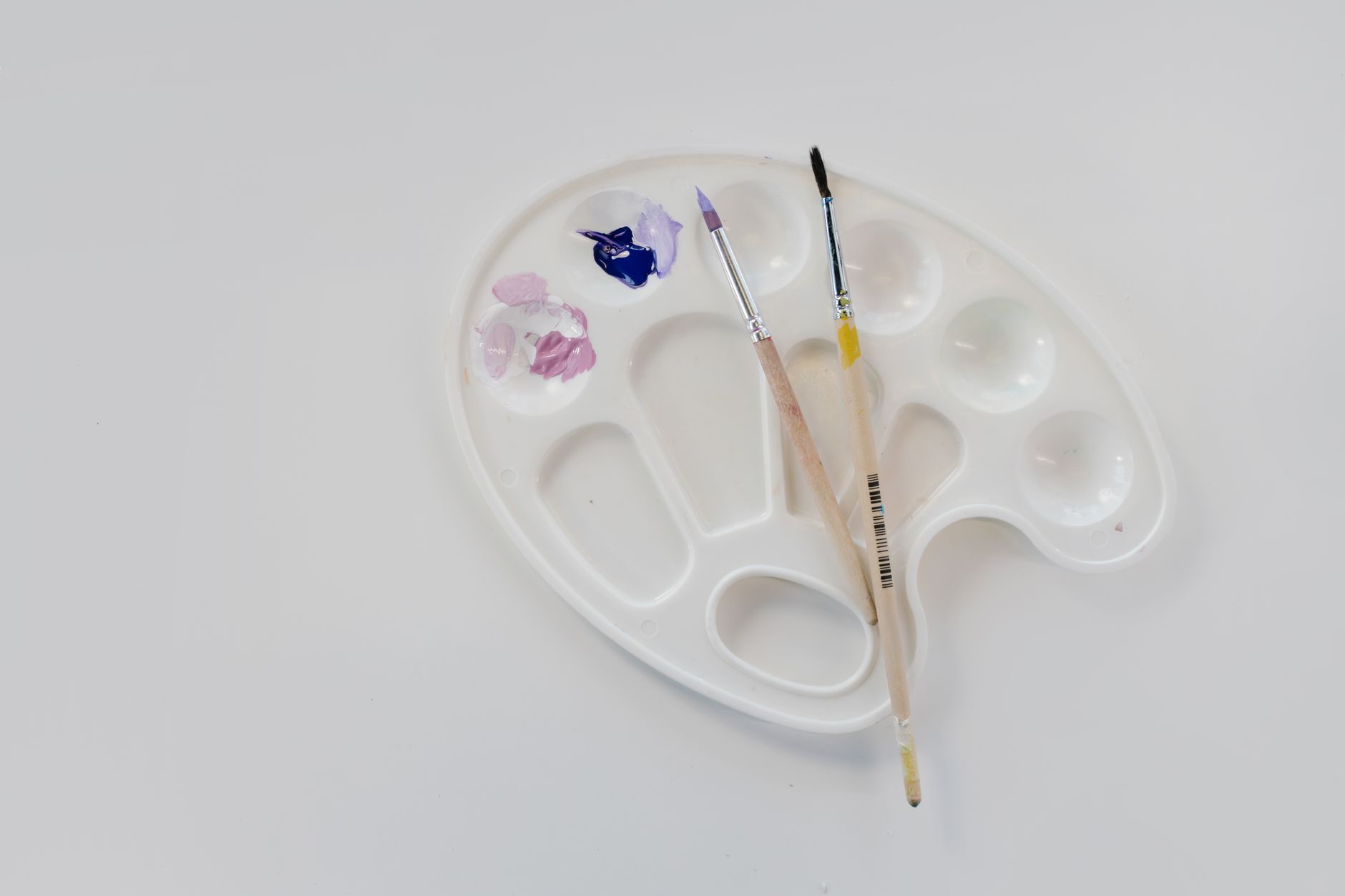
Fine brushes, a size 2 and a size 0 liner, handle the detail work. A medium flat brush deals with blocking in colour. If you’re nervous about freestyling, print a reference image of your chosen vegetable, trace the outline lightly onto the furniture with a pencil, then paint within those lines. After a few pieces you’ll find you stop needing the pencil guide entirely.
Which allotment motifs work best on furniture
Some produce translates to painted furniture better than others. Here are my firm favourites after years of experimenting:
Radishes are brilliant on chair legs. Their round red bodies and white tails paint up fast and look clean even at small scale. Runner beans are made for long surfaces, run a vine of them along the top edge of a sideboard and it looks genuinely lush. Strawberries (technically a fruit, yes, but every allotment in Britain has them) are endlessly cheerful and very forgiving to paint. Leeks make a surprisingly graphic, bold motif, the blue-green of the leaves against white is almost Scandinavian in feel. Courgettes painted in a vivid lime green against a dark base are absolutely striking. And sunflowers, the classic allotment companion planting staple, need no justification at all.
Mix your motifs freely. A chair doesn’t have to be all-radishes. A little scattered arrangement of different vegetables, as though someone tipped their allotment trug across the seat, is both more realistic and more charming than a single repeated shape.
Sealing your work so it actually lasts
Paint without a topcoat on furniture will not survive. Full stop. Chairs especially take a battering, and all your careful motif work will scuff within a month without proper sealing. I use a water-based polyurethane varnish in a satin finish; it’s hard-wearing, dries clear, and doesn’t yellow over time the way oil-based varnishes can. Apply two coats minimum, leaving a full 24 hours between each, and lightly sand with a very fine 400-grit between coats for a silky surface.
If you used chalk paint for the base, a clear chalk paint wax (Annie Sloan’s clear wax is the standard) adds an extra layer of protection and maintains that matte feel. For pieces that will live outdoors, a garden stool, a potting bench, use an exterior-grade varnish instead, and bring them in over winter regardless.
The Health and Safety Executive guidance on solvent-based products is worth checking if you’re working in a small, unventilated space; water-based paints and varnishes are far safer for indoor use and genuinely perform well enough that there’s no good reason to reach for the nasty stuff.
Making it work in a rented or shared space
The real beauty of hand-painted furniture is portability. I’ve moved three times in six years and every single painted piece has come with me. When walls are off-limits and your landlord’s idea of interior design is beige carpet and a single smoke alarm, a vivid sideboard covered in painted leeks and tomatoes can single-handedly transform how a room feels.
Small pieces do more than you’d think. A painted wooden stool used as a bedside table, or a little charity-shop chair in the corner of a bedroom, brings colour into a space without requiring a single nail in the wall. If you’re looking to extend that allotment theme further into your home, you might enjoy a wander through our guide on painting fruit and botanical motifs on plant pots, the same brush skills transfer directly, and a cluster of painted pots alongside a painted stool looks genuinely curated.
For those who want to go further with surface design and pattern, our piece on creating colourful pattern designs inspired by tropical fruits has some ideas that work beautifully when adapted for drawer fronts and chair backs. And if you find you love the painted result so much that you want to capture it for print or digital work, the skills covered in our guide to illustrating a colourful fruit zine translate naturally from brush to page.
Start small. One stool. One afternoon. A few tubes of acrylic, a charity-shop chair, and whatever your allotment (or the greengrocer’s) is currently producing. The results will be loud, proud, and completely, gloriously yours.